Lisbon is one of those cities you don’t want to leave. But when you do, you’ll find some of Portugal’s most spectacular scenery, history, and food sitting right on its doorstep. This is my guide to the best day trips from Lisbon: beaches, palaces, medieval towns, natural parks, and one surfing village that broke the internet. No expensive tours required.
Don’t get me wrong, Lisbon is a truly unique city that can easily keep you busy for at least three full days.
But if you’re staying longer and have had your fill of cobblestone streets, yellow trams, and pastéis de nata, it’s time to venture out.
There’s no need for expensive tours. Every destination in this article can be reached independently, and I’ll tell you exactly how.
The best Lisbon day trips on a map
To help you visualise things, this map has all the best day trips from Lisbon mentioned in this article.
- Blue: seaside towns
- Green: nature trips
- Purple: history and culture
- Orange: beach trips

I’ve made the hard work for you. This is a pre-filtered list of hotels in the best areas to stay in Lisbon.
1 Sintra (& Cabo da Roca)

The mother of all day trips from Lisbon, the fairytale village of Sintra sits on the bucket list of practically every visitor to Portugal. It’s extremely touristy, but for very good reason: there is simply no shortage of things to see and do.
Topping the list, the colourful Palácio de Pena (Pena Palace) looks like it came straight from a Disney movie. The interior is no less over-the-top, as its lavish décor gave generations of Portuguese monarchs a reason to summer here. The palace was refurbished by King Fernando II in the 19th century and has held UNESCO World Heritage status since 1995.
Further along the serra, you’ll find Castelo dos Mouros, an 8th-century castle with stunning open views across Sintra, Cascais, and the Lisbon district. Also worth your time: the intricate Palácio de Monserrate and the deeply mysterious Quinta da Regaleira, with its initiatic wells and secret tunnels.
If your schedule allows, I’d even suggest staying 1 or 2 nights in Sintra. Most palaces close at 6pm and rushing kills the experience.
Add Cabo da Roca to your Sintra day. Just 16 kilometers from the town center, Cabo da Roca is the westernmost point of mainland Europe, tucked between the Sintra-Cascais Natural Park and the Atlantic at around 150 metres above sea level. There’s a lighthouse, dramatic hiking trails, and panoramic cliffs with views that genuinely justify the detour. Watch out for the wind though: jackets, phones, and hats have all been lost to the gusts here.
How to get to Sintra from Lisbon ℹ️
CP – Comboios de Portugal runs direct trains from Lisbon (Rossio station) to Sintra every 15-20 minutes. The journey takes about 40 minutes and costs €2.45 each way with a reloadable Viva Viagem card.
Driving takes roughly the same time but creates a real problem: parking in Sintra’s narrow streets is paid, pricey, and often impossible.
Once in Sintra, the 434 bus circuit connects all major attractions (€13.50 for a full-day pass). Walking between palaces looks tempting on the map but involves serious uphill hiking.
To reach Cabo da Roca, hop on the 403 bus from Cascais or combine it with the Sintra-Cascais drive if you have a car. Keep in mind the bus runs infrequently.
2 Costa de Caparica
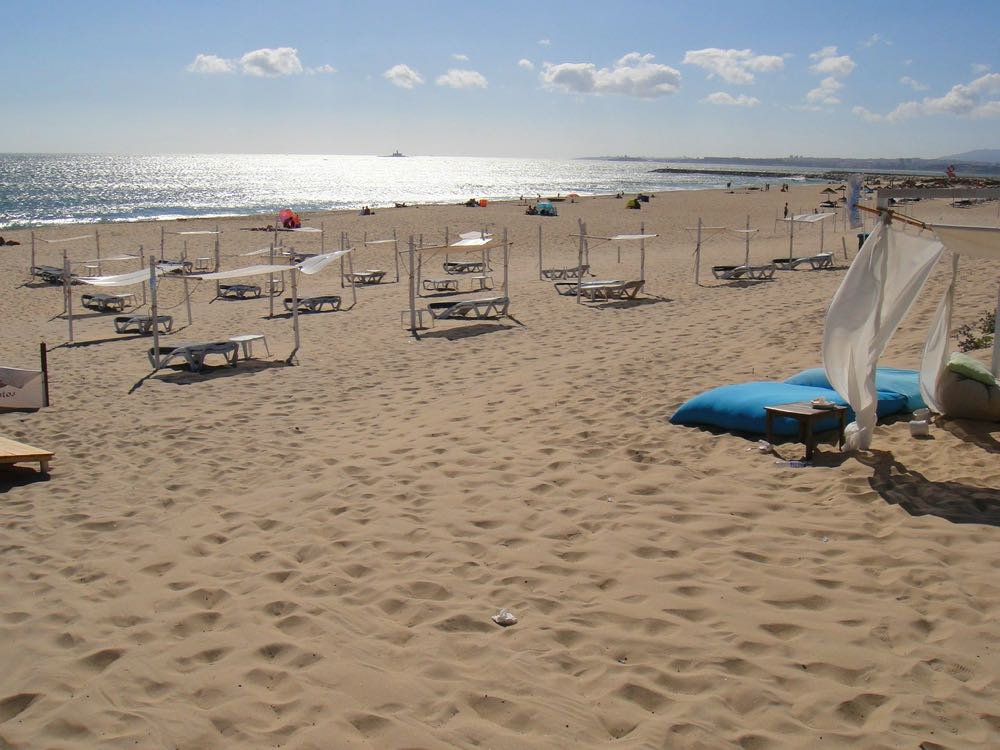
Costa de Caparica is Lisbon’s most popular summer playground. On warm weekends, Lisboners flock to this 24-kilometre strip of sand with wonderful natural scenery. In the transition to the evening, the beach bars and clubs gradually liven up, making them good spots for sunset.
If you don’t mind the crowds, the northern end of Costa de Caparica (closer to Lisbon) is more developed with better infrastructure. The further south you go, the wilder the beaches get, including Meco, Portugal’s original nudist beach. Read more about beaches near Lisbon.
How to get to Costa de Caparica from Lisbon ℹ️
Transportes Sul do Tejo has several bus connections from central Lisbon to Costa de Caparica in roughly 30 minutes (traffic permitting).
The southern sections of the coastline can only be reached by car or a mini-train that runs during summer months along the dunes to Fonte da Telha.
During summer weekends, avoid crossing the bridge between 10am and 3pm: you will almost certainly get stuck in traffic.
3 Setúbal
Setúbal is one of the most underrated day trips from Lisbon, a working port city with an attractive old town, a lively fish market, and direct access to the spectacular Arrábida Natural Park coastline. It’s about 50 kilometres south of Lisbon, and it’s where the local dolphins live.
The Sado Estuary is home to a resident population of around 30 bottlenose dolphins, and several operators run dolphin-watching tours from the city’s marina. Unlike most of Portugal’s whale-watching trips, these are year-round because the dolphins don’t migrate.
Wander through Setúbal’s old town, which is more authentic and less touristy than most coastal towns around Lisbon. The Museu do Trabalho Michel Giacometti, set inside a former canning factory, gives you a real sense of the city’s deep connection to the sea and fishing industry.
If you have a car, use Setúbal as your base to access the turquoise beaches of Serra da Arrábida to the west (see section below). Public transport will take you to the city, but getting to Arrábida’s beaches from there requires wheels.
How to get to Setúbal from Lisbon ℹ️
The Fertagus train runs from Roma-Areeiro, Entrecampos, Sete Rios, and Campolide directly to Setúbal. The journey takes about 50-60 minutes and a single ticket costs €4.55, loaded onto a Navegante card.
Trains run every 30 minutes throughout the day. From Setúbal station, it’s a 15-minute walk to the city center.
Carris Metropolitana buses also connect Lisbon (Sete Rios and Oriente) to Setúbal at a similar price. If you’re heading to Arrábida’s beaches, a car is the only real option.
4 Cascais
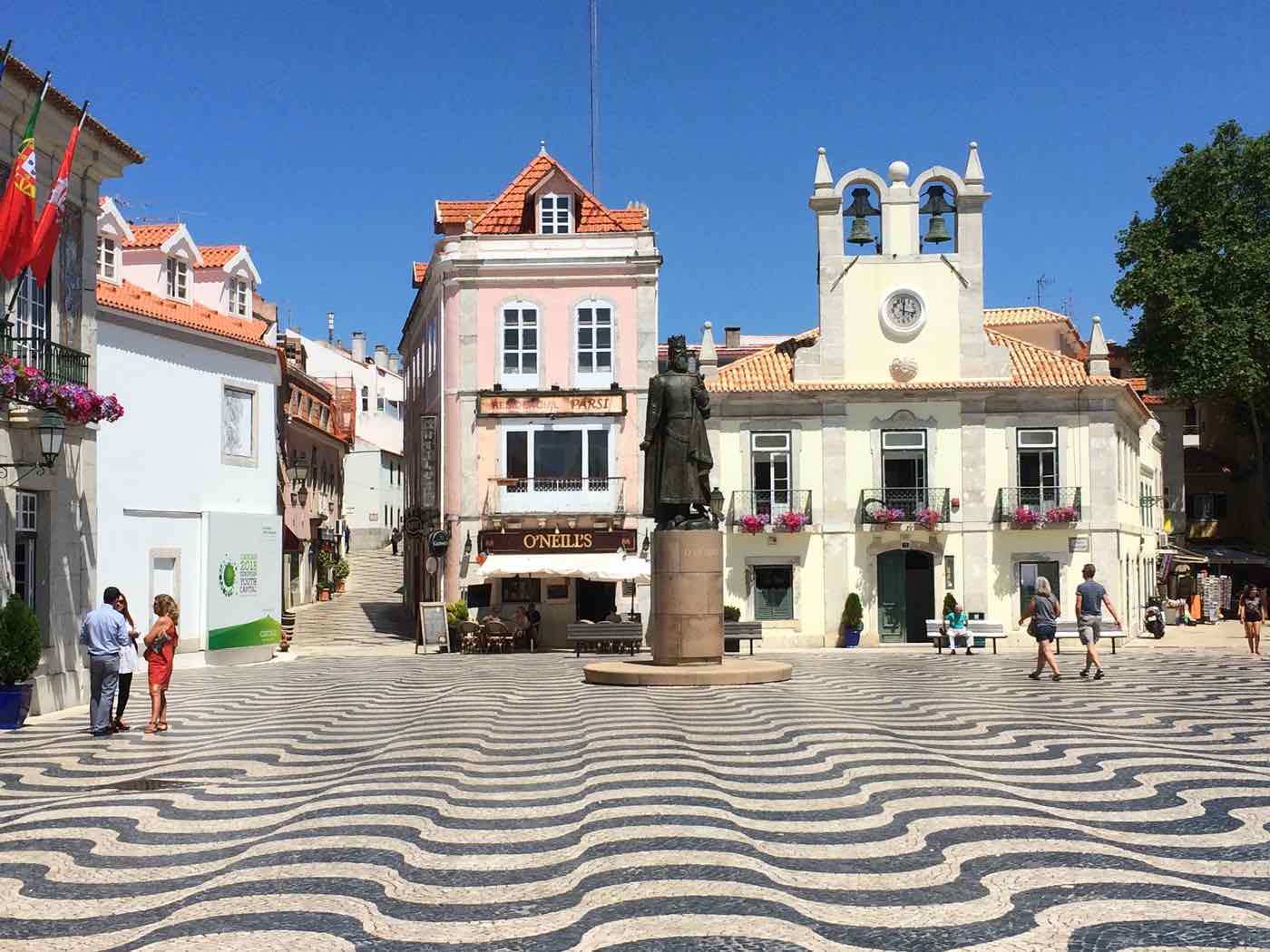
The fine resort town of Cascais boasts a charming coastline of rocky headlands and small sandy beaches. Once a small fishing port, it evolved into a noble summer retreat, and today it’s one of the most upscale areas in the Lisbon district.
Beyond wandering the city center, don’t miss the Conceição, Duquesa, and Rainha beaches, which sit literally inside the town. A short walk or bike ride away, the dramatic Boca do Inferno (Hell’s Mouth) is a chasm carved into coastal cliffs where waves pound through the natural arch and launch several metres into the air.
Further out, Praia do Guincho is one of the most stunning beach landscapes in the region and a world-class surfing and windsurfing destination.
How to get to Cascais from Lisbon ℹ️
Cascais is one of the easiest day trips from Lisbon: a 40-minute train from Cais do Sodré station. A ticket costs around €2.45 each way with a Viva Viagem card (Zapping option).
From Cascais, you can reach Praia do Guincho via a scenic bike ride or on the 402 or 415 buses operated by Scotturb.
5 Sesimbra
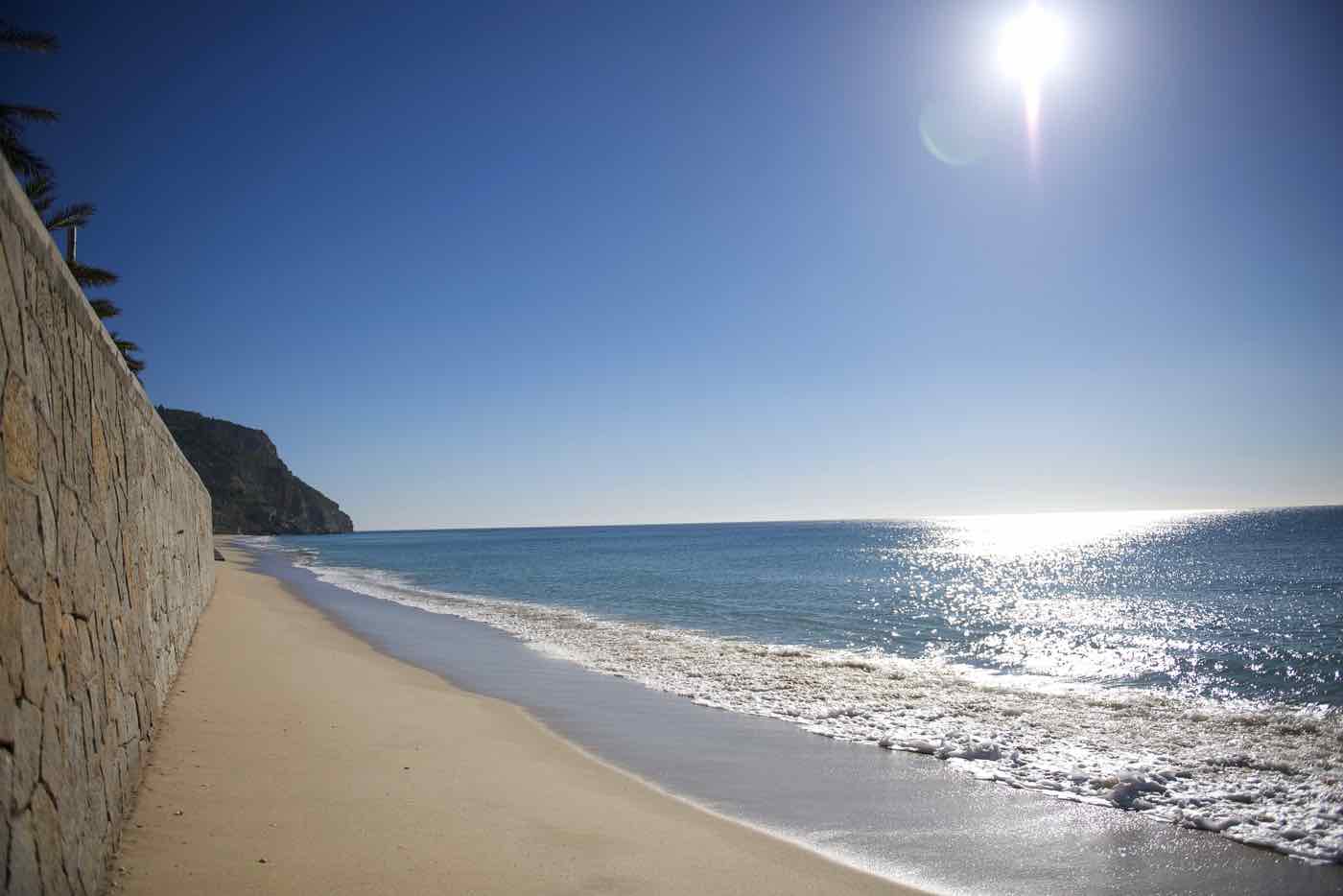
Under the lush green hills of Serra da Arrábida, Sesimbra is a quaint fishing village just 40 kilometres from Lisbon. The whole area is rich in natural beauty, but the town itself has more than enough reasons to keep you busy: a 10th-century Moorish castle, some of the country’s finest beaches, a lovely harbour, and winding alleys packed with seafood restaurants serving freshly caught fish.
Sea kayaking and diving tours depart from Sesimbra, and if you have a car, you can easily combine a trip here with Serra da Arrábida. The N379 road has incredible views over the coastline, with dreamy beach stops along the way.
How to get to Sesimbra from Lisbon ℹ️
TST bus 207 connects Lisbon (Praça de Espanha) to Sesimbra in about an hour.
A car rental gives you the flexibility to add nearby Arrábida Natural Park and makes the whole day significantly better. Compare car rental prices in Lisbon before committing.
6 Cacilhas & Cristo Rei
When you’re in Lisbon, you can’t miss seeing Cristo Rei. Inspired (copied, really) by the Christ the Redeemer in Rio de Janeiro, the towering 70-metre statue spreads its arms towards Lisbon from the Tejo’s southern bank. You can take a lift all the way up and enjoy panoramic views over the river, the 25 de Abril bridge, and the rest of the city. Photography tip: the best light is in the afternoon, with the sun behind you.
Since you’re already on the other side of the river, spend some time in Cacilhas and have lunch or dinner at a restaurant right by the water, with a gorgeous view of the Lisbon skyline. Ponto Final is a classic for traditional Portuguese food in this setting.
How to get to Cacilhas from Lisbon ℹ️
Cross the river in a traditional orange cacilheiro ferry, operated by Transtejo from Cais do Sodré. It’s a 10-minute ride used by thousands of commuters every day, and one of the most scenic shortcuts in Lisbon.
From Cacilhas, hop on the 101 bus or take a 40-minute walk to Cristo Rei.
Where to stay in Lisbon, on a map:
Booking.com7 Óbidos + Nazaré

These two towns sit close enough together to make a genuinely satisfying full-day trip north of Lisbon, and they balance each other nicely: one is medieval and landlocked, the other is coastal and all about waves.
Óbidos is a delightful maze of cobbled streets inside medieval walls, and one of the most charming little villages in all of Portugal. The whole town fits inside its fortifications. Once in, wander the backstreets, ignore the organised tour groups (they come like cattle and stay for exactly one hour), and drink a shot or three of ginja de Óbidos, a cherry liqueur served in edible chocolate cups. If that’s not a reason to visit, I don’t know what is.
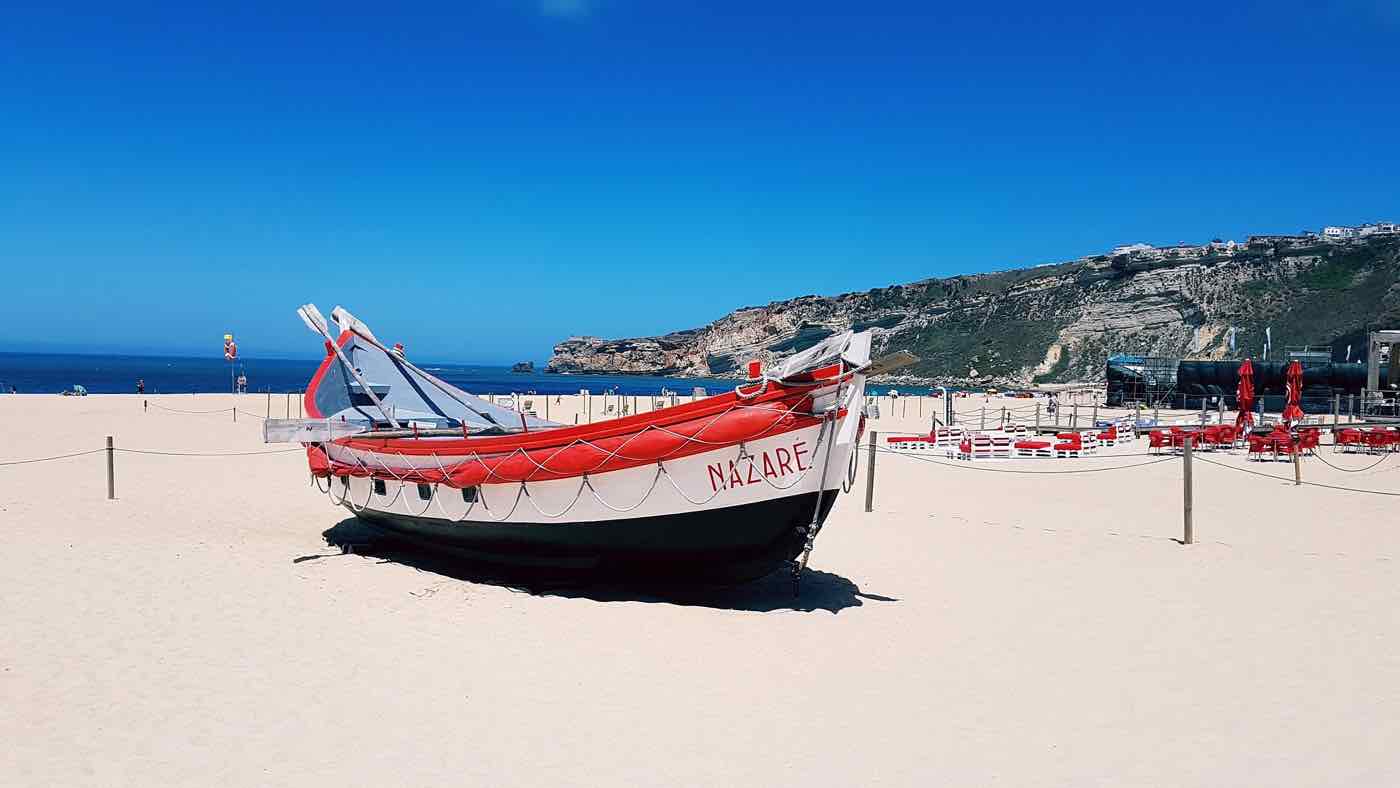
Nazaré put itself on the global map in 2011 when American surfer Garrett McNamara set a world record at Praia do Norte for the biggest wave ever surfed. Waves of over 24 metres have since been ridden here, and the village is now a serious pilgrimage site for surf enthusiasts worldwide.
Even if giant waves don’t excite you, Nazaré delivers on its own terms: a stunning crescent beach, traditional houses, a laid-back atmosphere, and some of the freshest seafood in Portugal. Wander the narrow streets and stop for grilled sea bass, sardines, or a caldeirada de peixe (fish stew). The best viewpoint over the beach is from Sítio, a clifftop reached by funicular.
How to get to Óbidos and Nazaré from Lisbon ℹ️
By car is the best option for this combo. Óbidos is about 1 hour north of Lisbon via the A8, and Nazaré is another 30 minutes further up the coast. The drive between them is easy and scenic.
By public transport: Rodoviária do Oeste has buses to Óbidos from Campo Grande in Lisbon (roughly 1 hour). Rede Expressos connects Sete Rios to Nazaré in just under 2 hours. Doing both in one day without a car is doable but requires planning your connections carefully.
8 Fátima, Batalha & Alcobaça
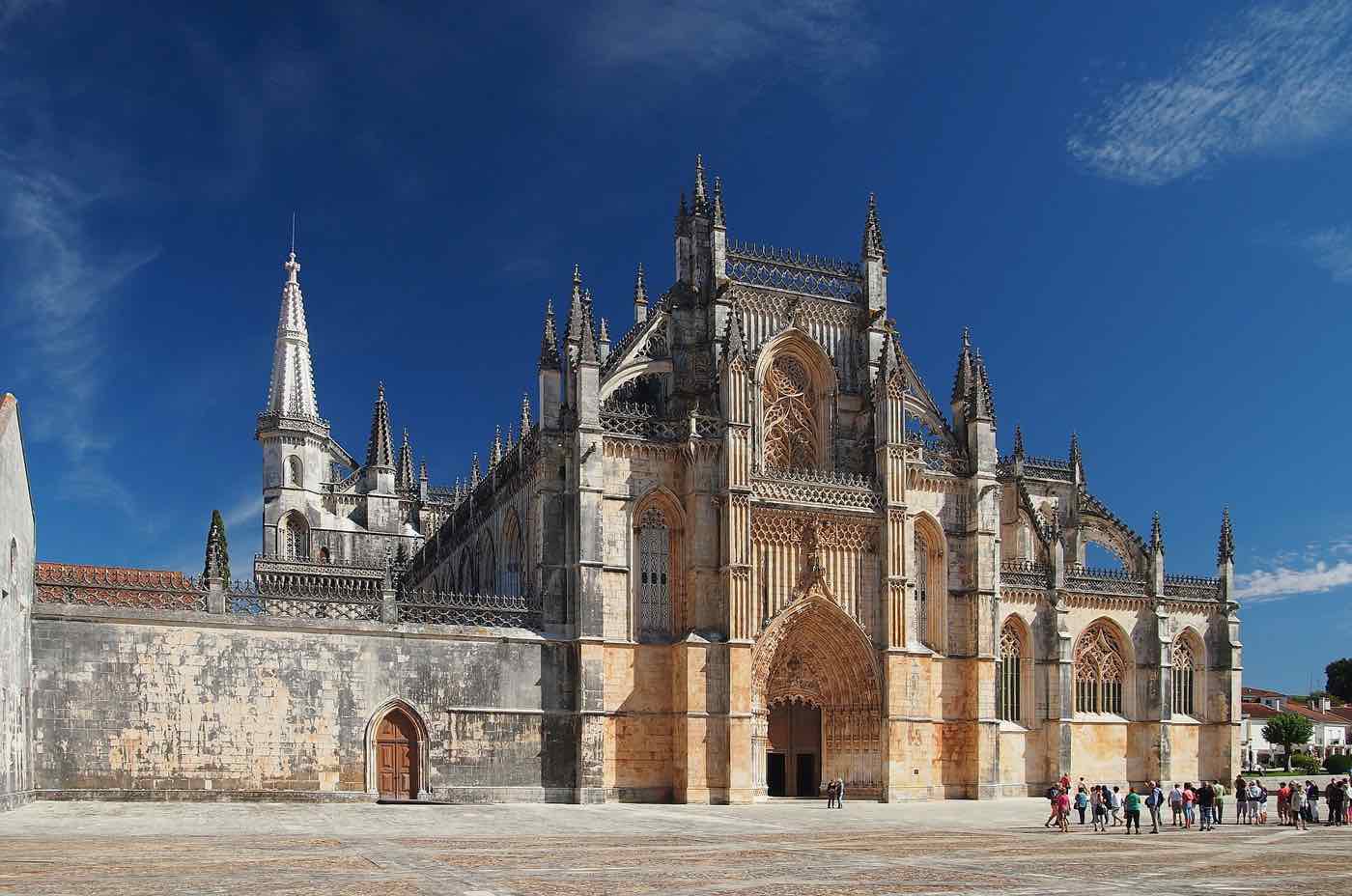
This is the big cultural day trip north of Lisbon. Three destinations, each UNESCO-listed, and each impressive enough to be its own day trip. Bundled together, they make for a long but deeply rewarding day.
Fátima is one of the most important Catholic pilgrimage sites in the world. Every year, millions of pilgrims travel here to the Sanctuary of Our Lady of Fátima, where three shepherd children reported apparitions of the Virgin Mary in 1917. Even if you’re not religious, the scale of the place, the silence, and the sheer number of people seeking something real here is worth experiencing.
Mosteiro da Batalha is one of the finest examples of Portuguese Gothic architecture in existence. It was built to commemorate Portugal’s victory over Castile at the 1385 Battle of Aljubarrota, a defining moment in Portuguese history. The construction took almost a century to complete, which tells you everything about the level of detail involved. The main church is free to enter; the paid sections (Founders’ Chapel, cloisters, and the Unfinished Chapels) cost around €7.50 and are well worth it.
Alcobaça Monastery is equally stunning. Founded in the 12th century, this Cistercian masterpiece is home to the tombs of King Pedro I and Inês de Castro, one of the most dramatic love stories in Portuguese history. Entry costs around €10. The interior is vast, serene, and genuinely moving.
How to get to Fátima, Batalha & Alcobaça from Lisbon ℹ️
This trio is most practical by car or organised tour. Driving from Lisbon to Fátima takes about 1h15. From there, Batalha is 12km and Alcobaça is 20km further. The road between them is straightforward.
By bus: Rede Expressos runs from Sete Rios to Fátima (about 1h20, around €12.80 one way). Getting between Batalha and Alcobaça by public transport is possible but requires careful timing and patience. For a day covering all three, a car or a guided tour is the smarter call.
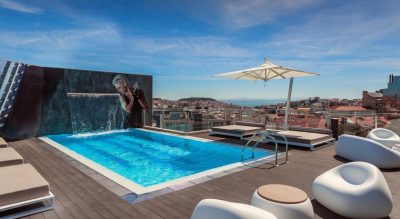
Charmingly music-themed hotel, super close to the center. Oh, it comes with a stunning rooftop swimming pool.
9 Évora

This is one of the longer day trips on this list, but it’s among the most rewarding. Évora is a historic city at the heart of Alentejo, packed with national treasures: a stunning aqueduct, the Templo Romano de Diana (a remarkably well-preserved Roman temple), and the Capela dos Ossos, a chapel whose walls are lined with real human bones. Yes, real ones.
Going to Évora is also stepping into the slow rhythm of Alentejo, a region of vast olive tree fields, scorched plains fading into the horizon, and a lifestyle that draws you in.
One important note: if you struggle with heat, avoid Évora in July and August. Alentejo temperatures regularly hit 35°C or higher.
How to get to Évora from Lisbon ℹ️
The best option is the 1h30 intercity train (IC) from Entrecampos or Sete Rios. Buses from ALSA or Rede Expressos take about an hour longer. Driving takes around 1 hour.
10 Palácio Nacional de Queluz

Queluz National Palace is one of the most lavish Neo-Classic palaces in Europe and has been nicknamed the “Portuguese Versailles”. It features French-style gardens with caves, statues, fountains, canals, and waterfalls, alongside sumptuous interiors that justify every euro of the entry fee (around €10 for adults).
Initially built as a summer residence for the Portuguese royal family, it became their permanent home between 1794 and their escape to Brazil during the French Invasions in 1807. The area of Queluz itself is not particularly exciting, but the palace absolutely deserves a visit.
How to get to Queluz from Lisbon ℹ️
The CP train to Sintra from Rossio station stops at Queluz-Belas. From this station, it’s a 14-minute walk to the Palace grounds. Easy to combine with a Sintra trip.
I’ve made the hard work for you. This is a pre-filtered list of hotels in the best areas to stay in Lisbon.
11 Serra da Arrábida Natural Park
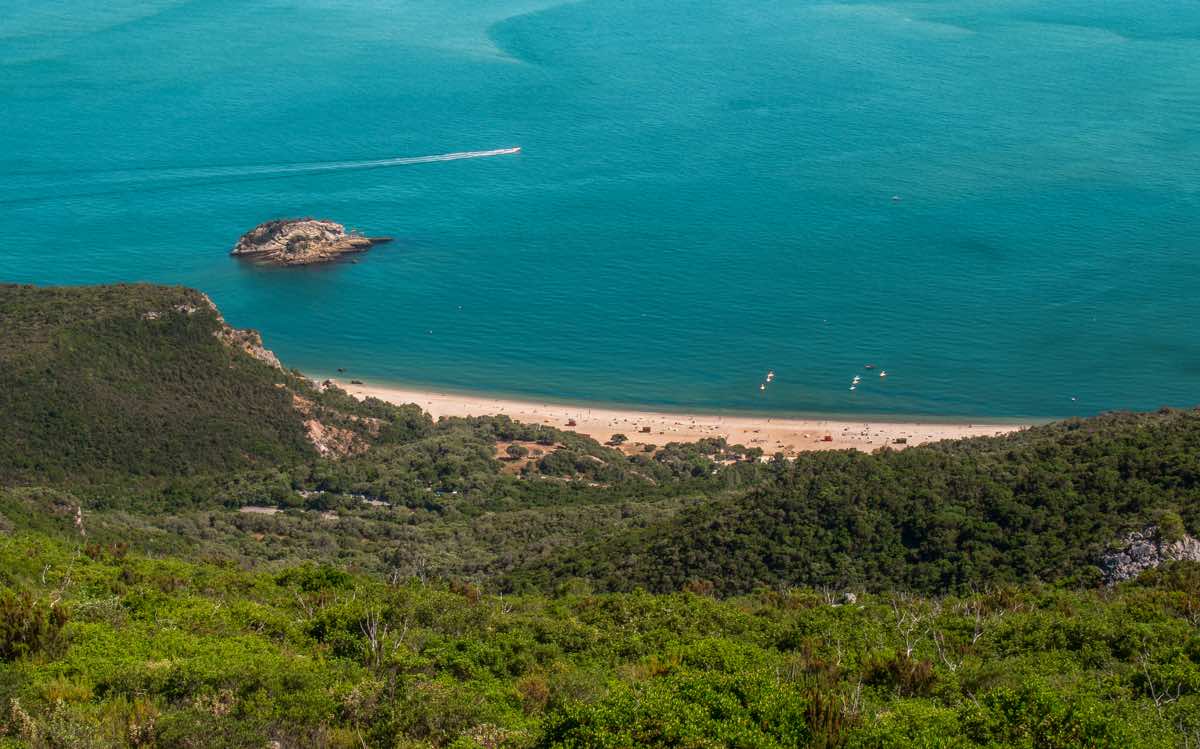
Serra da Arrábida had to be on this list. It’s one of the most spectacular landscapes in Portugal and one of my personal favourites. This natural park’s wild mountainscape is home to hiking trails, diverse wildlife, and views that genuinely make you stop the car and stare. For the most dramatic scenery, follow the winding N379-1 to Cabo Espichel.
Arrábida is also famous for its beaches. The white sand and turquoise clear water at Praia dos Galapinhos and Portinho da Arrábida look more like the Mediterranean than the Atlantic and are worth every kilometre of the drive.
How to get to Arrábida from Lisbon ℹ️
You need a car to get to Arrábida. To protect this area, cars are not allowed near the beaches between June 15 and September 15. You’ll have to park in one of two designated lots: one just before Praia da Figueirinha, and one above Praia do Creiro.
Compare car rental prices in Lisbon before you book.
12 Mafra & Ericeira

Mafra is a small Portuguese town 40 kilometres from Lisbon that is home to one of Europe’s largest and most extravagant palaces: Palácio Nacional de Mafra. Initially commissioned by King João V as a “simple” monastery, the plans escalated spectacularly and ended up becoming an opulent royal palace, a basilica, a convent, and even a game reserve. Portugal was flush with Brazilian gold at the time and it shows.
Just 12 kilometres west of Mafra, the picturesque town of Ericeira has a series of sandy beaches popular with surfers and day-trippers, as well as some of the best seafood restaurants in the country. A perfect pairing.
How to get to Mafra from Lisbon ℹ️
The easiest way is by car, combining Mafra with Ericeira at your own pace.
Mafrense also has bus services departing from Campo Grande in Lisbon to both towns.

Enjoy Lisbon to the fullest.
13 Tróia
Tróia is a rather posh holiday resort at the tip of the sand strip separating the Sado Estuary from the Atlantic Ocean. Besides the cliffs and marina, there are modern facilities, bike rentals, and a golf course. The main draw is the pristine beaches with stunning views of the Arrábida Natural Park on the horizon.
Along the coast you can also spot wild dolphins. For the best experience, Vertigem Azul runs sustainable dolphin-watching tours that take you into the Sado Estuary to find the resident pod.
How to get to Tróia from Lisbon ℹ️
Tróia is accessible by ferry from Setúbal, a coastal city that is just a 40-minute drive, 50-minute bus, or 55-minute train ride from Lisbon.
If you have a car, you can drive south along the peninsula and continue to Comporta.
14 Berlengas
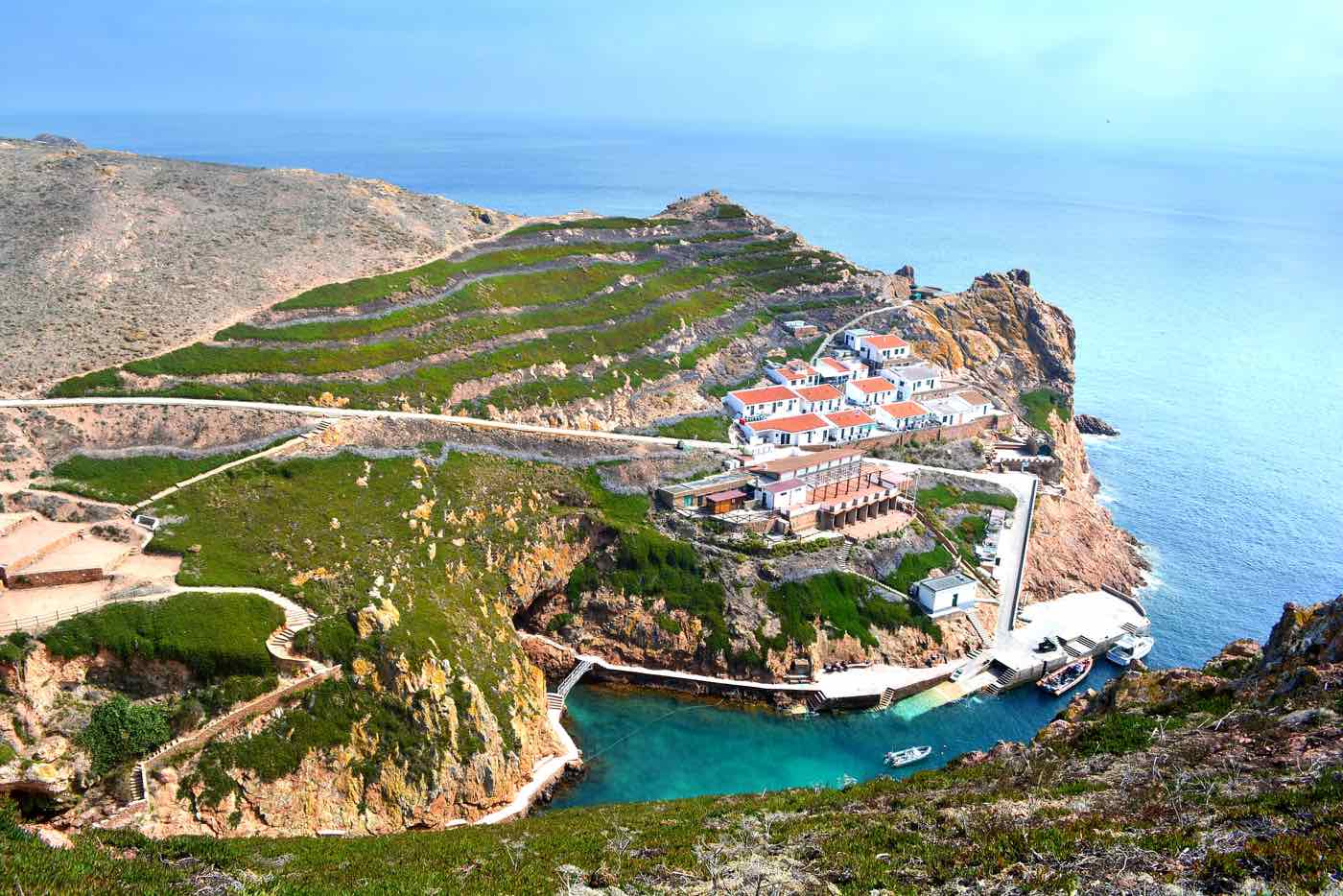
The Nature Reserve of Berlengas is a stunning day trip for those who want wild nature, ocean views, and serious quiet. There’s world-class snorkelling, diving, birdwatching, and kayaking just 10 kilometres off the coast of Peniche.
On Berlenga Grande, venture out to São João Baptista Fortress, arguably the most photogenic fortress in Portugal, or simply swim in the crystal-clear waters of Carreiro do Mosteiro Beach.
How to get to Berlengas from Lisbon ℹ️
Take the bus or drive to Peniche (about 1h20 from Lisbon, great surfing spot in itself) and then hop on the boat to Berlenga Grande.
Boats only operate from May to September, as the seas are too rough in winter. Book your ticket in advance. Several operators run this route, including ViaMar.
Day trips from Lisbon: car or public transport?
The honest answer is: it depends on where you’re going.
You can reach Sintra, Cascais, Setúbal, Évora, and Queluz comfortably by train. Óbidos and Nazaré are doable by bus with some planning. But Arrábida, Comporta, and the Fátima/Batalha/Alcobaça circuit really require a car to do properly.
A car also lets you combine two or three stops on the same day and explore at your own pace, which is often how the best days happen.
Before renting a car in Lisbon, always compare prices across multiple providers to get the best deal.
Where to stay in Lisbon
Buildings in Lisbon’s old neighbourhoods have been converted into short-term rentals, which has pushed local rents to levels most Portuguese residents simply can’t afford.
If possible, book a hotel or guesthouse rather than an apartment. It has less impact on the local housing market.
Find your place to stay in Lisbon, on a map:
Booking.comBest areas to stay in Lisbon
Alfama and Castelo are entirely packed with tourists. Intendente and Anjos are cheaper but can have occasional safety concerns and aren’t the most pleasant areas to base yourself.
I’d also skip Bairro Alto (very noisy at night) and Martim Moniz.
Aim for the central axis: São Sebastião, Marquês, Avenida, Restauradores, Baixa, and Príncipe Real. These are all excellent for shops, restaurants, and transport connections.
Value-for-money places to stay in Lisbon
Charmingly music-themed hotel, super close to the center. Oh, it comes with a stunning rooftop swimming pool.
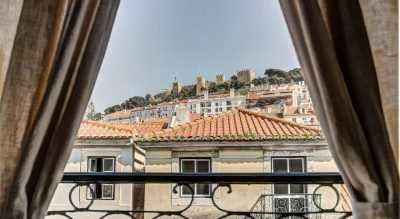
Located in busy Rossio, the heart of Lisbon. One of those amazing value places that makes you feel at home. Perfect for making friends.
Wrapping up: how to plan your Lisbon day trips
There are 14 destinations on this list, which is more than two weeks of travel if you tried to do them all. You won’t. But having this map in your pocket means you can always find something brilliant within an hour of Lisbon, whatever kind of day you’re in the mood for.
The quick decision guide: head to Sintra for palaces and mystery, Cascais for coast and ease, Setúbal or Arrábida for beaches that genuinely look fake, Évora for serious history, and Nazaré if you want to watch the ocean do something ridiculous.
Use the map at the top to plan your combinations, and remember to take enough time to explore Lisbon itself before you venture out. The city has plenty of local gems and hidden spots that deserve at least three full days.
Frequently asked questions about day trips from Lisbon
What is the best day trip from Lisbon?
Sintra is the best day trip from Lisbon for most visitors. It combines UNESCO-listed palaces, mysterious gardens, and misty mountain scenery just 40 minutes from the city by train. For beaches, Cascais and Costa de Caparica are the easiest options. For history and culture, Évora and the Fátima/Batalha/Alcobaça circuit are hard to beat.
Can I do day trips from Lisbon without a car?
Yes. Sintra, Cascais, Setúbal, and Évora are all easily reached by train. Óbidos and Nazaré are accessible by bus with some planning. However, Serra da Arrábida, Comporta, and the northern monastery circuit are significantly harder without a car, and a rental gives you far more flexibility overall.
How far is Sintra from Lisbon?
Sintra is about 35 kilometres northwest of Lisbon. The train from Rossio station takes approximately 40 minutes and costs €2.45 each way with a Viva Viagem card. Trains run every 15-20 minutes throughout the day.
Is Évora worth a day trip from Lisbon?
Évora is absolutely worth it, though it’s one of the longer day trips at around 1.5 hours by train. The Roman temple, the Bone Chapel, and the broader Alentejo atmosphere make it unlike anything else near Lisbon. Avoid going in July or August if you’re sensitive to heat, as temperatures regularly exceed 35°C.
What is the easiest beach day trip from Lisbon?
Cascais is the easiest beach day trip from Lisbon. It’s a 40-minute direct train from Cais do Sodré, has beaches right in the town center, and offers plenty of restaurants and cafes. For wilder, more spacious beaches, Costa de Caparica (30 minutes by bus) or Sesimbra (1 hour by bus) are both excellent options.
Is Nazaré worth visiting from Lisbon?
Nazaré is worth the trip, especially between October and March when the giant waves at Praia do Norte make it one of the most dramatic spectacles in European surfing. Outside of surf season, the town is charming on its own merits: a crescent beach, fresh seafood, and a clifftop viewpoint at Sítio that overlooks the whole bay. It pairs well with Óbidos as a full-day trip.
Useful resources to plan your day trips
- Car rental comparison in Lisbon
- CP – public train operator in Portugal
- Pre-selected list of the best hotels in Lisbon
- Fertagus – trains to the south margin of the Tagus
- Rede Expressos – coach buses in Portugal
- Rodoviária do Oeste – buses to Óbidos and the west
- Transportes Sul do Tejo – buses to the south margin
- Transtejo – ferries on the Tagus