
São Miguel is the must-do for every first-time visitor. For 7 days or less, stay there and go deep. For 10 days, add Pico and use it as a base to day-trip Faial. For 2 weeks, bring in São Jorge for the dramatic fajãs. For 3 weeks, layer in Flores and Terceira. The #1 mistake is cramming too many islands into too few days. Slow down. The Azores rewards patience.
Planning an Azores trip sounds simple until you open a map and realise the islands are spread across 600 kilometres of open ocean. Suddenly, which islands to visit in the Azores becomes the most stressful question of your entire trip. I get it. As an Azorean who has spent years showing these islands to visitors, I’ve watched FOMO destroy more than a few perfectly good itineraries.
This guide gives you an honest, no-fluff overview of all 9 islands, including which ones are worth the detour and which ones you can save for a second trip. I’ve also built out sample itineraries for 7, 10, 14, and 21 days so you can stop overthinking and start packing.
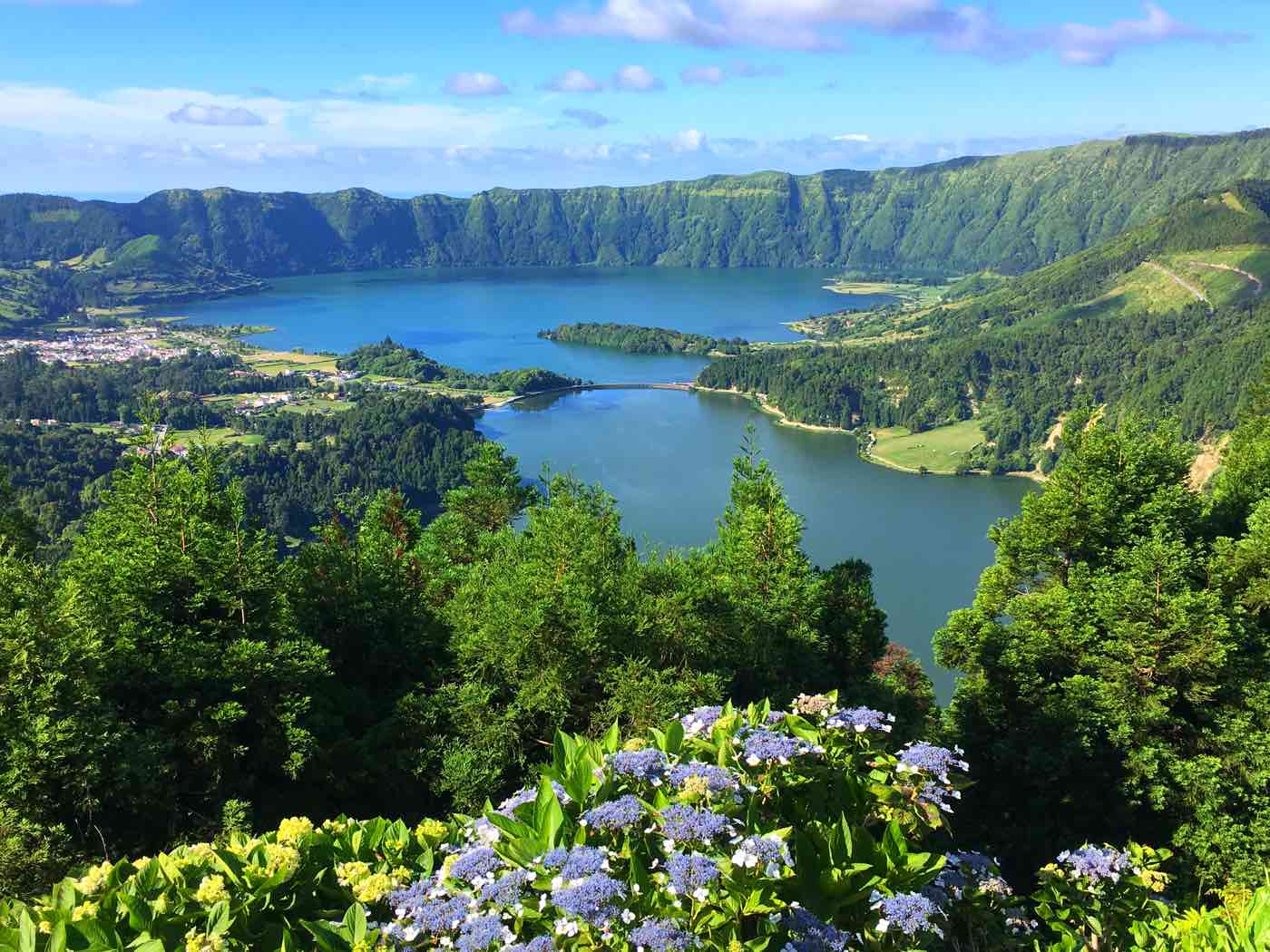
What are the Azores and where are they?
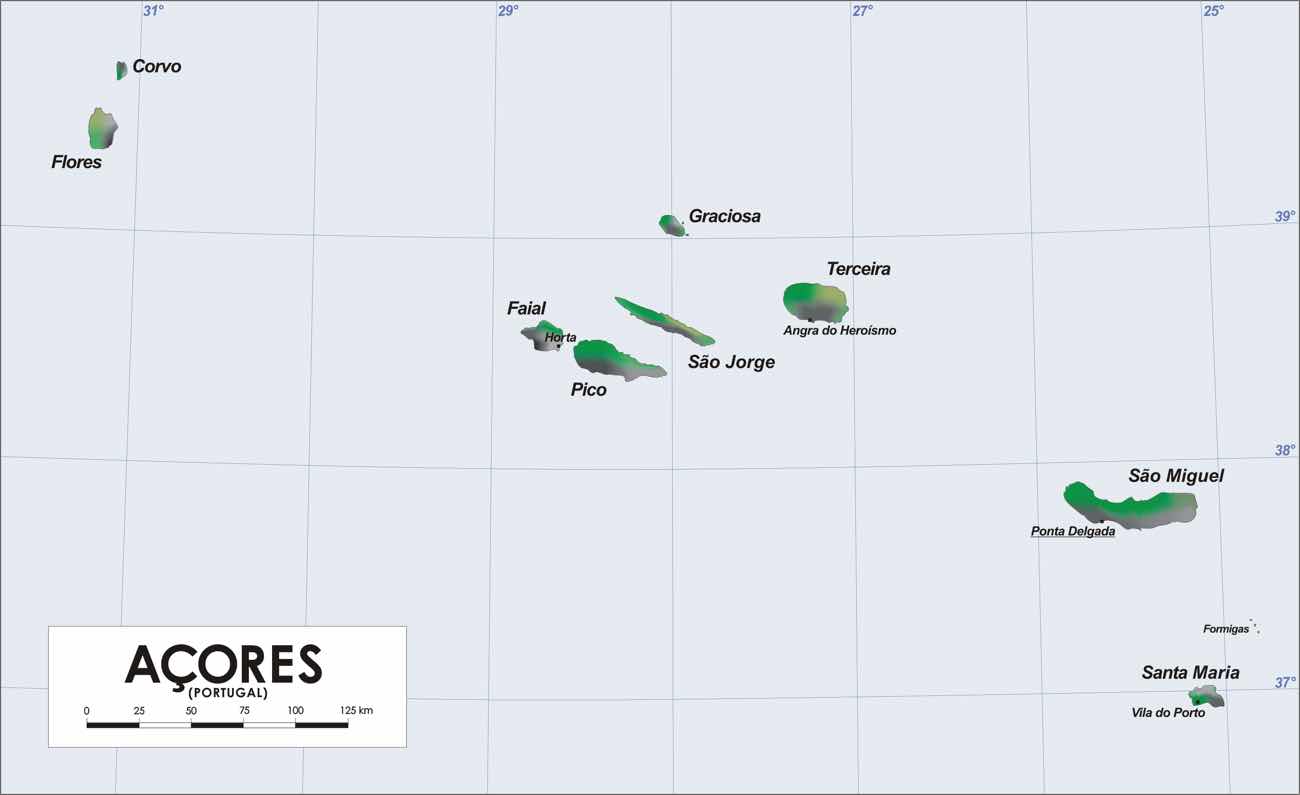
The Azores are a Portuguese archipelago of 9 volcanic islands sitting in the North Atlantic Ocean, roughly 1,500 km west of Lisbon. They’re divided into three geographical groups: the Eastern Group (São Miguel and Santa Maria), the Central Group (Terceira, Graciosa, São Jorge, Pico, and Faial), and the Western Group (Flores and Corvo).
The islands are known for raw, untouched landscapes: crater lakes, hot springs, hiking trails, waterfalls, lava caves, and green pastures that look like screensavers. Tourism here is growing fast but the archipelago still has a remote feel, especially on the smaller islands. Do not expect all-inclusive resorts or a strong nightlife. before you book anything.
You can fly direct to the Azores from mainland Portugal, the US, Canada, and several European countries. Most international flights land in São Miguel (Ponta Delgada) or Terceira (Lajes) airports. From there, SATA Air Açores handles inter-island flights, and Atlântico Line operates the ferries.
Here’s the single most important thing I tell every visitor: the Azores are not built for speed. An itinerary that looks doable on paper will eat you alive in logistics, weather delays, and inter-island flights that cost more than you expect.
Planning your trip to the Azores
First things first: logistics.
Booking your flight
Most visitors fly into Ponta Delgada (PDL) in São Miguel or Lajes (TER) in Terceira. Direct transatlantic flights operate from Boston, Toronto, Montreal and New York to PDL with Azores Airlines.
From Europe, you’ll find direct options from Lisbon, Porto, Paris, Barcelona, Frankfurt, and a growing list of other cities. More info on my Azores flights guide.
Booking a hotel
I’ve curated a pre-filtered list of top-rated hotels, guesthouses, and villas across the islands, all with strong reviews, parking included, and free cancellation options. Check my best oceanfront hotels in the Azores guide as a starting point, or explore by island below.
Booking a car
Public transport on most islands is minimal and designed around local commutes, not tourist itineraries. Taxis and tours work but add up quickly. Renting a car is by far the best way to explore, and an island road trip only adds to the experience. Compare prices across local and international agencies before committing, and book as early as possible for summer travel.
Which Azores island should you visit based on your travel style?
The right island depends a lot on what you’re actually looking for. Here’s a quick decision guide before we go island by island:
| Travel style | Best island(s) | Why |
|---|---|---|
| First-time visitor ⭐ | São Miguel | Best infrastructure, most things to do, easiest to reach |
| Hikers and outdoor adventurers 🥾 | São Jorge, Flores, Pico | Dramatic trails, fajãs, waterfalls, volcano summit |
| Beach seekers 🏖️ | São Miguel, Santa Maria | The only island with white sand beaches and reliable sun |
| Wildlife and whale watching 🐋 | Pico, Faial | Likely best cetacean sightings in Europe |
| Food and wine lovers 🍷 | Pico, Terceira | UNESCO vineyards, alcatra, São Jorge cheese |
| History and culture ⛪ | São Miguel, Terceira | UNESCO city of Angra do Heroísmo, festivals, colonial architecture |
| Remoteness and off-grid feel ⛰️ | Corvo, Graciosa, Flores | Edge-of-the-world atmosphere, barely any tourists |
| Couples / slow travel 💕 | Pico, São Jorge | Quiet, dramatic landscapes, great local food and wine |
The 9 islands of the Azores
Corvo

Island size doesn’t matter when it comes to delivering stunning landscapes.
Let’s start small. With a population of around 420, Corvo is the tiniest island in the Azores. The entire island is an extinct volcano, shaped by its own ancient eruptions. Fun fact: electricity only arrived here in 1973.
Don’t let the size fool you. This remote and peaceful island is a UNESCO Biosphere Reserve with protected waters that make it one of the best spots in the Azores for snorkeling and diving. It’s also a hotspot for birdwatching. Most visitors come simply for the novelty of setting foot on one of the most remote inhabited places in Europe.
⭐ Top Attraction: Caldeirão. The crater of Corvo’s extinct volcano, with an incredible sunset if the weather plays along.
✈️ Getting there by plane: Small airfield with flights to Faial and Flores.
🛥️ Getting there by boat: Atlântico Line ferry to Flores runs daily in summer, twice a week in winter. About 45 minutes. Book ahead.
🏨 Where to stay: Hotel Comodoro. Not many choices here.
🏌️ 3 activities to try: Birdwatching, diving, hiking.
👌 Go here if: you want to experience what true remoteness feels like.
📅 Recommended nights: 0 (day trip from Flores) or 1
Flores

Green is greener in Flores.
The westernmost territory in Europe, Flores is raw, exotic, and far off the tourist radar. The entire island is a UNESCO Biosphere Reserve, with dozens of waterfalls, crater lakes, and dramatic rock formations. Lush hills, vibrant hydrangeas along every road, and a landscape that makes you feel like you’ve reached the edge of the world.
I loved my time here. It connected me to nature in a way that’s hard to replicate on the more visited islands. If your adventurous side needs feeding, Flores will take care of it. Read other things to do in Flores for a memorable trip.
⭐ Top Attraction: Poço da Alagoinha. Massive waterfalls surrounded by lush mountains and rock formations, one of the most breathtaking natural scenes in the Azores.
✈️ Getting there by plane: Small airfield with flights to other islands, about 1h10 to Ponta Delgada.
🛥️ Getting there by boat: Connected to Corvo year-round and to Faial in summer via Atlântico Line.
🏨 Where to stay: Aldeia da Cuada is the prime spot but Sítio da Assumada. is also a solid option.
🏌️ 3 activities to try: Birdwatching, canyoning, hiking.
👌 Go here if: you like nature at its rawest form.
📅 Recommended nights: At least 3
Terceira
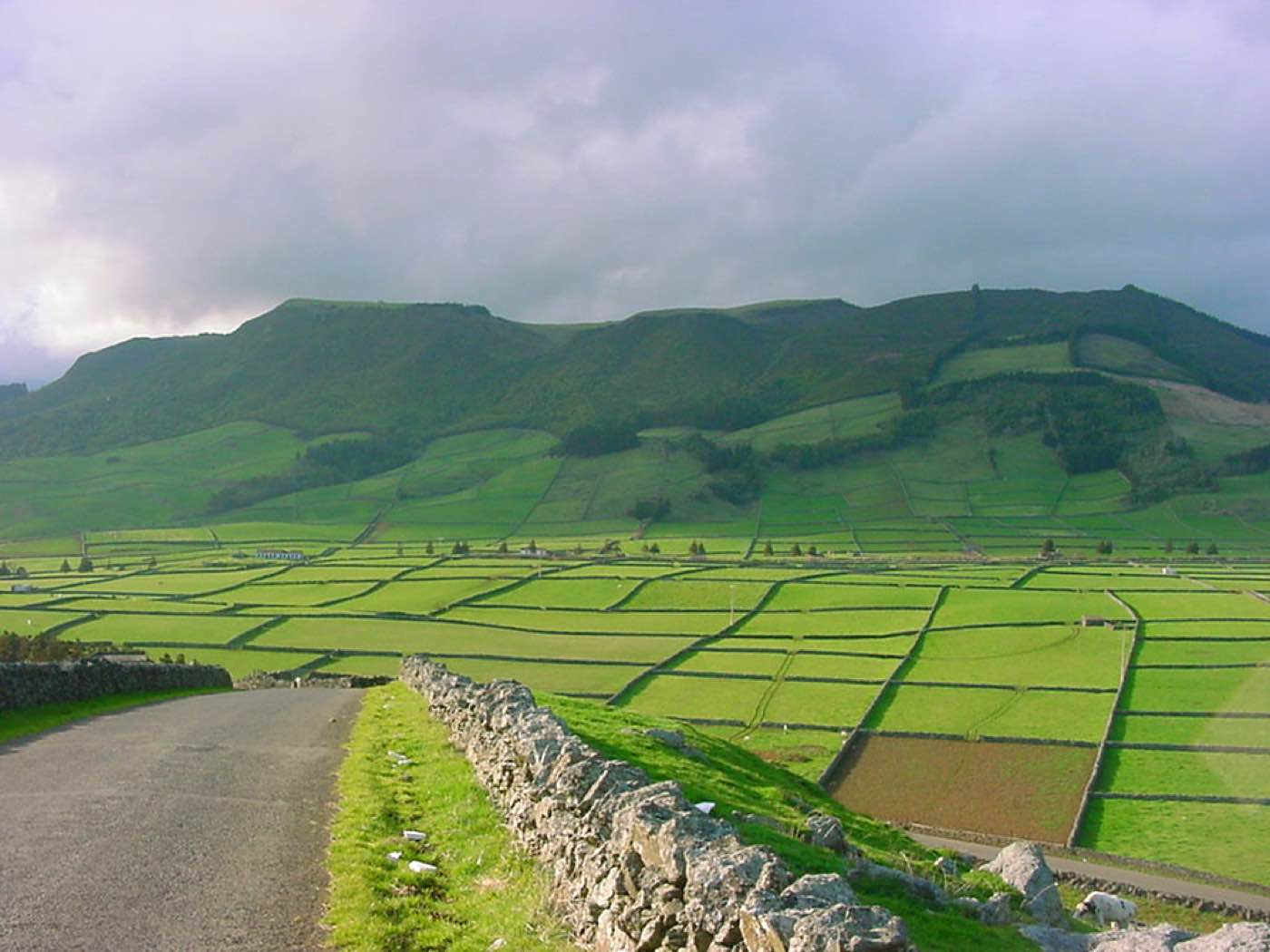
Pastures made cool.
With the second-largest population after São Miguel, Terceira is the closest the Azores gets to a proper urban experience. The biggest draw is Angra do Heroísmo, a UNESCO World Heritage city with colourful colonial architecture, cobbled streets, and a harbour that’s been welcoming ships since the Age of Discoveries.
Beyond the city, head inland for the dramatic patchwork pastures of Serra do Cume, the volcanic chimney of Algar do Carvão (one of the most impressive caves in the Azores), and some of the best diving in the archipelago around centuries-old shipwrecks. Terceira is also famous for its food scene, anchored by the island’s signature dish: alcatra, a slow-cooked beef stew that deserves its own trip.
Terceira is also the only island where you can fly direct to the US alongside São Miguel, which makes it a smart entry or exit point if you’re planning a multi-island open-jaw itinerary.
⭐ Top Attraction: Angra do Heroísmo. A UNESCO World Heritage city with colourful buildings and a historic harbour.
✈️ Getting there by plane: Well connected to most other islands, mainland Portugal, and directly to the US.
🛥️ Getting there by boat: In summer months, connected directly to Graciosa, São Jorge, and São Miguel via Atlântico Line.
🏨 Where to stay: The Shipyard looks great but I’m faithful to Terceira Mar Hotel. Both in Angra.
🏌️ 3 activities to try: Diving, speleology, paragliding.
👌 Go here if: you’re looking for history, killer food, and a base with real city energy.
📅 Recommended nights: At least 2
Graciosa
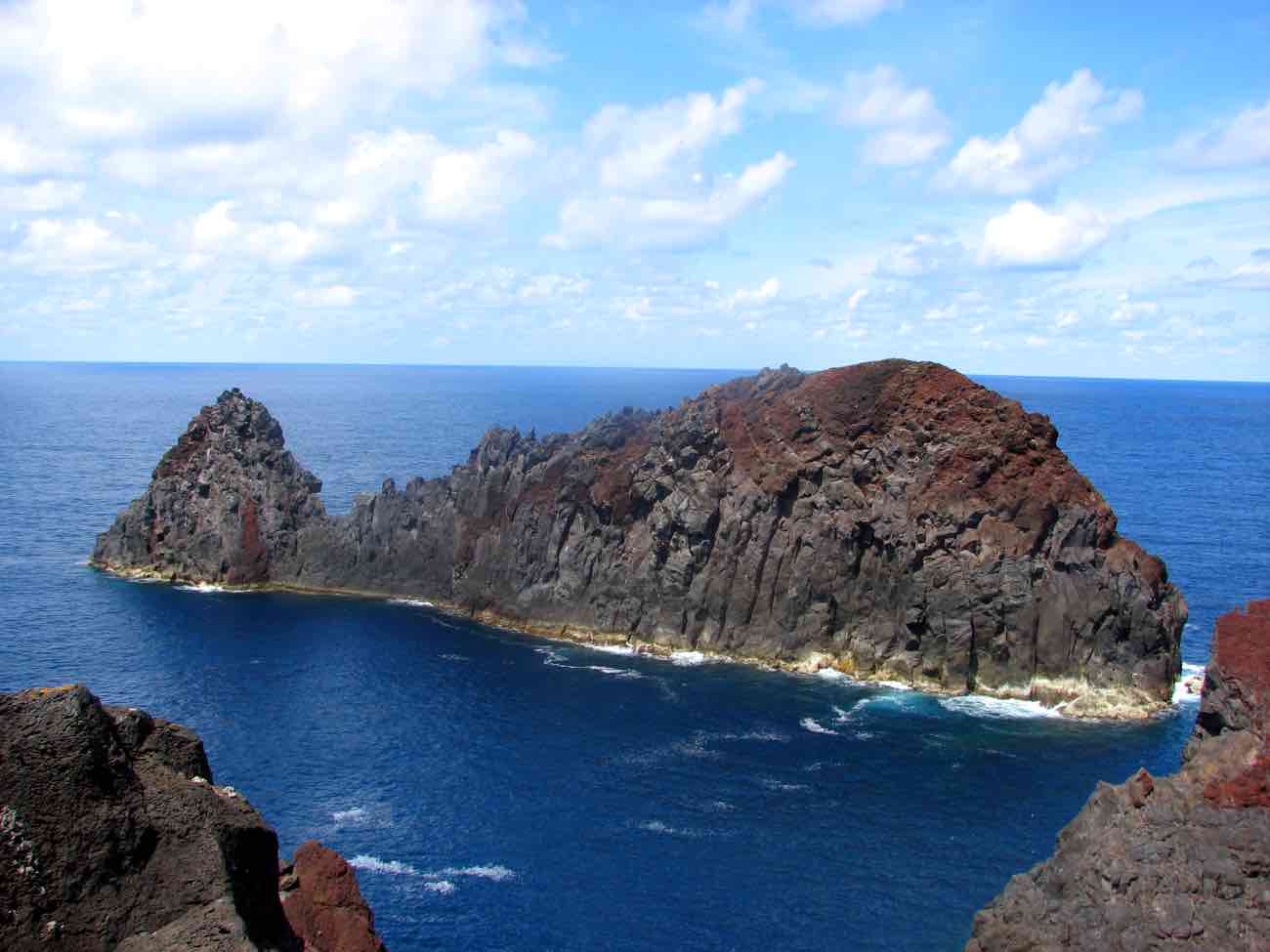
Authenticity over everything.
Remember when I said not every island in the Azores is worth a detour for a first-time visitor? Well unless you have a full month to island-hop, Graciosa is probably the one to skip first. (Graciosa, if you’re reading this, you’re lovely. It’s just logistics.)
That said, I want to be fair here. Graciosa has a genuine charm that’s rare even in the Azores. It’s a UNESCO Biosphere Reserve where farmers still get around on donkey, traditions run deep, and life moves at a pace that feels almost therapeutic. If off-the-beaten-track authenticity is your thing, Graciosa delivers. It’s just that when you weigh what’s there to do against the effort and cost of getting there, most first-timers are better off spending those days elsewhere.
⭐ Top Attraction: Carapacho. Natural thermal pools reaching 40°C for a therapeutic soak.
✈️ Getting there by plane: Connections from Terceira and São Miguel.
🛥️ Getting there by boat: In summer, Atlântico Line from Terceira and São Jorge.
🏨 Where to stay: Casa da Beira Mar.
🏌️ 3 activities to try: Diving, fishing, speleology.
👌 Go here if: you want to escape the crowds and experience the full authentic Azores.
📅 Recommended nights: 2
São Jorge
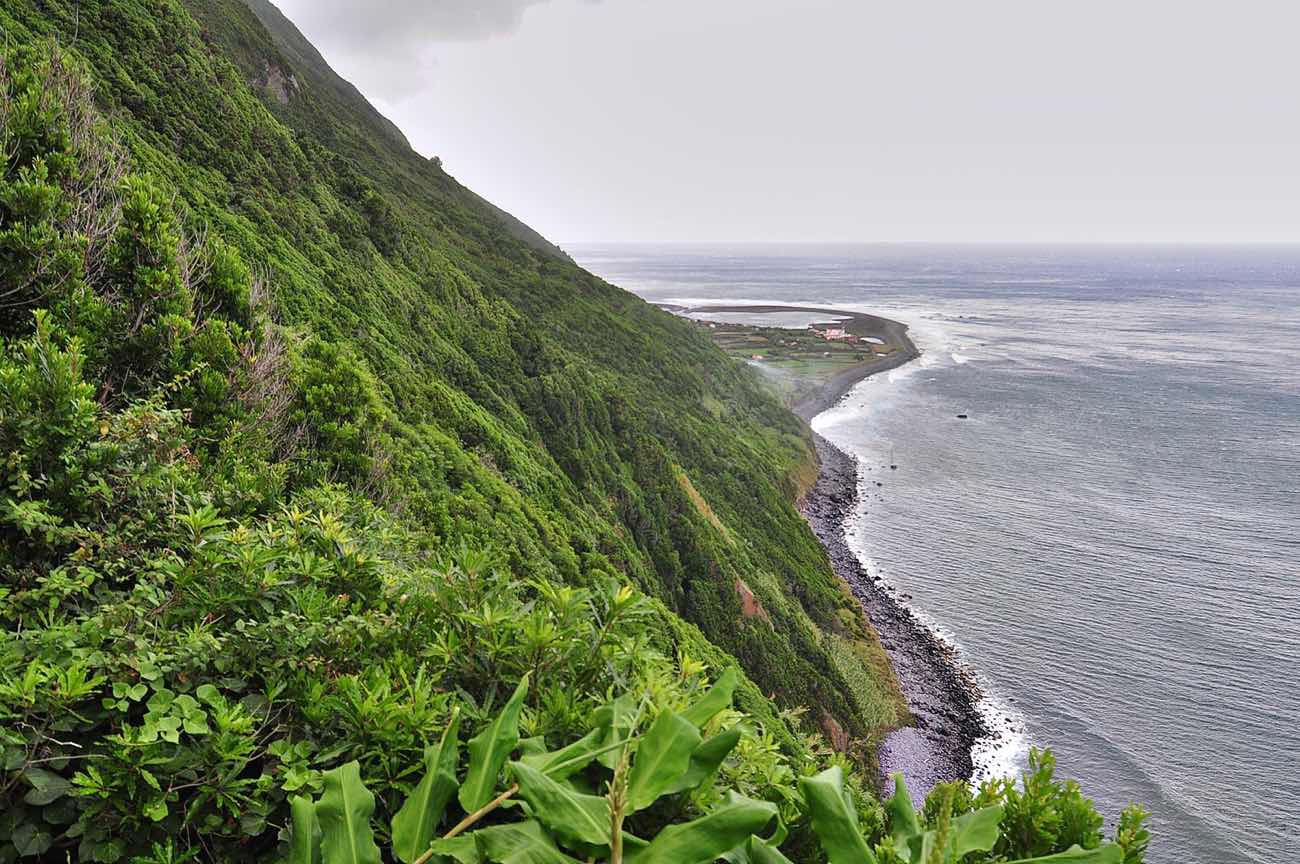
The kind of view that gives you chills.
São Jorge is a narrow island, only 8 km wide, but it packs some of the most dramatic landscapes in the entire archipelago. Almost vertical coastlines drop into the Atlantic, interrupted by flat plains formed by ancient lava flows called fajãs. These tiny coastal plateaus, accessible only by steep trails, feel like secret worlds cut off from everything else.
The island is also the birthplace of Queijo de São Jorge, the archipelago’s most famous cheese. Unpasteurised, aged, and deeply flavourful, it’s the kind of thing you’ll miss when you get home. Don’t leave without eating embarrassing amounts of it.
⭐ Top Attraction: Fajã da Caldeira de Santo Cristo. Majestic scenery and some of the best surfing and bodyboarding waves in Europe.
✈️ Getting there by plane: Direct flights from Terceira and São Miguel with SATA Air Açores.
🛥️ Getting there by boat: Connected year-round to Faial and Pico, and in peak season to Terceira and Graciosa.
🏨 Where to stay: Some great options with sea view, I loved Intact Farm Resort and Quinta do Canavial.
🏌️ 3 activities to try: Hiking to the fajãs, surfing, mountain biking.
👌 Go here if: you want some of the most dramatic landscapes in Europe.
📅 Recommended nights: At least 22–3
Pico
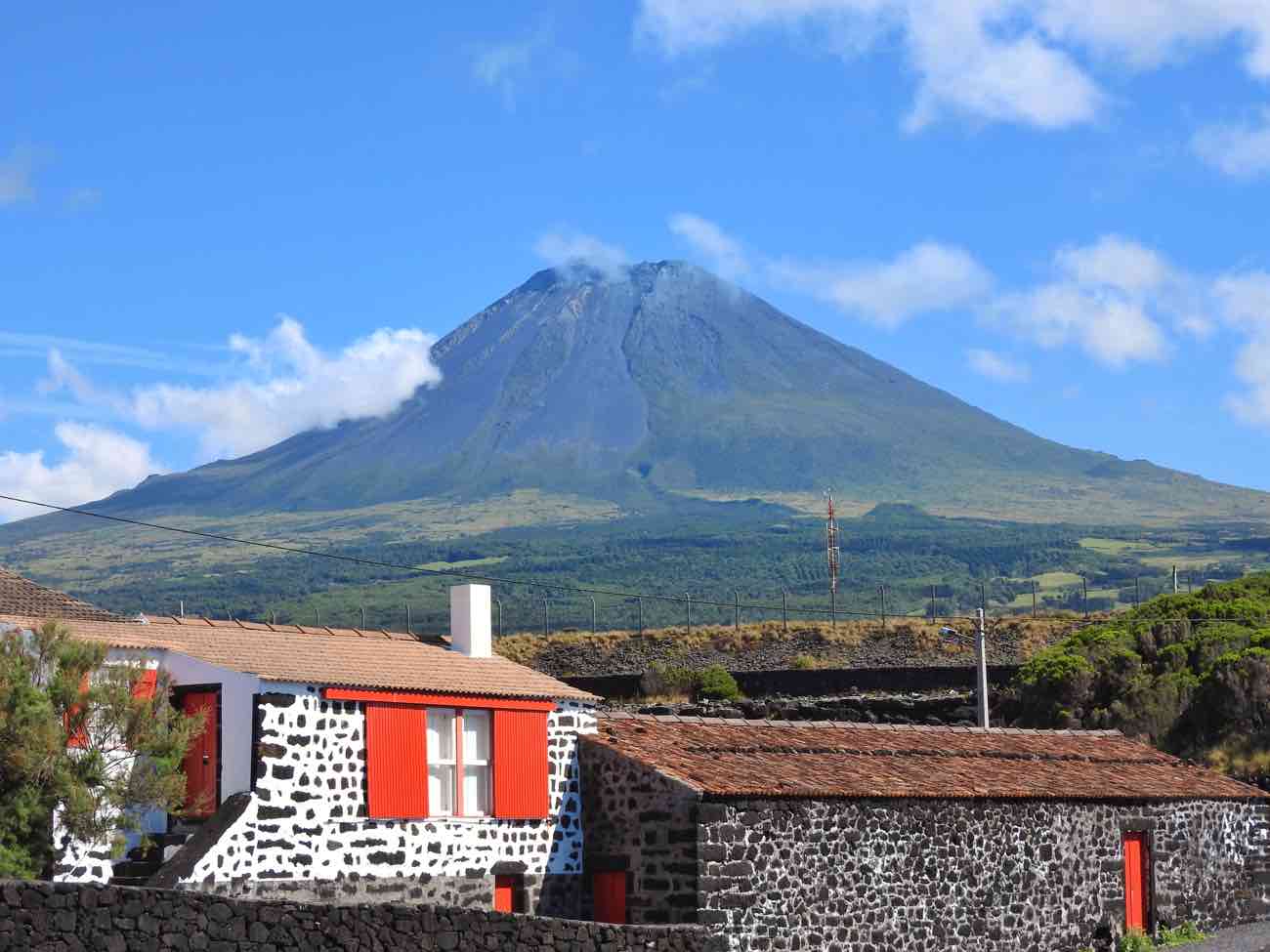
Pico in a nutshell.
The landscape of Pico is owned by Mount Pico, the highest peak in Portuguese territory at 2,351 metres. This volcano isn’t just a backdrop. It defines the entire island’s character: dramatic, volcanic, a little severe, and endlessly rewarding.
The island is home to UNESCO World Heritage vineyards where vines literally grow between lava rocks stretching all the way to the ocean. Whale watching here is some of the best in the world, replacing the old whaling tradition, which feels like the right trade. There are also century-old volcanic caves and tidal pools to explore. My complete Pico island guide covers everything in detail.
The smart move for most people: stay in Pico and use it as your base for the Triangle islands. The ferry to Faial takes about 30 minutes from Madalena. The ferry to São Jorge takes about 1 hour from São Roque. Doing both as day trips from Pico saves you the cost and hassle of moving accommodation three times. It’s the tip I wish more people knew before they booked.
⭐ Top Attraction: Mount Pico. At 2,351m it’s Portugal’s highest peak. The hike takes at least 5 hours total and a guide is recommended. Weather permitting, the views over the Atlantic and neighbouring islands are fantastic!
✈️ Getting there by plane: Well connected to other islands and with direct flights from Lisbon.
🛥️ Getting there by boat: Atlântico Line runs year-round between Faial, Pico, and São Jorge. The Pico–Faial crossing is only 30 minutes.
🏨 Where to stay: Some of the most amazing places to stay in Azores are in Pico. Examples: Aldeia da Fonte and Lava Homes. I also stayed at Adegas do Pico – stunning scenery!
🏌️ 3 activities to try: Whale watching, hiking Mount Pico, wine tasting in the UNESCO vineyards.
👌 Go here if: you want mountain, ocean, and wine in one package.
📅 Recommended nights: At least 3–4
Faial
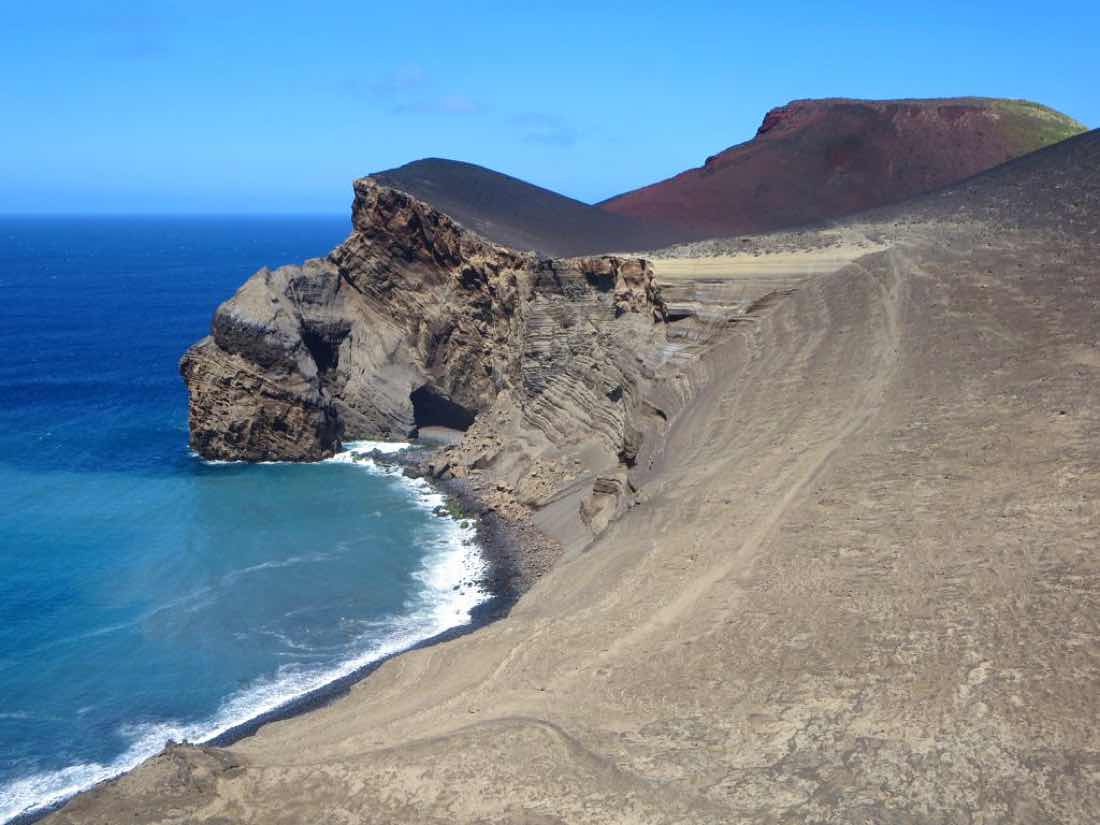
Faial gained a bit of land after its last volcanic eruption.
Some people say the best part of Faial is the view of Pico across the water. (The shade is real.) But Faial has plenty going for it on its own terms.
The Capelinhos volcano area is one of the most otherworldly landscapes in the Azores. The last eruption in 1957 extended the island by about 3 square kilometres and the resulting moonscape around the old lighthouse still feels like it belongs on another planet. The Caldeira crater hike is another highlight, with views across to Graciosa, São Jorge, and Pico on a clear day.
Then there’s Horta. The marina has been a pivotal stopping point for transatlantic sailors for centuries. Walk the breakwater and you’ll see thousands of hand-painted boat insignias from sailors who passed through. It’s a living sailors’ guestbook and unlike anything else in the Azores.
⭐ Top Attraction: Capelinhos. The 1957 eruption extended the island and left a volcanic landscape that looks like the surface of the moon.
✈️ Getting there by plane: Direct flights from São Jorge, São Miguel, Terceira, and Lisbon.
🛥️ Getting there by boat: Atlântico Line runs year-round to Pico and São Jorge. In summer, also to Flores.
🏨 Where to stay: Quinta Torcaz.
🏌️ 3 activities to try: Sailing, whale watching, hiking the Caldeira.
👌 Go here if: you want the most recent trace of a volcanic eruption and one of the best marinas in the Atlantic.
📅 Recommended nights: 1–3 (can be done as a day trip from Pico)
São Miguel
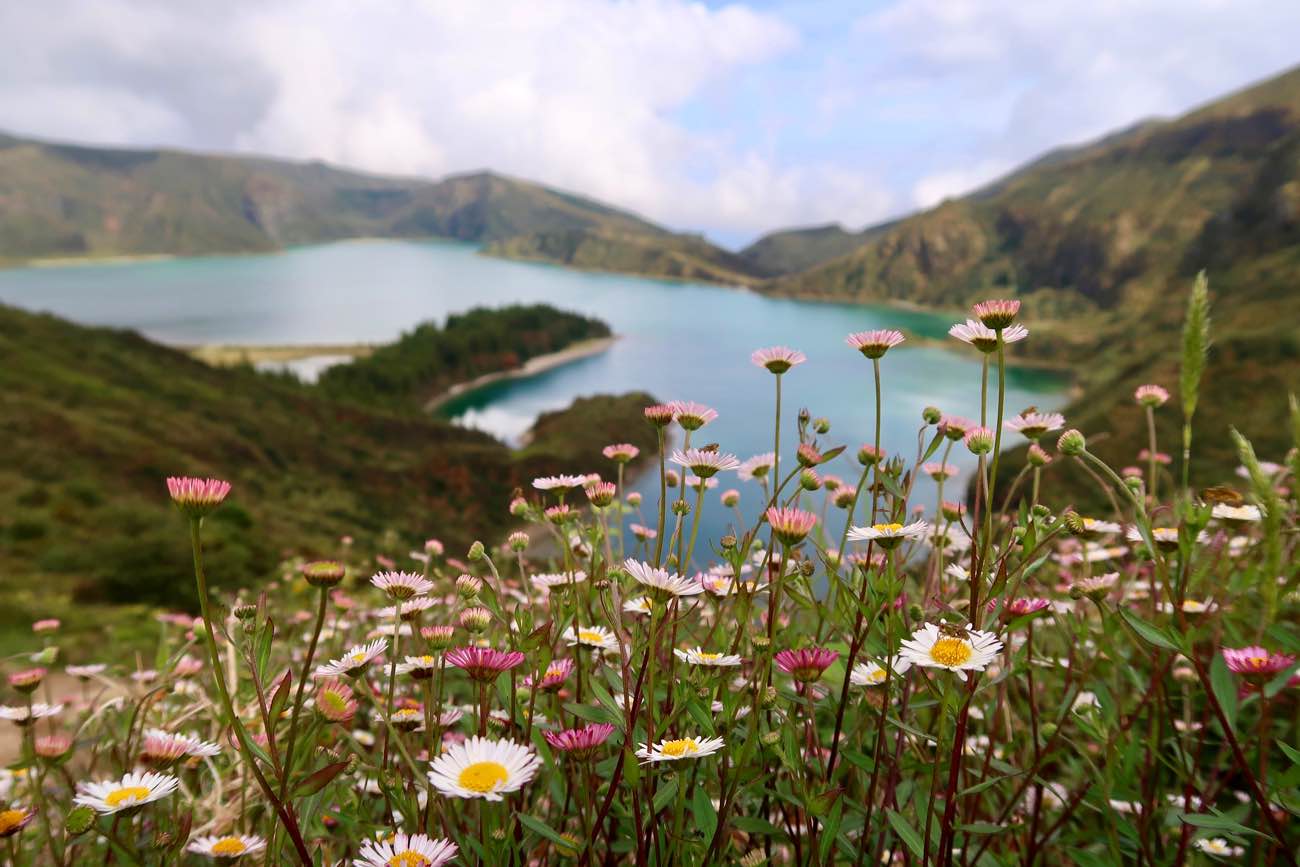
Flower power.
My home island. I’ll try to be objective (no promises).
São Miguel is the largest island in the Azores and the undeniable gateway to the archipelago. It’s a trip by itself. Four days is the absolute minimum to scratch the surface, but you could honestly spend a full week here and still leave things undone. Beyond the maritime city of Ponta Delgada, there are volcanic crater lakes that will stop you mid-sentence, dark sandy beaches, steaming fumaroles, and outdoor hot springs that deserve a half-day each.
The island is also an extraordinary hiking destination. Dozens of official trails cross all kinds of terrain: volcanic ridges, forest paths, coastal cliffs, and highland meadows where the only sound is wind and cows. For more outdoor planning, my Azores hiking guide covers the best trails across all islands.
Use my 4-day São Miguel itinerary as your starting point. It’s the exact route I run for friends and family visiting from abroad.
⭐ Top Attraction: Sete Cidades. The twin crater lakes are the postcard image of the Azores. On a clear day from the Vista do Rei viewpoint, there are few more beautiful sights in Europe.
✈️ Getting there by plane: Direct international flights from the US, UK, Germany, Nordic countries, and mainland Portugal. Multiple airlines including Azores Airlines, TAP, Delta, and Ryanair.
🛥️ Getting there by boat: In peak season, ferries from Santa Maria and Terceira.
🏨 Where to stay: Terra Nostra Garden in Furnas or Octant Ponta Delgada are my top choices. See my full guide to hotels in São Miguel for all budgets.
🏌️ 3 activities to try: Hiking, surfing, paragliding.
👌 Go here if: this is your first time in the Azores.
📅 Recommended nights: At least 4, plenty to do for a full week
Santa Maria
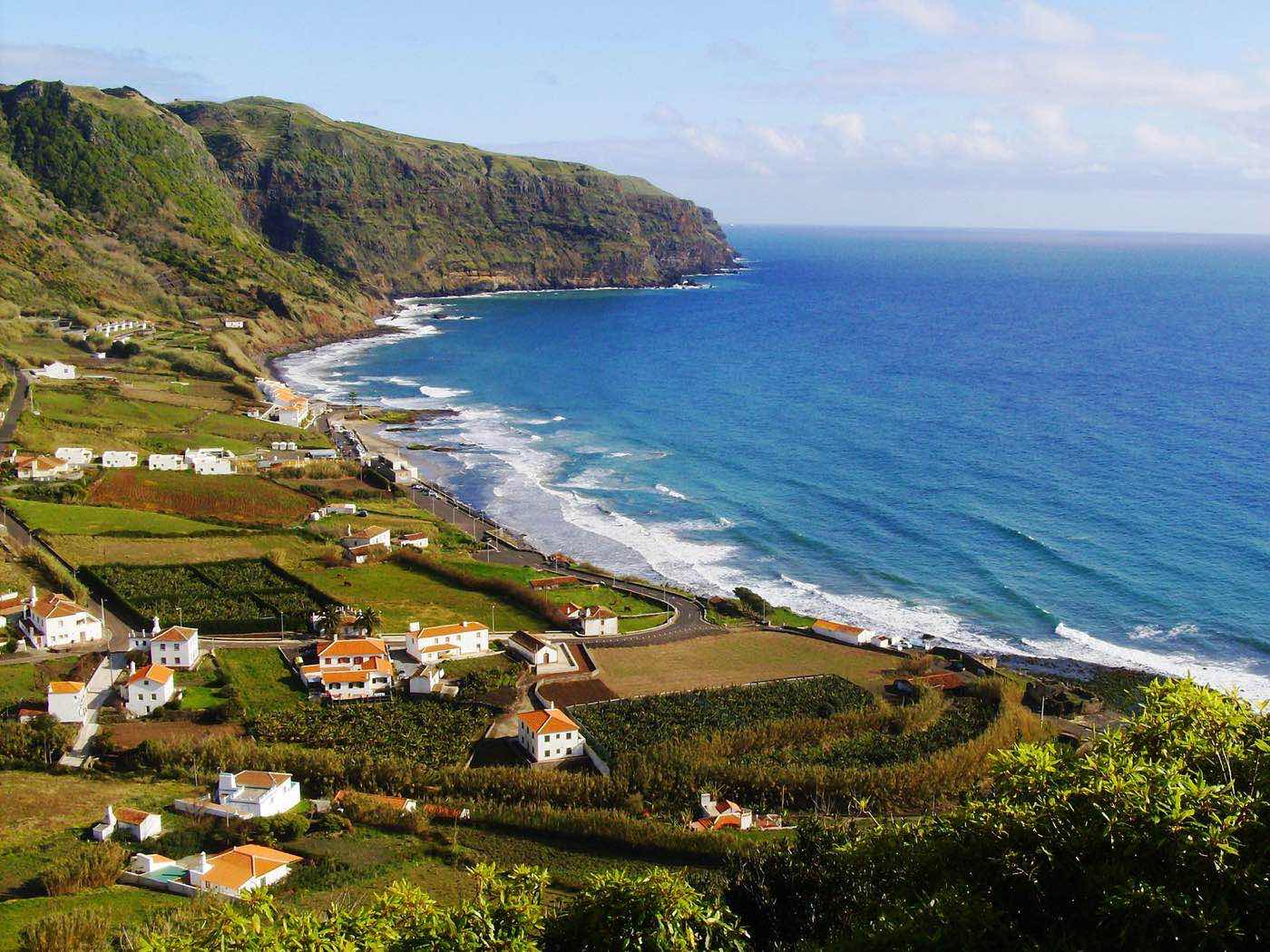
While the rest of the islands are stuck in an endless meteorological identity crisis, Santa Maria sits in the sunny southeast like it knows something the others don’t.
Santa Maria is unlike any other island in the Azores. It’s the oldest, emerging from the Atlantic some 10 million years ago, and geologically it’s a different world from its neighbours. The terrain is flatter, the weather is sunnier and more stable, and it has something rare in the archipelago: white and golden sand beaches.
If you want quality beach time in your Azores trip, Santa Maria is your only real option. The island comes alive in August during the Maré de Agosto music festival, but the rest of the year it keeps an unhurried, low-key vibe. Above water: beautiful beaches. Below water: world-class diving at spots like Gruta Azul and the nearby Dollabarat seamount.
⭐ Top Attraction: Praia Formosa. One of the best beaches in the Azores, in a picturesque bay with crystal-clear water.
✈️ Getting there by plane: Direct flights from São Miguel and Lisbon only.
🏨 Where to stay: My favorite is Charming Blue.
🏌️ 3 activities to try: Swimming, diving, paragliding.
👌 Go here if: you want to add quality beach time and sunshine to your trip.
📅 Recommended nights: At least 2–3
How to get between the Azores islands
This is where most itineraries come unstuck. Getting between islands takes more time and money than people expect, and the options vary a lot depending on which islands you’re combining.
Flying is the fastest option. SATA Air Açores is the only inter-island airline and, with no competition, prices can surprise you. Some inter-island flights cost as much as a flight from mainland Portugal. Book early, especially for summer travel.
Ferries are slower but can be an experience in themselves, with views of the coastlines that you simply don’t get from the air. Atlântico Line runs all the ferry routes. Here’s what you need to know:
- The Pico–Faial route (30 min) and the Pico–São Jorge route (1 hour) run year-round, multiple times daily.
- Some routes like Terceira–São Jorge and Graciosa–São Jorge run in summer only.
- There is no longer a regular ferry between São Miguel and Terceira.
- The ferry from São Miguel to Santa Maria is no longer in operation.
On car rentals: you generally need to rent a car separately on each island. Most rental companies do not allow you to take their cars on ferries, and the car ferries that do exist have very limited capacity. My advice is to book rental cars for each island as early as you book your accommodation, especially for summer travel. On smaller islands like São Jorge and Pico, cars sell out fast. See my tips for car rental in Azores for more logistics.
Sample Azores itineraries
These are designed for first-time visitors and built around the most efficient logistics. They’re not meant to be rushed. If anything, treat them as a ceiling, not a target. This summary table gives you a quick overview.
Azores itinerary quick reference
| Trip length | Recommended islands |
|---|---|
| Less than 7 days | São Miguel only |
| 7 days | São Miguel + Santa Maria (or Terceira or Pico) |
| 10 days | São Miguel + Pico + Faial (day trip) |
| 14 days | São Miguel + Faial + Pico + São Jorge |
| 21 days | São Miguel + Faial + Pico + São Jorge + Flores + Terceira |
Less than 7 days: stay on São Miguel
My advice here is simple: stay on São Miguel and go deep. There’s more than enough to fill every day, and trying to squeeze in a second island when you have less than a week just means paying more to do both things worse. Use my 4-day São Miguel itinerary as your guide.
7 days Azores itinerary
- São Miguel: 4-5 full days
- Santa Maria OR Terceira OR Pico: 2 full days
With a week, you have a real choice. You can go deep on São Miguel only and finally have time to tick off the hiking trails, diving, and canyoning. Or you can be strategic about a second island.
Santa Maria is the simplest add-on logistically: it’s a 20-min flight (!) from São Miguel and in summer offers beaches, sun, and a more relaxed vibe. Adding Terceira or Pico works well if you’re flying open-jaw through mainland Portugal, since both have direct connections to Lisbon and Porto.
One caveat on Pico: 7 days can feel a bit rushed, specially if you want to climb Mount Pico. You’ll need buffer days for weather as the summit hike requires a clear day and a day of recovery. Don’t schedule it tight.
10 days Azores itinerary
- São Miguel: 4–5 full days
- Pico: 3–4 full days (base for the Triangle)
- Faial: day trip from Pico (30-min ferry)
Ten days is where things get interesting. São Miguel gets the lion’s share of time, and then you fly to Pico. Stay there and use Pico as your base for the Triangle islands. A day trip to Faial via the Madalena–Horta ferry is easy and cheap. If you have an extra day, São Jorge is about 1 hour by ferry from São Roque.
The classic open-jaw route from Lisbon works perfectly here: Lisbon → São Miguel → Faial or Pico → Lisbon. Shuffle the central islands as you like, just keep São Miguel at the start or end for the best logistics. I would recommend keeping at the end to more reliable flight connections back to the mainland and to your flight home.
14 days Azores itinerary
- São Miguel: 5–6 full days
- Faial: 1–2 full days
- Pico: 3 full days
- São Jorge: 2–3 full days
Two weeks is the sweet spot for covering the Azores properly. São Miguel gets enough time to feel truly explored, and then you can work through the Triangle at a decent pace. The Lisbon → São Miguel → Faial → São Jorge → Pico → Lisbon open-jaw trip is one of the most efficient routes I recommend. Each island adds something the previous one doesn’t: the crater lakes of São Miguel, the volcanic moonscape of Faial, the wine and mountain drama of Pico, and the vertical cliffs and fajãs of São Jorge.
21 days Azores itinerary
- São Miguel: 6 full days
- Faial: 2 full days
- Pico: 3 full days
- São Jorge: 3–4 full days
- Flores: 2–3 full days
- Terceira: 2–3 full days
Three weeks and you can finally go a bit wild. Start with the 2-week base and add Flores and Terceira in the remaining time. Flores is wilder and more remote than almost anything else in the archipelago, with waterfalls and lakes that rival São Miguel. Terceira adds a completely different dimension: a proper UNESCO city, a strong food tradition, and Algar do Carvão, the most spectacular cave in the Azores.
Alternatively, swap Flores for Santa Maria if you want more beach time and simpler logistics. The ferry from São Miguel makes it easy.

The islands will still be here on your next trip
The best piece of advice I can give you about the Azores is this: don’t treat it like a bucket list to check off. You won’t see all 9 islands on your first visit, and that’s a good thing. The archipelago rewards slow, deliberate travel. Each island you actually spend time on will stick with you far longer than any island you rushed through in a day.
Pick 2 or 3 islands, go deep, eat the cheese, sit by the caldera, and let the Atlantic do its thing. Then come back next year for the rest.
Frequently asked questions
How many Azores islands can you realistically visit in one trip?
In 7 days, stick to one island, ideally São Miguel. In 10 days, you can comfortably cover 2 to 3 islands if you’re strategic about logistics. In 14 days, the Triangle islands (Pico, Faial, São Jorge) plus São Miguel is an ideal combination. The biggest mistake visitors make is cramming too many islands into too few days. Inter-island flights and ferry logistics eat into your time more than you expect.
Is it better to fly or take the ferry between Azores islands?
It depends on the route. For the Triangle islands (Pico, Faial, São Jorge), the ferry is the better choice: it’s affordable, scenic, and the crossings take between 30 minutes and 1 hour. For islands further apart, flying saves significant time. SATA Air Açores handles all inter-island flights, and Atlântico Line operates the ferries. My general rule: fly between island groups, ferry within the Central Group.
How many Azores islands can you realistically visit in one trip?
In 7 days, stick to one island, ideally São Miguel or max 2 islands. In 10 days, you can comfortably cover 2 or even 3 islands if you’re strategic about logistics. In 14 days, the Triangle islands (Pico, Faial, São Jorge) plus São Miguel is an ideal combination. The biggest mistake visitors make is cramming too many islands into too few days. Inter-island flights and ferry logistics eat into your time more than you expect.
Is it doable to fly out of a different island vs. backtracking to São Miguel?
Going for an open-jaw itinerary logic is doable yes. Provided you have enough time, you can fly directly into Terceira, Faial or Pico (eg. from Lisbon) and fly out of São Miguel (PDL), saving you one inter-island flight.
Can you visit Faial and São Jorge as day trips from Pico?
Yes, and this is exactly what I recommend for most 10-day itineraries. The Madalena–Horta ferry (Pico to Faial) takes about 30 minutes and runs multiple times a day year-round. The São Roque–Velas ferry (Pico to São Jorge) takes about 1 hour with 2 crossings per day. Staying on Pico as your base means you only move accommodation once and still experience all three Triangle islands.
Which Azores island is best for a first-time visitor?
São Miguel, without hesitation. It’s the largest island, has the most direct international flight connections, the best tourist infrastructure, and enough to see and do for a full week on its own. Crater lakes, hot springs, volcanic beaches, hiking trails, and the city of Ponta Delgada: São Miguel gives you a comprehensive taste of what the Azores is all about.
Do you need a car on every Azores island?
On most islands, yes. Public transport is limited and built around local schedules, not tourist itineraries. Renting a car gives you the freedom to explore on your own timetable, which is essential given how spread-out the attractions are. The only exception is Corvo, which is so tiny you can get around on foot. You generally need a separate rental per island since most companies don’t allow cars on ferries. Book early, especially for summer: smaller islands run out of cars fast, specially automatic ones.
Which Azores islands have year-round ferry connections?
The year-round ferry routes are Pico to Faial (30 min), Pico to São Jorge (1 hour), and Flores to Corvo (45 min). Other routes, including connections from Terceira and Graciosa operate in summer only. There is no longer a regular ferry between São Miguel and Terceira. Always check the Atlântico Line website for current schedules before planning your itinerary around ferry connections.















Hi Bruno!
Thank you for this incredibly helpful guide. What a wonderful place this must be to have grown up. Question for a week-long trip flying into Sao Miguel and out of Terceira with a group of 4 outdoorsy-hiking-exploration-vinyard-swimming loving friends: looking for a relaxing but adventurous trip — Thinking 3 full days in Sao Miguel, Fly to Pico (explore for the day, we won’t have time to hike mt. pico), then stay on Sao Jorge for 2 nights then 2 days in Terciera?
I notice you don’t mention spending a long time in Terciera in your itineraries, can I ask why? How would you recommend prioritizing time for a 7 day trip flying into Sao Miguel and out of Terceira?
Hoping to rent a car for as much as possible but not sure if we are island-hopping (too much?) how this would work..
Any insights greatly appreciated! Thank you very much!
Hello – is it doable to stay in Pico and take the ferry to Faial for the day instead of packing up and going to Faial for the night? Thanks for your help!
Absolutely doable, the ferry takes 10-15 min.
Hi Bruno,
Waw thank you for those incredible informations!
We are planning to visit the Azores in july this year (during 1 month), with our baby (14months at that time).
Do you have any recommandation while travelling here with a baby?
We were thinking about doing only Sao Miguel and Santa Maria (to relax and dive, apparently best place to have a chance to see the whale shark?)
Thank you !
Bruno,
Thank you so much for the in depth guide. My partner and I were hoping to spend 10 days on the islands (first time visiting). We are hoping to travel to San Miguel, Terceira, San Jorge, Flores and then back to San Miguel to depart, do you think this is too much movement? We want to experience as much of the islands as possible. We are young and very outdoorsy and heard Flores has the most natural beauty (so our island path takes us closer to Flores with each stop). We will also be going during the festival in June at Terceira so we don’t want to skip that island. What do you think? Thanks for all the help!
Dear Bruno
My Wife and I will be in Madeira from Aug 1- 6 2023. We would like to visit the Azores either before or after our time in Madeira. Logistically for flights would we be better off going to the Azores before or after Maderia?
We will be spending 8-9 days in the Azores. Soa Miguel and Santa Maria are two places my wife would like to spend time in. How many days would you spend in each.
If we go to the Azores first we would have to finish where we can get a flight to Madeira.
Thank you
Dear Bruno, I am just starting to research going to the Azores. During what time of the year and from which island do you recommend for watching giant blue whales? Thank you.
I wish to rent a car on Pico, with pick up at the Sao Roque ferry terminal, and drop off at the airport of Pico. This does not seem like a strange idea, but it seems no car rental service facilitates that. Any advice?
which island will you recommend for 70 yrs old retiree from US? just need simple quieter place to live with access to supermarket, bank, medical facilities, nature trail, fishing, all within walkable or biking up to 5 miles distance. I’ve been researching Sao Miguel, Terceira and Flores islands. any info, advice and suggestion is kindly appreciated, thank you
Medical facilities is not Flores’ strongest point, so I’d recommend Terceira or Faial.
Hi there! We just booked a 21 day trip to the azores in June of 2022. Arrive on the 8th in sao Miguel and leave on the 28th in sao Miguel.
I play to mostly follow your 21 day itinerary with a few changes. I think I’ll add an extra day on pico and just do a day trip to Jorge. What do you think?
My main islands I’m most interested in are Miguel, pico, terceira and faial. I’d rather not hop around too much because we have 2 kids. Age 10/12. We did three weeks in Italy and hopped around a lot. It was fine but in hindsight we spent a lot of time on trains and planes. What do you think of taking a ferry for day trips to other islands?
Also, what I really would like to hear from you is which areas are the best to stay on the islands? I am planning on staying in ponta Delgada but I’m not sure which areas are the best for the other islands. Obviously we want something close to the beach but also close to grocery and restaurants but at the same time we don’t want to be smack dab in the middle of a town.
Hi Bruno! I am having trouble understanding where I can carry out the required Covid tests on island. I do not see any facilities on the smaller islands. I will be staying on Pico for 8 days, am I able to get a test there?
Thanks so much for such a wealth of information!
I never conducted a test in Pico, but in any case the local health authorities should contact you to schedule your test there. Usually, it’s done at the local health center (Centro de Saúde).
Just wanted to say that this is the most amazing source of information I found about Açores. Muito obrigado!
You’re more than welcome. Happy travels!
Hi Bruno,
I would like to ask your opinion. My husband and I are planning to stay 13 full days in the Azores (at the end of June if the pandemic would let us). First, we thought we would stay the whole time in São Miguel. Because we like to fully explore the whole place where we currently are and we like to relax as well. So we don’t want to feel rushed at all! But maybe 13 days are too many for São Miguel, what do you think? But, on the other hand, we are really interested in Flores and Pico! And we don’t know if these 3 islands in 13 days are doable considering the above written things? Or instead 2 would be more ideal? In this case which 2 in your opinion? Or only São Miguel? I don’t know which option would be the best if we like to travel the way I wrote above.
Thank you!
Oh and I forgot to ask if how would you plan any of these options? How many days and in what order?
Thanks!
Thank you very much for this guide. We are going to Azores this june and we will definitely use this tips 🙂
Great to know! Take care and have a safe trip.
Bruno, Your guide to the Azores is fantastic. I very much appreciate it. We will be taking your advice and making our first trip to the Azores to Sao Miguel. We will rent a car as you advise. My questions are, should we choose 1 place to stay on the island or would it be more sensible, travel wise, to stay in more than one place? We like small B & B type places. Could you provide recommendations? Thank you
Boas, Bruno. O artigo está muito bem resumido e deu para ter uma melhor noção das diferenças entre as nove ilhas. Mas quero perguntar-te, qual seria a melhor ilha para viver? Estou seriamente a pensar mudar-me para um local tranquilo e rodeado de natureza. Tenho um cão grande que precisa de andar ao ar-livre e longe da confusão da metrópole. Não tenho carta de condução (pois aqui na capital nunca foi necessário) e procuro um desafio profissional (natureza, comércio, agricultura, entre muitos outros) nas ilhas. Na tua opinião, qual seria a ilha mais indicada para eu mudar-me e começar do zero? Obrigado e um enorme abraço.
Thank you
I loved sao Miguel. I spent 9 days there 2 years ago. I was in awe the whole time,
Do you write about Madeira?
Janet
Just published a Madeira guide.
thank you for this great guide. I have been looking for the perfect place to celebrate our 30th wedding anniversary and your site has made the Azores my overwhelming first choice. I have just come out of knee surgery and was hoping to visit by electric bike. Can you recommend places to rent them?
In which island?
great website and looking forward to azores…..arriving on sept 19th…..will ferries be running then? terceira-sao jorge-pico-faial? nothing on atlantico website schedule or is it just too early? cheers and thank you
Ferries have been extremely limited to the COVID pandemic. I think the ones between Pico, Faial and São Jorge are still running though. I suggest emailing them for more details.
I am coming to your islands!!!! Can’t wait!!! We just went to the Galapagos and they were amazing and you’re next on my bucket list.
Looking forward to their beauty.
Woah, must be hard to compete with the Galapagos! Enjoy your trip.
Hello!
Thank you for the great blog and lots of useful info
I am planning to spend 12 days at the end of August in Azores – Sao Migule 5 days, Sao Jorge 2 days, Pico 3 days, and Flores, which Iam most looking forward to, 3 days.
But now I am wondering is it possible to squeeze 4 islands in 12 days. What do you think, should I give up one Island, and which one?
Thanks 🙂
Barbara
Personally, I do think your itinerary has a LOT of moving around in just 12 days. I’d probably skip São Jorge: although is a stunning island, quality over quantity.
First of all, thank you so much for providing such a wealth of information on the Azores.
My husband and I are going to follow your two week itinerary suggestions. We care more about efficiency than cost in making the most of our visit, and I was hoping you could help me with a few questions I have about getting the most out of our visit.
We will be flying in and out of Ponta Delgada, so we are limited by those flights. We originally thought we’d stay the first 4 nights on Sao Miguel, then fly to Faial, spend one night there, take the ferry to Sao Jorges spend three nights there, ferry to pico spend two nights there, and then fly back to Sao Miguel for the last two nights.
My question is this: is it remiss to explore faial from pico by utilizing the ferry? I worry our itinerary has us moving around too much and wonder if there’s a more efficient way to split our time.
Thank you so much!
Personally, I do think your itinerary has a lot of moving around. I’d probably skip Faial entirely and focus on the remaining three islands.
Where are the best beaches in the Azores?
Glad you ask.
https://www.geekyexplorer.com/azores-beaches
Keep in mind the Azores are not a beach destination per se though.
We are hoping to come for 3 weeks in March. What should we expect for the weather? We love your 21 day itinerary and would loosely follow it.
Honestly? Weather in March is a russian roulette. I would count with some rainy days (or at least partial days).
I am planning a trip in 2020 for one month, in May, and want to have one island as a base. I was interested in Terceira but after reading your information I am a bit unsure about the “partying bit”. I have looked at San Miguel as well, difficult to choose with so many beutiful places. I live on an island in Sweden. Any additional idea/information would be really appreciated.
Thanks for easy to read information. I am over 65 so my partying days are over.
Many thanks
Kristina
To be clear, when I mention “partying” is nothing like nightclubs or heavy drinking. It’s mostly local festivities, where everyone gathers around street food stalls, traditions, etc.
If you don’t feel like Terceira, there are 8 more islands to choose from! But I really can’t help you more without knowing what your interests are.
Azores islands
Yes indeed.
Hey, Bruno
I just wanted to say thank you!!
Usually I don’t read things like this, I’m more into the adventures but there are so many islands so I have to make a bit of plan and from what I saw on Google maps I though São Miguel and Pico were cool options. After reading what you have here I’m more than sure what I want to do within the 10 days I have. There was just something I couldn’t find, a flight directly from Pico to Lisbon, it always has to be with a connection in Terceira.
Thanks again! You’ve done a great job it’s really helpful!
Thank you Silvana!
The flight Pico-Lisbon operates only on selected days I’m afraid.
Hi Bruno,
first of all, I can’t be thankful enough for your guides, tips for Azores! Thank you very much!
Me and my husband plan to visit Azores in next April/May – based on your tips, because we would like to avoid most of the tourists, do whale-watching, go for hiking a lot (really a lot!), try and enjoy most of the hot springs. We plan to go for 10 days, and since we are not on a big budget, we are planning to stay on Sao Miguel for the whole time. But I have doubts, if it’s still worth it or we should save more money and go back for more islands. As you described these wonders, I’m pretty sure we will want to visit it more times, because we are true nature lovers, so later definitely would travel to other islands too. So finally, this is my only question, that is it worth to go for 10 days only to Sao Miguel or it is too much time for one island and easily can get bored (if it’s even possibly there)?
Many thanks in advance,
Nora
There’s plenty of things to do in São Miguel and the island can keep you busy for 10 days, especially if you’re that into hiking and outdoor activities as you say you are. Plus, it’s good to have some buffer days in April/May as the weather can be really unstable.
That said, you can also add another island like Pico, Faial, or Santa Maria on your trip. The latter is just a 3-hour ferry away and there’s the 78km “Great Route of Santa Maria” hike if you dare 🙂
Hi Bruno,
wow! how amazing can your site be? My husband and myself plan a trip to the Azores for a bit more than a week, can also be 10 days in second week of August.
After reading your tips I can definitely say that we will visit Sao Miguel, but not sure about 1 or other 2 choices. What is your opinion between adding Terceira Island and Faial to our stay or to just do Sao Migues and Santa Maria? I mean what is also easier and faster logistically speaking?
or do you ave any other recommendation for another island combo?
many thanks and all the best,
Andreea
If you just do 7 days, stick to São Miguel.
For 10 days and if you want to maximize efficiency and better logistics, definitely São Miguel + Santa Maria. You can do it by ferry. Adding Terceira and Faial just adds a lot of complexity and cost with 2 extra flights.
Hi,
Great articles and explanations! Thanks 🙂
We’re heading to the Azores in mid-September, and should have 11-12 days – haven’t booked the flights yet 🙂
According to your suggestions, Sao Miguel, Pico and Sao José look best to us. Is this doable in 11-12 days ?
Which would you go for between Pico and Faial (as 4 island is probably too much in 11-12 days)? Pico seems more “diverse” to me…
Many thanks!
G.
Sao Jorge sorry, not Sao José
Yes 12 days is just on the limit of what’s enough to explore São Miguel, Pico and São Jorge fairly well + have some chill time too.
Swapping Faial with São Jorge would be ideal (more chilled, less things to do) but I’d definitely wouldn’t add any more islands.
Heading to the azores in July. This is the best thing I’ve read so far. Thanks for compiling such a comprehensive post. We are there for 10 days. Sao Miguel and Santa Maria are sounding the best to me. Is that feasible? Thanks!
That is definitely feasible. The ferry takes a couple of hours but Santa Maria for 3 days and spend the rest of time in São Miguel.
Hi there!
Thanks a lot for your great summary!
We have three weeks to spend in the Azores and want to do a lot of hiking. At the same time we want to have a few days inbetween to relax and just be lazy.
We therefore want to split the time between Sao Miguel, Sao Jorge, Pico and Faial. Currently the days are divided as follows:
Sao Miguel 4 nights
Sao Jorge 4 nights
Pico 4 nights
Faial 4 nights
Sao Miguel again 3 nights
We have 3 extra nights to spend on either of those islands. How would you divide them up? We definitely want to also do some canyoning, whale watching etc.
Thanks in advance!
Phillip
First of all – you’re very lucky to have 3 weeks in Azores, nice!
Assuming you’re going during summer time, I’d probably remove 1 night in Faial and add Santa Maria into your itinerary to have some days of relaxation on the beach. It’s easy to get from São Miguel anyway.
Hi Bruno, thanks so much for your lovely website and informative articles. I’ve been to the Azores twice now. First time for a week, we visited Sao Miguel, Terceira and Faial. It was a rushed week with a guided tour on each island. Exhausting but wonderful! The second time I stayed on Sao Miguel with a friend. We hired a car and had a ball exploring the island, I was very glad that I had been previously and had knowledge of where to go and what to see. I put an itinerary together from your suggestions and from my own experience. Next year (for my 60th birthday), the plan is to go to Flores and Corvo with my friend again, and then the second week, my husband and other family will join me on Sao Miguel – possibly going to Santa Maria too for a couple of nights. My question is… when is the best time to go to Flores? I particularly want to see the flora on Flores at its best. Thank you! X
Flores’ weather is temperamental so I’d definitely go between May and September.
Dear Bruno,
First of all thanks for this blog and especially the Azores travel tips!! Reading your posts has been a real pleasure and increased my (already high) anticipation for the holiday!
My fiance and I are flying to Ponta Delgada on June 19th and returning on June 30th. Right now we are planning our itinerary and despite your detailed suggestions in this post we still can’t decide what to do 😀 we want to have enough time to not feel rushed so we are thinking of only visiting one other island in addition to Sao Miguel.
I checked the boat schedules (we would prefer to avoid flying again and it’s quite expensive in June) and found three options:
Santa Maria for 3 nights – would be nice to get some sun but will we get bored?
Pico for 3/4 nights – climbing Mt. Pico would be amazing but is it worth spending two days on the ship?
Terceira for 3 nights – right now my least favourite option based on your descriptions, although the Sanjoaninas festival would be on just then – is it worth visiting for a tourist (with no Portuguese skills)?
What do you think, any recommendations? Is it nice to travel on the ships or rather a boring experience?
Any thoughts appreciated – thanks! 🙂
Eva
I personally avoid long journeys on the sea, but that could also be part of the experience?
Regarding the islands, it’s really up to what you want to do. Logistically, Santa Maria makes the most sense and is quite a off the beaten track destination so it’s a good combo with the more popular São Miguel?
Hi, thanks for the great article! How does your itinerary suggestion change if we are visiting for 10 days but have a baby that is 8 months old? Would it be Sao Miguel + Terceira? We will not be climbing Pico, so Terceira may be easier to navigate with the baby?
If you’re not climbing Pico, is pretty much irrelevant right?
Depends on what you want: food and culture vs scenery and landscape!
Hi Bruno,
Thanks for all the information, butI was wondering if you rent a car on the Azores, is it best to rent 1 and take it with you on the ferry to the different islands or to rent a new one on every island? Thank you!
Depends on the islands you’re going.
Some ferries do allow cars, but some don’t. This should be visible info on Atlântico Line website.
Hi Bruno. Just want to say how glad I am to stubble across your guide/blog/website as I’m taking my mum to the Azores for her 70th! My flights are booked for mid – end of June. Now I just need to decide where to stay and what to do. My mum initially wanted to take a guided tour, but I manage to persuade her to do it independently as it’s more my style of travel and seeing the world 🙂
We’re only staying for 7 nights so will base ourselves in Sao Miguel as suggested. One question – are there tours/boat trips that will take you to one of the islands for the day? Also do you think its better to hire a taxi guide rather than doing excursions? Thank you so much for all the effort in putting this guide together.
First of all, what a great birthday present for your mum, I’m sure she’ll love it!
No, the distances involved are too big to be able to do day trips from São Miguel. You can do Faial from Pico/São Jorge and vice-versa though.
As for local guides, I can’t comment, never used one. But my feeling is that they take away all the sense of adventure from a trip to a place like Azores. They’ll obviously be more expensive than excursions or – my favorite option – renting a car.
Hi Bruno. I really appreciate all the time and thought you’ve put into this website. My great-grandfather came from Sao Jorge so it has always been my dream to visit the Azores. We have nothing planned yet and are flexible in our dates other than it needs to be between end of June and mid-August of this year. We are a family of 4 (5, if you count our eldest daughter who may join us for a partial visit), consisting of 17 & 15 year old daughters. We are active and love the outdoors as well as the history and culture, so are up for just about anything! My husband is a diver and we also make our own wine. We really want to savor the islands…being that they are special to my heritage. After reading your island descriptions, I couldn’t choose All so am most interested in Sao Jorge, Pico, Sao Miguel, Terceira, and Santa Maria. However, I’m sure that this is a hefty request even if we do have a few weeks+ to plan around. What would you suggest? Also, is there a local guide that you would recommend that could give us a local experience? Perhaps I’ll even find some family! Thank you, thank you…
I think with the islands you mentioned you have yourself a great trip already!
I don’t work with local guides so I’m afraid I can’t recommend any. In fact, I advise you to explore the islands on your own – much more fun.
Hello.
I really love your guides on Azores. Just the thing I was looking for. However, I still have some questions and would really apreciate if you can help me.
Me and my husband will (most likely) be travelling to Azores with 1.5 years old in early August. We have two weeks for the Azores and I would really apprecitate if you could suggest a rough itinerary in terms which islad(s) do you recommend us to visit and for how long. I suppose there are quite some activities we can’t do with our toddler (whale tour, climbing Mt. Pico…) and would apprecitate some suggestions what to see/do instead. We are alo interested in some beach time 🙂 Where would you suggest to stay at Sao Miguel (which town)?
Thank you.
Eva
For 2 weeks, I recommend the itinerary that you can find above: São Miguel, Pico, São Jorge and Faial. Even though you won’t be climbing Mount Pico, there’s still a lot to see and the landscapes in all these islands are very different.
Regarding place to stay in São Miguel, anywhere central like Ponta Delgada, Ribeira Grande or Lagoa is a good bet. If you’re looking for extra relaxation, Furnas is the best bet. I recommend checking the best hotels in São Miguel for families.
This is such a great website. We are coming to the Azores from June 30th to July 20th. We are coming from Vancouver Canada and are very excited to visit. We have already booked one of the Pico hotels you recommended.
If you could spare a few minutes and comment on on our time on each island. We are following your time recommendations for 21 days.
We arrive at 6 am on June 30th and plan to stay on San Miguel for the 30th and July 1st. Then plan to travel to Flores for 3 days then 2 days each on Faial; Terceira; Sao Jorge and then 3 days on Pico. Then we finish with 4 more days on San Miguel and fly out on the 20th.
Should we adjust our timing/choices in any way?
We plan to fly to Flores and Faial and back to San Miguel and take the ferry in the Pico/Terceira/Sai Jorge group.
Should we rent cars on all islands?
Are there any key events we should try and hit in that time frame to adjust our agenda\/
Thank you
Rick
Rick, I think you have a very well balanced itinerary. It will be a bit rushed, especially with the Terceira-Faial-São Jorge bit but definitely doable. That said, I’d consider taking out Terceira entirely – your choice!
I advise to book a car in all the islands, personally I think is a shame to not explore the Azores independently.
Hi – my husband and I will be traveling to the Azores Dec 30-Jan11, to celebrate our 25th anniversary and will be visiting Sao Miguel for 6 nights, Pico for 3 nights and Faial for 2 nights. We have greatly appreciated your many blog posts in helping us to plan our travels and we look forward to exploring the islands! My questions are whether New Years Eve brings any special festivities to Ponta Delgado and whether dressier clothing or advanced reservations would be needed? We have also been told by two different companies in Pico, that they do not run whale watching tours this time of year due to typically rough waters. Is this different depending on the island? Lastly, is there a particular company you would recommend for car rental on Sao Miguel? Thank You!
Sorry for the late reply, was too busy in New Years too!
In Ponta Delgada, the fanciest celebration highly popular with locals is in Coliseu but you need a ticket in advance. Some hotels also do dressier parties.
Usually Dec/Jan brings rough weather and it’s very common for whale-watching companies to close or at least have significant downtime.
Regarding the car rental companies, you can check in other articles I’ve had good experiences with Autotlantis and Micauto.
We are two women planning our 10-11 day trip to the Azores around May 29 to June 8 or so. We are flexible. Your blog has been most helpful. We are figuring on starting with three full days in Sao Miguel, taking two day tours and then onto Faial, Pico and Terceira. (And Sao Jorge) as time allows. We want to spend another 2 days in Sao Miguel before heading back to the States. The main thing that appeals to me about Terceira are the bulls running and it is the island with the airport. We’re trying to figure out the logistics of getting to the smaller islands. Help! I did contact Azores Getaways a while back when I thought it would be a shorter trip… Just Sao Miguel and Terceira. I think they only book the transportation and the hotels. Is it a good idea to have a travel agent handle a lot of this? We are older women and my friend lives in South America and is coming to the U.S. so we can go to on this special trip together.
Hi Ruth
Sounds like you’re having a very special trip! I recommend having a look at this fresh new article about logistics in Azores.
Greetings Bruno,
First I want to say thank you for a very helpful blog/website. Every island sounds wonderful and I wish we had more time than 12 nights!!
Looking for advice. Family of 4 with two teens ages 15 and 17 coming from Boston Massachusetts. I originally planned on Sao Miguel, Sao Jorge and Pico with 4 nights on each island based on your descriptions of each island. Logistically flight wise it would make more sense if we omitted either Sao Jorge or Pico for Terceira. Thoughts? Should I stick with our original itinerary and just deal with the long lay over OR which island would you omit for Terceira; Pico or Sao Jorge?
Much appreciated!
Nancy
Thank you for passing by Nancy!
I think 4 nights in Terceira might be too much. I’d rather spend them in Pico or São Jorge, to be honest. Actually, if you travel by ferry, traveling between Pico and São Jorge could make sense.
Thanks for your input! Will stick to Sao Miguel, Sao Jorge and Pico. Can’t wait!!
We are planning a trip in mid-March… will it be too cold? We are an outdoorsy family. Will the whales be active in March?
It can be cold and rainy, but also can be warm and sunny, who knows?
March-May is the best time to watch whales, although there’s never 100% guarantee you’ll see them.
Thank you so much for sharing your experiences. We are going to visit the Azores next summer for 14 days – But we would love to make it to Flores (and maybe hop onto Corvo for a day) based on how stunning the pictures look… We really are into nature.
Our itinerary so far would be Sao Miguel for a couple of days (5-6), then Sao Jorge and Pico (another 5 days), finishing with 3-4 days on Flores/Corvo. What do you think? 🙂
I think that’s definitely doable, just keep in mind there’s a lot of hopping around. If that’s your kind of holiday, go for it!
Hi there. I only have 4 full days planned for islands in the middle – Faial, Pico and São Jorge (I really tried to change it but flight and ferry schedules are the way they are). Any suggestions which are a must and for how long and which one I should skip this time? Or may it is possible to see them all? I have been trying to figure this out for weeks but every has something I would like to see or do.
Well if you want my advice, ask yourself what do you want to do? In the only you can decide – it’s always possible to see them all, but it will be rushed. Very hard climbing Mount Pico for instance. If that’s OK with you, then go ahead.
On the other hand, if you want to have some chilled time and enjoy the perks of slow travel then skip Faial and have 2 days in the other islands.
thank you for this information, I am planning a trip for next summer and this has dramatically changed my planned itinerary. I found more “useful” information in your short blurbs than what most travel sites offer. thanks for the wonderful writeup and logistical information
That’s great to hear as it’s exactly what I’m aiming for!
Thanks for passing by and enjoy your trip!