
My selection of best day trips from Porto include Guimarães, Braga, Douro Valley, Peneda-Gerês National Park, Aveiro, and Coimbra. Most are within 1–2 hours by car or train. Guimarães and Braga are the easiest by public transport. Douro Valley and Gerês require a car and are better as overnight trips if your schedule allows. This guide covers 12 destinations across different travel styles, history, nature, beaches, and food, based on two years of living in Porto.
Quick tips for Porto day trips 🇵🇹
- 🏨 Staying in Porto? Explore the best-rated hotels in the city
- 🚗 A rental car is required for most places listed — book yours here
- 🚌 No car? Stick to Braga, Aveiro, Guimarães, Coimbra, or Matosinhos
- ✅ Book day trips, wine tasting tours and more with GetYourGuide
- 📅 Best time to visit northern Portugal is May–June or September–October
🌇 12 day trips from Porto, Portugal
1Braga
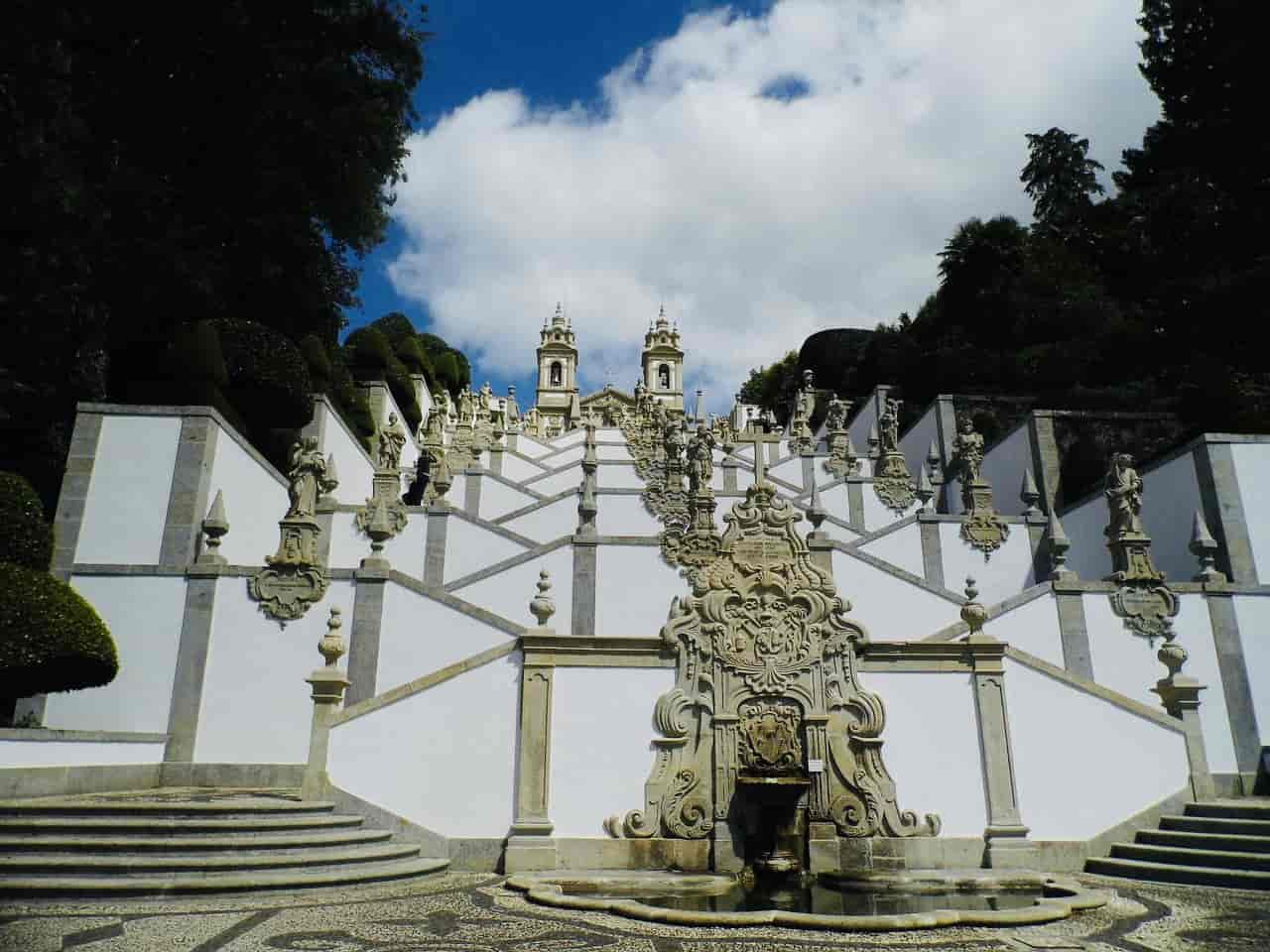
Braga is one of Portugal’s oldest cities and one of its youngest at the same time. Capital of the Minho region, it consistently ranks among the cities with the highest proportion of young residents in the country (source: INE). That energy shows up in a walkable, buzzing center packed with restaurants, bars, and beautiful architecture.
In the city center, my favorites are Braga Cathedral (Sé Catedral de Braga), one of the oldest cathedrals in Portugal and the flower-lined Jardins de Santa Bárbara for a calm afternoon stroll.
The real highlight is outside the city though: Bom Jesus do Monte Sanctuary (Santuário do Bom Jesus). It’s a neoclassical hilltop church reached via a monumental 17-story Baroque staircase winding through dense forest. The views from the top are worth every step.
How to get to Braga: 1 hour by train or bus from Porto’s Campanhã station. Frequent daily departures.
2Aveiro & Costa Nova
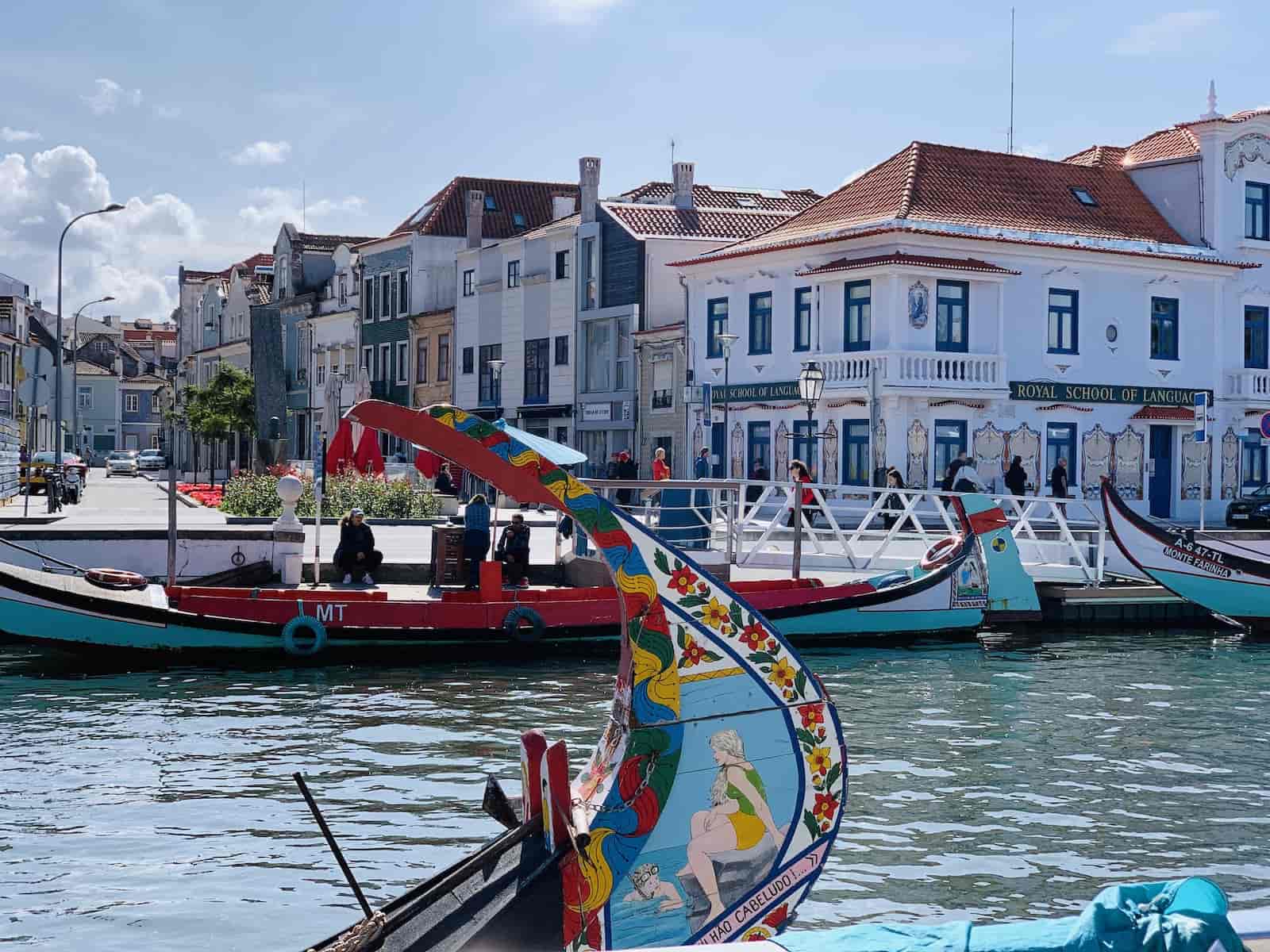
Audaciously called “the Venice of Portugal”, Aveiro is surely one of the most unique places you can visit in Portugal. The city is built around a network of canals, and brightly painted wooden boats called moliceiros ferry tourists through them. Aveiro is also the home of ovos moles, egg yolk sweets wrapped in rice wafer. Leaving without eating one is a big mistake.
Then head over to Costa Nova, just 10 minutes away. It’s a narrow strip of colorful striped houses squeezed between the Ria de Aveiro lagoon and a wide Atlantic beach. The houses became Instagram-famous for good reason.
How to get here: 1 hour by train from Porto’s São Bento or Campanhã station.
3Douro Valley

Douro Valley sits 100 km east of Porto and is famous worldwide for its terraced vineyards, Port wine estates, and dramatic river scenery. The region is a UNESCO World Heritage Site since 2001, and its most famous produce is Port wine, but in reality, any food or drink that comes out of Douro Valley is set to be an explosion of flavor.
Is Douro Valley worth visiting on a day trip from Porto?
Yes, Douro Valley is worth a day trip from Porto, but only just. If you go for a day, focus on either Régua or Pinhão to avoid rushing. That said, provided you have more time, I’d push back on the pure day-trip format here and HIGHLY recommend renting a car and drive around for two or three nights. Explore the wine estates at your own pace, do some hikes, tour viewpoints or sit down calmly to take the views in. Rushing through Douro Valley is like eating a great meal standing up.
How to get to Douro Valley: Take the scenic train to Régua or Pinhão from Porto (~2 hours). Car is better for flexibility though.


My choice: Quinta da Pacheca
4Lamego
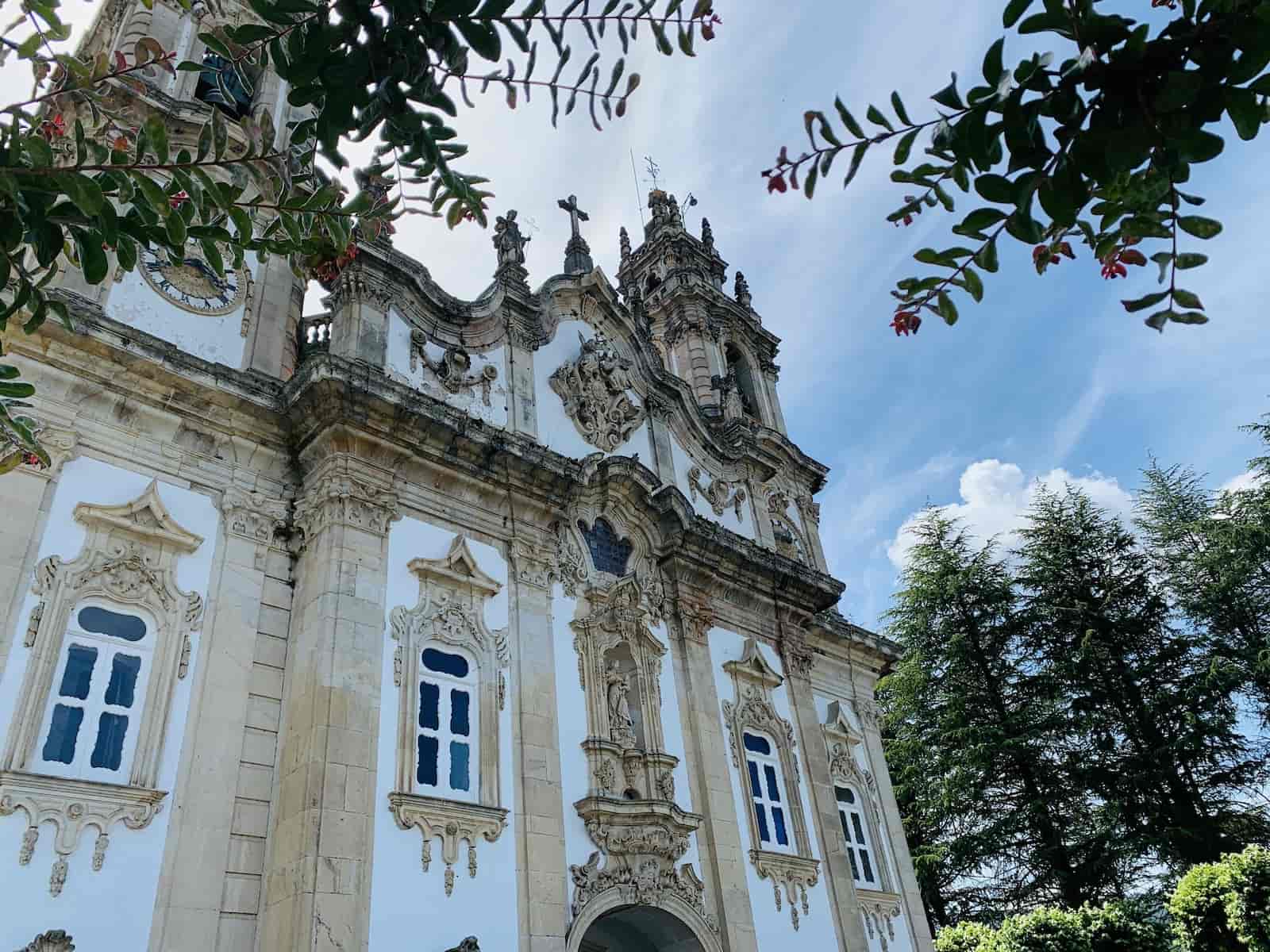
Lamego sits just 12 km from the Douro river, which makes it a natural pairing with a Douro Valley visit. It’s a compact, walkable city with a cathedral, castle, and regional museum worth a couple of hours of your time.
The standout attraction for me is Nossa Senhora dos Remédios Sanctuary (Santuário de Nossa Senhora dos Remédios), a Baroque hilltop church reached by a spectacular zigzagging stairway decorated with traditional Portuguese azulejo tiles. The 7th-century chapel at the site is the oldest in Portugal and believed to be one of the oldest in the whole Europe.
How to get here: Lamego has limited public transport, so renting a car is the practical choice.
5Amarante
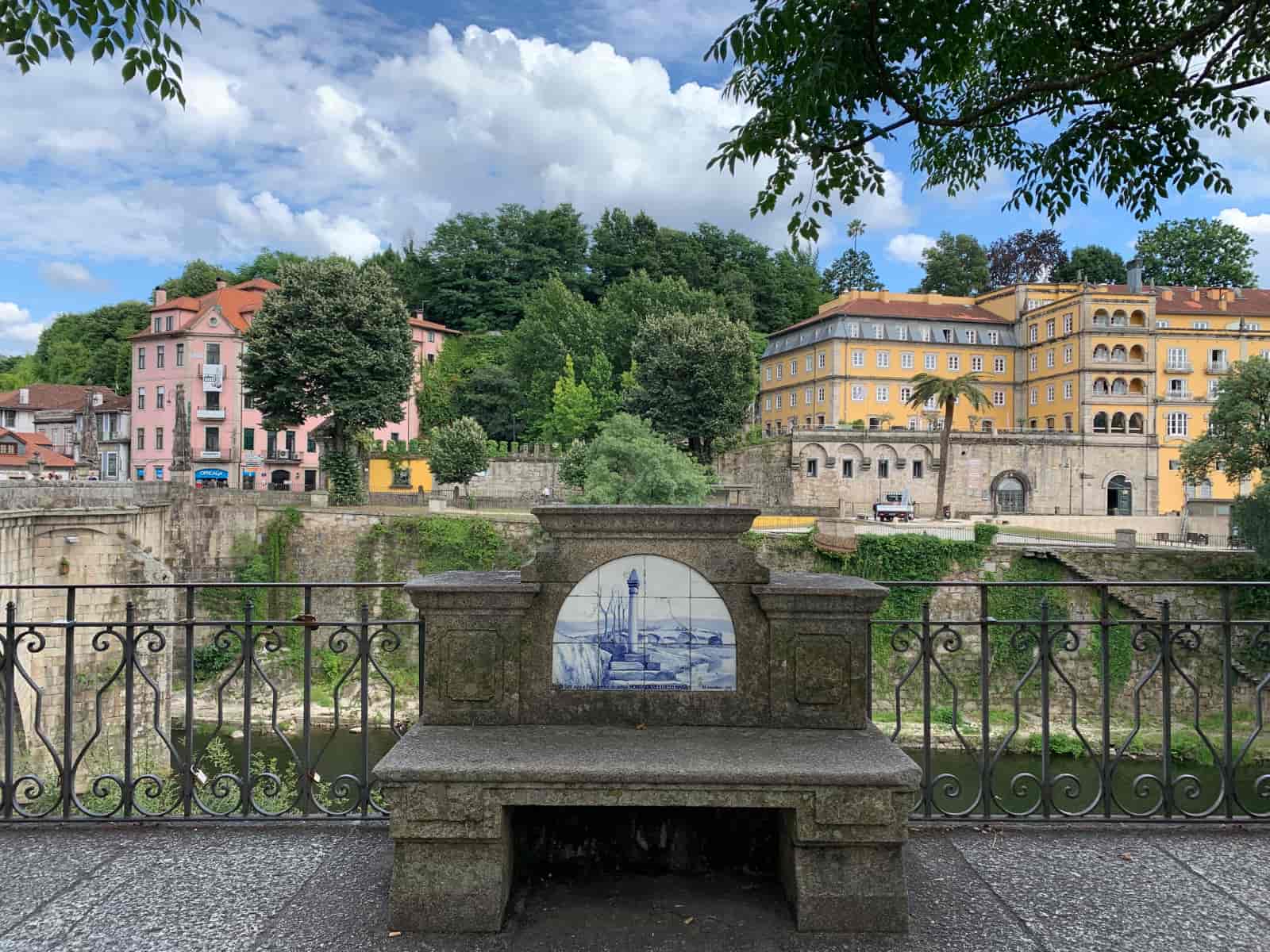
I stumbled onto Amarante on a drive back from Gerês and it completely caught me off guard. It doesn’t show up on the usual Portugal highlight reels, which is exactly why it’s worth visiting.
Here’s why it works as a day trip:
- It’s artsy: many important 20th century writers and artists were born here.
- The setting is beautiful: on a upland countryside, next to Serra do Marão, and with Tâmega river flowing in the heart of the city.
- Striking architecture: São Gonçalo Bridge is the iconic postcard of Amarante, but there’s more to discover.
- … and has got a rather unique local pastry: bolos de São Gonçalo are penis-shaped cakes that symbolize fertility. You’ll know them when you see them.
How to get there: About 1 hour by car from Porto.
Top hotels in Porto
I’ve made the hard work for you. This is a pre-filtered list of hotels in the best areas to stay in Porto
.6Paiva Walkways
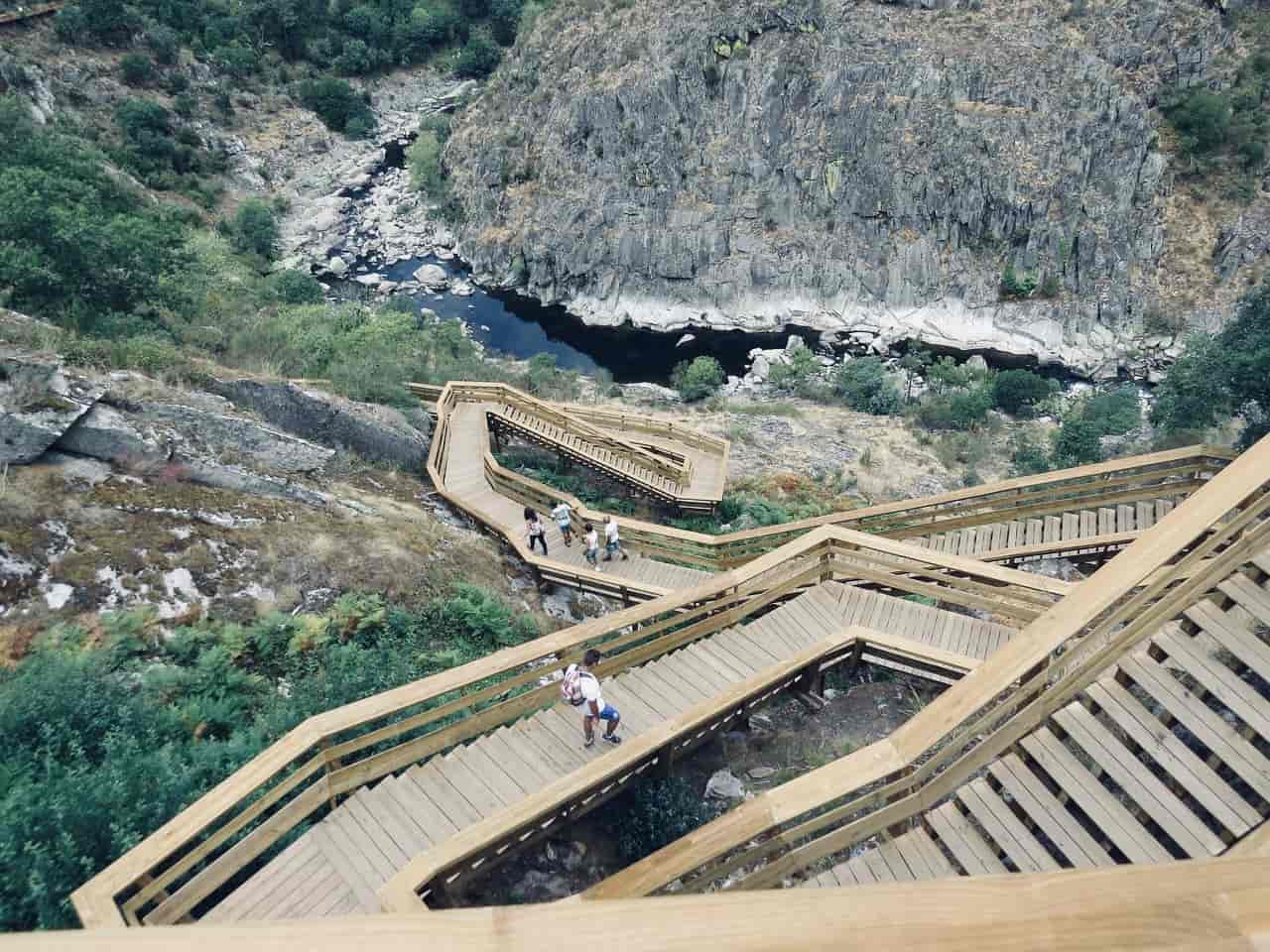
The Paiva Walkways (Passadiços do Paiva) are an 8.7 km wooden boardwalk trail along the banks of the Paiva river in Arouca, roughly 80 km from Porto. The trail is part of the Arouca Geopark (Passadiços do Paiva), which covers some of the most dramatic river gorge scenery in Portugal. Honestly, one of the best hikes I’ve done in Portugal.
The trail is not flat. Those who can conquer the steep hills between Areinho and Espiunca are rewarded with a stunning scenery through river pools, dense forest, and waterfalls.
Finally, the best time to walk it is spring (April–June) or autumn (September–October) when temperatures are forgiving. You don’t want to be doing hundreds of stairs in scorching heat (or maybe you do?). No public transport from Porto, so a car is essential. Book tickets in advance during peak season as capacity is limited.
How to get to Arouca: There is no reliable public transportation available from Porto, so a car will be necessary. About 1 hour drive.
7Ponte de Lima
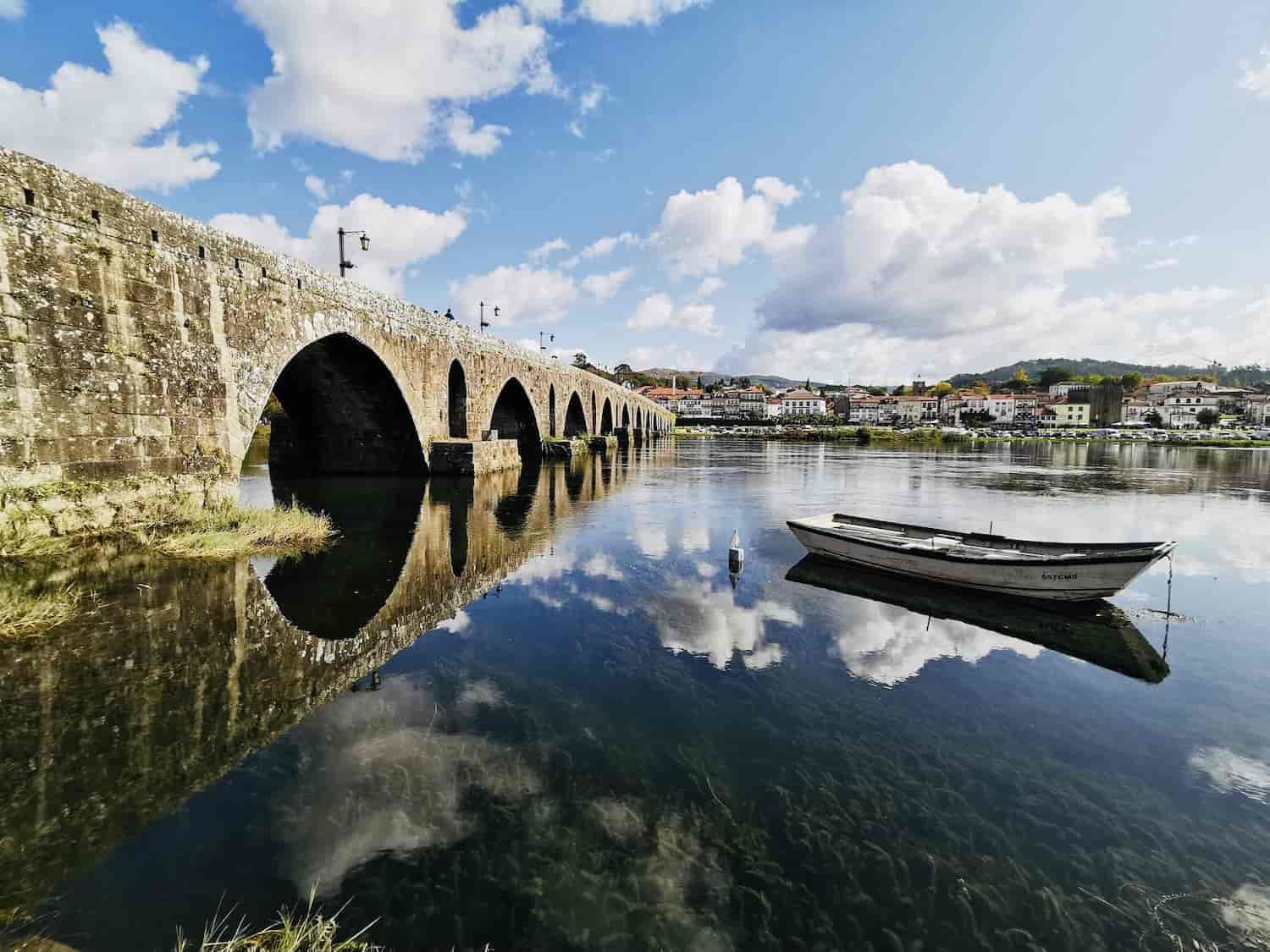
I just love Ponte de Lima. It’s small enough to cover in a few hours but packs in more than you’d expect. The Roman bridge dates back to the 1st century AD and frames the town perfectly against the Lima river.
Beyond the bridge, this area earns its place on this list because of its outdoor options. The riverbanks offer hiking, cycling, and kayaking routes that are popular with locals but still largely off the radar for non-Portuguese visitors. If you want a mix of old town charm and fresh air, Ponte de Lima delivers.
How to get to Ponte de Lima: About 1 hour 15 minutes by car from Porto.
8Peneda-Gerês National Park
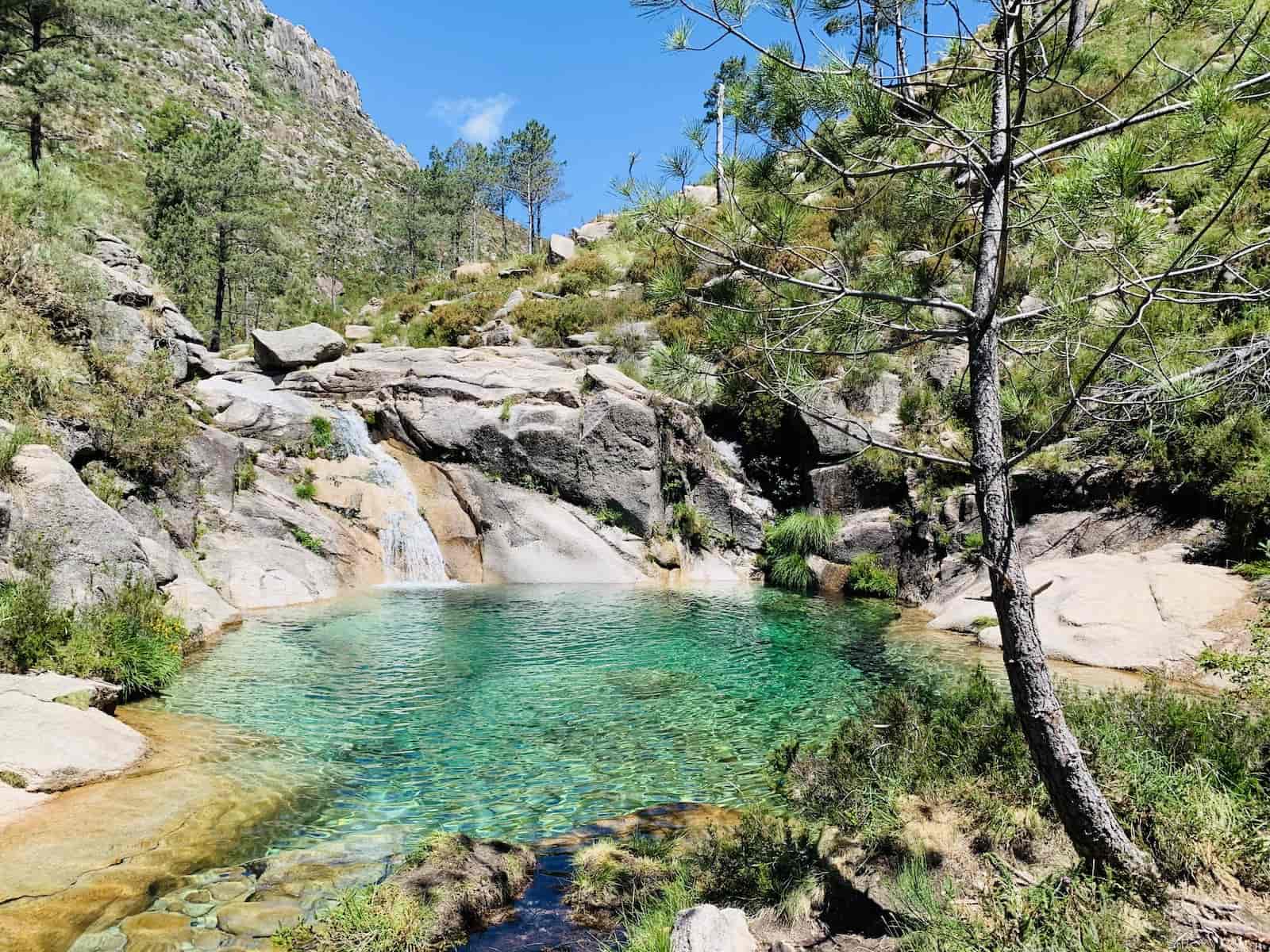
Peneda-Gerês is Portugal’s only (!) National Park and absolutely worth visiting from Porto if you’re into the outdoors, though it deserves more than a single day.
The park covers 72,000+ hectares across the Minho and Trás-os-Montes provinces and is home to wolves, deer, eagles, and some of the most dramatic hiking terrain in the country. It has the same wild feeling of my reminds me of my home island São Miguel and honestly that may be a reason for me to love it so much.
Popular places in Gerês National Park
- Cascata do Arado: getting there is tricky but this waterfall + swimming spot is a true Blue Lagoon moment.
- Cascata do Tahiti: there are dozens in Gerês, but this set of waterfalls is quite stunning.
- Mata da Albergaria: a dense centennial forest on the shore of the Homem river.
- Miradouro da Pedra Bela: the most famous viewpoint in Gerês.
- São Bento da Porta Aberta Church: a hilltop sanctuary worth a visit.
How to get to Gerês: Getting your own wheels and drive (~1h30) is essential as there’s no practical public transport into the park from Porto.
9Guimarães
A UNESCO World Heritage Site since 2011, Guimarães carries one of the heavier titles in Portugal: the birthplace of the nation. The country’s first king, Afonso Henriques, is believed to have been born here, and the decisive Battle of São Mamede was fought in this area, marking the beginning of the Kingdom of Portugal.
History aside, Guimarães is just a gorgeous place to spend a day. Guimarães Castle (Castelo de Guimarães) and the adjacent Palace of the Dukes of Bragança (Casa dos Duques de Bragança) are must-sees, but it’s the narrow cobblestone streets oozing with charm around Oliveira Square (Largo da Oliveira) that will win you over.
This is one of my absolute favorite cities in Portugal. Don’t skip it!
How to get there: 40 minutes by train or bus from Porto. Trains run frequently from Campanhã.
10Coimbra
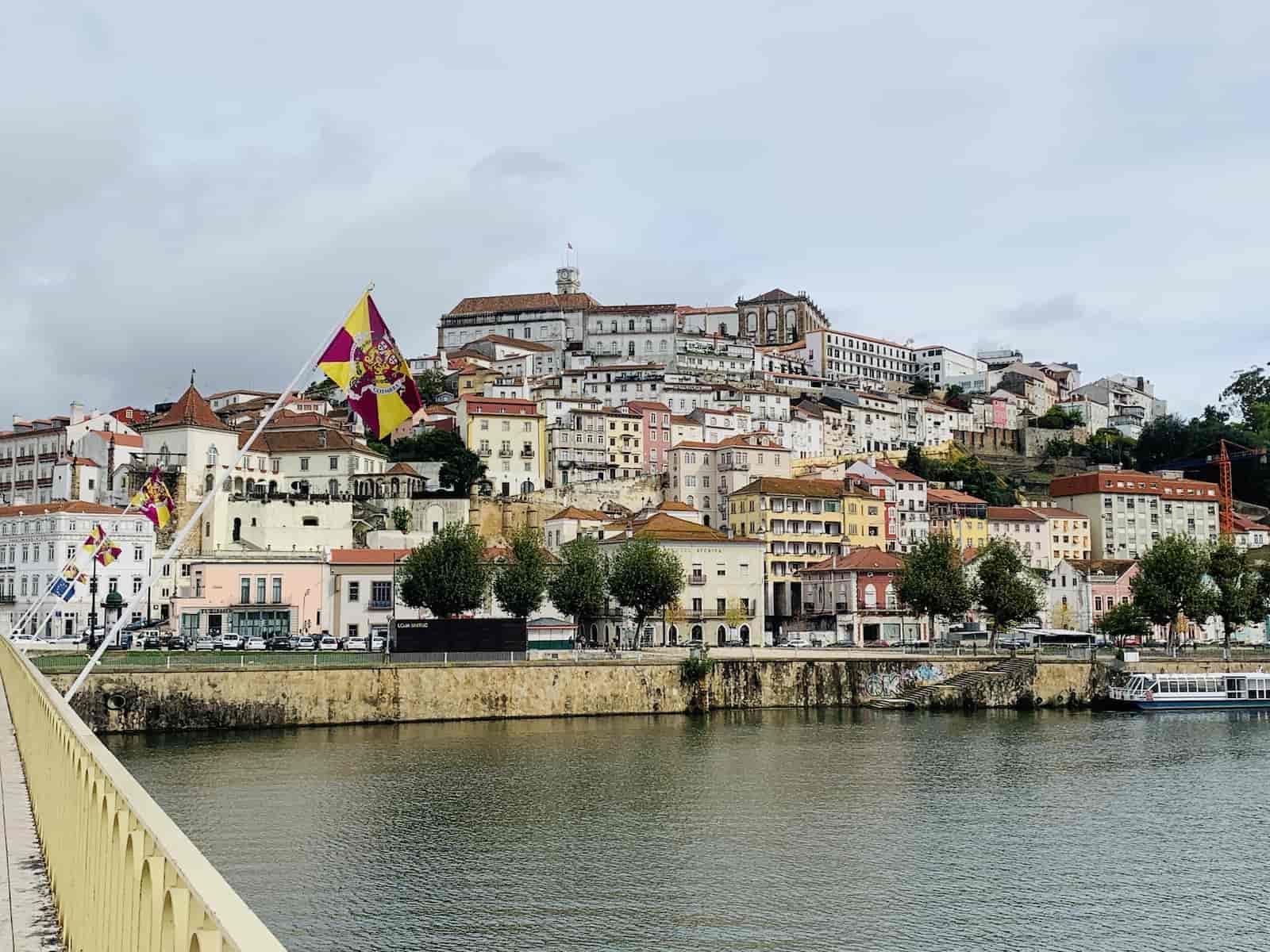
Coimbra is worth a day trip from Porto for its university alone. The University of Coimbra, founded in 1290, is one of the oldest in the world and – guess what – a UNESCO World Heritage Site too. It was built on the grounds of a former royal palace, perched on a hill above the Mondego river. The library inside (Biblioteca Joanina) is one of the most stunning Baroque rooms in Europe.
Beyond the university, the medieval old town, albeit needing some love, has depth. Sé Velha (the Old Cathedral) and Santa Cruz Church are architectural anchors. Quinta das Lágrimas adds some drama: it’s the setting of the tragic love story between Prince Pedro and Inês de Castro. Finally, the Jardim Botânico is a perfect place to slow down after a morning of monuments.
How to get to Coimbra: About 1 hour by train from Porto’s Campanhã station.
Top hotels in Porto
I’ve made the hard work for you. This is a pre-filtered list of hotels in the best areas to stay in Porto.
11Matosinhos
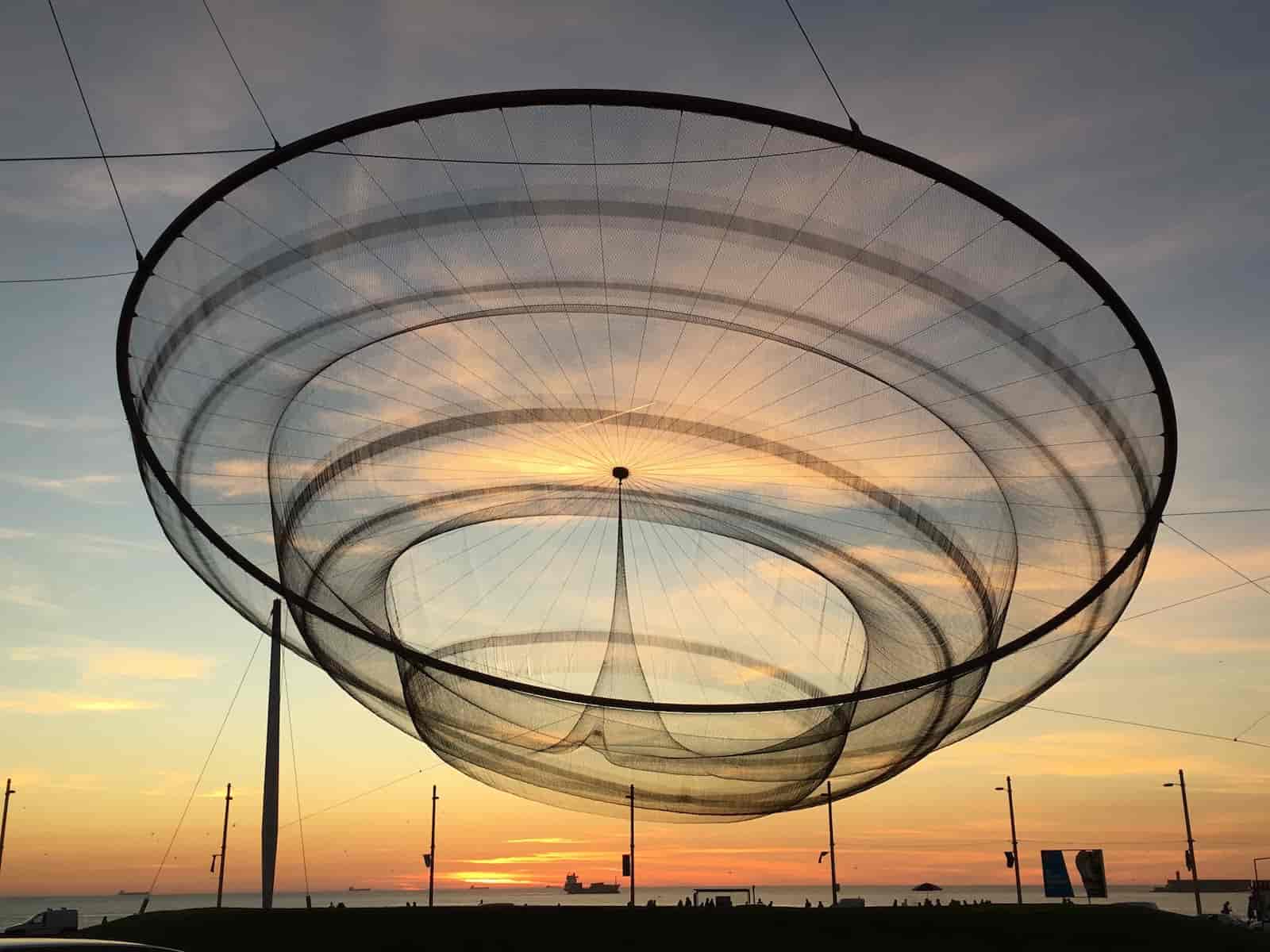
Matosinhos won’t win any awards for history or culture. So why is it on this list? Two words: fresh fish.
Matosinhos has one of the highest concentrations of quality seafood restaurants per square meter in Portugal. The fish comes straight from the nearby fishing port, same day. In summer, order sardines. That’s not a tip, it’s an instruction.
Beyond the food, it’s the most convenient trip on this list. Just 30 minutes by metro from Porto city center, and you’re next to the Castelo do Queijo, wide Atlantic beaches, and Parque da Cidade, Porto’s largest green space at 205 acres. It’s popular with locals that come here to read a book, jog or just unwind. This is also the spot of large events like Primavera Sound Festival.
How to get to Matosinhos: Metro Line A from central Porto, taking about 30 minutes.
12Beaches near Porto
SO. I’ll be honest with you upfront: Porto’s beaches are not Algarve beaches. The Atlantic here is cold, the wind (nortada) is relentless year-round, and the sea can be rough. If you’re expecting Maldives-like tropical turquoise water, you’re in the wrong place. If you want dramatic Atlantic scenery and good surf, these are worth exploring.
Here are some of best beach options near Porto:
- Espinho: 16km south of Porto, this seaside holiday resort boasts ample beaches and seafood restaurants.
- Gaia: the beaches here have superb infrastructure, with uber cool restaurants and bars.
- Leça da Palmeira: not my personal favorite beaches, but Piscina das Marés (a salt water pool complex), is a popular summer spot.
- Matosinhos: fantastic seaside promenade and packed with surf schools.
- Miramar: apart from beautiful beaches, this coastal town boasts an uniquely beautiful sight: a seaside church (literally on the rocks!) called Capela do Senhor da Pedra.
Planning Porto day trips & final tips
Northern Portugal is seriously underrated. Most visitors land in Porto for a weekend, eat francesinha, admire the river, and leave. The real depth of this region is in the countryside: wine valleys, national parks, medieval towns, and trails that still feel like a local secret.
Logistics are key though. Wondering if you need a car? For Douro Valley, Lamego, Paiva Walkways, Peneda-Gerês, Ponte de Lima, and Amarante, yes. For Braga, Aveiro, Guimarães, Coimbra, and Matosinhos, no. Train and bus connections from Porto are reliable and affordable.
As to the best transport combination, I recommend renting a car for at least 2–3 days if you’re staying for let’s say, a week. It basically unlocks the best destinations in northern Portugal. Compare car rental prices before booking, and prioritize local rental shops too.
Other useful resources to plan day trips in Porto
- Car rentals in Porto
- CP – public train operator in Portugal
- Pre-selected list of the best hotels to stay in Porto
- FlixBus and RedeExpressos are the two main coach buses operators in Portugal
Now go. The North is waiting.



















want to go from porto to fago drive or tour 5 days