
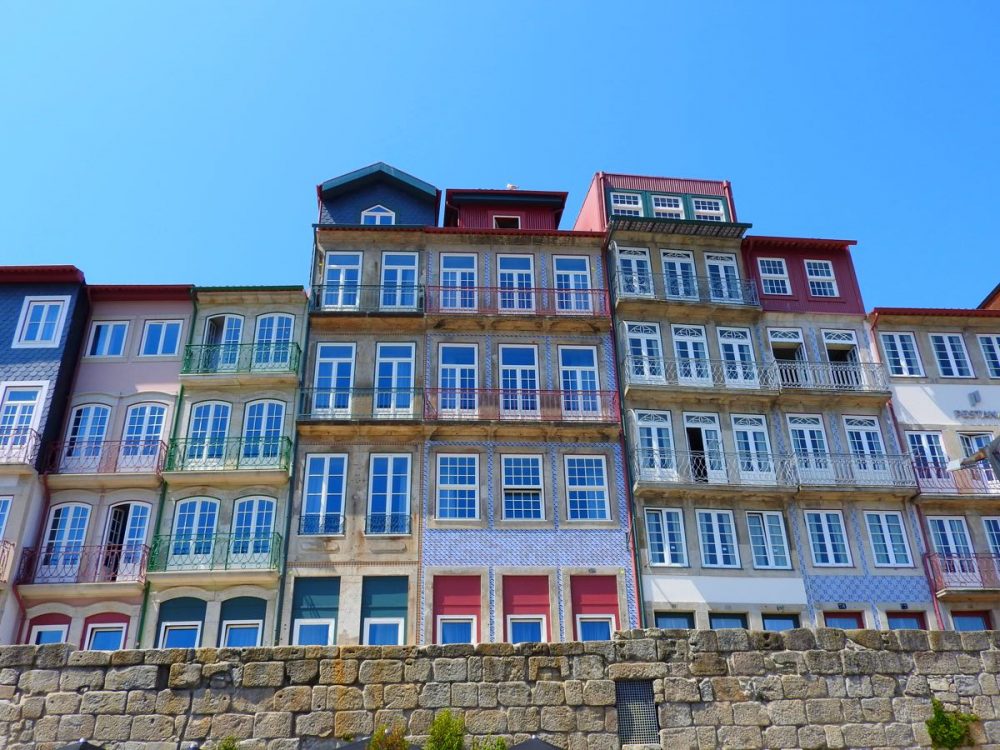
Three days in Porto is the sweet spot: enough to follow the Douro all the way to Gaia’s wine cellars, climb to the top of Clérigos Tower, get lost in Ribeira, and still have a morning left to eat a francesinha at a pace that does it justice. This itinerary covers the essentials without turning the city into a checklist. Porto doesn’t reward rushing. It rewards wandering.
🇵🇹 Porto Quick Tips
- 📅 Best time to visit: May to June or September to October. Avoid August if you dislike crowds and heat.
- 🏨 Where to stay: Aliados, Bolhão or Trindade for the best central access. Browse top-rated hotels in Porto.
- 💰 Daily budget: Expect to spend €50–80 per day including food, transport and entry fees.
- ✈️ Getting there: Porto Airport (OPO) connects directly to most European cities. The metro line E takes you to the city centre in ~30 minutes. Uber and Bolt are the other options.
- 🚗 Car rental: Only useful for day trips outside the city. Compare car rental prices here.
- 🎡 Book tours and attractions in advance, specially during peak months. GetYourGuide has a great selection.
What can you do in Porto in 3 days?
In three days in Porto you can cover the city’s two most distinct personalities: the medieval riverfront of Ribeira and the wine lodges of Vila Nova de Gaia on one side, and the grand uptown axis of Aliados, Clérigos and tile-covered churches on the other. Add a slower third day for Bolhão Market, the Atlantic-facing neighbourhood of Foz, and a final sunset over the Douro, and you leave with a complete picture of the city.
I lived in Porto on and off for more than two years. I know its steep streets well enough to pick the shortcuts, and its wine cellars well enough to know which ones are worth the extra hike uphill. Porto is a city that earns its reputation quietly, without the fanfare of Lisbon. Which is exactly why it tends to stick with people longer.
Porto has seen overnight stays more than double over the past decade, with the city now estimated to receive well over 6 million annual overnight stays and growing. The riverfront areas of Ribeira and Cais de Gaia are at capacity in peak season. For a more authentic experience, visit in spring (April to June) or early autumn (September to October), and stay in Aliados or Bolhão rather than Ribeira.
Follow the custom map below to navigate this itinerary. Green pins are Day 1, yellow are Day 2, red are Day 3. Purple pins mark suggestions for extra time.
Day 1: South Porto (Ribeira and Vila Nova de Gaia)
Day 1 is for the river.
Save Day 1 for whichever day has the best weather forecast. The riverfront, the wine cellars, and the views from Serra do Pilar are all significantly better with sun on them. If the forecast flips, swap Day 1 and Day 2 without any loss.
Sé Catedral do Porto (Porto Cathedral)
Sé do Porto was built in the 12th century, before Portugal even existed as an independent country, and some historians consider it the birthplace of the city. Its grounds sit on a hill with a commanding view over the rooftops below and the Douro beyond. The exterior looks more like a fortress than a church, which is exactly what it was meant to feel like.
Inside, the 14th-century Gothic cloister is covered in blue-and-white azulejo panels depicting scenes from the Song of Songs. It’s one of the finest tile installations in the country. The cathedral nave itself is free, so the cloister fee is the only decision to make.
Tips for Sé do Porto
- ⏱ Hours: Open daily 09:00–19:00 (closes at 18:00 in low season).
- 💰 Entry fee: The cathedral is free. Cloister and treasury: around €4.
- 💡 Pro tip: The terrace outside the cathedral is one of the best free viewpoints in Porto. Go before the tour groups arrive.
Ponte Dom Luís I
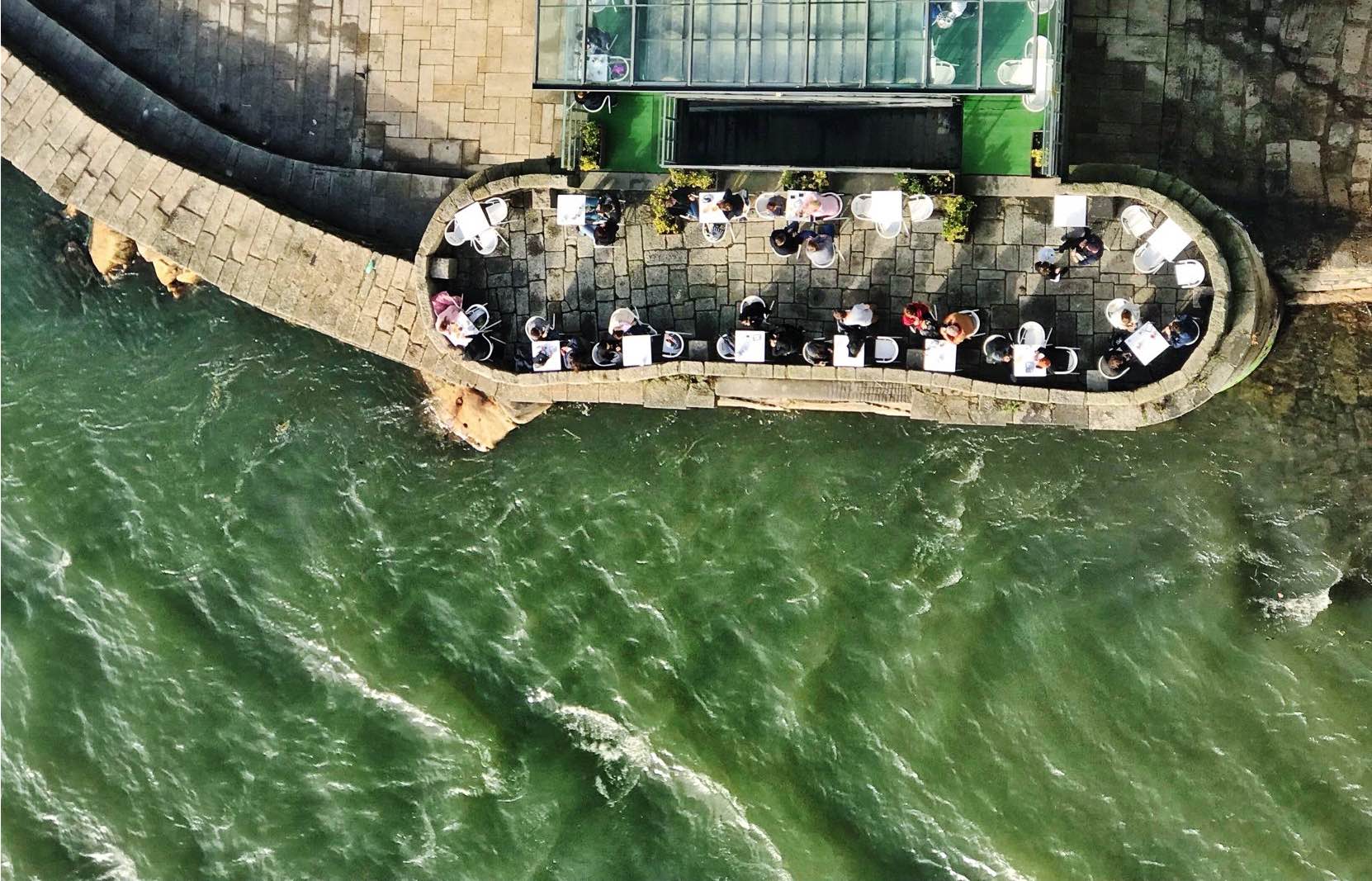
Completed in 1886 and designed by Théophile Seyrig (a collaborator of Gustave Eiffel), Ponte Dom Luís I spans the Douro on two levels. The lower deck connects Ribeira to Cais de Gaia by car and on foot. The upper deck carries the metro and offers some of the most photographed views in Portugal.
Cross the lower deck going to Gaia for the wine cellars, then come back across the upper deck later. The upper deck walk is exhilarating, with the river 45 metres below and the entire Porto skyline stretching out behind you. As someone who has a complicated relationship with heights, I found this particular crossing memorable in ways I hadn’t planned for. The metro does not slow down for ambivalent Azoreans.
Crossing Dom Luís Bridge
- Lower deck: Easy walk for pedestrians. Go this way to reach Gaia’s wine cellars.
- Upper deck: Metro runs here. Pedestrians can also cross. Views are spectacular but the deck is open and can be windy. Return this way for the full experience.
- 💡 Pro tip: Take the Teleférico de Gaia (cable car) down from the upper deck level to the riverfront. €6 one way, worth it for the views alone.
Igreja de São Francisco
Right next to the river in Ribeira, Igreja de São Francisco is Porto’s finest example of Gothic architecture on the outside. Step inside and the style changes completely: the interior is considered one of the most elaborate Baroque interiors in Portugal, with an estimated 400kg of gold leaf applied to the carved woodwork over centuries.
Whether you pay to go inside depends on your tolerance for ornate religious interiors. If you’ve already seen a lot of Portuguese churches, you might be satisfied with the exterior and the small catacombs. If it’s your first trip to Portugal, go inside.
Tips for Igreja de São Francisco
- ⏱ Hours: Open daily 09:00–20:00 in summer, 09:00–17:30 in winter.
- 💰 Entry fee: Around €5 for adults.
- 💡 Pro tip: If you’re on a tight budget and mostly want azulejo-covered church facades, Igreja das Almas near Bolhão is spectacular and free from the outside.
Ribeira District
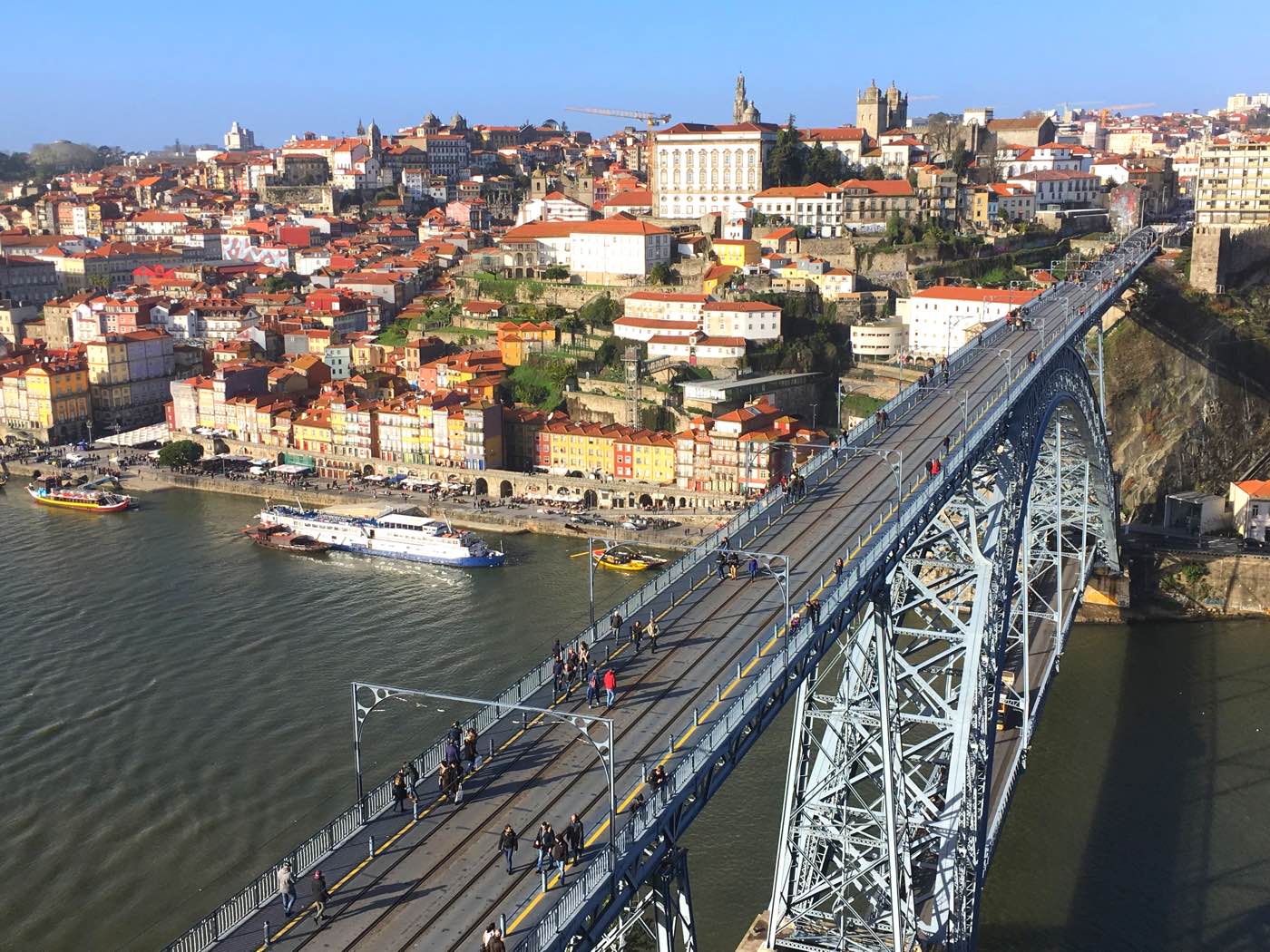
Ribeira is a UNESCO World Heritage Site and the most photogenic corner of Porto: medieval houses stacked up the hillside, all tile and laundry and faded colour, with the Douro as a constant backdrop. It’s also thoroughly colonised by tourism at this point. The cafés on the riverfront are overpriced, the restaurants on the main drag have hawkers outside, and the summer crowds make any attempt at atmosphere difficult.
The trick is to walk one or two streets back from the water. The tourists thin out almost immediately, and you start finding hole-in-the-wall tascas, elderly residents on doorsteps, and corners the Instagram algorithm hasn’t reached yet. Ribeira rewards the slightly lost visitor more than it rewards the direct one.
Port Wine Cellars in Vila Nova de Gaia
Cross to Gaia via the lower deck of Dom Luís and head uphill from the riverfront. The wine lodges closest to the water are the most commercial and least interesting. The higher you go, the better the tasting experience tends to be.
Port wine production is fascinating: the grapes come from the Douro Valley 100km to the east, were historically carried downriver in flat-bottomed boats called rabelos, and then aged in Gaia’s granite warehouses before being shipped worldwide. The whole system was formalised in 1756, making the Douro one of the world’s oldest demarcated wine regions.
Port wine cellars worth visiting 🍷
- Taylor’s: The most atmospheric setting, excellent outdoor terrace, and a self-guided audio tour. Well-suited if you want photography-friendly cellars and quality tasting. Prices around €15–20 per person.
- Croft: A guided experience with 3 Port wines including the world’s first rosé Port. Add a cheese pairing if you can. One of the more personal experiences on offer.
- 💡 Rule of thumb: The higher up from the river, the better the quality. Avoid any lodge with a giant sandwich board on Cais de Gaia offering €5 tastings.
Miradouro da Serra do Pilar
A short walk uphill from the wine cellars, Serra do Pilar is the best panoramic viewpoint in Porto. From here you can see Ribeira spread across the hillside below, four bridges over the Douro, and the full sweep of the city’s skyline. At sunset, with the bridge lit up and the light going golden across the river, it’s one of those views that makes you reach for your phone even if you’ve sworn off travel photography.
If the climb feels like too much, the garden at Jardim do Morro just below is also a solid option for the same direction of view, at a lower elevation and with more shade.
Pre-filtered list of hotels in the best central areas, all rated 8 or above.
Day 2: Uptown Porto (Aliados, Clérigos and the Tile Trail)
Day 2 moves uphill and inland, through the grand civic spaces and Baroque bell towers that make the upper city its own kind of spectacle. This is a day for architecture, bookshops, and peacocks.
Estação de São Bento
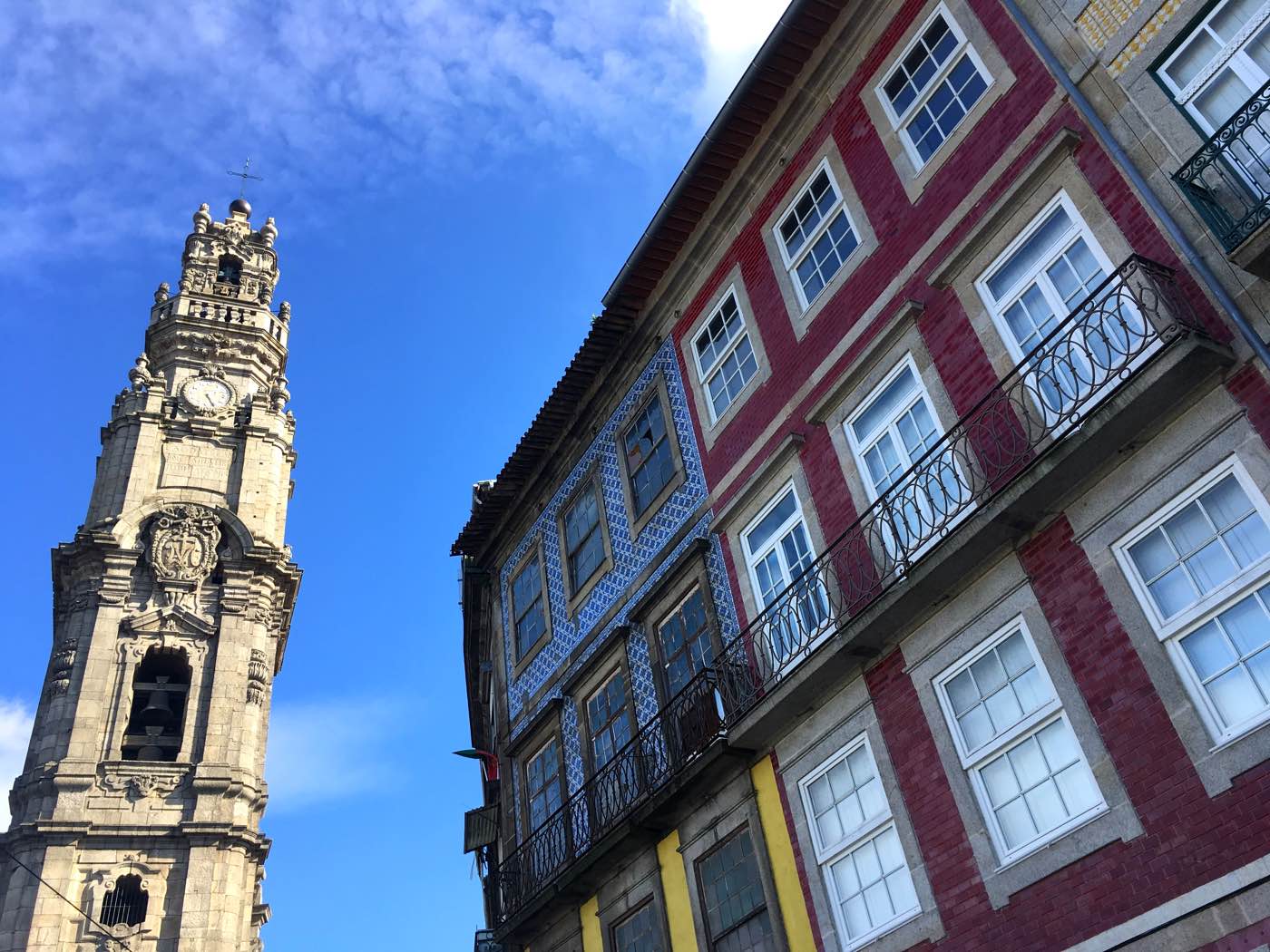
Start at Estação de São Bento, one of the most celebrated train stations in the world for one very specific reason: the entrance hall is covered in over 20,000 azulejo tiles painted by Jorge Colaço between 1905 and 1916, depicting scenes from Portuguese history and rural life. It took 11 years to complete. It repays at least 10 minutes of unhurried looking.
The station is still a working hub. Trains to Aveiro, Braga and Guimarães depart from here, all of them solid day trip options from Porto. If you arrive in Porto from Lisbon by train, note that you’ll arrive at Campanhã (the main station) rather than São Bento. A connecting train to São Bento runs frequently at no extra cost.
Avenida dos Aliados
Avenida dos Aliados is Porto’s main boulevard: wide, granite-paved, and flanked by grand Beaux-Arts buildings housing banks, hotels, and theatres. The town hall anchors the northern end. It’s the one stretch of the city where Porto feels like a proper European capital rather than a steep maze of medieval streets, and the contrast with everything else is part of the point.
Stop for a coffee at one of the cafés here before heading west toward Clérigos. The coffee culture in Porto is strong and unpretentious. A café (espresso) costs around €0.80–1.20 almost anywhere that isn’t a hotel lobby.
Torre dos Clérigos
Torre dos Clérigos is the defining landmark of Porto’s skyline, a Baroque bell tower designed by Italian architect Nicolau Nasoni and completed in 1763. At 76 metres tall, it remains the tallest bell tower in Portugal. Climbing all 225 steps is exactly as breathless as it sounds, and the 360-degree views from the top are exactly as worth it.
The south-facing view is the highlight: Ribeira’s tiled rooftops tumbling downhill toward the Douro, with the Dom Luís bridge framing everything and Gaia beyond. Book tickets online to avoid the queue at the door, especially in summer.
Tips for Torre dos Clérigos
- ⏱ Hours: Open daily 09:00–19:00. Extended to 23:00 during summer, Easter and Christmas.
- 💰 Entry fee: €8 for adults, includes the Clérigos Museum. Church is free.
- 💡 Pro tip: Go early morning or late afternoon to avoid the midday crowds. The nighttime opening in summer is worth it.
- 💻 Website: Torre dos Clérigos
Livraria Lello
A five-minute walk from Clérigos, Livraria Lello opened in 1906 and has spent the decades since becoming one of the most visited bookshops in the world. The neo-Gothic facade, the carved wooden interior, the sweeping crimson staircase, and the stained-glass ceiling inscribed with Decus in Labore (Dignity in Work) are all exactly as extraordinary as the photographs suggest. The crowds are also exactly as thick.
Entry costs €10, fully redeemable against any book purchase inside. Buy your timed entry slot online in advance, as same-day walk-ups are often sold out by late morning. The connection to J.K. Rowling and Harry Potter is much debated, but what’s not debated is that the staircase is one of the most photographed interiors in Portugal for good reason.
Tips for Livraria Lello
- ⏱ Hours: Open daily 09:00–19:00. Closed on January 1st, Easter Sunday, May 1st, June 24th and December 25th.
- 💰 Entry fee: €10 per adult, fully redeemable on books. Children under 3 free.
- 💡 Pro tip: Buy a book. The €10 essentially becomes free if you pick up one of Lello’s own editions. Cheaper than most airport bookshops.
- 💻 Website: Livraria Lello
Igreja do Carmo
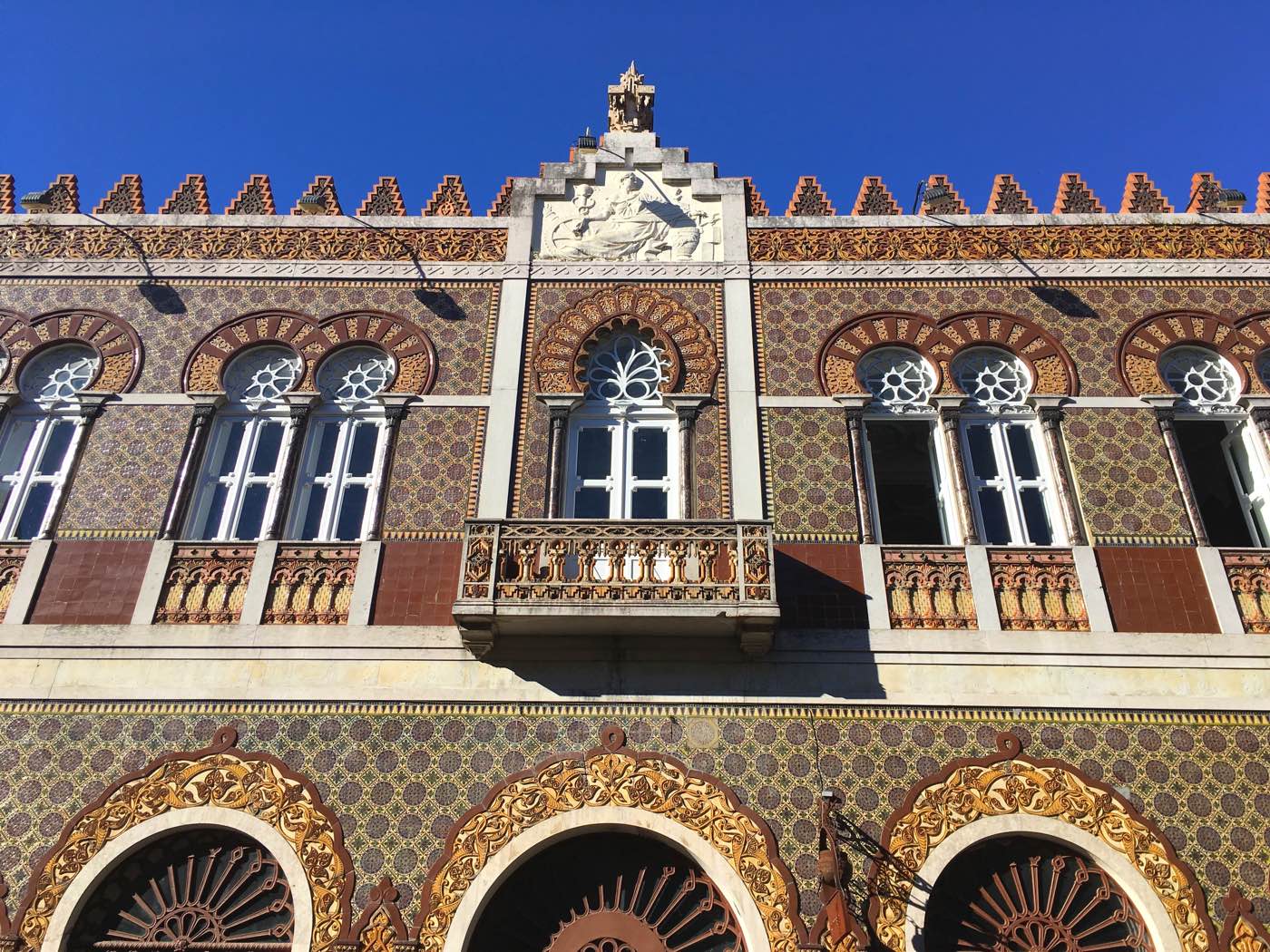
Dating from the 18th century, Igreja do Carmo is famous for its side wall, entirely covered in a vast azulejo panel depicting scenes from Carmelite history. It’s one of Porto’s most photographed exteriors, and the viewing is free from the street.
What many visitors miss is the architectural footnote next door: Carmo and the adjacent Carmelitas church are technically two separate buildings, separated by what is often cited as the narrowest house in Portugal, a one-metre-wide structure built specifically to keep the male and female religious orders from sharing a wall. Porto’s approach to ecclesiastical property disputes was evidently very literal.
Jardins do Palácio de Cristal
End Day 2 at Jardins do Palácio de Cristal, the garden that Porto residents use as their collective exhale. Rose gardens, fountains, peacocks wandering at will, and views over the Douro and Gaia that stretch all the way to the Atlantic on a clear day. Entry is free. The Wi-Fi also works, if you need that in a garden.
There’s no better place to finish an uptown day: sit on one of the benches facing the river, watch the peacocks assess you with appropriate disdain, and let the city settle into something calmer than it was at noon.
Tips for Jardins do Palácio de Cristal
- ⏱ Hours: Open daily 08:00–21:00 (Apr–Sep) and 08:00–19:00 (Oct–Mar).
- 💰 Entry fee: Free.
- 💡 Pro tip: The western edge of the garden has the best river views. Follow the signs toward the viewpoint rather than stopping at the main lawn.
Day 3: Slow Porto (Bolhão, Bonfim and Foz do Douro)
Day 3 is for the Porto that doesn’t make it onto most itineraries. No queues, no famous landmarks. Just the city at its most domestic, followed by the Atlantic at its most Porto.
Mercado do Bolhão
Mercado do Bolhão has been Porto’s central market since 1914. It closed for a five-year renovation in 2018 and reopened in 2022, with the original neoclassical iron structure intact and several of its longest-running traders still in place, some with over 50 years of history at the same stall. Buy cheese, cured meats, fresh bread, or just walk the balconied galleries and watch the morning business happen around you.
This is where Porto does its shopping. It’s also where a francesinha breakfast at the market café makes considerably more sense than it does at 8pm.
Bonfim and Rua de Miguel Bombarda
Bonfim is the neighbourhood that the creative crowd moved to when Rua das Flores got too expensive. Independent concept stores, galleries, vintage shops, and coffee places that have their own approach to coffee. Rua de Miguel Bombarda, parallel to the market, is Porto’s de facto gallery street, with openings usually happening on Saturday afternoons.
If you’re in Porto on a Saturday, this is where to be in the morning. The rest of the week it’s quieter but still worth a wander as a counterpoint to the tourist-heavy Ribeira.
Foz do Douro
Foz do Douro is where the Douro meets the Atlantic, and where Porto’s wealthier residents have always preferred to live. The neighbourhood has a seaside character entirely different from the rest of the city: wide Atlantic beaches, coastal promenades, and outdoor seafood restaurants with views that justify the slightly higher prices.
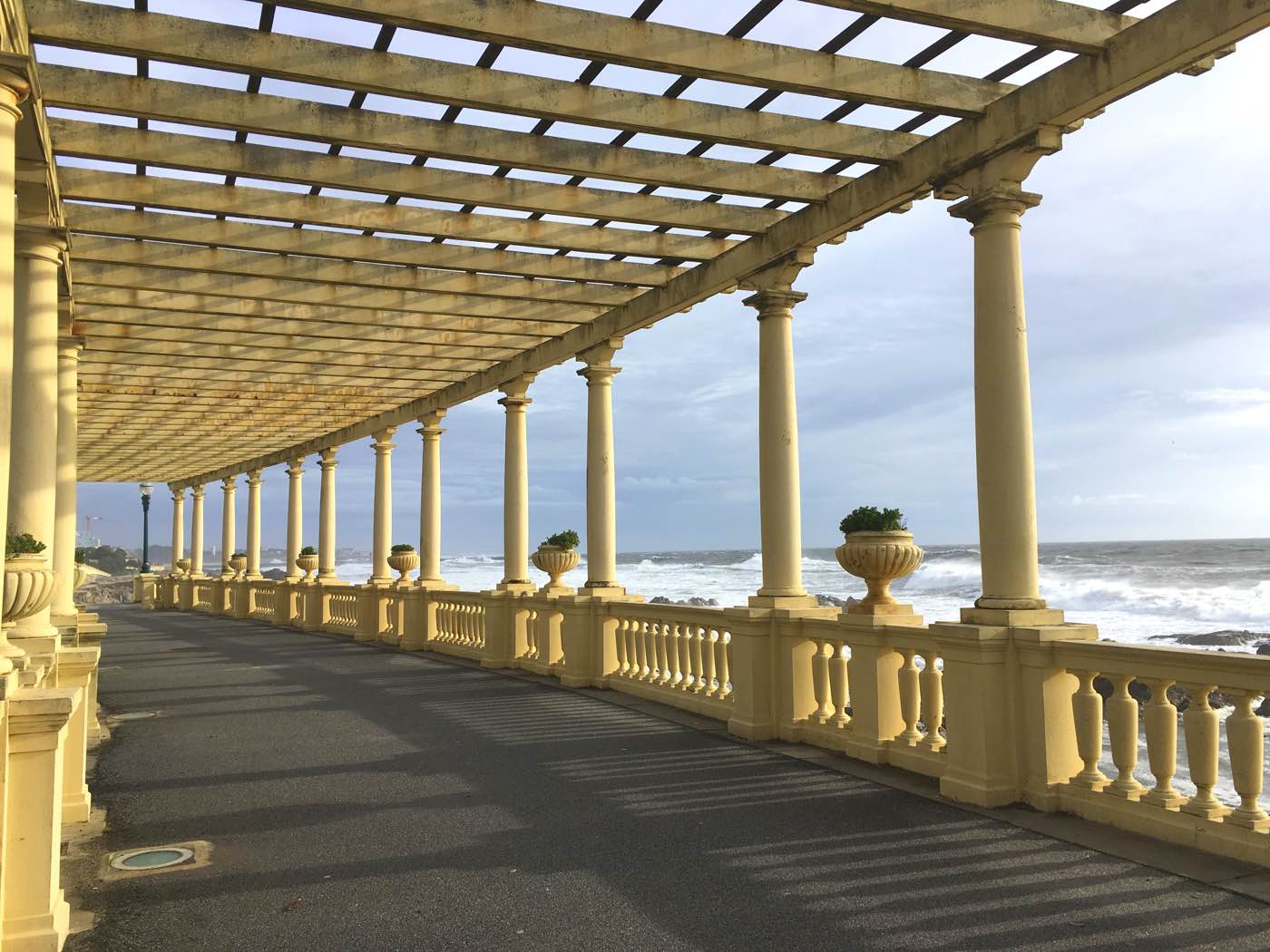
Visit Castelo do Queijo on the headland, walk the Pérgola da Foz promenade, and sit on the beach if the weather cooperates. The waves here are proper Atlantic waves. Foz is also a popular surf spot for good reason.
How to get to Foz do Douro
- Bus: Take the 500 bus from Praça da Liberdade in Aliados. Cheap, direct, and frequent. Get off before Matosinhos.
- Tram: The historic tram line 1 runs from Infante (Ribeira district) to Passeio Alegre in Foz. Slower and more expensive, but the ride along the river is a pleasant experience in itself.
- Uber: Around €8–10 from the city centre.
If you’re in Porto on the night of 23rd June, you’re in Porto for São João, one of the largest street festivals in Europe. The entire city stays up until dawn, sardines are grilled on every corner, and the traditional activity involves hitting strangers on the head with plastic hammers (this is real). Book accommodation months in advance, avoid staying in Ribeira that night, and arrive with no plans. São João makes its own plans for you.
Extra days and day trips from Porto
If you have more than three days, Porto rewards the extension. My full list of best day trips from Porto covers everything within reach. Here are the highlights.
Guimarães
The easiest and most satisfying day trip from Porto. Guimarães is widely considered the birthplace of Portugal, where the first King, D. Afonso Henriques, was born in 1109. The medieval centre is beautifully preserved, the castle is compact and interesting, and the whole visit takes a comfortable half-day. Train from São Bento in about an hour.
Douro Valley
About 100km east of Porto, Douro Valley is a UNESCO World Heritage Site, one of the world’s oldest demarcated wine regions, and the source of every bottle of Port wine you’ll drink in Gaia’s cellars. The terraced vineyards are spectacular. You need a car or a day tour to do it justice, and ideally a second night.
Braga
Portugal’s most religious city and one of its most underrated. Braga has a handsome historic centre, excellent restaurants, and the extraordinary staircase sanctuary of Bom Jesus do Monte just outside town. About an hour by train from São Bento.
Casa da Música
If contemporary architecture or live music is your interest, Casa da Música is worth a visit. Designed by Rem Koolhaas and opened in 2005, it was built as Porto’s European Capital of Culture landmark and remains the city’s main venue for concerts and cultural events. The building itself is a deliberate provocation, worth seeing from the outside regardless of what’s on. Check the programme in advance at casadamusica.com.
Where to stay in Porto
Porto’s city centre is compact. Staying anywhere downtown puts you within walking distance of every major sight, which means the neighbourhood choice is more about atmosphere than convenience.
My preferred areas are Aliados, Bolhão and Trindade. Not the prettiest parts of the city, but they’re public transport hubs, have the best everyday restaurant options, and keep you close to everything without the tourist saturation of Ribeira. Ribeira and Rua das Flores are charming but very touristy, and the noise on summer nights can be significant.
For the full breakdown of Porto’s best areas, read my Porto city guide.
Boutique hotel in Porto
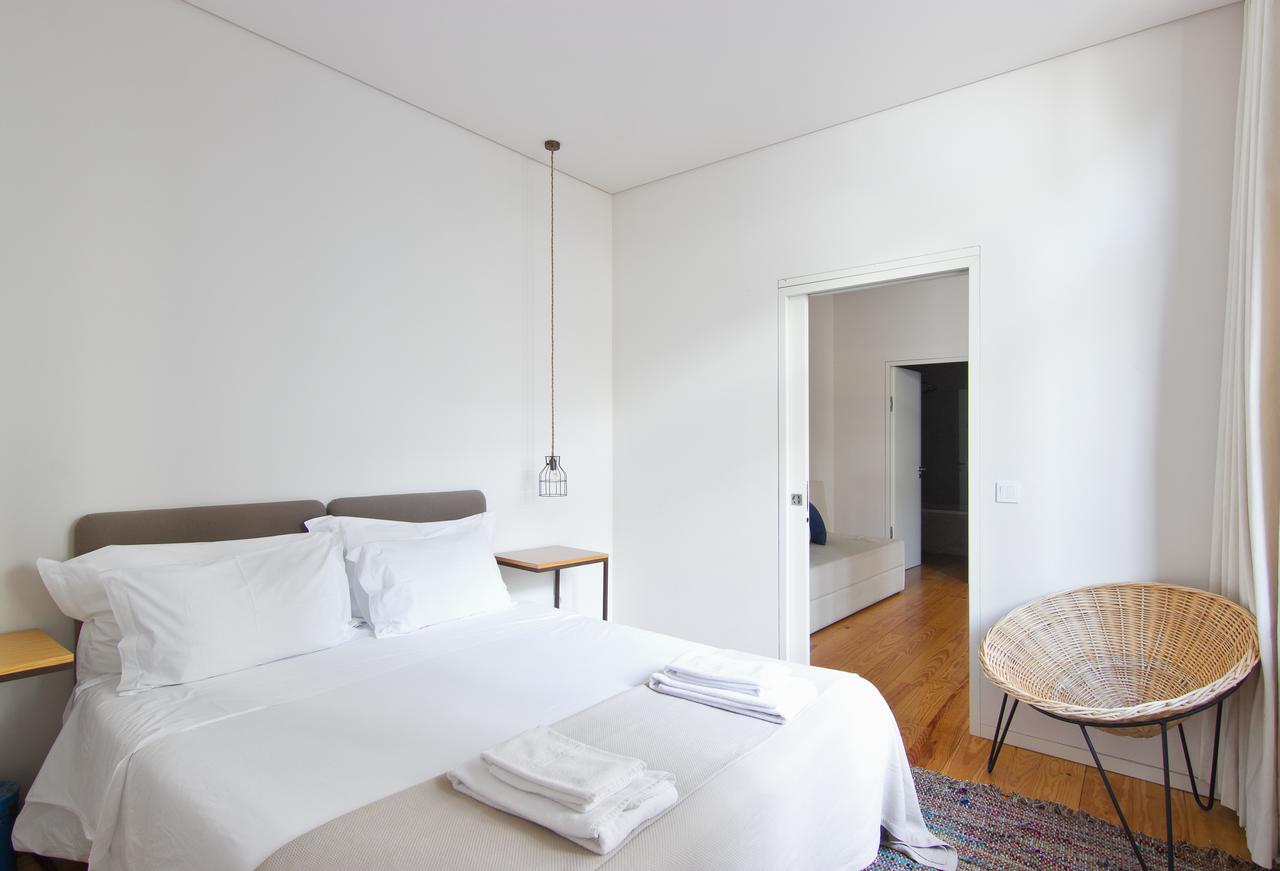
I didn’t just stay here. I lived here for five months. Minimal, modern, impeccably maintained, and right in the heart of Aliados. One of Porto’s best-kept accommodation secrets.
Mid-range hotel in Porto
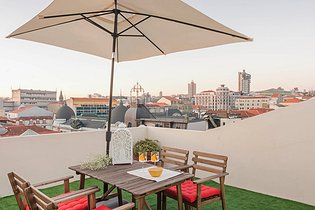
Superbly located next to Bolhão market and the main shopping street. Clean, modern, and central without the Ribeira premium.
Insider tips for Porto
- You are not leaving Porto without eating a francesinha. A layered meat sandwich drowned in a spiced beer-and-tomato sauce that sounds architecturally wrong but tastes like an excellent decision. My recommendation is Brasão, near Aliados. Order it for lunch and have something light for dinner. Your arteries will appreciate the compromise.
- Lunch menus (menu do dia) are one of Portugal’s great value propositions. Expect soup, main and a drink for €9–12 in any non-touristy restaurant near Aliados or Bolhão.
- Avoid taxis from the airport. The metro line E (Violet line) takes you to the city centre in around 30 minutes and costs €2.10. Uber is also reliable and far cheaper than taxis.
- Tipping is optional. Only do it if the service earned it.
- Avoid restaurants right on the Ribeira waterfront unless you’ve specifically verified them. Yes, the views are lovely. The price-to-quality ratio is frequently not.
- If you want to eat seafood and are willing to go slightly further, Matosinhos (just north of Foz) is the best option. The restaurants around the fish market there are the real thing.
Is Porto worth 3 days? Absolutely. Here’s what to expect.
Porto is the city that surprises people who thought Lisbon was going to be the highlight. The hills are steeper, the weather is less reliable, and there’s a certain granite stubbornness to the place that takes a day to warm up to. By day three, most visitors are quietly trying to figure out how to extend the trip.
Three days gives you enough. Not enough to exhaust Porto, which I’m not sure is even possible, but enough to understand why it sticks. If this itinerary helped, check out the Porto city guide for a deeper look at food, culture and what to avoid, and the Porto vs Lisbon guide if you’re still deciding between the two. Drop any questions in the comments.
Frequently asked questions about visiting Porto
Is 3 days enough for Porto?
Three days in Porto is enough to cover the main highlights comfortably. You can fit the Ribeira riverfront and wine cellars, the uptown area around Clérigos Tower and Livraria Lello, and still have a relaxed third day for the market and Foz do Douro. If you want to add a day trip to Guimarães or the Douro Valley, extend to four days.
What is the best time to visit Porto?
The best time to visit Porto is May to June or September to October. The weather is warm but not extreme, the crowds are manageable, and prices are lower than peak summer. July and August are the busiest months. June 23rd brings the massive São João festival, which is spectacular if you plan for it and chaotic if you don't.
Is Porto expensive?
Porto is one of the more affordable city break destinations in Western Europe. Expect to spend around €50–80 per person per day covering accommodation, meals and entry fees. A coffee costs around €1, a lunch menu runs €9–12, and most major attractions charge between €5 and €10. Port wine tastings in Gaia start from around €15 for a quality experience.
How do I get around Porto?
Walking is the best way to see Porto, though the hills are steep enough to count as exercise. For longer distances, the metro is efficient and covers the airport, city centre and Matosinhos. Buses fill the gaps. Uber is cheap and reliable. The historic trams are scenic but slow and expensive for daily transport.
What is Porto famous for?
Porto is famous for Port wine, the azulejo tile-covered buildings, the Dom Luís I bridge over the Douro, the UNESCO-listed Ribeira district, and the francesinha sandwich. It's also the birthplace of Portugal and home to Livraria Lello, one of the most architecturally celebrated bookshops in the world.
Is Porto safe for tourists?
Porto is a safe city for tourists. Violent crime is rare. The main risk is pickpocketing in crowded tourist areas like Ribeira and on public transport. Keep your phone in a front pocket, don't leave bags unattended, and you'll have no issues.













Great itinerary!! We followed the whole thing for the most part and had an amazing time! Although, we arrived early in the morning on a Thursday and were able to do almost everything on the Day1 and Day2 itineraries in just one day. So, our second day we went to Foz do Douro and had a spectacular time getting lost among the pretty rocks. Foz do Douro is also a great spot for taking pics by the way! Porto is now my favorite city that I have been to in Europe! I’m already missing all the pastel de nata!!
Great blog! I’m going to be in Porto for three days at the beginning of August. I’d like to see the Douro Valley. Do you have any recommendations for a cruise or other tour? With or without wine tastings?
Thanks!
Thanks so much for all this info!! Especially for the restaurant recommendation, Taberna dos Esquecidos was amazing!!!
Hey,
this article is excellent. We are travelling to porto in a few days and plan to drive to duoro valley by pinhao region to do a wine tour. Can you recommend some places we should visit before we get to pinhao. Also, do you recommend visiting cities like braga or any other cities you can recommend up north that you believe is a must visit.
Dear Bruno!
I am a world traveler, been to 6 continents, plan my trips with a lot of attention to detail and use various travel sites to help me out. However, I have never ever experienced such a wonderful source of information as your blog! What a tremendous help! You not only give incredible detailed information but you offer real, genuine experiences that people need in order to make their trips a success. Nothing is overlooked! It’s “real people” advice. I just had to write to say “thank you”! You have saved me hours of research.
I will write again if questions come up but for now, I just wanted to say thanks. Questions are scarce when given such full descriptions and information such as what you offer!
THANK YOU!
Steven
Wow thank you so much Steven, I’m really happy my content has been useful.
It’s always nice to hear good feedback, especially when it comes from a travel expert like you!
Happy travels! 🙂
Hi! I really enjoyed your write ups on Porto and Lisbon. Wifey and I are headed to both July and will be using a lot of your tips. One question for you. For the boat trips in Porto, is that something we need to book in advance? And if so, is there a company you recommend? We thought the idea of a boat ride with the live fado music would be very cool. Thanks again!
When you say boat trips, I assume it’s the short river cruises. For those, you don’t need to book in advance.
It’s a nice ride (although super touristy!).
Great, easy to understand recommendations. We are coming to Porto by train at the end of May. What do you think of Graham’s for Port tasting and any specific restaurants you recommend for picky teenage girls? Thanks
Never been to Graham’s, I do recommend the ones above.
As for restaurants for the girls, traveling and tasting local food is the best opportunity to make them less picky! 🙂
thanks man…great insights
Thank you for passing by!
Hi Bruno, thank you for the tips!
your conent is really interesting, but unfortunately not being able to right-click on the various links (as to open them in background tabs) makes it a bit difficult to use your website. Is there a reason for that?
Greetings from Germany!
Sorry for the inconvenience, but all the links should open in background tabs by default.
Going to Portugal 2/28/19-3/11/19 hoping to drive the coast
Have a great trip Arthur!
Awesome article and am not going to read anything anymore and just follow this. To Duro Valley, would you suggest a cruise or drive?
Thanks Kavya!
Depends on where you want to go – the cruises are definitely more scenic, but driving is nice too and gives you extra flexibility. If it’s just a small taste, you can hop on a train to Pinhão (2h) from São Bento.
I found everything I was looking for in your blog. Thumbs up to your effort!
Thank you Leni, that is recomforting to know. Have a good trip!
your itinerary plan for Porto seems perfect for any visitor, it sounds like it sounds like my weekend plan
What are you waiting for? 🙂
Porto looks awesome from every perspective. From reading this post, this looks like a perfect destination for indoor and outdoor tourists. I would definitely love to visit this place.
You most definitely should, small city but packed with good things 🙂
Thank you so much for sharing a great information. I appreciate your time and effort in your work. Keep posting.
Thanks.
We will be doing Lisbon, Obido, Aveiro, Porto, Amarante, Pinhao, Belmonte, Marvao, Evora, , Sintra, and Lisbon, Any ideas for moderate accomodations???
I can’t give you suggestions for accommodations in all those places, but I encourage you to read my other blog posts.