
This is the exact Greece itinerary I followed on my first trip: Athens, the Peloponnese, Santorini, Koufonisia, and Mykonos. Each stop is reviewed with real opinions, 2026-updated logistics, and the planning details you won’t find in a generic listicle.
Greece has a lot of hype as a travel destination. Most of it is earned. The food is that good, the islands are that beautiful, and the history runs deeper than anywhere else I’ve been.
But there is a version of Greece that most first-timers miss because they go straight for Santorini and Mykonos and call it done. Nothing wrong with those islands. I went to both. I just think Greece deserves more than a highlight reel.
This itinerary covers five stops that gave me a real cross-section of the country. Athens for the history. The Peloponnese for the local side of things. Santorini because it lives up to every photo. Koufonisia because I needed to decompress. And Mykonos because I felt obligated (verdict: mostly justified, slightly overrated). Yassou Greece! 🇬🇷
Quick tips for Greece 🇬🇷
- 🏨 For most first-timers, staying in Plaka or Monastiraki in Athens is the best base: central, walkable, and close to the Acropolis. Check my full Athens accommodation guide below.
- 🛳️ You’ll need ferries to hop between islands. Book through Ferryscanner or direct with the ferry companies. Do it well in advance in summer, routes sell out.
- 🚇 Getting from Athens Airport to the city center: Metro Line 3 costs €9 and takes 40 minutes. You can now tap a contactless card directly. Taxis run a fixed €40 daytime / €55 night.
- 💳 Rental cars make a huge difference in Greece. On the islands, a quad bike or scooter is an alternative for extra dose of adventure.
- 🔒 Travel insurance is always worth it. I use Heymondo.
- 🎫 Book attraction tickets (Acropolis, Acropolis Museum) online in advance. Walk-up queues in summer are brutal.
Is 2 weeks enough for Greece?
Two weeks is enough to do Greece properly. It is not enough to do Greece completely, and that’s an important distinction.
The country spans hundreds of islands and a mainland large enough to fill a month on its own. Within 14 days, the goal is to pick a smart mix that shows you different sides of the country, not to check off every postcard.
Here’s how my two-week itinerary broke down:
- Athens: 3 days
- Peloponnese: 2-3 days
- Santorini: 2-3 days
- Koufonisia: 3 days
- Mykonos: 2 days
The logic behind this mix: you get ancient history in Athens, an authentic mainland experience in the Peloponnese, the full-spectacle island at Santorini, a quiet escape at Koufonisia, and the party island at Mykonos. It covers Greece from several angles without feeling rushed at any of them.
The itinerary stops in detail
Athens (Αθήνα): history that hits different
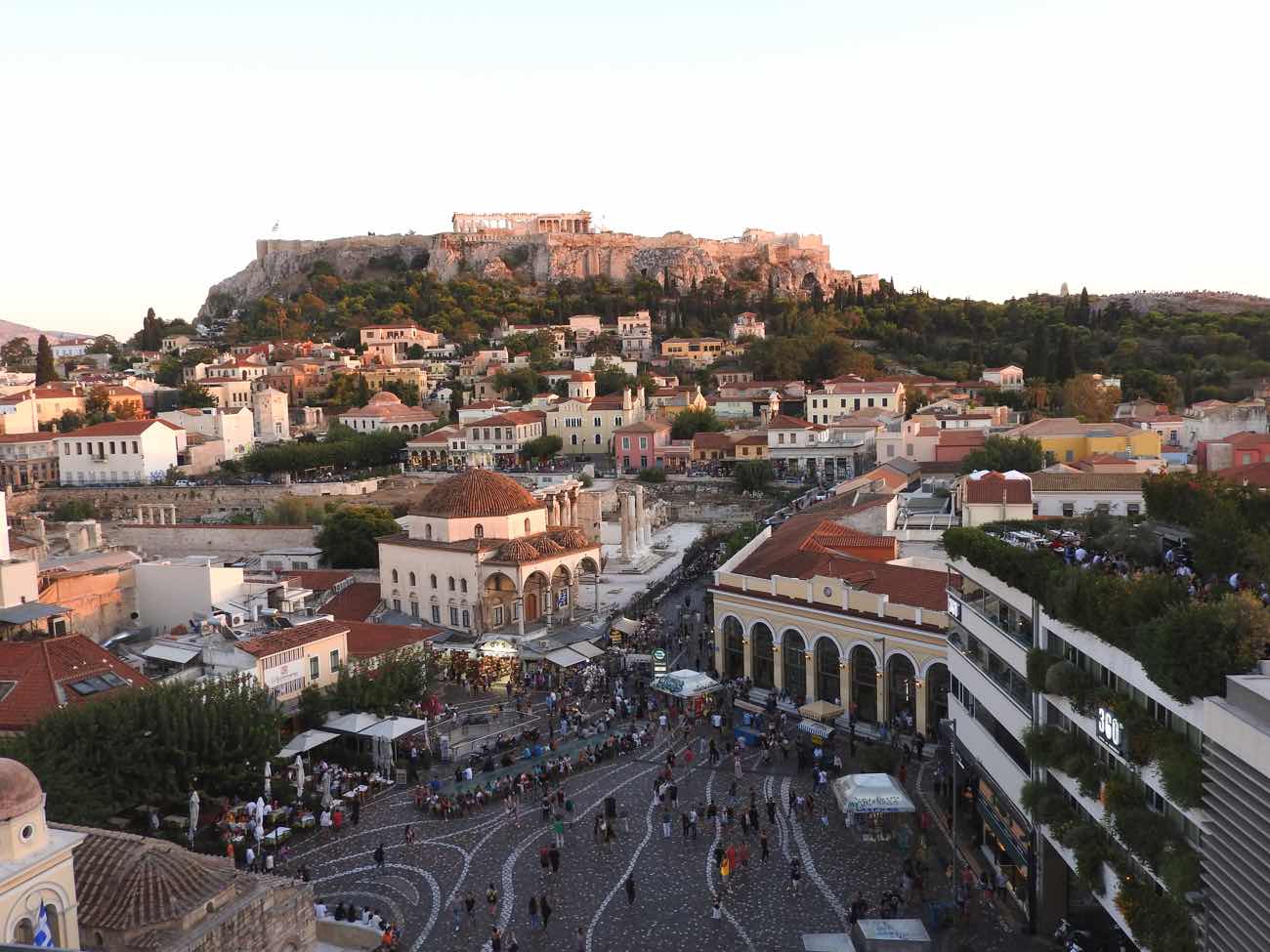
Most international flights land in the capital, which makes Athens a natural first stop. A lot of people write it off as just a transit point. That is a mistake.
Yes, Athens can feel gritty. Decades of economic crisis left marks on the city’s fabric, and some neighbourhoods have the look of a place that was left to its own devices. But that surface-level roughness is part of what makes it interesting. Athens has been continuously inhabited for over 3,400 years. It shows, in the best possible way, around every corner.
What to do in Athens 📸
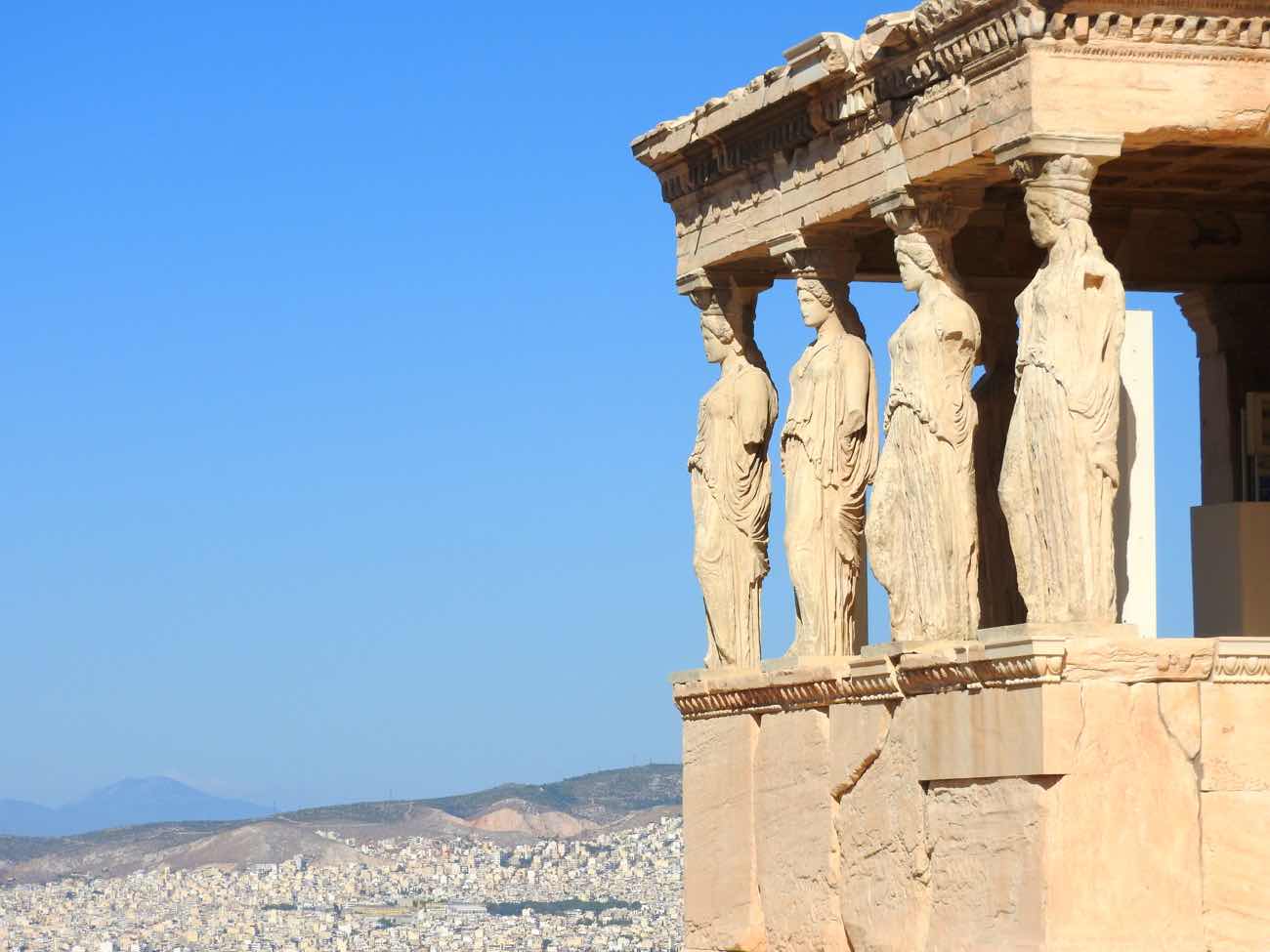
- Acropolis. The Parthenon is the obvious start. The whole hilltop citadel has more to it than the temple itself: the Propylaia, the Erechtheion, the Temple of Athena Nike. Give it a full afternoon and arrive early to beat the tour groups.
- Panathenaic Stadium. One of my favourite stops. This was the site of the first modern Olympic Games in 1896 and the only all-marble stadium in the world. The underground museum below it still holds the original torches from each Olympic edition.
- Acropolis Museum. I don’t normally gravitate toward museums, but this one is worth it. The building itself is architectural, and the exhibits give proper context to what you’ll see (or have already seen) up on the hill.
- Plaka. The old neighbourhood directly below the Acropolis is the closest thing to a Greek island village inside the capital. Narrow cobblestone streets, blooming trees, local art shops, and outdoor cafés. It’s charming without trying too hard.
- Lycabettus Hill. Athens spreads out far wider than most people expect, and this is the only place where you truly grasp the scale of it. The view from the top covers the entire Attica peninsula all the way to the port of Piraeus. Take a rideshare up and walk or take the funicular down.
Where to stay in Athens 🏨
The best areas to stay in Athens are Plaka, Syntagma, and Monastiraki. They put you within walking distance of the main sights and have the best concentration of good restaurants and bars.
I stayed in Akadimia, which is more residential and worked fine, but if I were booking again I’d go straight for Plaka.
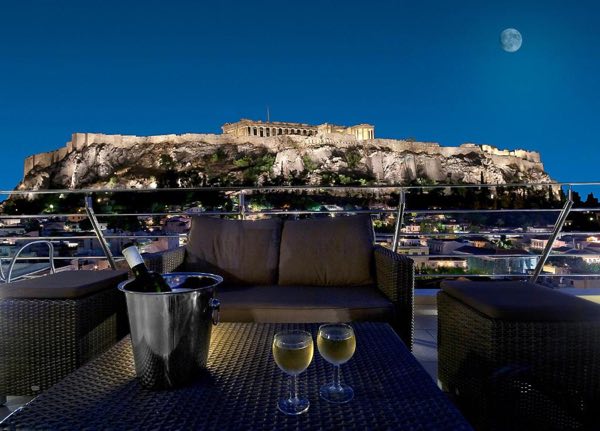
The rooftop is enough of a reason to stay here. Add a great location and a solid breakfast and you have a strong base for exploring Athens.
Find other top-rated places to stay in Plaka, Athens.
Booking.comAthens at a glance 👀
- 📍 Getting to the city center: Metro Line 3 (Blue Line) runs from the airport to Syntagma and Monastiraki in about 40 minutes. A one-way airport ticket costs €9. Since January 2025, you can also tap a contactless bank card directly at the validator. Express buses X93 and X95 connect to the city center for €5.50 and run 24 hours. Taxis run a fixed rate of €40 daytime / €55 night for the airport-to-centre route.
- 🕑 How long to stay: At least 2 full days. The heat slows you down more than the map suggests it will.
- 🔀 Getting around: No car needed. The metro is fast and air-conditioned. Rideshare apps (Bolt, Uber) work well for hills and off-grid spots like Lycabettus.
- 🍴 Best place to eat: Having dinner with the Acropolis lit up behind you at Veranda is hard to beat for atmosphere. Hi-Fai Grill House is a solid, affordable option for a quick dinner without the view markup.
- 💬 Words that define Athens: history, ancient, empire, urban, Parthenon, ruins
The Peloponnese (Πελοπόννησος): Greece without the crowds
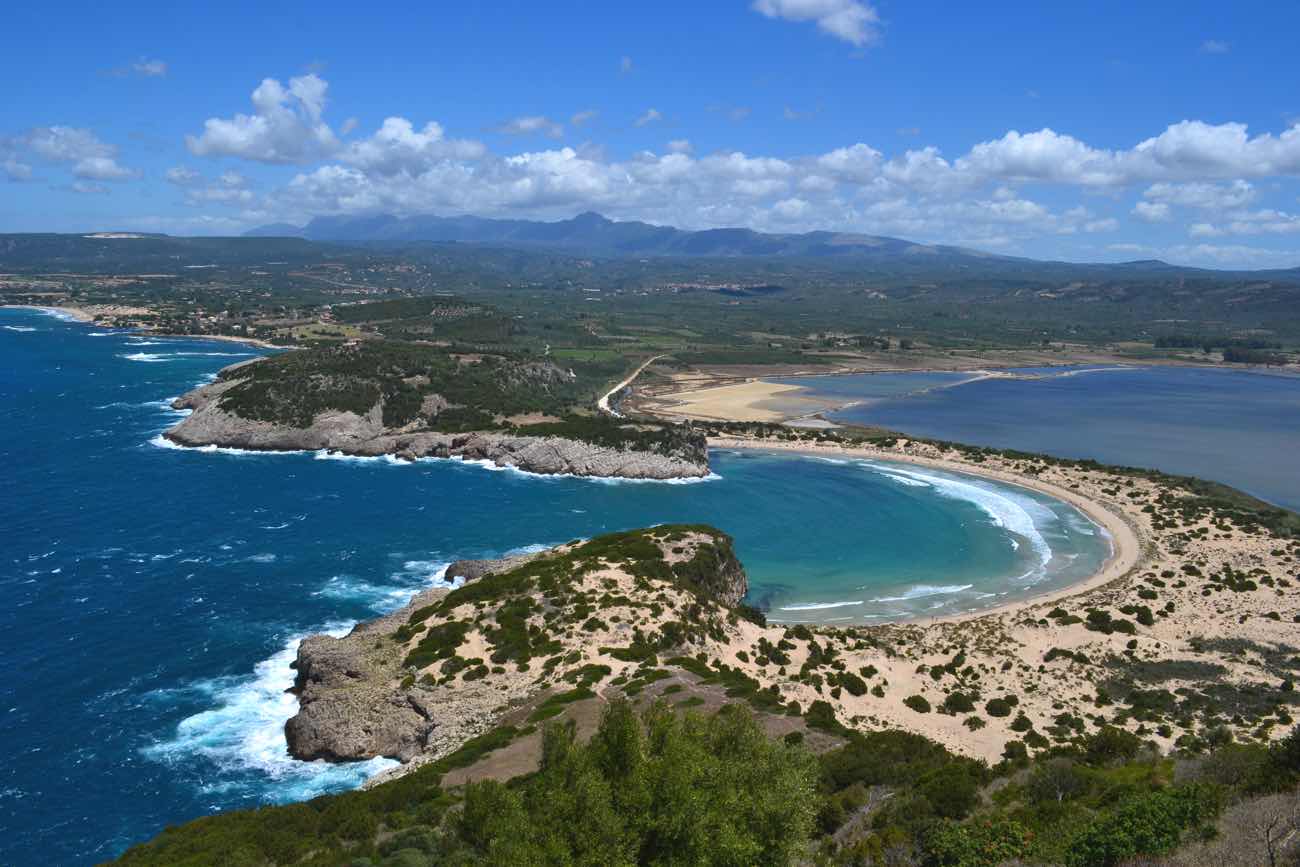
The Peloponnese isn’t the first place most first-time visitors to Greece think of, and that’s exactly what makes it interesting.
With the islands getting more expensive and more crowded every summer, plenty of Greeks spend their holidays here instead. It’s where you find authentic Greek hospitality without the tourist infrastructure propping it up, beaches with actual space on them, and food priced for locals rather than cruise passengers.
The area around Kalamata is a good base. Come with an unwinding mindset rather than a sightseeing agenda. If you have a rental car, the wider peninsula opens up considerably.
Places to go in the Peloponnese
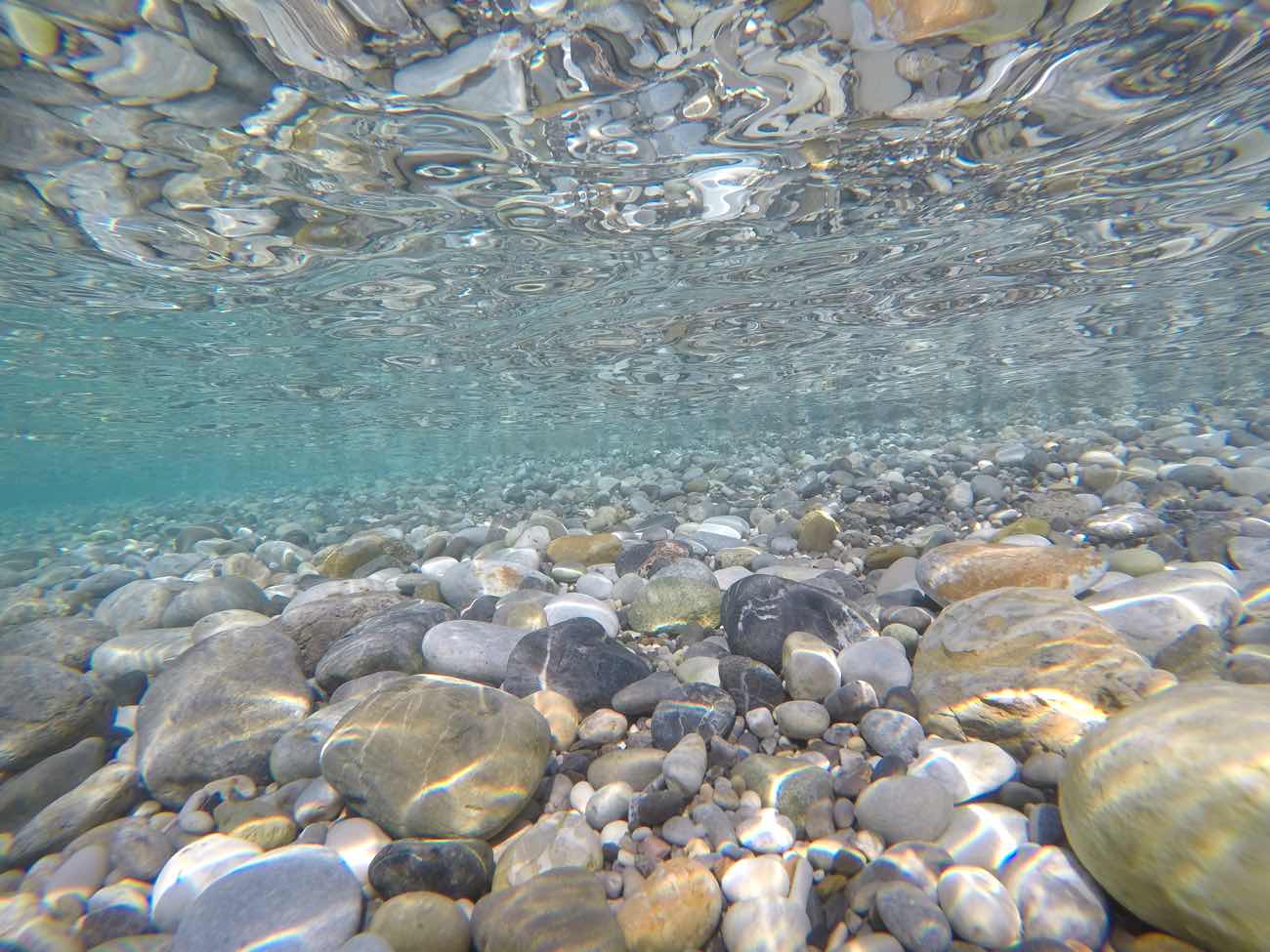
- Beaches. The coastline around Kalamata is full of quiet coves with crystal-clear water. Most beaches here are pebbled, which works fine once you get in. The standout is Voidokilia: a perfect sandy semi-circle surrounded by dunes and a lagoon. Stay closer to Avia instead of the city center for a quieter experience.
- Polylimnio Waterfalls (πολυλίμνιο). A short drive from Kalamata leads to a series of vivid green lakes connected by small waterfalls. It’s a good half-day trip and looks nothing like the rest of Greece.
- Nafplio (Ναύπλιο). A great stopover if you’re driving between Athens and Kalamata. According to mythology, the town was founded by Nafplios, son of the god Poseidon. The Palamidi citadel above the town is worth the climb.
Where to stay in the Peloponnese
I based myself in Avia, a short drive from Kalamata city. Pebbled beaches rise out of pine forests, and the seafront bars and restaurants are unhurried and good value.
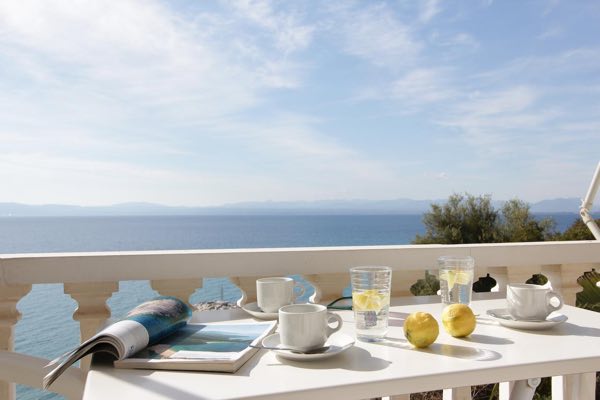
Spacious apartments close to a private mini-beach with gorgeous sunset views. Excellent value and very off the beaten track. Also: lots of cats. I loved this place. ❤️
Peloponnese overview
- 📍 Getting to Kalamata: KTEL intercity buses run from Athens (Kifissou terminal) to Kalamata in about 3 hours, with express and regular services departing frequently throughout the day.
- 🕑 How long to stay: 2 full days minimum if you want to actually relax. Take more if the pace gets you.
- 🔀 Getting around: Public transport is limited outside the city. A rental car makes a real difference here.
- 🍴 Best place to eat: All the beachside restaurants near Avia were good value. Akrogalia and Hobo Beach Bar were both solid.
- 💬 Words that define the Peloponnese: relax, authenticity, Mediterranean, olives, local
Santorini (Σαντορίνη): yes, it’s worth the hype
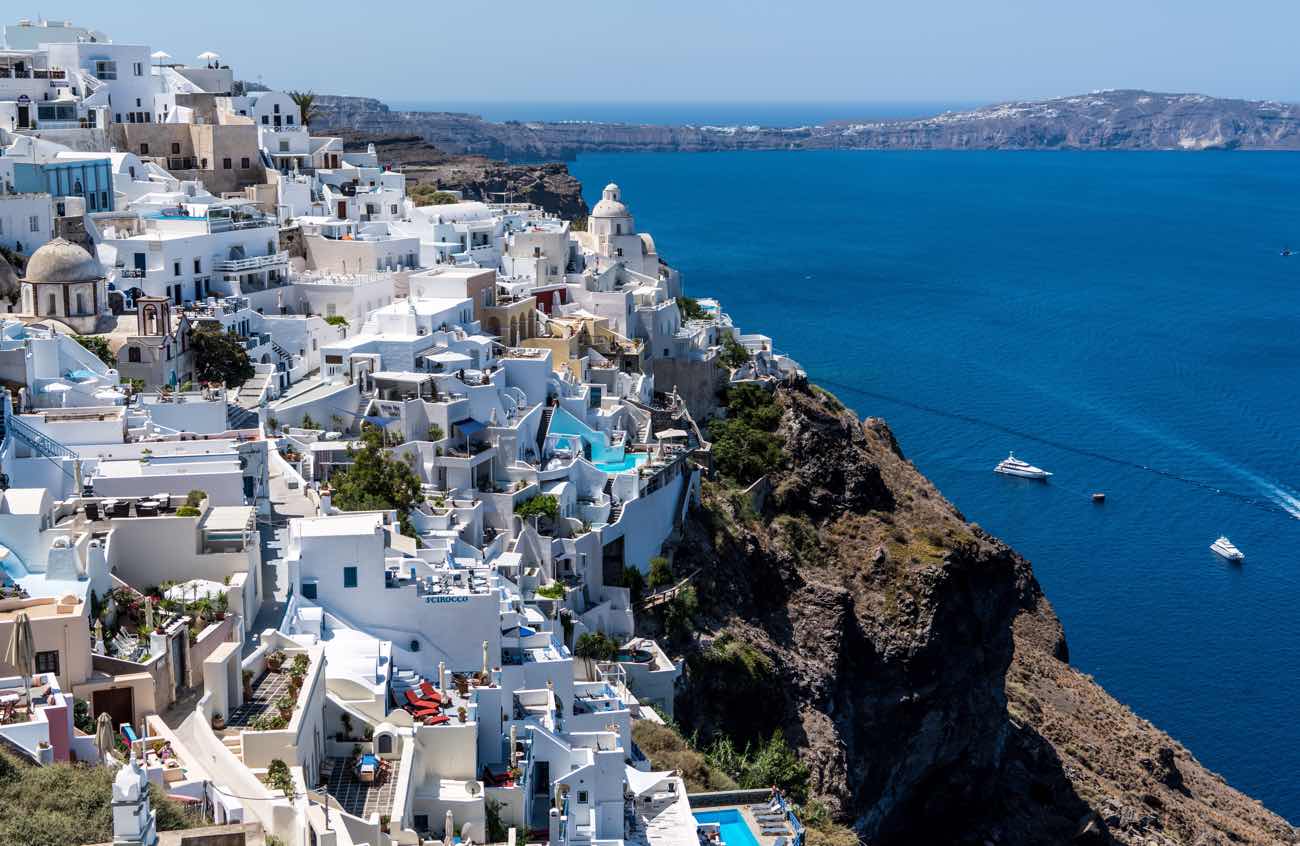
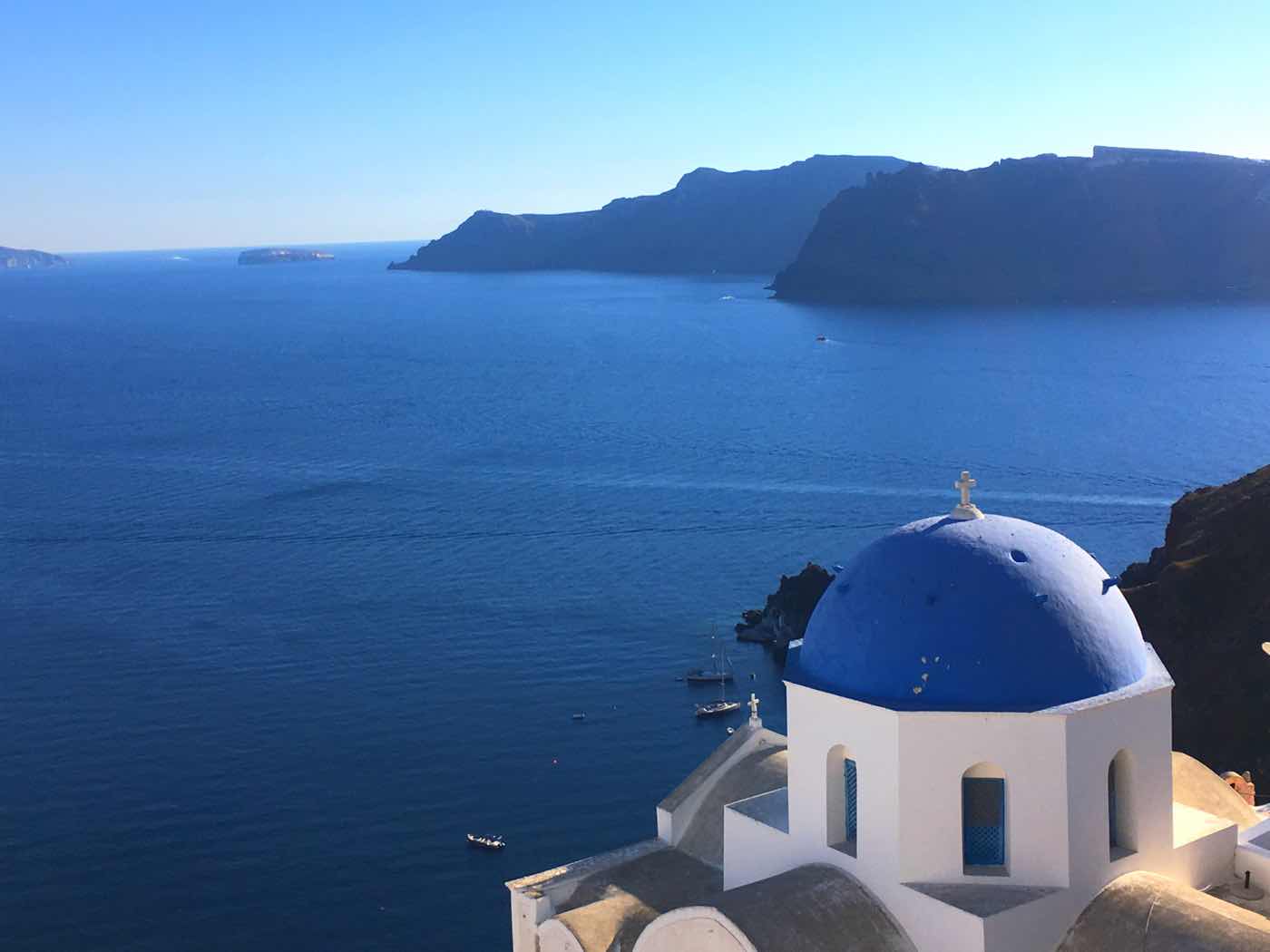
Santorini is what remains of a volcano that collapsed into the sea during the Minoan eruption around 1600 BC, one of the largest volcanic events in recorded human history. The caldera left behind is what you’re looking at when you see those famous cliff-edge villages reflected in the deep blue sea.
The white Cycladic architecture, the blue-domed churches, the infinite pools suspended over the caldera: it’s as dramatic in person as the photos suggest. The island also has the highest concentration of infinity pools I’ve seen anywhere, which tells you something about the budget bracket it caters to.
What to do in Santorini 📸
- Oia. The most picturesque village on the island and home to what many call the most famous sunset in the world. The light reflecting off those white walls over the caldera creates something almost impossible to describe. Everyone claps when the sun finally drops. It sounds corny. You’ll clap too.
- The Fira-to-Oia hike. My favourite thing I did on Santorini. It’s a 10km walk along volcanic cliffs through the villages of Fira, Firostefani, Imerovigli, and Oia. Some sections feel almost lunar. The caldera views are spectacular and you’ll earn the sunset in a way that the cable car passengers won’t.
- Nea Kameni. Tour boats go out to this small uninhabited island in the heart of the caldera, where volcanic hot springs with sulphur-enriched yellow water attract swimmers. Therapeutic and slightly weird, which is the right combination.
- Beaches. Santorini’s beaches are not its strongest suit compared to the rest of the Cyclades. If you want beach time, the dark-sand Kamari and Perissa are decent swimming spots. Red Beach is worth a visit for the striking colour of the cliffs alone.
Where to watch the sunset in Santorini 🌇
- Oia. The classic choice. The sun drops directly into the sea. Best spot is the Kastro Walls (not the restaurant with the same name). Arrive at least an hour early: good spots go fast and the crowds are relentless.
- Fira. The main town has good sunset views over the small islands in the caldera rather than the open sea. Find a high point in town or grab a drink at a bar with a view.
- Imerovigli. The quieter, more upscale village between Fira and Oia offers uninterrupted views of both the caldera and Oia itself. Some argue it beats Oia for atmosphere, with far fewer people.
Where to stay in Santorini 🏨
Santorini is expensive. The best-looking hotels (cliff-edge pools, caldera views) are spectacular and priced to match. Budget options exist in Fira, which is where I stayed at Costa Marina Villas: no pool, no breakfast, but decent for the price.
If I were booking again, I’d push my budget a bit and go for a hotel in Imerovigli or Fira with a caldera view. Santorini is one of those places where the accommodation is part of the experience. Book early regardless: the best options sell out months ahead of summer.
Here’s a shortlist of top-rated Santorini hotels to get you started.
Booking.comSantorini at a glance 👀
- 📍 Getting to Fira: Whether you fly into Santorini Airport or arrive by ferry at the port, buses connect to the main villages. Taxis are also available from both.
- 🕑 How long to stay: 2 full days at minimum. Add an extra day if you want caldera boat time or beach days.
- 🔀 Getting around: Walking covers most of the caldera villages. Buses connect to the east-coast beaches. Renting a quad bike (from around €30/day) is popular for independent exploration.
- 🍴 Best place to eat: Theonis Kitchen was the clear winner: a family-run place with generous portions of real Greek food at non-caldera prices.
- 💬 Words that define Santorini: sunset, volcano, views, wine, infinity pools, hike, nightlife
Koufonisia (Κουφονήσια): the island that earns its quiet
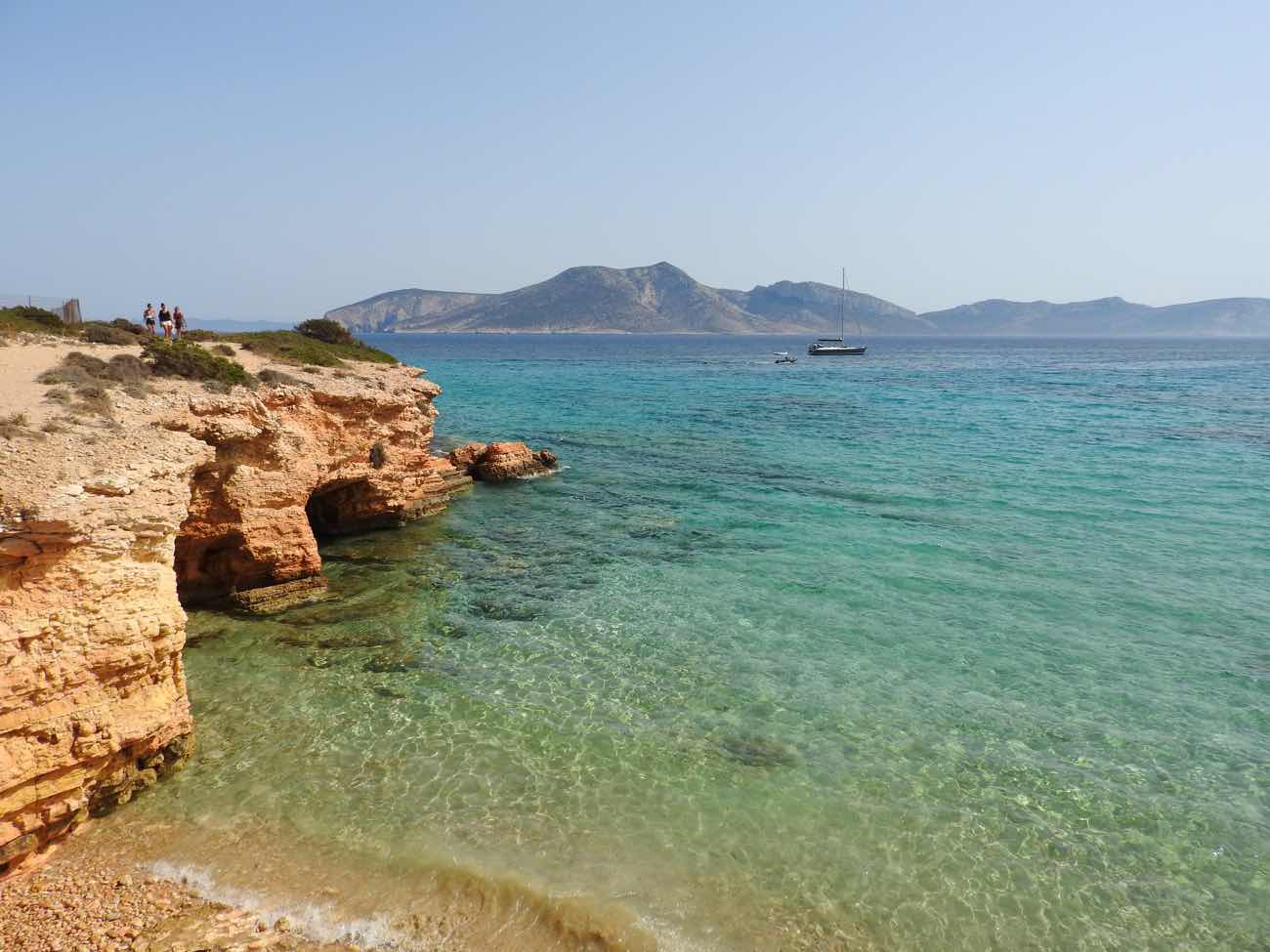
Tucked between Santorini and Mykonos and next to the hipper Naxos, Koufonisia is a group of three small islands known for their beaches. The only inhabited one, Pano Koufonissi, has a permanent population of around 400 people.
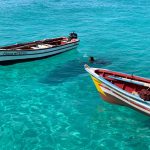
This is a beach-only island. There’s no heritage trail to follow, no nightlife to speak of, no attractions in the traditional sense. What it has are some of the most beautiful small beaches in the Cyclades and a Chora (main town) that looks exactly as you’d hope a small Greek fishing village would look.
After the intensity of Santorini, this is where the trip exhales.
You can find everything you need to know about Koufonisia in my dedicated island guide.
Places to go in Koufonisia 📸
- Beaches. The main reason to come. The beaches here are small (the island is tiny), but most are sandy, shallow, and almost impossibly clear. I spent most of my time between Pori and Fanos.
- Chora. Koufonisia’s main town is a fishing village and the island’s only port. The architecture is Cycladic at its most simple and most beautiful: narrow white-washed alleys with almost no commercial clutter. No souvenir chains, no fast food. Just the actual village.
Where to stay in Koufonisia 🏨
Accommodation options are limited. That means prices can run high relative to what you’re getting, and in peak summer (late June to late August) places sell out completely. Book as far ahead as possible.
There are around 20 accommodation options in Koufonisia with strong ratings on Booking. Most are in Chora.
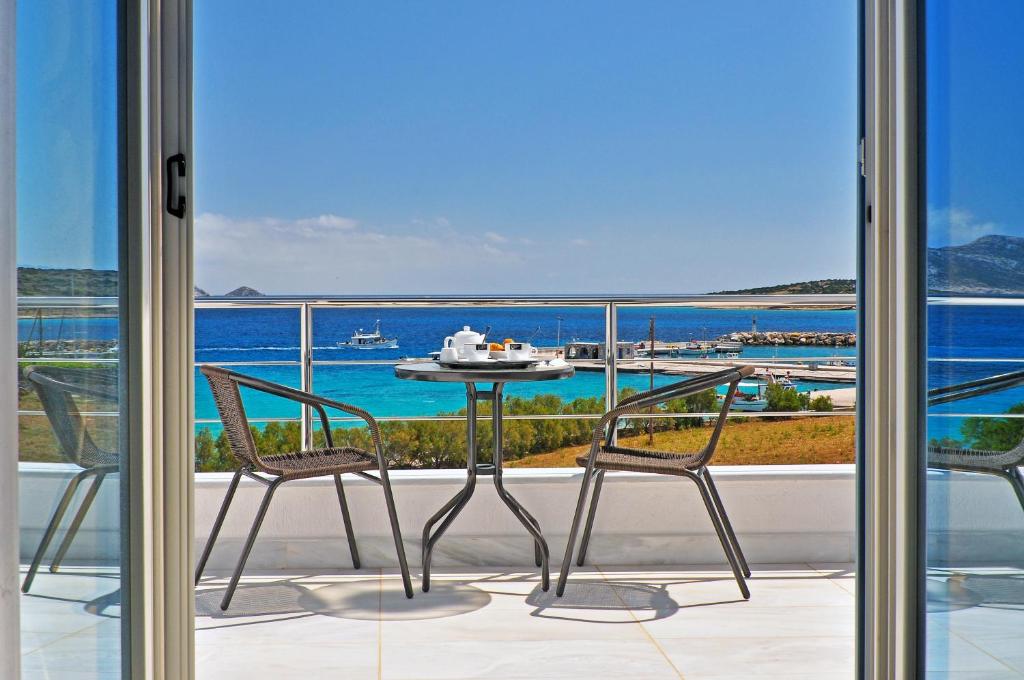
Myrto Hotel
Right in the heart of Chora and close to the port. Spacious rooms with patios and good views. The staff is helpful and clued-in (they even have their own app). Good breakfast.
Book now >>
Koufonisia at a glance 👀
- 📍 Getting to Chora: The port is literally a 2-minute walk from the town center.
- 🕑 How long to stay: 2-3 full days. You’ll hit your rhythm on day two.
- 🔀 Getting around: Most beaches are walkable. Bikes are available to rent. There are no buses.
- 🍴 Best place to eat: Mixalios Grill House was the best meal I had on the island. Specializes in lamb, goat, and local cheese: simple, locally sourced, and generous portions at fair prices.
- 💬 Words that define Koufonisia: beaches, remote, chill, tranquil, sea, sun
Hooked on Koufonisia?
Read my full
Koufonisia travel guide for beaches, logistics, and everything in between.
Mykonos (Μύκονος): the hype is half right
Mykonos is a place that front-loads the experience. From the moment you step off the ferry, the mood is unmistakable: expensive, fashionable, and very much aware of itself. Hotels are glossy. Boutiques are everywhere. Some beaches charge entry fees during the day.
I went for two days, which turned out to be exactly right for me. The party scene is serious if that’s what you’re after; the beaches are actually good; and the old town has enough charm left under the commercial surface to reward a bit of wandering. But I didn’t love it, and if you’re traveling on a tight budget, I’d skip Mykonos in favour of Koufonisia or Naxos.
Mykonos was my least favourite stop. It can absolutely be yours.
Things to do in Mykonos 📸
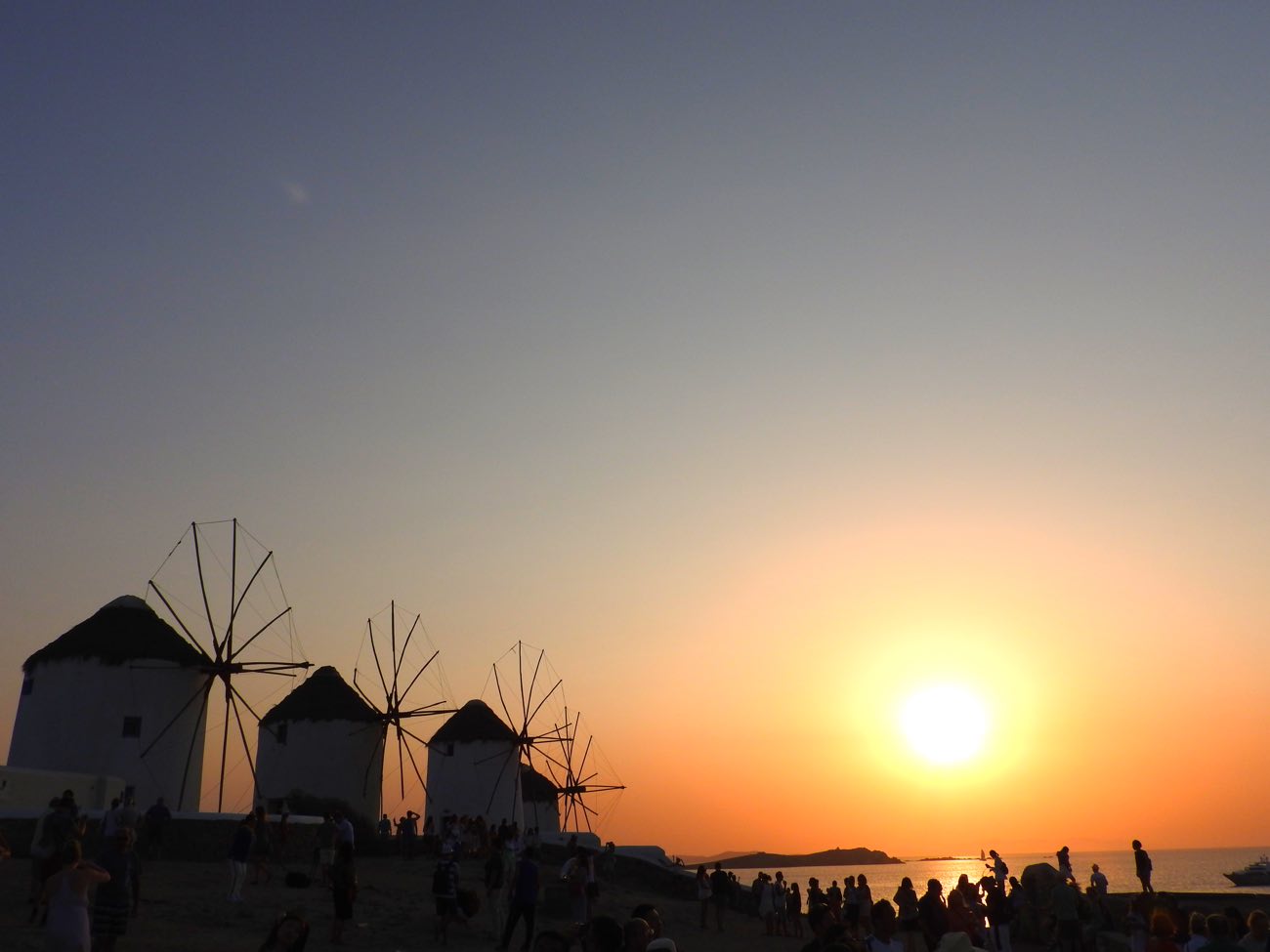
- Kato Milli Windmills. The most photographed spot on the island and a good place to understand Mykonos’ history as a key point in Mediterranean sea trade. Come here for sunset: the view over the town and harbour is excellent.
- Little Venice. An 18th-century waterfront neighbourhood where old fishing and merchant houses extend right over the water, their colourful balconies almost touching the sea. It’s pretty in a way the rest of the island’s tourist infrastructure isn’t.
- Mykonos Chora. The main town pulls in huge numbers during summer. Walk the back alleys away from Matoyianni Street and you’ll find pockets of the original village still intact.
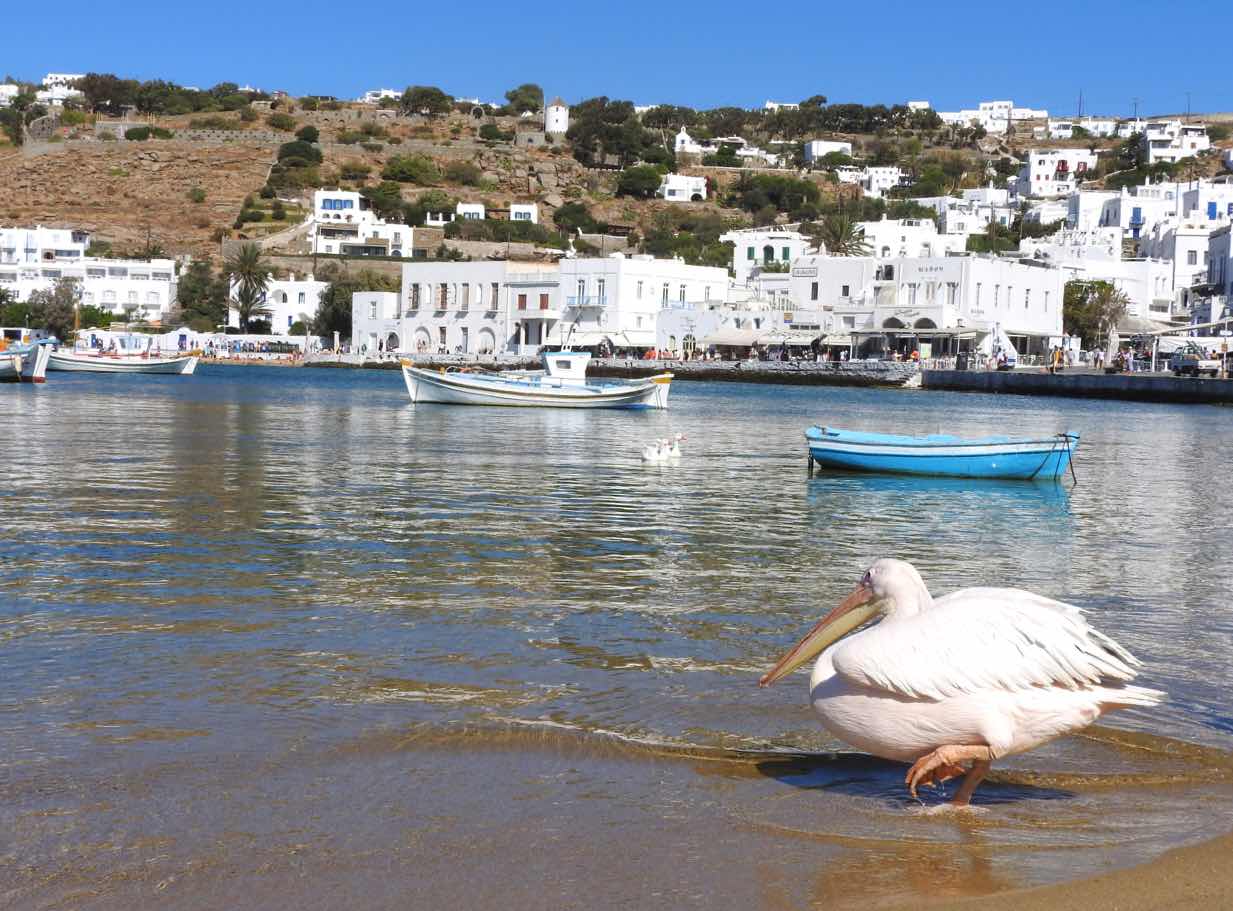
- The pelicans. 🐦 In 1958, a fisherman rescued a wounded pelican and brought it ashore. The bird became the island’s unofficial mascot, named Petros. The original Petros died in 1985 but was quickly replaced. Today there are at least three pelicans roaming around the harbour, the windmills, and the tavernas. They are very comfortable around people and will absolutely not move out of your way.
Where to stay in Mykonos 🏨
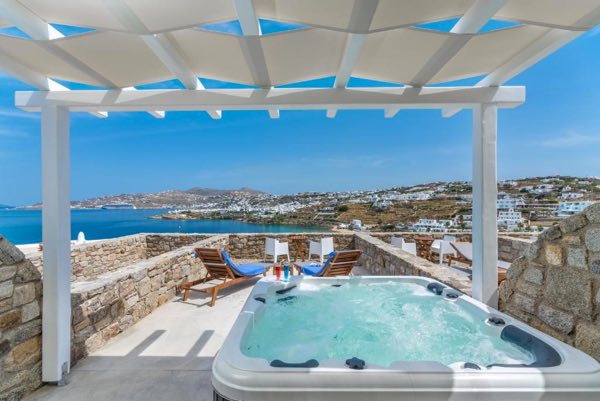
Mykonos has some of the most expensive accommodation in Greece. Budget options are limited and often not great value. We raised the budget for this last stop and didn’t regret it.
Cape Mykonos
Fantastic views over Mykonos Town and a quiet beach nearby. Some rooms have a jacuzzi on the balcony. The location is on top of a very steep hill: worth it, but worth knowing in advance.
Or explore the latest availability near Mykonos town:
Booking.comMykonos at a glance 👀
- 📍 Getting to the center: The port is about 15 minutes by car from the main town. Check if your hotel includes a transfer. Otherwise, taxis are available but can be slow during peak season.
- 🕑 How long to stay: 1-2 days if the party scene isn’t your priority. 3-4 days if it is.
- 🔀 Getting around: Buses run between main spots. For full island independence, rent a quad bike.
- 🍴 Best place to eat: Nothing stood out as memorable at my budget level. The gyros at Saki’s Grill House were good value and actually filling.
- 💬 Words that define Mykonos: luxury, cruise ships, party, fashion, bars, nightlife
What other places should I visit in Greece? 🇬🇷
Two weeks covers a lot, but Greece has a way of making you feel like you’ve only scraped the surface. Here are the places high on my list for the next trip.
Meteora
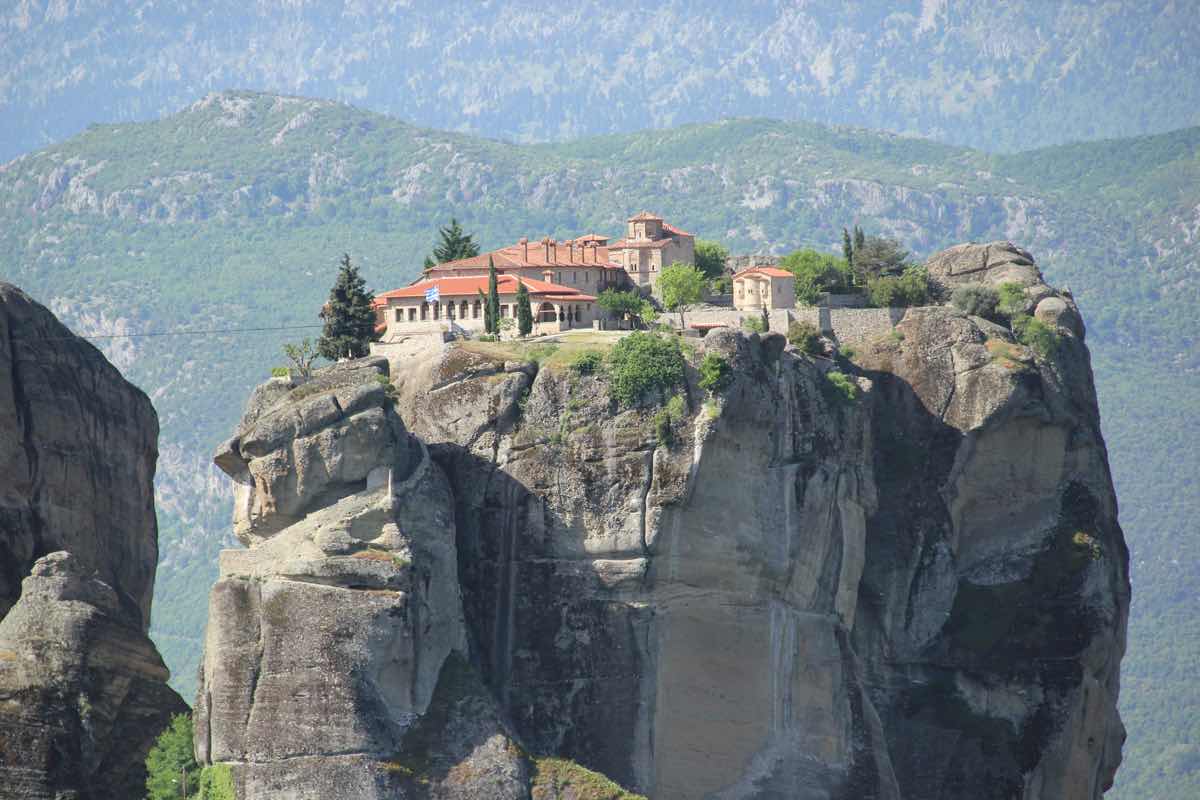
Massive sandstone pillars rising from the Thessaly plain, with Orthodox monasteries built directly on top of them. Six are still active out of the original 24. The combination of geology, history, and sheer improbability makes this one of the most remarkable sites in Europe.
Cephalonia
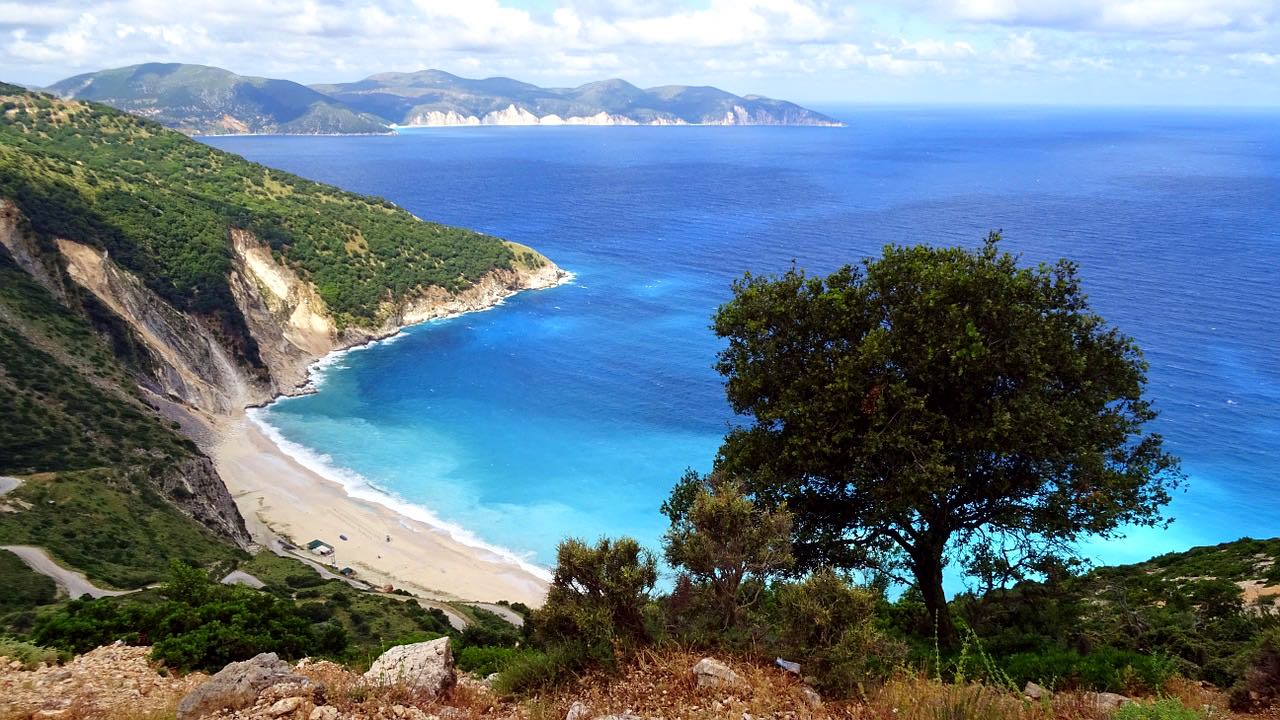
The largest of the Ionian Islands and one that still manages to feel uncrowded relative to the Cyclades. Rugged mountains, forested interior, and beach coves with turquoise water. A good alternative if you’re looking for nature alongside the sea.
Amorgos
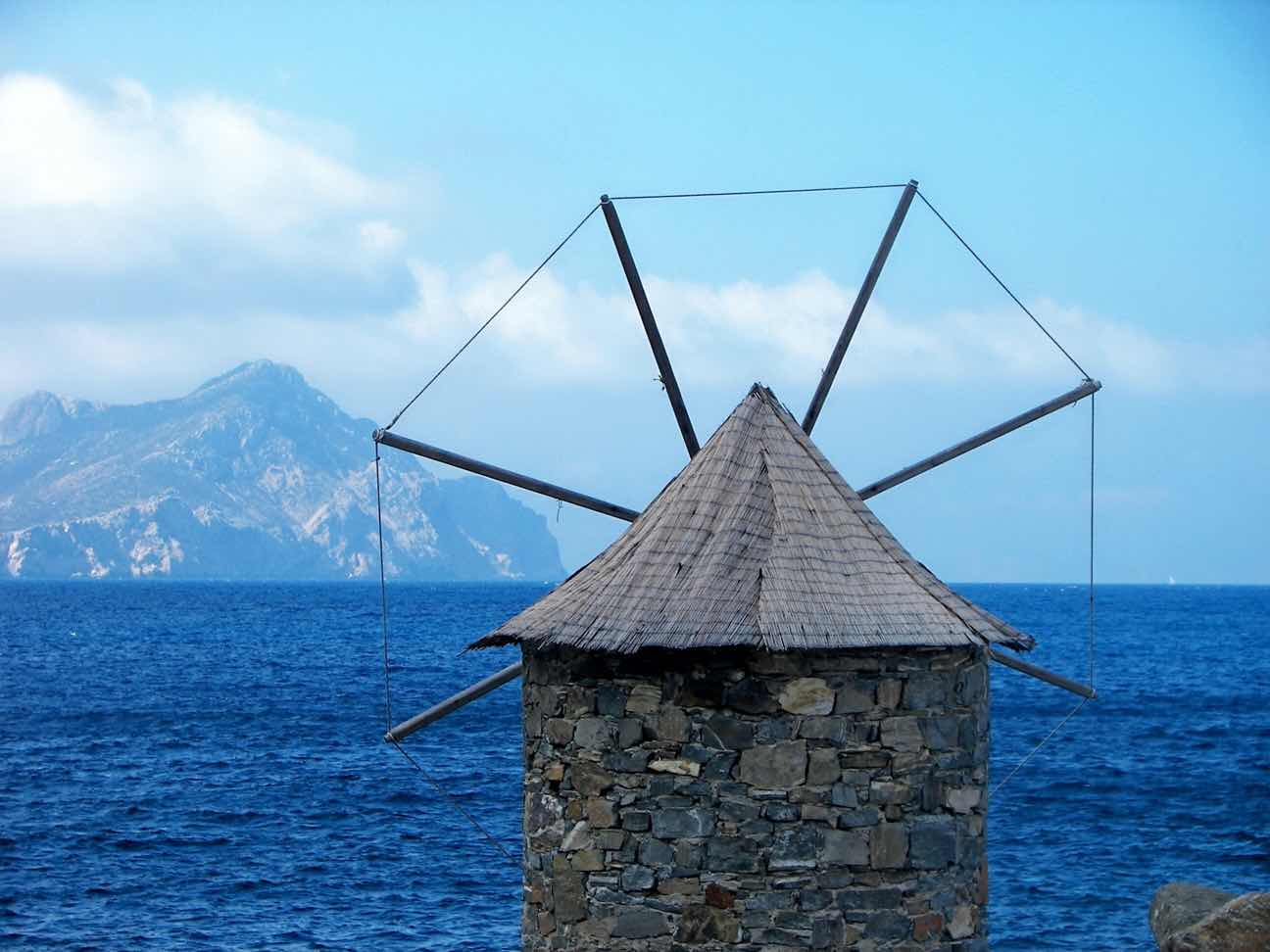
My ferry stopped here on the way to Koufonisia and it looked remote enough that I nearly got off without a plan. Picturesque and rugged, with serious hiking in the hills above the caldera monastery. Worth a detour if your schedule allows.
Crete
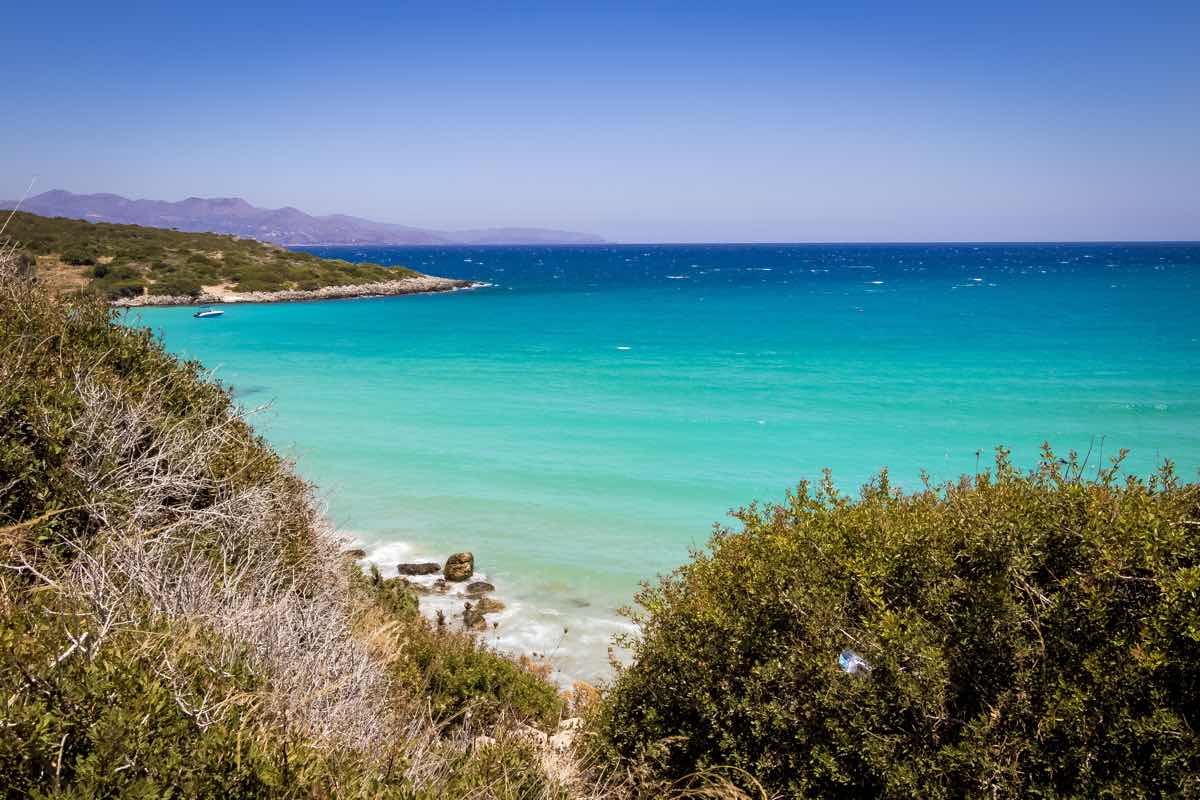
Greece’s largest island is large enough to justify a trip on its own. Minoan ruins, mountain gorges, food culture built on centuries of isolation, and white-sand beaches that attract millions of visitors every year. Two weeks in Crete alone would not be wasted.
Zakynthos
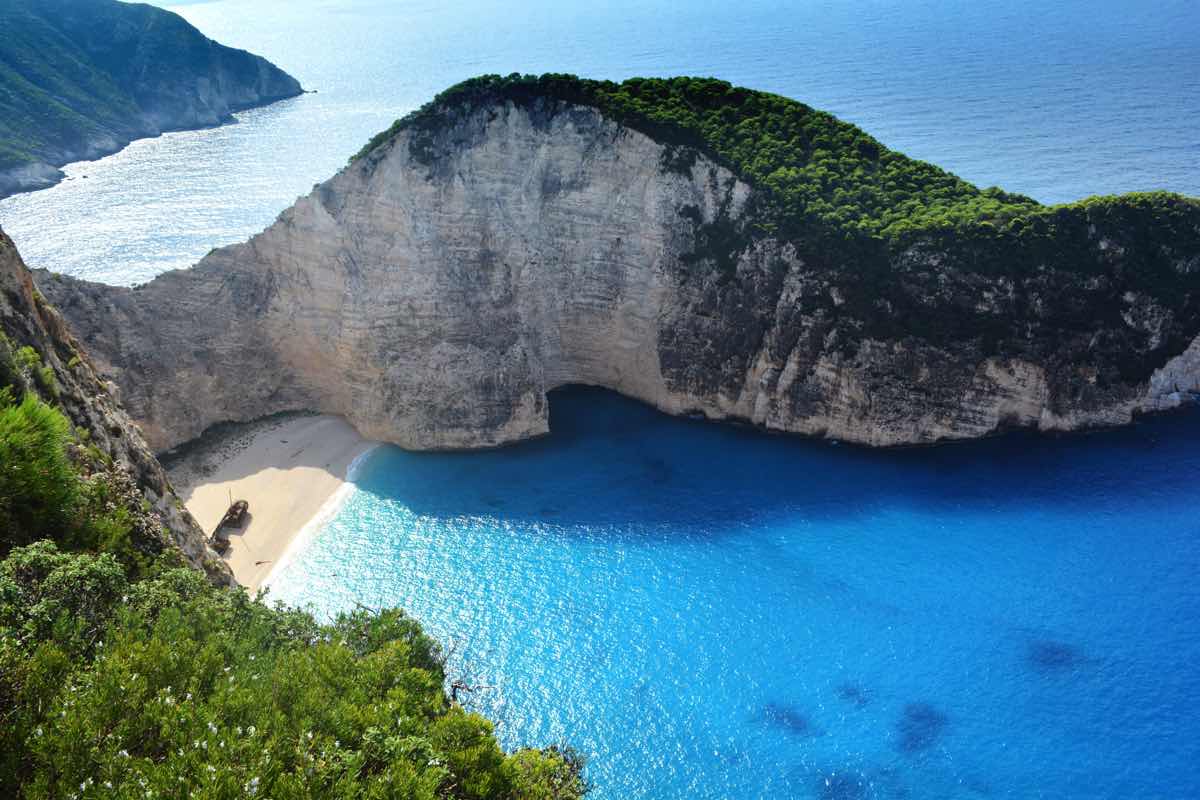
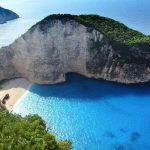
Home to the Navagio Shipwreck Beach, one of the most reproduced travel images on the internet, but also a lot more: sea turtle nesting sites, sea caves, and green forested hills in the interior. The famous beach justifies the visit. The rest keeps you there.
Rhodes
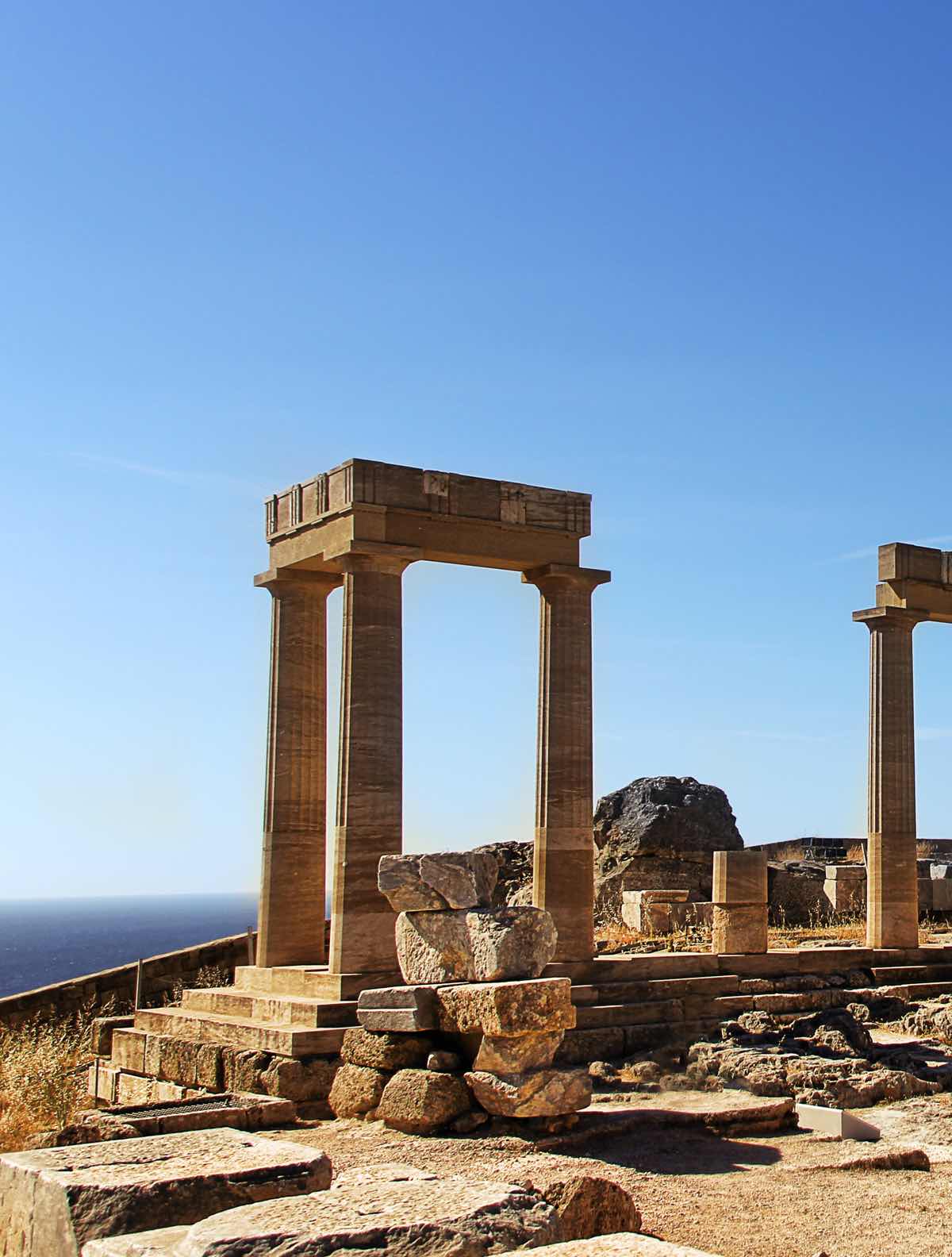
A medieval walled city (a UNESCO World Heritage Site) that somehow coexists with beach resorts and good nightlife. The combination of serious history and proper beaches is rarer than it sounds in Greece.
When is the best time to visit Greece?
The best time to visit Greece is April to June or September to October. During these shoulder seasons, the weather is warm and reliably sunny, the islands are accessible, and prices and crowd levels drop significantly from summer peaks.
July and August are peak season. Flights, ferries, and hotels cost more. Popular spots like Santorini and Mykonos become very crowded. Temperatures on the mainland regularly hit 38-40°C and heatwaves are common. If summer is your only option, it still works but book everything well in advance and plan around the heat.
Winter (November to March) is quiet across most of the islands, with many businesses closing until spring. Athens stays open year-round and is worth visiting in winter if the Acropolis crowd-free appeals to you.
What to eat in Greece 🍴
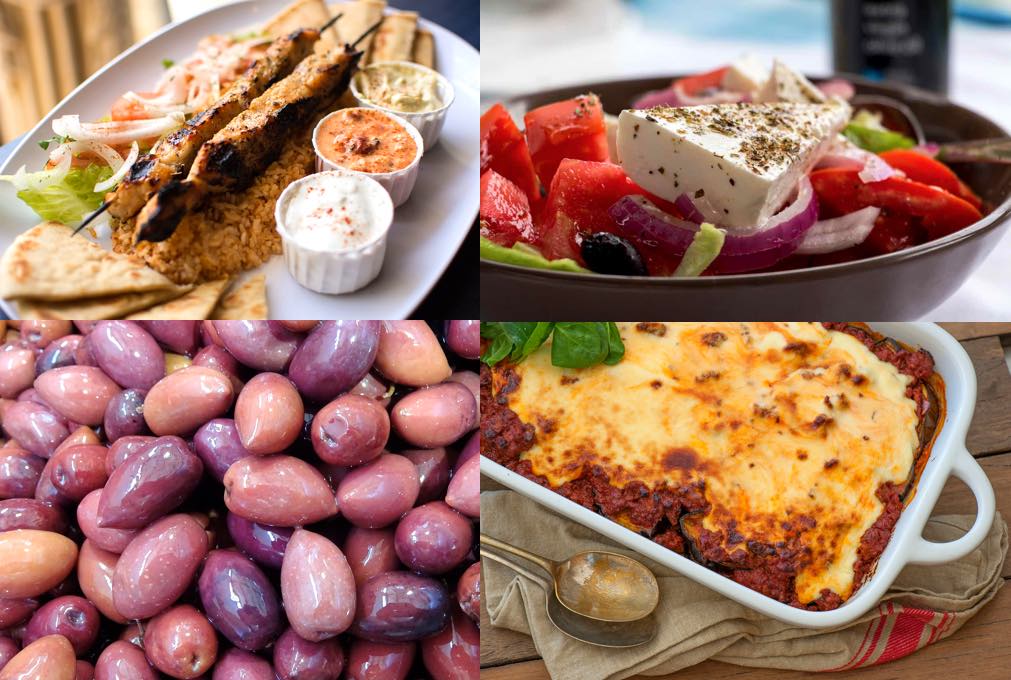
Greek food might be the best argument for going. The range of it, from street gyros to slow-cooked lamb at a village taverna, is consistently excellent in a way that few cuisines can match across all price points.
Here’s what to eat:
- Gyros. Meat roasted on a vertical spit and served in pita bread with tomatoes, onions, and tzatziki. The street food version starts at around €3-5 and is a reliable lunch option everywhere.
- Greek salad. Ripe tomato, cucumber, olives, onion, and a full slab of feta on top. With locally grown ingredients, it’s a different dish from what most restaurants outside Greece serve.
- Moussaka. A baked dish of layered eggplant, minced meat, and bechamel. Heavier than it looks, in the best possible way.
- Souvlaki. Grilled skewers of lamb, chicken, or pork. Simple, excellent.
- Olives. Greece has been producing olives for millennia. The Kalamata variety, from the Peloponnese, is particularly good.
- Tzatziki. Greek yogurt, cucumber, garlic, and olive oil. My favourite dip. Goes with everything.
- Saganaki. Deep-fried cheese. A calorie bomb worth taking the hit for.
- Frappé. Iced coffee made with instant coffee, water, and sugar, shaken into a froth. A Greek institution and a legitimate way to survive a hot afternoon.
- Ouzo. An anise-flavoured spirit made from grape pomace. Best at a small taverna with mezedes and no particular plan for the afternoon.
How to plan your Greece trip across all budgets 💰
Greece has a wider price range than most people expect. The same country that offers a €4 gyro and a €30-a-night room in the Peloponnese also has caldera suites in Santorini that run €600 a night. Both are real Greece. The trick is knowing where you land on that spectrum and planning accordingly.
Street food keeps costs low anywhere.
Gyros and souvlaki run €3-5 at street stalls. Sit-down tavernas in residential neighbourhoods are a step up but still very affordable, usually €12-18 for a full meal with a drink. The price jumps sharply at restaurants near major sights or with caldera views: you’re paying for the setting, not the food.
The timing of your trip changes the price significantly.
July and August push accommodation and ferry prices to their peak. Coming in May-June or September-October can cut hotel costs by 30-50% on the popular islands and removes most of the crowd pressure at the same time.
The mainland and smaller islands run cheaper.
The Peloponnese, northern Greece, and lesser-visited islands like Koufonisia and Naxos are consistently 20-40% cheaper than Santorini or Mykonos for accommodation and food. If you want the full Greece experience at a lower spend, weigh your time between island types rather than going all-in on the famous ones.
Where to splurge if you want to.
Santorini caldera hotels, a sunset dinner in Oia, a private boat to Nea Kameni: these are the experiences worth stretching the budget for if you have room to. Greece rewards the upgrade in those specific moments more than most destinations.
Book ferries and rooms in advance.
Ferry prices and hotel rates in summer rise steadily as dates approach. Booking two to three months ahead for July-August travel is worth it. The best-priced rooms in Santorini and Mykonos disappear earliest.
The Greece itch never really goes away
Two weeks in Greece covers a lot of ground but doesn’t cure the want to go back. Every conversation about where to go next seems to loop around to some island I haven’t been to yet, some corner of the Peloponnese I drove past, some village on Crete that someone recommended and I promptly forgot to write down.
This itinerary is a solid starting point, especially for a first trip. It covers the famous stops without being exclusively about them, and leaves enough room to breathe between each place.
Come back with a second trip already in mind. Greece makes it easy to justify.
Which places would you add to a first Greece itinerary?
Greece itinerary: frequently asked questions
How many days do you need for a Greece itinerary?
Two weeks (14 days) is enough for a well-rounded Greece itinerary covering Athens, one or two mainland stops, and two to three islands. A shorter trip of 7-10 days works if you focus on Athens and one island cluster. More time allows you to slow down on the islands or add Crete, which can fill a week on its own.
Is Greece expensive to travel?
Greece has a wide price range. The mainland, smaller islands like Koufonisia, and cities outside Athens are very affordable: good meals under €15, decent accommodation under €80 a night. Santorini and Mykonos are significantly more expensive, with mid-range hotels regularly running €150-300 a night in summer. Staying in shoulder season (May-June or September-October) cuts prices across the board.
What is the best island to visit in Greece for first-timers?
Santorini is the most dramatic Greek island and lives up to the photos. It covers multiple experiences well: caldera sunsets, boat trips, hiking, and food. Pairing it with a quieter island like Koufonisia or Naxos gives a more complete picture of what Greek island life actually looks like for most people.
What is the best way to travel between Greek islands?
Ferries are the main way to travel between Greek islands. High-speed ferries connect the main Cyclades islands in a few hours each way. Booking in advance via official ferry company websites or aggregators like Ferryscanner is recommended for summer travel, when routes fill up quickly. Some islands also have small airports for direct domestic flights.
What should I not miss when visiting Athens?
The Acropolis is the obvious must-see, but allow time for the Acropolis Museum (excellent context for what you've seen on the hill), the Panathenaic Stadium from the 1896 Olympics, and the Plaka neighbourhood for a slower, more atmospheric side of the city. Lycabettus Hill at sunset is underrated and gives you the best view of how vast Athens actually is.
When is the best time to visit Greece?
The best time to visit Greece is April to June or September to October. These shoulder months offer warm weather, open beaches and businesses, and significantly lower prices and crowds than the July-August peak. July and August work fine but require advance booking and tolerance for heat (sometimes 40°C on the mainland) and crowds at popular spots.









Hello! Thank you so much for this very detailed itinerary and info. I’ve been racking my brains on how to come up with the best itinerary for 2 weeks in October. This is definitely a great start. We have exactly the same concept on how to travel.
Three questions: with 3 nights in Athens, will a trip to Delphi be doable in addition to your recommendations? What do you think of Hydra? Have you been? Did you take the ferry or plane to get to Kalamata, Santorini and Naxos area from Athens?
Last, did you travel Greece in that exact order of places as listed?
Thanks in advance. Keep sending us tips. Any for Sicily?
~ Regina
Thanks so much for this amazing guide! Do you have a website you recommend for booking ferries?
I used FerriesInGreece, even though they charge a small fee compared to the price you’d pay in ticket booths in the ports.
What a great article and so detailed on everything. I’m headed to Greece next year for the first time so this will be super helpful. We are cruising the ionian islands for a week on a catamaran leaving out of Corfu and will also do two days in Athens and I’m not sure what else. I can’t decide if I should go early June or mid to late September. I don’t want to be too hot or too cool. I want the water to be warm enough to swim in. Any thoughts? Also, how did you get to Greece? I believe we’ll be coming from Italy.
Excellent site
Thank you!
Thank you for your article! Going in Sept & Oct!
So excited!
Yay, lucky you!
I am hoping to find a a less touristy Island with town centers on the water.
What a great article! We’re currently dreaming of going to Greece again – we’ve been there before and we love, love love it! Here’s to hoping for a better 2021 with loads of travel plans and new experiences!
– Cecilie
If you want even more tips for your trip to Greeces islands, you’re welcome to read (link removed)
Send more information
Planning to go to Greece in October. This was a wealth of info.
Thank you
Michelle
I am so glad I came across this gem of yours!! Awesome and useful information.
Have yet to make it to Greece, but I’m now in the planning stages.
Thank you!! This definitely helps narrow down my choices.
I am still debating between booking a tour or creating one myself. I’ll be traveling alone, so I don’t know what would be better. Yet, could you say how much you spent on those 2 weeks. To see if it’s similar or less to do it alone.
Thanks
hi,
i really liked ur blog, precise to the point.. actually i am in a dilemma , planning a trip to greece in march, just a little worried regarding the climatic conditions..
any suggestions ,is it a good time to visit in march
Depends. In March you can’t expect beach weather, but on the other hand temperatures will likely be more pleasant than in the hot summer.
Come to Greece after April instead of March, you can enjoy beaches , parties, and so many beautiful places. If you need any help about beautiful Greece, let me know,i am living in Greece.
Great honest information!!
Thank you Amy!
Oi Bruno. Seus artigos são completos.
O link Apps, em Explore, vai para a página 404.
Muito obrigado. Corrigido!
thanks you have great ideas and i appreciated reading your write up, especially the honesty. my husband and i are trying to plan a trip and it is so hard to get the right help. you’ve helped me narrow down the options a bit. It might be realistic i can plan the trip, that we don’t need a guide or a cruise. but i still think if i could find someone to plan it, book everything, and part could be by boat (partial cruise) it would be epic. if you know a great guide or have any ideas about a partial cruise? let me know?
I’m afraid I don’t know as I like to plan things 100% by myself.. sorry!
This is great plan as i know, actually i am living in Greece. If anybody need helps to roaming around greece. Let me know. Thank you
Thank you for the great tips and information. I am planning a trip for October. I was going to include Mikonos, but I think I will spend some time in Rhodes instead. I have 14 days and I really want to stay in Athens four nights. I’m into the history and culture. Crete and Santorini are also on my must see list. I do have a budget, but I refuse to skimp on accommodations. Any suggestions?
Definitely pick Rhodes if you’re into history and culture. Meteora might also be interesting!
Your article is very helpful for us to plan a trip to Greece, Thanks.
YAS! Thanks for the feedback 🙂
Great insight on where to stay longer and where not to waste our time. You travel the way we like to.
Thank you.
Great minds think alike, hey? 🙂
two are going and want to stay on andros and ikaria, any suggestions?
Wonderful article. Very helpful! Any advice on just visiting one island for about ten days, to be able to sample more than just beaches? I prefer not to carry bags around too often.
There’s definitely some Greek islands who have more than just beaches. I’d look into Corfu for instance.
Coming from Thailand , Greece is a hilarious overpriced and overrated place to visit. I fail to understand why people flock to visit this place .I just checked some of prices on booking.com in Athens and Santorini and they are crazy expensive for what they offer. With the money you spend on Santorini accomodation for one week you can literally travel to Thailand for 2 weeks , and get a 4 star hotel and you still have money left.
The Greeks should come to their senses. They have very little to offer , their food is terrible but they sure know how to milk tourists.
You can always spot a Turk miles away.
Go to Thailand?? Yeah, right! To visit a number ONE country for PEDOPHILIA??
Asia and Europe have very different costs of living and consequently, costs of traveling.
That’s doesn’t mean it’s overrated and I certainly disagree with your last sentence. Glad you put it out of your system though.
Here’s a thought: how about NOT going to Greece and leave it to who wants to go? 😉
I recently visited Greece, my experience was overall great. One sad part was the fact that taxi took advantage and over charged for the trip to the hotel (double the price). The ferries also made me buy first class tickets with the excuse that the economy class was sold out. However, the was no special sitting arrangement only exorbitant prices. Great beaches, fabulous adventures, delicious food, and cordial people.
Sorry for those experiences, Maria! Sadly greedy taxi drivers are a species still not in extinction. That’s why I recommend using Uber whenever possible. But hopefully it didn’t take away from a great trip! 🙂
Could you tell me how much your trip cost you so i can compare with a all inclusive Greece tour? And btw amazing work for all the information provided. You make our lives way more simple now!! Thank you…
Great question. I didn’t track all my expenses during this trip but it wasn’t that expensive. Definitely less than 1,000 euros for the entire week, food included.
You made life easy. This was one of the simplest and nicest compilation.
Awesome 🙂
Thanks for the info very usefull
Thank you for recommending Kalamáta! This is my hometown so of course I am proud of it. I think it is a beautiful base to see so many things in the Peloponnesos.
You’re lucky to call that town your hometown. Hopefully I can be back one day!
Loved your article & the suggestions for Athens! We were planning Santorini, Maybe Milos, undecided Island and then Samos our family immigrated from this island to America in the early 1900’s.
We were thinking of flying from Island to Island. Would you recommend that?
Well, depends on the islands. Personally, I definitely would look into ferries first.
Amazing read!
Thank you for passing by Mohit.
I am now more confident to go alone based on your information shared. Will definitely be using your step by step guide when travelling through Greece. THANK YOU!!!!
Woo, that’s exactly what I was aiming for. Go Quinton! 🙂
Very nicely presented and written…kudos
Do read our blog too
Thank you Tufan.
Had to remove the URL as they’re not accepted in comments.
Awesome information.would definitely use when we plan a trip.
Glad to know Kavita, let me know how it goes.
Great information! I plan on using it for my trip! Thanks for taking the time and energy to share this information!
You welcome Vee. Thanks for passing by!
Thank you for sharing the great information about this trip. It is one of the most incredible beach destinations in the world and remains high on every cultural buffs bucket list!
Completely agree Sam!
Wow ! loved your content. Really good piece of information. Come visit India and write about it 🙂 . Thanks for sharing.
Hopefully one day!
Thank you for this article, it really reveals beautiful aspects of my Country. 🙂
Feels good to have local’s approval, thank you! 🙂
Great tips! Thanks for sharing. I try and avoid the touristic areas to rather explore real authentic Greek food and the local culture.
Completely agree. The most touristy place in this itinerary (Mykonos) was definitely my least favorite, but at the same time made me appreciate more the other places I’ve been.
omg this is so amazing!!!every single picture of yours is just perfect!!i want to see all those places…greece looks like paradise! I m going to Crete this september and time seems to pass so slow recently!!i m also thinking to go from crete to paros for few days..I found some cheap tickets here (URL REMOVED) but i m still thinking of it!i don’t know..should i go to paros or should i choose the more typical Santorini option??any suggestions??
Crete is very high on my bucket list!
Well only you can answer your dillemma – what are you looking for in the end for your trip?
Great info! How much did you spend in the 2 weeks?
I don’t have the full budget for this trip, but I know some numbers that might help.
Accommodation
For the islands (Santorini, Koufonisia, Mykonos) we were 4 and we spent 290 EUR/person in accommodation during 8 days. Mainland was considerably cheaper so I’d say 400-450 in hotels for the 2 weeks, per person.
Food
Lunch was about 10EUR/person, dinner up to 20EUR. Sometimes we had a quick bite on-the-go during lunch, but dinner was usually in sit-down restaurants.
Transportation
We moved around the islands by ferry. The 2 trips (Santorini > Koufonisia and Koufonisia > Mykonos) were 80 EUR/person. To get to Santorini we flew from Athens, a 60EUR flight. Buses to Avia from Athens were about 15 EUR each way I believe.
Hope this helps.
Thanks for sharing this amazing tour experience with us,. Greece REally a wonderful place everyone wants to visit this wonderful destination once in life. Great post keep sharing.
Thank you!
This is a wonderful article with lots of unique tips. I always come to your site and try to read all of your posts. Greece is one of the best tourist zones, and here have a lot of beautiful places to visit.All of your pictures are beautiful. It makes me think about traveling. All of your blog and information are helpful for all the traveler and also a great inspiration for the beginners. Its makes our travel batter and more exciting.Thanks for sharing it.
Wow thanks for all the compliments, great to know all the tips are useful to you!
This is a great itinerary. Gives you a good mix. You get the culture and the beaches. But I always say you need to go more than once.
Oh yes definitely! Greece deserves much more visits, there’s just so many amazing places to see.