TL;DR: Pico is the most dramatic and underrated island in the Azores. It’s home to Portugal’s highest mountain, UNESCO-listed vineyards, and some of the world’s best whale watching. You need a rental car, a minimum of 2 to 3 full days, and a willingness to embrace volcanic landscapes that look like nothing else in Europe.
Most visitors to the Azores pick São Miguel and stop there. Which is fine, São Miguel is a great first island. But travelers who make it to Pico tend to look back and call it the highlight of their trip.
I say this as someone who grew up in São Miguel and is used to setting the bar pretty high for the rest of the archipelago. Pico caught me off guard. The scale of the volcano, the alien geometry of the lava vineyards, the silence at night interrupted only by cagarros: it’s a different kind of Azores experience entirely.
This guide covers everything you need to plan your visit to Pico: how to get there, how to get around, what to do, where to sleep, what to eat, and what things actually cost.
Quick tips for Pico
- 🏨 Find the best deals in the best Pico hotels – look into Lava Homes and Aldeia da Fonte
- 🚗 Micauto is a solid pick to rent a car, but always compare rental prices
- ⛅ Best time to go is between May and October when temperatures are warmer and air and sea connections more reliable
- 🔒 While a very safe destination, travel insurance is recommended. I use Heymondo
- ✅ Explore tours and activities in Pico – whale watching and climbing Mt. Pico are my top picks.
Planning a trip to Pico, Azores
How do you get to Pico island?
Pico is reachable by ferry or by plane. The ferry is the more atmospheric option; the plane is faster and more reliable when the ocean gets rough.
Atlântico Line ferries connect Pico to the neighboring islands of Faial and São Jorge several times daily, with more frequent schedules in summer. The crossing from Faial to Madalena takes around 30 minutes. It’s one of the nicer ferry rides in the archipelago, with Mount Pico growing larger in front of you the whole way.
By air, both SATA/Azores Airlines and TAP Portugal serve Pico Airport (PIX) with regular flights. Most connections go via Ponta Delgada, Terceira, or Lisbon. Prices rise significantly from June through September, so booking early pays off. If you’re starting your trip on São Miguel, a short SATA hop to Pico is the most convenient option.
When is the best time to visit Pico?
The best months to visit Pico are May through September, when temperatures are warmer, sea conditions calmer, and flight schedules more frequent. That said, two things are worth knowing before you book.
First, the Azores are notorious for unpredictable weather. As a local, I can tell you that experiencing all four seasons in a single day isn’t a cliché here. It’s the forecast. Pico’s mountainous landscape makes this especially pronounced. You might get five perfectly sunny days in a row, or you might get cloud and drizzle every morning that burns off by noon. Pack layers regardless of the month.
Second, the best time to visit the Azores really depends on what you want to do. If whale watching is a priority, the March to May window brings the highest diversity of species to the waters around Pico, including blue whales and sperm whales. Summer is warmer and more crowded.
Do you need a car in Pico island?
Yes. Rent a car. Public transportation on Pico is minimal and not built for tourists. Without a car, you’re either stuck near Madalena or paying for tours every day, which adds up fast and removes the freedom that makes Pico special.
The easiest option is to pick up your rental directly at Pico Airport. A few major operators have desks at the terminal, but I’d always recommend going with local companies. Book well in advance, especially in summer: automatic cars are often the first to go.
I’ve written a few practical tips that apply to every car rental in the Azores, but here’s an important one: before you drive off, photograph the entire vehicle on your phone, including the smallest scratches and dents. Walk around it with a staff member present and make sure any existing damage is noted on the rental agreement. It takes five minutes and saves potential headaches at drop-off.
How many days do you need in Pico?
Three full days is the sweet spot for most visitors. Two days is workable if you skip the mountain hike. One day is a shame.
Three days gives you time to climb Mount Pico (a full day on its own), do a whale watching tour, explore the vineyards, visit the Wine Museum, and see the main coastal towns without feeling rushed. A fourth day lets you add hiking trails and the Lagoa do Capitão, which is worth it if you have the time.
Based on my own time on the island, here’s a suggested order of priorities:
| Day | What to do |
|---|---|
| 1 | Mount Pico (full day) |
| 2 | Gruta das Torres, Museu do Vinho, vineyard walk and wine tasting |
| 3 | Whale watching, Museu dos Baleeiros, Piscina Municipal da Madalena |
| 4 | Hiking, Lagoa do Capitão |
These spots are mapped out for you: open the Pico map here.
- Restaurants & Bars – Blue pins
- Main sights – Orange pins
The three things you can’t miss in Pico
Pico’s identity comes down to three things: the mountain, the wine, and the whales. Everything else is supporting cast.
Montanha do Pico (Mount Pico)
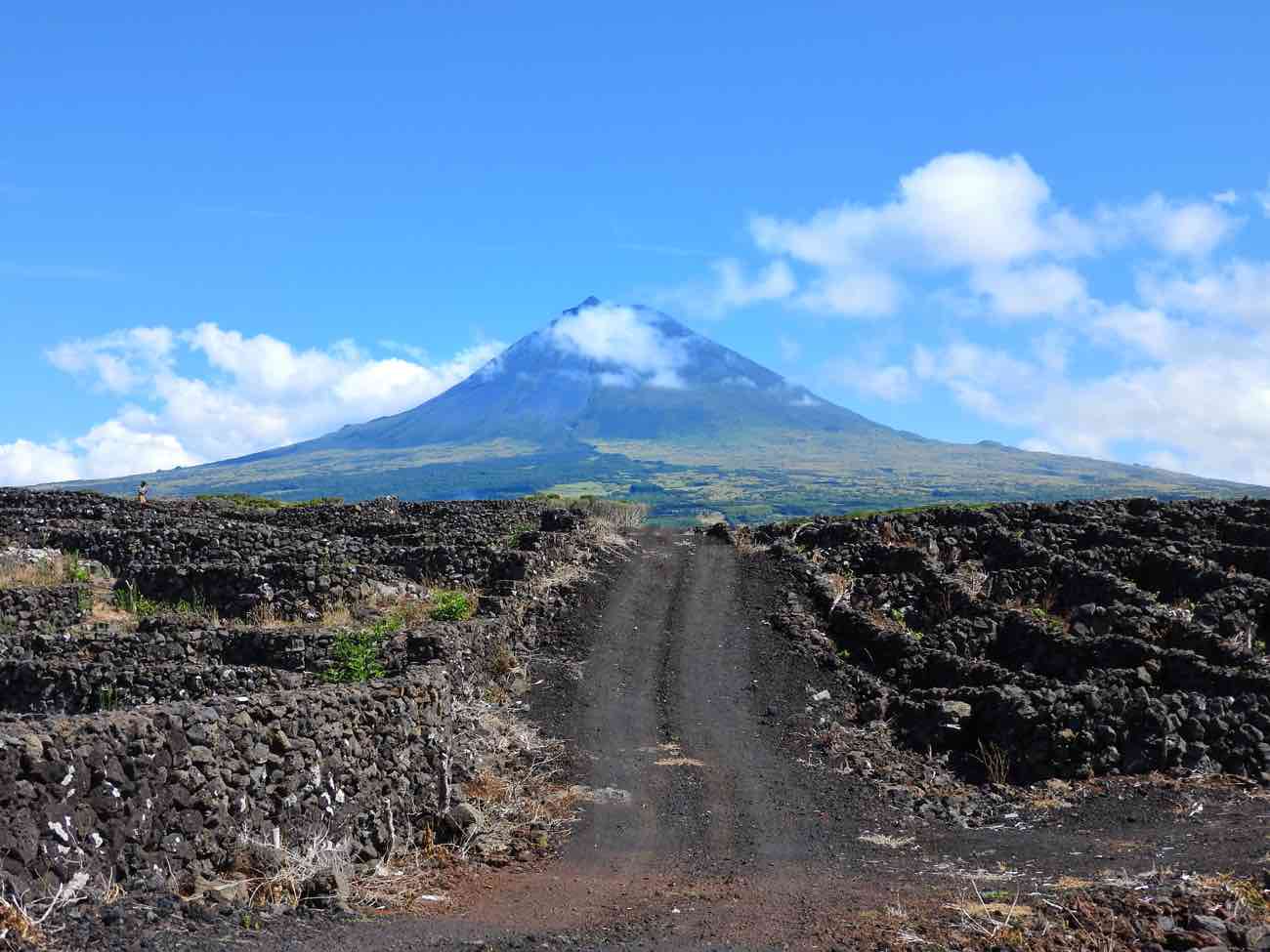
Mount Pico is the highest point in Portugal at 2,351 meters, more than twice the height of any other peak in the Azores. It dominates the whole island and is the first thing you see arriving by sea or air. I strongly recommend hiking Mount Pico if your fitness allows it. The trail is essentially a geology field trip through hardened lava flows, and the views from the summit over the surrounding islands are extraordinary when the cloud lifts.
This was one of the most physically demanding things I’ve ever done. The round trip runs 6 to 8 hours on steep volcanic terrain, with 1,148 meters of elevation gain from the starting point at Casa da Montanha. My knees reminded me of it for days afterward. Take it seriously, start early, and don’t skip the mandatory permit (€25 to Piquinho, €15 to the crater only), required for all summit attempts. A guide is strongly recommended, especially for first-timers.
Vineyards
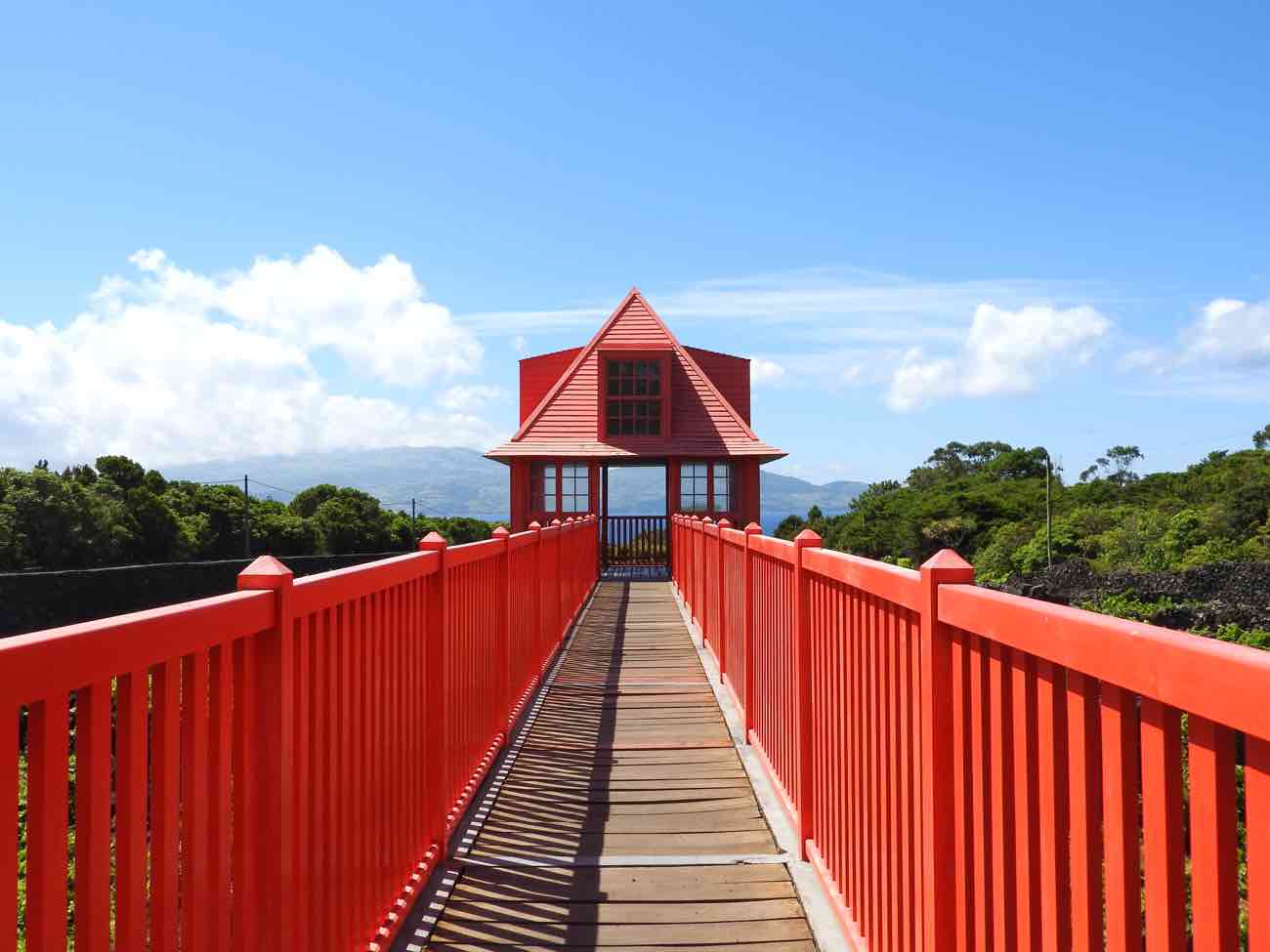
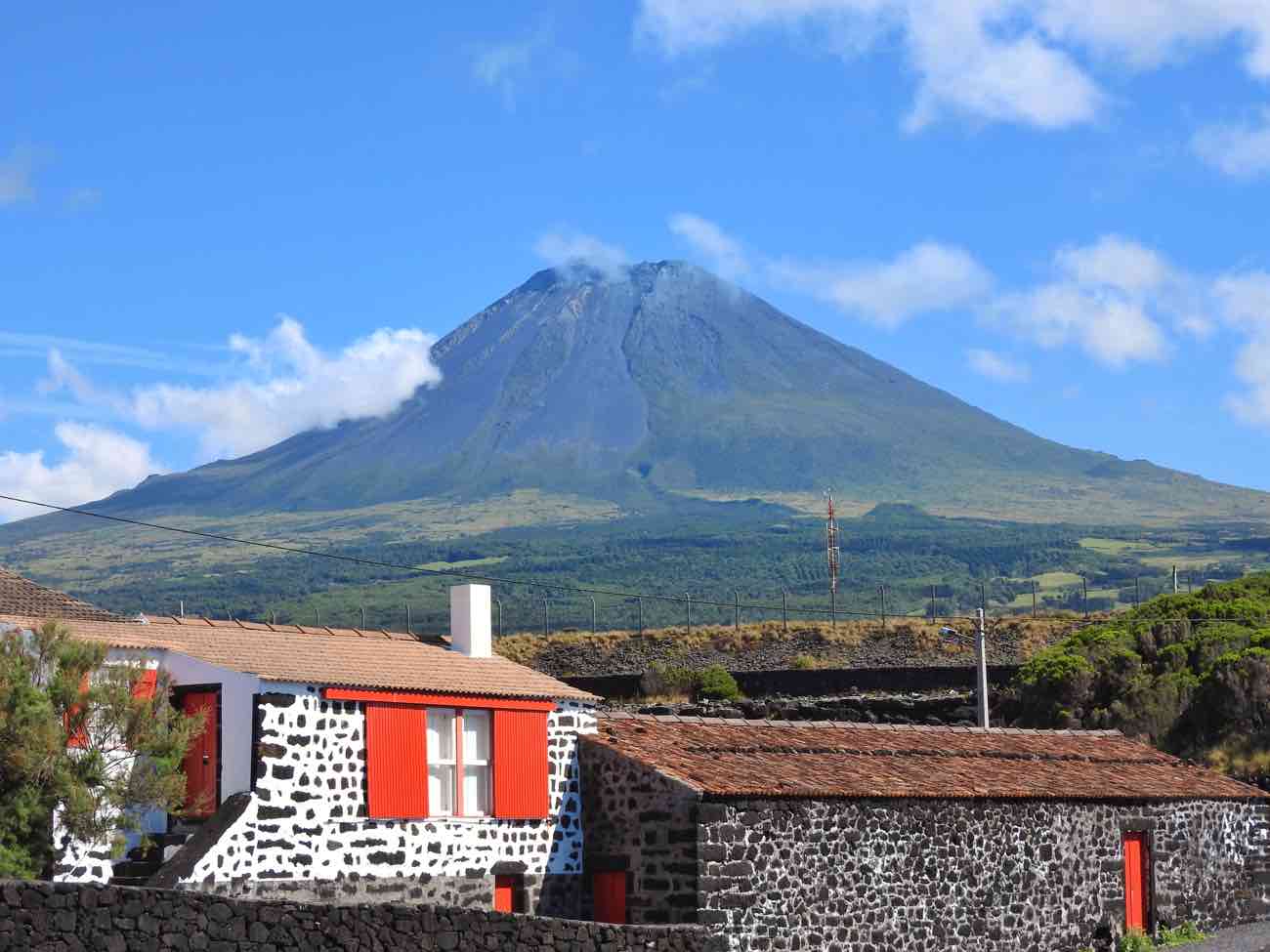
Right next to the airport, you’ll immediately notice an extraordinary pattern of black lava rock walls stretching toward the sea. These are the currais: stone enclosures built by hand over centuries to protect grapevines from Atlantic wind and saltwater spray. The visual contrast between the black basalt, the deep green of the vines, and the blue of the ocean is unlike anything else I’ve seen in Europe.
In 2004, UNESCO designated Pico’s vineyard landscape a World Heritage Site. The Museu do Vinho (Wine Museum) is the best place to understand the wine culture and history, and obviously: taste the wine. The local Verdelho is exceptional.
Is whale watching in Pico worth it?
Yes, and it’s not even close. Pico sits along major cetacean migration routes, with sperm whales present year-round and blue whales, fin whales, and humpbacks passing through seasonally. Whale watching is one of the unmissable things to do in Pico, and the context behind it makes it even better.
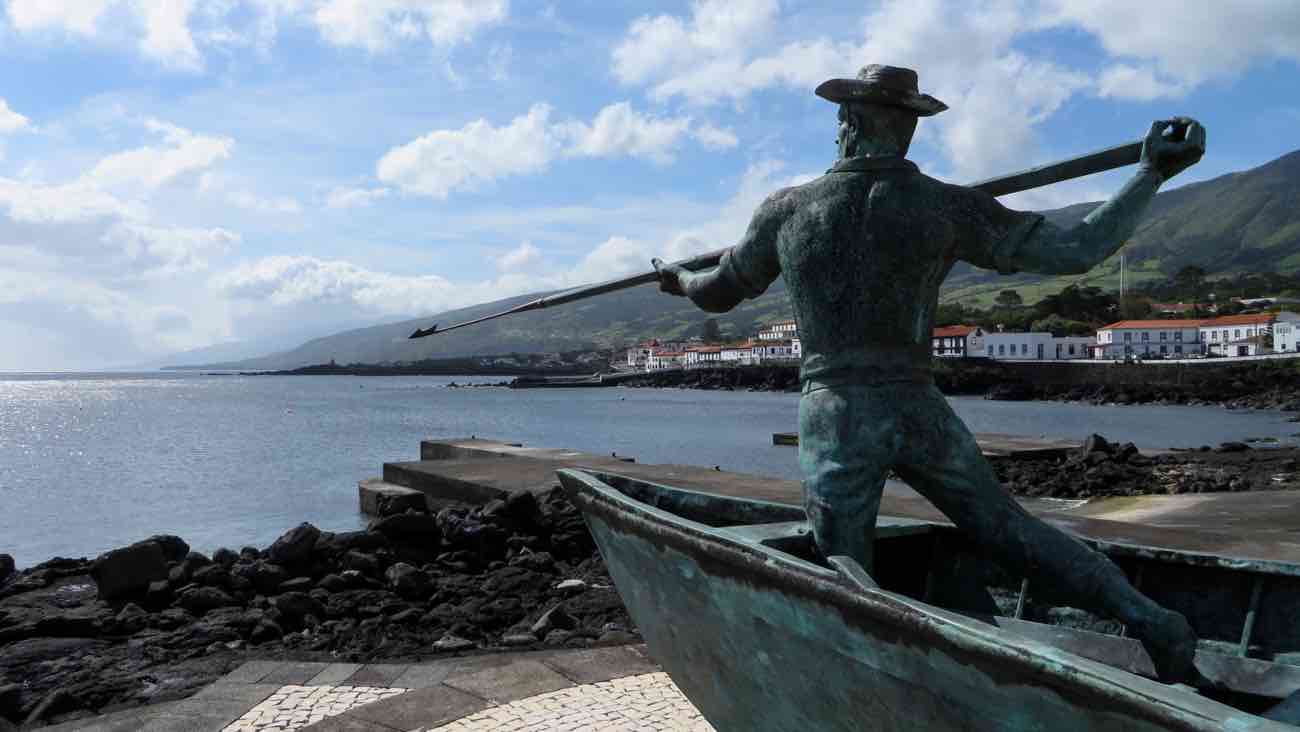
Whale hunting in Pico began in the 18th century, when American whalers arrived specifically to hunt sperm whales. By the mid-20th century, a full industrial operation had taken root in São Roque do Pico. The last sperm whale was hunted here in 1987. The following year, whaling was banned entirely across Portugal.
Today, the same coastline that once launched hunting boats is home to some of the world’s best whale watching. Espaço Talassa is the most reputable operator on the island, founded in 1989 and still the gold standard for responsible, research-backed tours. Pricing runs around €65 to €75 per person for a half-day trip in high season. Book ahead in July and August.
Pro tip: Between April and October, sighting rates for both whales and dolphins are highest. April to June brings the greatest species diversity, including blue whales.
Food in Pico island
What to eat in Pico island
Pico’s food is straightforward rather than flashy. It’s deeply rooted in what the island produces: fresh Atlantic fish, shellfish, local beef, island cheeses, and the wine. Don’t arrive expecting a sophisticated restaurant scene. Do arrive hungry for the real thing.
- Lapas (limpets): The most iconic shellfish in the Azores, grilled on a hot plate with garlic, butter, pepper, and lemon. Order these everywhere.
- Atum (tuna): Caught locally and served fresh. The tuna steaks here are a different product from anything you’ll find in a supermarket back home.
- Pão do Pico: The island’s own bread, slightly denser and chewier than mainland Portuguese bread. Good with everything.
- Vinho do Pico (Pico wine): A must. The volcanic soil and Atlantic climate produce wines unlike anything grown on the mainland. The Verdelho is particularly worth seeking out. My personal favorite is Terras de Lava.
- Ananás (pineapple): Technically from São Miguel, but so good it deserves a mention wherever you find it in the islands.
We ended up self-catering a lot during our stay because our house had a barbecue, and that’s actually a solid strategy on Pico. The island’s supermarkets have excellent local produce. The times we did eat out, the food was excellent. Here are my two favorite spots.
My favorite places to eat in Pico island
- Cella Bar: Popular for drinks with a sweeping view over Faial, but they serve food too and it’s worth staying for a meal. The architecture alone makes it an experience. The fish soup is rich and deeply flavored, and the chocolate mousse is unreasonably good. Order it.
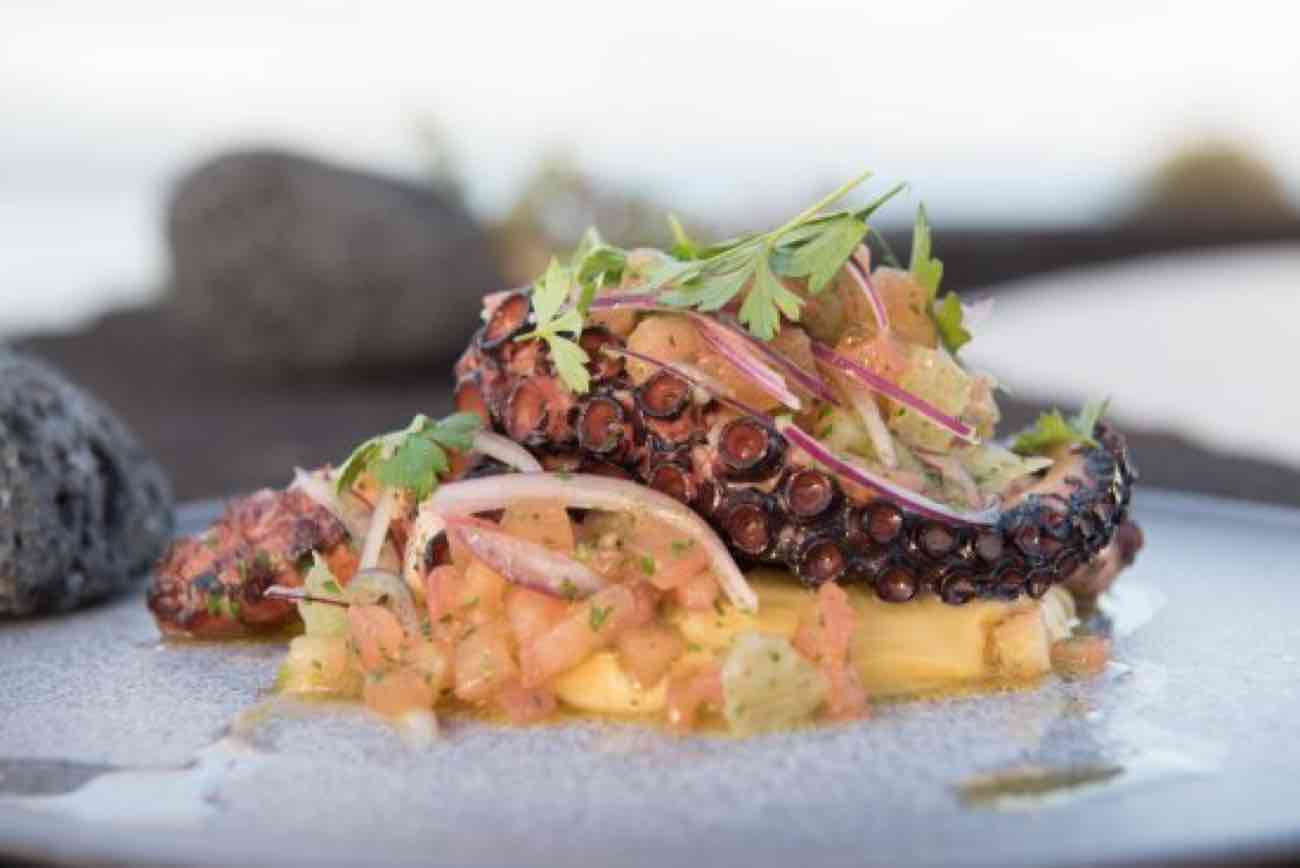
- Casa Âncora: Located right by the sea in São Roque do Pico, with a clean Nordic-minimalist vibe and food to match. The presentation is polished, the service is warm, and the octopus is excellent.
What does Pico island cost?
Pico is not cheap by Azorean standards and is finding a niche among more premium travelers. That said, it’s still relatively affordable compared to island destinations in southern Europe.
Here’s a realistic breakdown of current costs (2025/2026 figures):
- Car rental: Expect to pay roughly €40 to €60 per day for a small car in shoulder season, and €60 to €90 or more in peak summer (July to August). Automatic transmission cars run higher and sell out quickly. Book months in advance if you’re visiting in summer.
- Petrol: Prices fluctuate with global markets but currently hover around €1.70 to €1.90 per liter. Fill up in Madalena rather than betting on finding a station elsewhere on the island.
- Food: A main course at a local restaurant runs €12 to €18. A relaxed lunch for two with drinks costs around €30 to €45. Dinner for two at a mid-range place with a bottle of wine: expect €55 to €75. Fine dining options like Bioma start at around €90 per person for a tasting menu.
- Accommodation: Budget guesthouses start around €55 to €80 per night for a double room. Rural cottages and well-reviewed properties run €90 to €150 and above. Peak summer prices climb significantly, so booking 3 to 4 months ahead is sensible.
- Mount Pico permit: €25 to hike to Piquinho (the true summit), €15 to the crater only. Mandatory for all hikers.
- Whale watching: Around €65 to €75 per person for a half-day tour with a reputable operator.
Traveling independently, you can manage comfortably on €100 per person per day including a rental car, meals out, and one activity. Cook in at your accommodation once a day and that number drops to €60 to €70.
Where to stay in Pico island
Stay at least two to three nights. If you’re planning to climb Mount Pico, block out a full day for that alone.
Madalena and São Roque are the most practical bases, close to ferries, restaurants, and car rental. But a rural house further from town adds something to the experience that a hotel in the center simply can’t. The stargazing alone is worth the extra drive.
⭐ My top hotel recommendation in Pico ⭐
Sadly, the house I stayed in is no longer accepting guests. The one below is immediately next door.
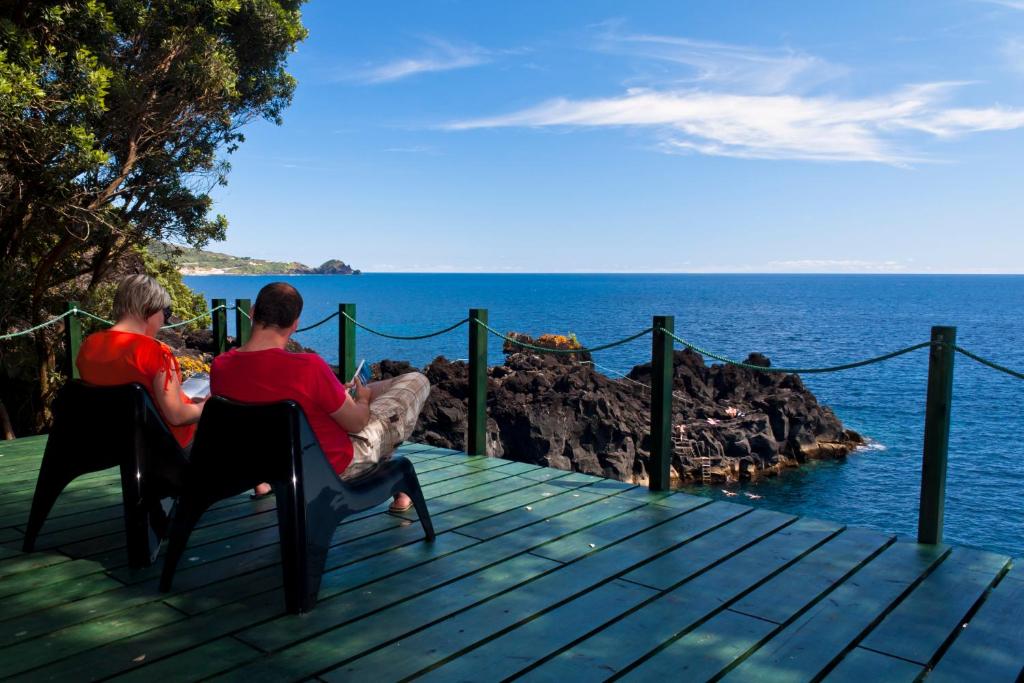
Recently opened accommodation, with direct ocean access and a whale-watching tower.
Looking for a less hotel-y feel?
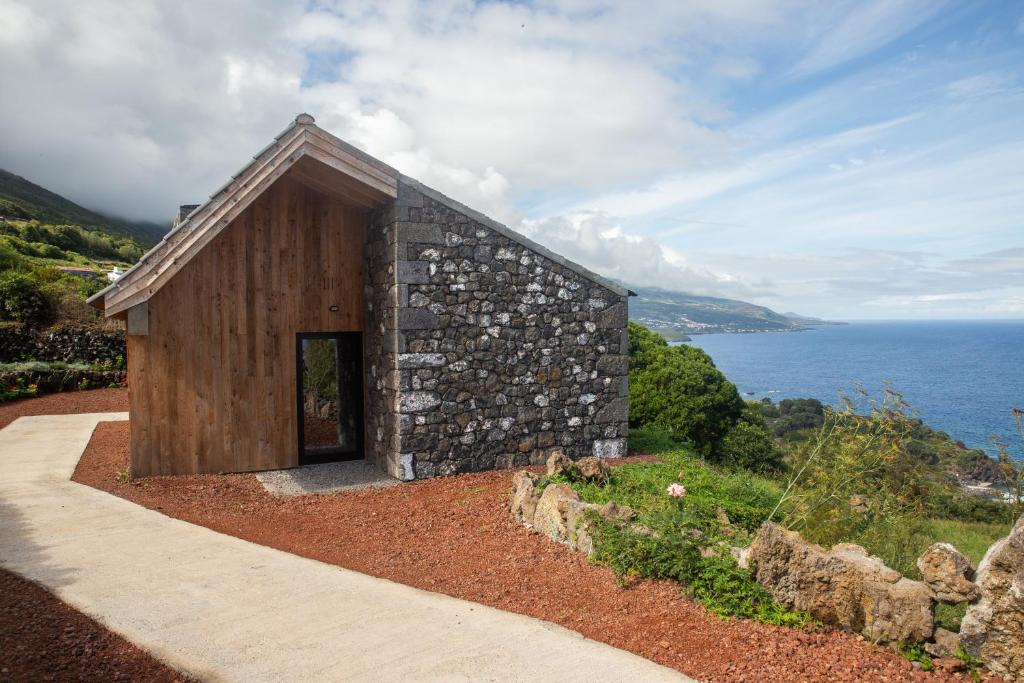
Stunning views, comfortable decoration, modern vibes. All you need in Pico, really.
Browse this curated shortlist of hotels and rural properties in Pico, filtered to include only places with strong reviews, free WiFi, and parking.
Is Pico island worth visiting?
Yes. Unreservedly. Visiting Pico changed how I see my home archipelago.
It made me realize how quickly São Miguel is becoming a conventional tourist destination. Pico hasn’t gone that way yet. It’s still an island where you can rent a remote stone cottage, go to the supermarket, watch the sky at night without any light pollution, and listen to the cagarros going absolutely feral in the dark. That experience is getting harder to find in the Azores, and Pico still has it.
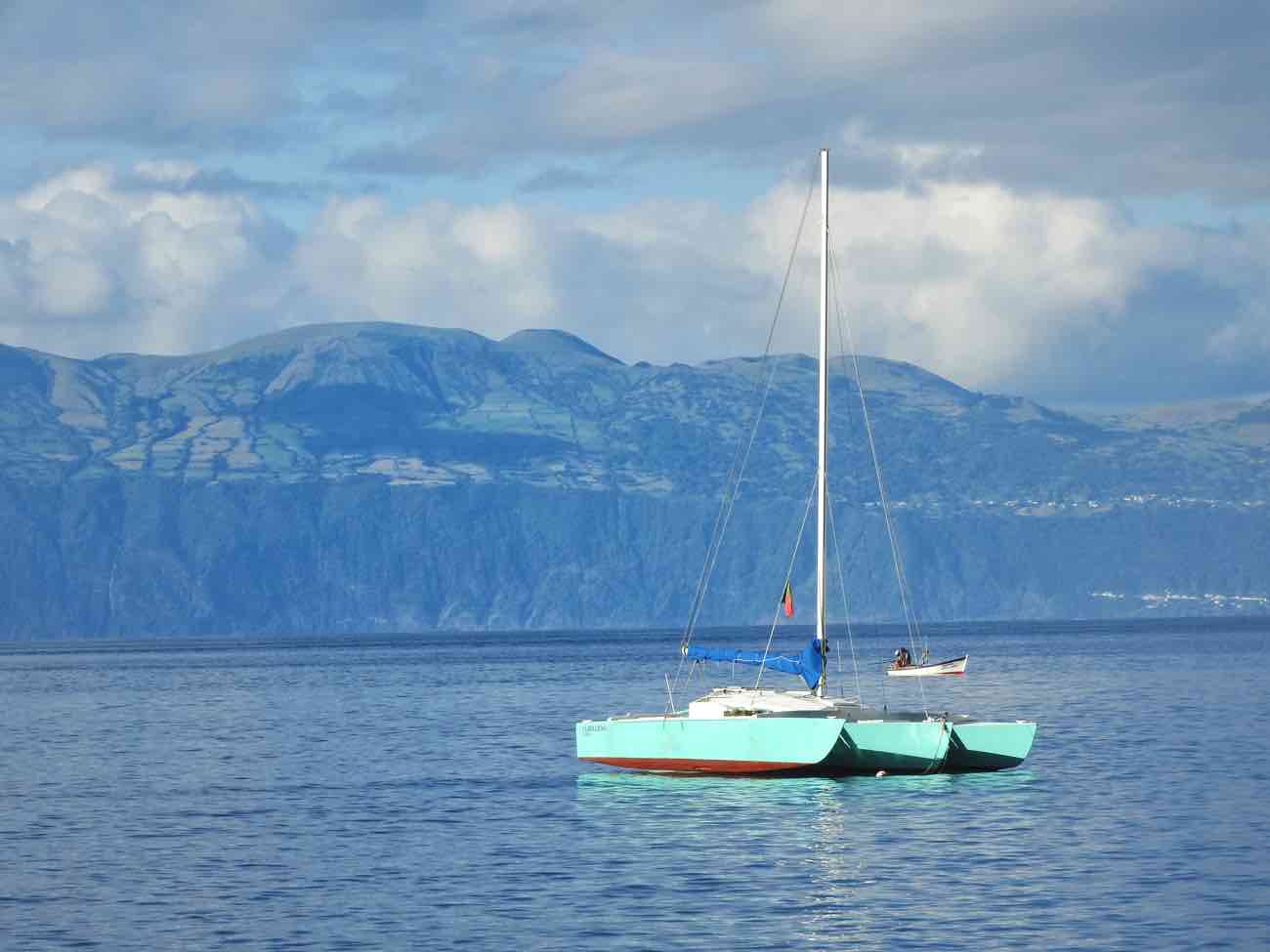
The mountain hike was the physical highlight. But I was equally struck by the landscapes across the whole island: on a sunny day, the saturation of the greens, blacks, and blues looks almost artificial. Add the views across to Faial and São Jorge on the horizon, and you have one of the most visually distinctive places I’ve visited anywhere.
Go as local as you can. Rent somewhere remote. Cook your own dinner at least once. If you’re putting together a multi-island Azores itinerary, Pico is the one you don’t skip.
Pico island FAQ
Is Pico island worth visiting?
Pico is worth visiting for anyone who wants a more raw and authentic Azores experience. It's home to Portugal's highest mountain, UNESCO-listed vineyards, and some of the world's best whale watching. It's less developed than São Miguel, which is precisely why many travelers who make it here end up calling it the best stop in the archipelago.
How many days do you need on Pico island?
Plan for at least 3 full days. That's enough time to hike Mount Pico (allow a full day), do a whale watching tour, explore the vineyards, and see the main coastal towns. With 2 days, you can still cover the highlights if you skip the mountain summit.
Do you need a car in Pico island?
Yes. Public transportation on Pico is minimal and not designed for tourists. Without a rental car, you're effectively limited to the area around Madalena. A car gives you the freedom to explore the whole island, which is the point. Book your rental well in advance, especially for automatic transmission vehicles in summer.
When is the best time to go whale watching in Pico?
Whale watching is possible year-round in Pico, but the highest species diversity occurs between April and June, when blue whales, sperm whales, and several dolphin species are all present simultaneously. From July to October, sighting rates remain high and conditions are generally calmer. Espaço Talassa is the most established operator on the island.
How long does it take to hike Mount Pico?
The round trip takes 6 to 8 hours from Casa da Montanha, the mandatory check-in point at 1,200 meters elevation. The hike covers around 8 km with 1,148 meters of elevation gain on steep volcanic terrain. A permit is required (€25 to reach Piquinho, the true summit; €15 to the crater only). A guide is strongly recommended for first-time climbers.
Is Pico island expensive?
Pico is slightly more expensive than most other Azorean islands due to its remote location and growing reputation as a premium destination. Car rental, accommodation, and supermarket prices all run higher than you might expect. That said, it remains affordable by Western European standards. Budget around €80 to €100 per person per day for independent travel including a rental car, meals, and one paid activity.