
Lisbon is one of those cities that keeps revealing itself the more time you spend in it. After almost 10 years living there and countless trips back since, I’m still finding things that make me go “how did I not know about this?” This list covers the 25 best things to do in Lisbon: pastéis de nata, 12th-century flea markets, UNESCO palaces, and riverside bike rides that blessedly involve zero hills. Come in spring, go slow, and for the love of all things holy, stop eating in restaurants with hawkers at the door.
📋 Quick tips for Lisbon
- 🏨 For the best hotel deals with free cancellation, use Booking.com (in my experience, often cheaper than Airbnb in Lisbon)
- 🚗 Always compare car rental prices before committing, especially for day trips outside the city
- ☑️ Travel insurance is non-negotiable: I use Heymondo, and it has saved me more than once
- 💰 Use Airalo for affordable eSIMs and avoid roaming fees
- ✈️ Flight delayed or cancelled? Airhelp can get you the compensation you’re owed
What are the best things to do in Lisbon?
The best things to do in Lisbon span food, history, architecture, and neighborhood wandering. Must-dos include eating a fresh pastel de nata, visiting Jerónimos Monastery, exploring Alfama’s cobblestone streets, and watching the sunset from a miradouro. For day trips, Sintra is unmissable. Lisbon rewards those who slow down and get a little lost.
Lisbon has got it all: a rich history, mild weather year-round, top-notch beaches less than an hour away, and a food scene that punches well above the city’s size. The weather is kind, the food is cheap relative to most of Western Europe, and locals are warm in a way that doesn’t feel performative.
That said, Lisbon has changed a lot. The city I moved to in the early 2010s and the one you’ll visit today are not the same place. Airbnb ate Alfama. Tuk-tuks multiply faster than pigeons. Some of the best neighborhood restaurants have been replaced by overpriced tourist traps. Don’t get me wrong, none of this is a reason not to go, but it is a reason to be smart about how you go. This list will help. Let’s explore the best things to do in Lisbon, with the eyes of someone who actually lived there.
Lisbon has a LOT of tourists right now, and I’m afraid we’ve reached amusement park territory. For a better shot at finding the “local” and “authentic” Lisbon, come outside the summer months (June, July, August) and avoid staying in Airbnb-packed areas like Alfama.
In this guide
- 1. Eat a Pastel de Nata
- 2. Jerónimos Monastery
- 3. Ride the funiculars
- 4. Mercado da Ribeira
- 5. Explore Alfama
- 6. Parque das Nações
- 7. Day trip to Sintra
- 8. Miradouro de Nossa Senhora do Monte
- 9. Feira da Ladra flea market
- 10. Ribeira das Naus
- 11. Taste the seafood
- 12. Comércio Square
- 13. Grab a bike
- 14. Belém Tower
- 15. Bairro Alto and Bica
- 16. Oceanário
- 17. São Jorge Castle
- 18. Chiado
- 19. Miradouro do Adamastor
- 20. Sip on ginjinha
- 21. The tile museum
- 22. Rossio and Baixa Pombalina
- 23. Hit the beaches
- 24. Sé de Lisboa
- 25. Santo António festivities
- Insider tips
- Where to stay in Lisbon
What is the best area for you to stay in Lisbon?
Find your area in Lisbon
1Eat the one and only Pastel de Nata

I’m hungry, so let’s start with food. Pastéis de nata are also known as Portuguese custard tarts. If you haven’t tried one yet, you don’t know what you’ve been missing all your life.
They taste as delicious as they look and are available in virtually EVERYWHERE in Lisbon. Paired with a bica (Portuguese espresso), this is the favorite snack of Lisboners: morning, afternoon, any other time really.
The original recipe comes from Pastéis de Belém, in the Belém district. This place is almost always packed, particularly on weekends. Interestingly, they’ve never won the annual award for the best Pastel de Nata in Lisbon (yes, that’s a real prize).
My personal favorites are from Fábrica da Nata and Manteigaria, in Largo de Camões and at Time Out Mercado da Ribeira in Cais do Sodré. Pro tip: go to Manteigaria and watch them being made through the glass. Warning: if they come fresh out of the oven, stopping at one is a serious challenge. I speak from repeated experience.
2Awe at Jerónimos Monastery (Mosteiro dos Jerónimos)
Jerónimos Monastery was built as a glorious ode to the Portuguese era of Discoveries in Asia, Africa, and South America in the 15th century. The architectural style, Manueline, represents the fusion of those cultures in the details of every door, spire, tower, and column.
A UNESCO World Heritage Site, the building is truly magnificent both from the outside and the inside. Spend some time inside exploring the chapel and the indoor patios. Rushing through it would be a waste.
3All aboard the funiculars!
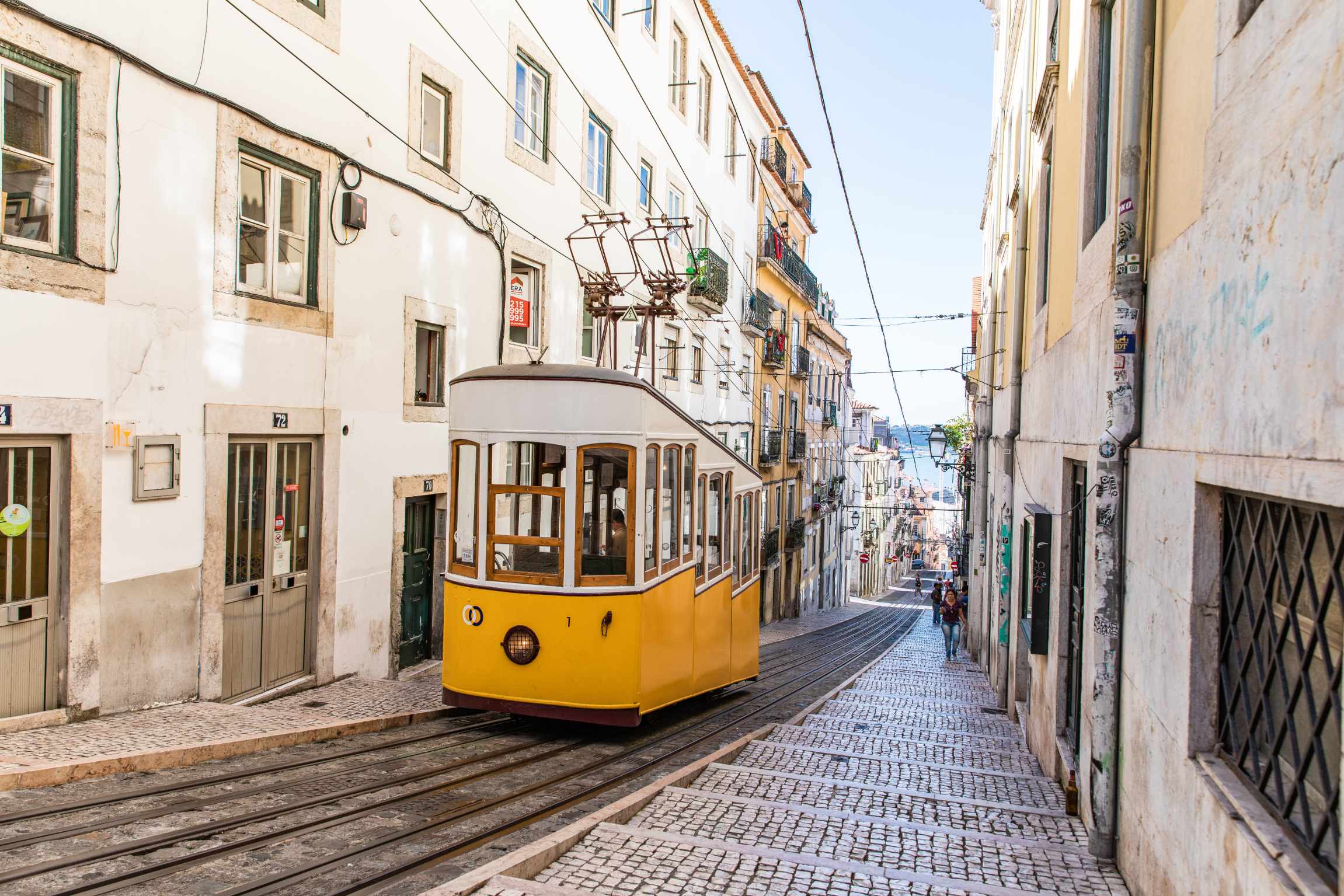
To deal with the many hills of Lisbon, funicular railways were built to transport people from downtown (Baixa) to the neighborhoods above. I’m not going to pretend these aren’t touristy. The vehicles will almost certainly be packed. That said, there’s still real joy in riding these 19th-century tracks uphill with the city unfolding below you. My actual ranking: skip the Santa Justa Elevator (it ends on a platform with no real exit, you’ll feel cheated), and go for Bica or Lavra instead. Both drop you into neighborhoods worth exploring on foot.
- Ascensor do Lavra: the oldest one
- Elevador de Santa Justa: the touristy one
- Elevador da Glória: the most used one
- Elevador da Bica: the most picturesque
4Mercado da Ribeira
I love markets, anywhere. And I love what TimeOut (yes, the magazine) did when refurbishing the old Mercado da Ribeira, right in Cais do Sodré.
On one side, traditional stalls with some of the best local fruits and vegetables. On the other, a massive food court with modern and quirky restaurants. You can get anything from fresh Atlantic oysters to Portuguese wines, from codfish stalls to hipster burger joints. It also doubles as a venue for concerts, workshops, and other events throughout the year.
5Explore the streets of Alfama
Is Alfama still worth visiting?
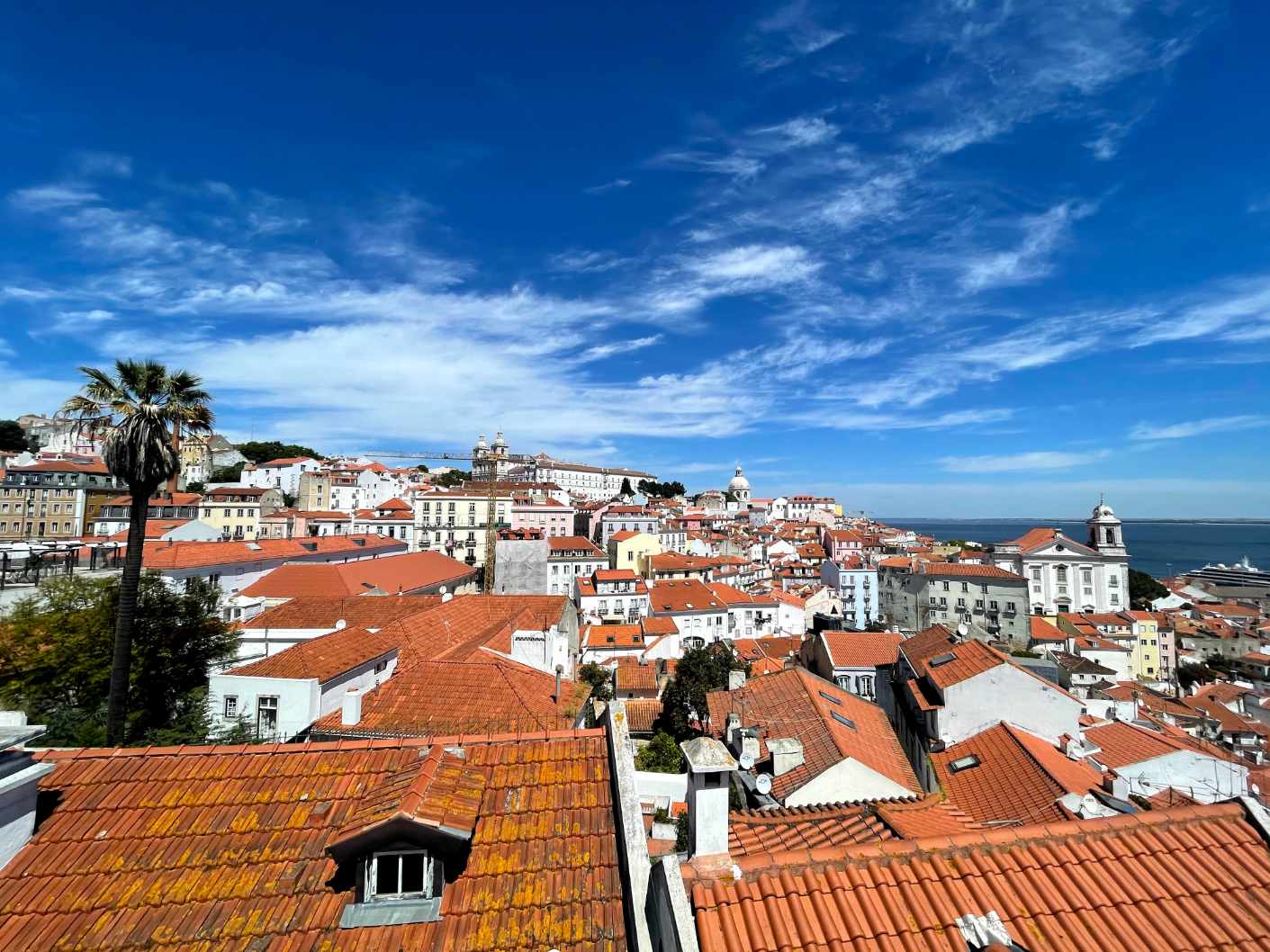
Yes. Even though modern Airbnbs have replaced many old traditional houses and tourists have displaced much of the local population, exploring Alfama is still a peek into the old essence of Lisbon. Go early in the morning (before 9am) or on a weekday if you can: the light is better, the streets are quieter, and you’ll occasionally catch the actual residents going about their actual lives. Get wonderfully lost in the tiny cobblestoned streets and find surprises at every corner: little shops, restaurants, squares, and viewpoints with sweeping views over the city and river. Portas do Sol is a fantastic spot to grab a beer and watch the world go by.
6Give a chance to the modern Lisbon
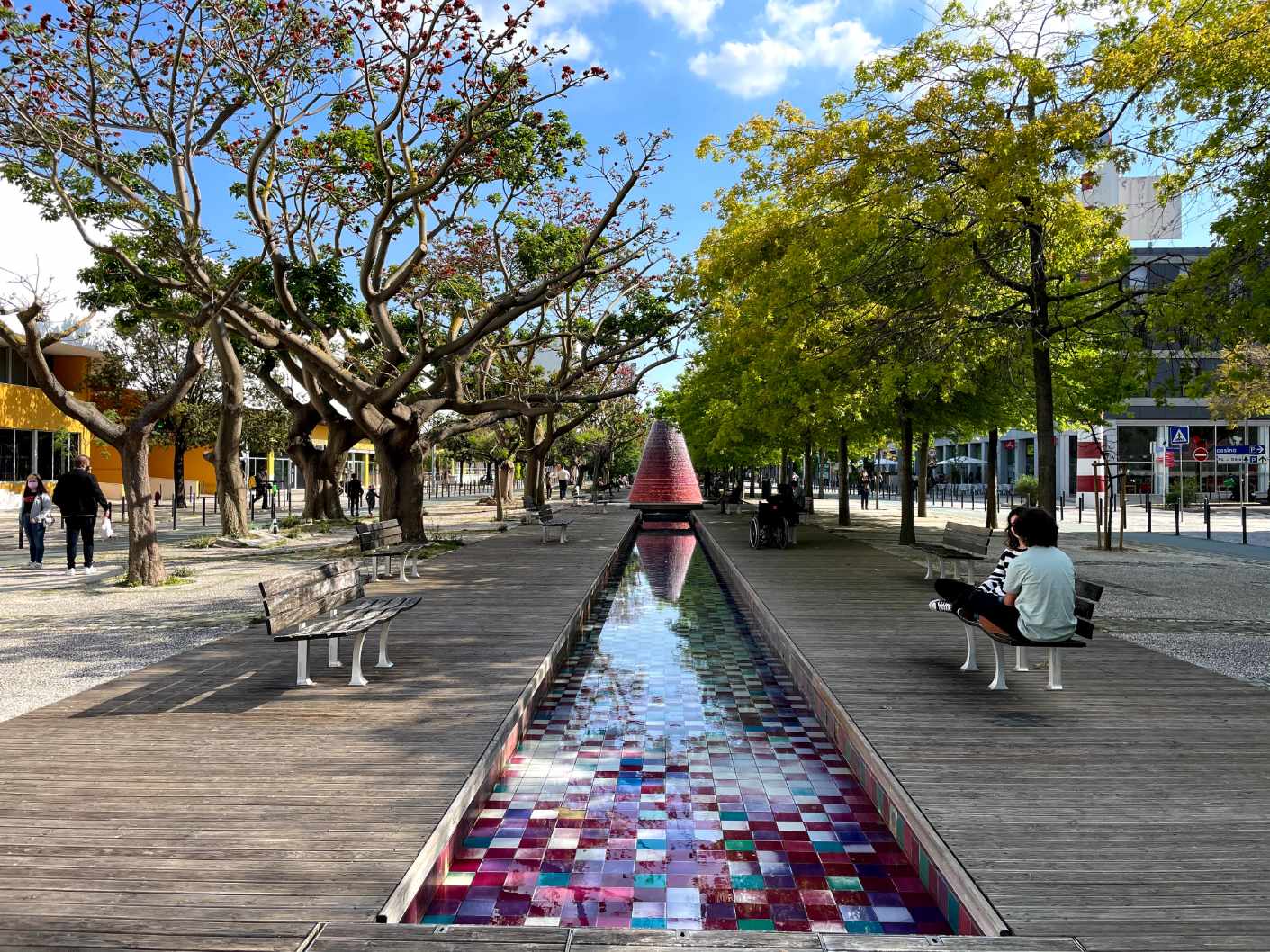
The Universal Exhibition of 1998 (Expo’98) in Lisbon sparked a major urban redevelopment of the city’s eastern waterfront. When it ended, a new urban district named Parque das Nações (Park of Nations) was born.
Walking through this area gives you a dramatically different perspective from the rest of the city. Twin towers designed to look like giant sailboats, a ship-shaped mall, water gardens, a casino, and the longest bridge in Europe: Ponte Vasco da Gama. It’s contemporary architecture as an open-air portfolio.
7Live a fairytale in Sintra
Is Sintra worth a day trip from Lisbon?
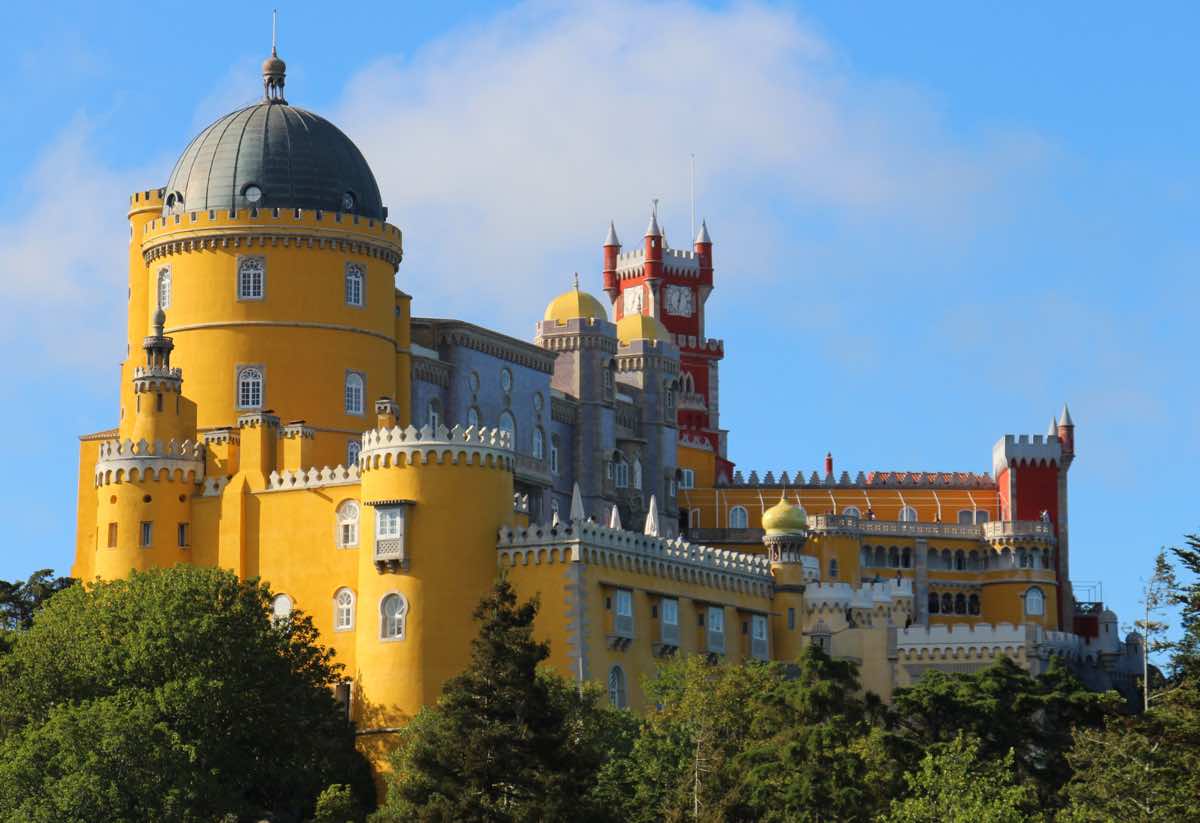
Without question. Sintra is a village where imposing mansions and ancient palaces of former Portuguese kings coexist with exotic gardens and lush greenery. It’s a UNESCO World Heritage Site, only about 40 minutes by train from Lisbon’s Rossio station, and one of the best day trips from Lisbon you can do.
One important caveat: Sintra gets absolutely mobbed in summer. If you’re going in July or August, take the first train out (around 7:30am from Rossio) and you’ll have the palaces to yourself for the first hour. Wait until 11am and you’ll be queuing in the sun with 400 other people wondering where the magic went.
- Palácio da Pena: colorful palace brimming with over-the-top design, sitting on top of a hill with breathtaking views over the entire Sintra-Cascais-Lisbon region. It looks like someone fed a Disney movie to an architect.
- Castelo dos Mouros: 8th-century castle ruins towering over the mythical Mountains of the Moon, overseeing the entire village.
- Sintra National Palace: a historic house museum with a blend of Gothic, Manueline, Moorish, and Mudéjar architectural styles.
- Piriquita: traditional pastry shop. A mandatory stop.
The best day trips from Lisbon
Nature parks, beaches, castles, coastal towns and historical monuments.
8Miradouro de Nossa Senhora do Monte
What is the best viewpoint in Lisbon?
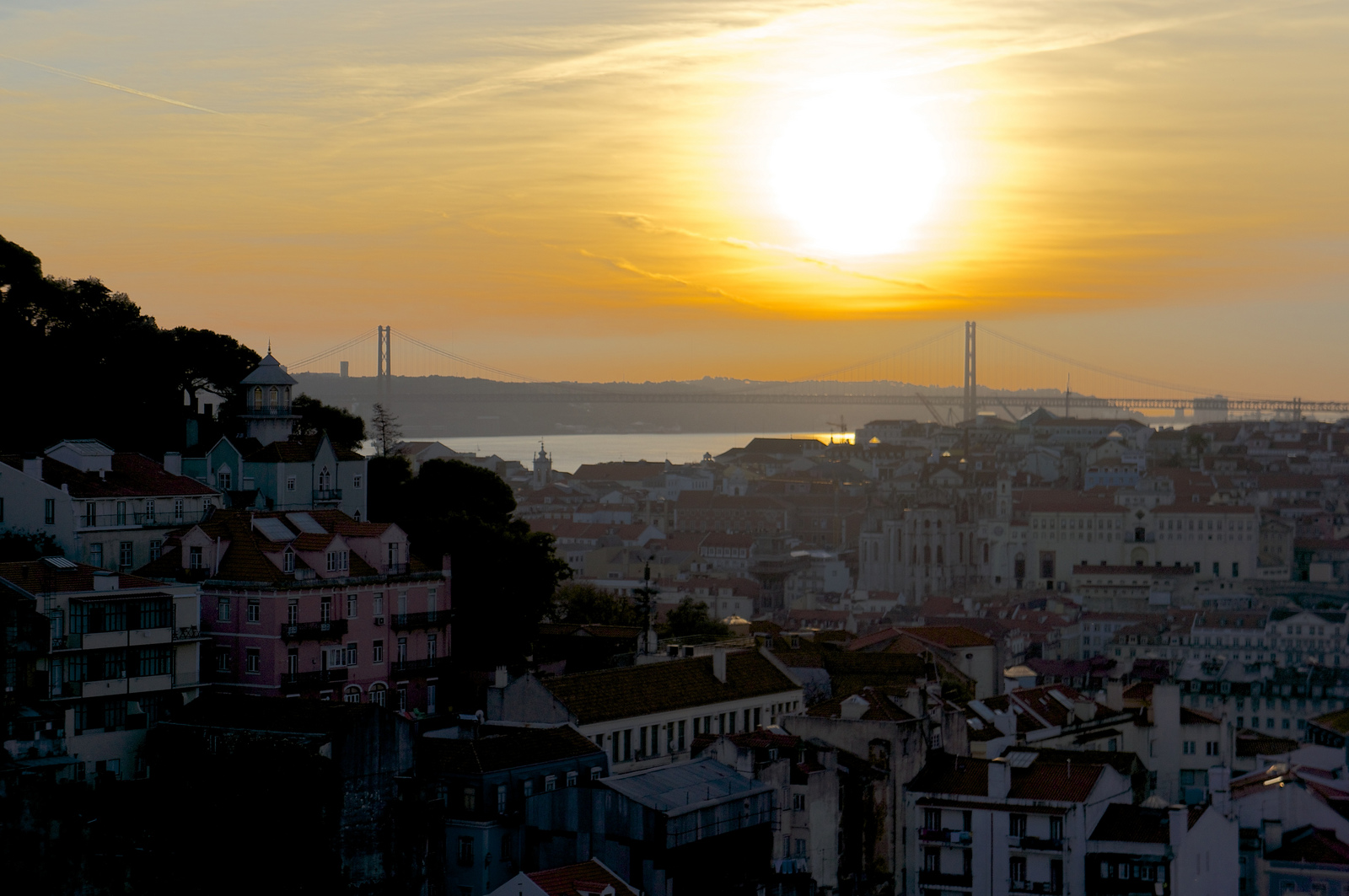
If you only go to one miradouro in Lisbon, make it Miradouro de Nossa Senhora do Monte in the Graça district. It offers the most complete panoramic view of the city: the Tagus, the castle, the rooftops, all in one sweep. It’s a challenging walk uphill (my calves have strong opinions on this), but worth every step. It’s also the least touristy of the main viewpoints, which means you’re more likely to find locals sitting on the benches than selfie sticks blocking the view. Come at sunset. Bring something to drink.
9Haggle at Feira da Ladra
Looking for the quirky, alternative side of Lisbon? Pay a visit to Feira da Ladra. This open-air bazaar has been running since the 12th century and is a popular destination for finding deals on antiques, clothes, housewares, old vinyls, and all sorts of random curiosities. These days it also caters to tourists with handmade tiles, cork items, and souvenirs.
Feira da Ladra opens every Tuesday and Saturday in Campo de Santa Clara. While you’re in the area, swing by two majestic monuments nearby: Panteão Nacional and Church of São Vicente de Fora.
10Ribeira das Naus
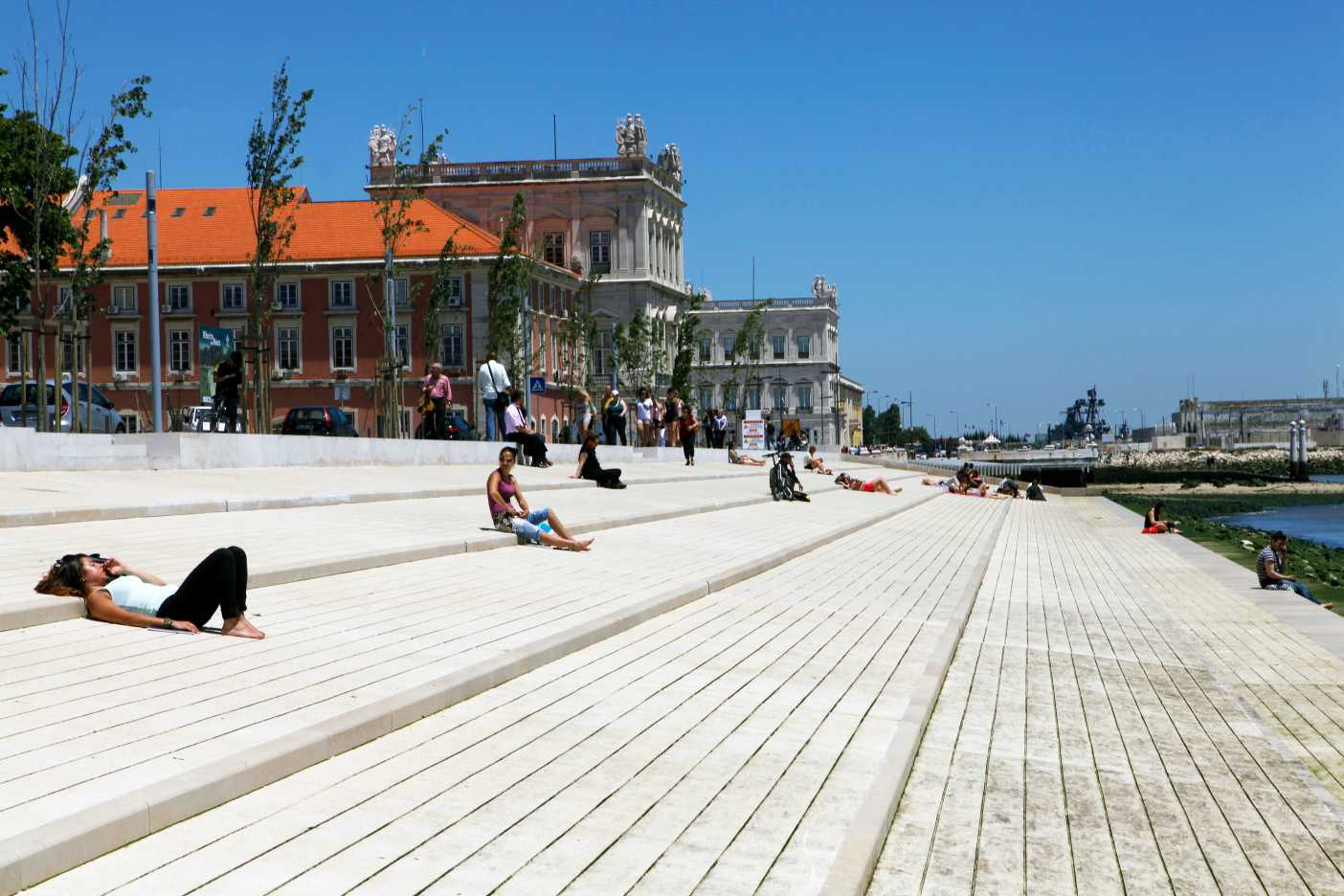
Ribeira das Naus is a riverside strip connecting Comércio Square and Cais do Sodré, filled with meadows, kiosks, riverside stairs, all backed by pastel-colored government buildings. If Lisbon has an urban beach, this is it.
It’s a lovely place to bike, drink a beer, sunbathe, or read a book, particularly on a bright sunny day. One of my absolute favorite spots in the city, and I think the reason is simple: it encapsulates everything that’s great about Lisbon. The river views, the mix of locals and visitors, and the effortlessly chilled vibe.
11Taste the seafood

Finding affordable, fresh seafood is extremely difficult in Europe. Portugal is the exception. The country shares most of its border with the Atlantic, which makes it arguably the seafood-friendliest country on the continent. Enough to say that the symbol of Lisbon’s biggest annual festivities, Santos Populares, is a sardine.
Walk into any typical Lisbon restaurant and order grilled dourada (sea bream), robalo (sea bass), sardinha (sardine), or one of the hundreds of bacalhau (codfish) preparations, the undisputed king of Portuguese cuisine. The rule of thumb I always give: the further the restaurant is from a major tourist sight, the better the food and the lower the bill. A neighborhood tasca in Mouraria or Intendente will serve you a better grilled fish for half the price of anything near Alfama or Belém.
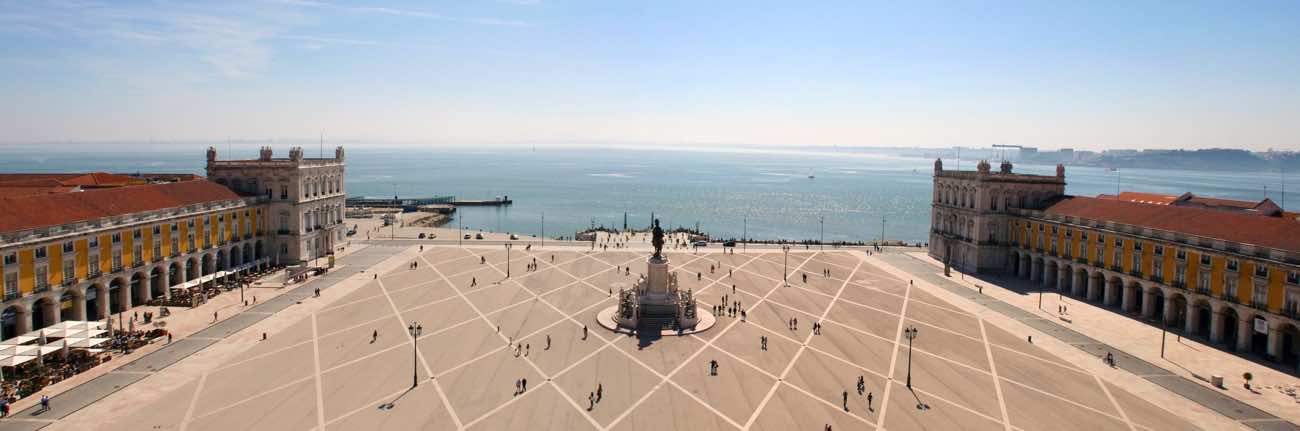
12Comércio Square (Praça do Comércio)
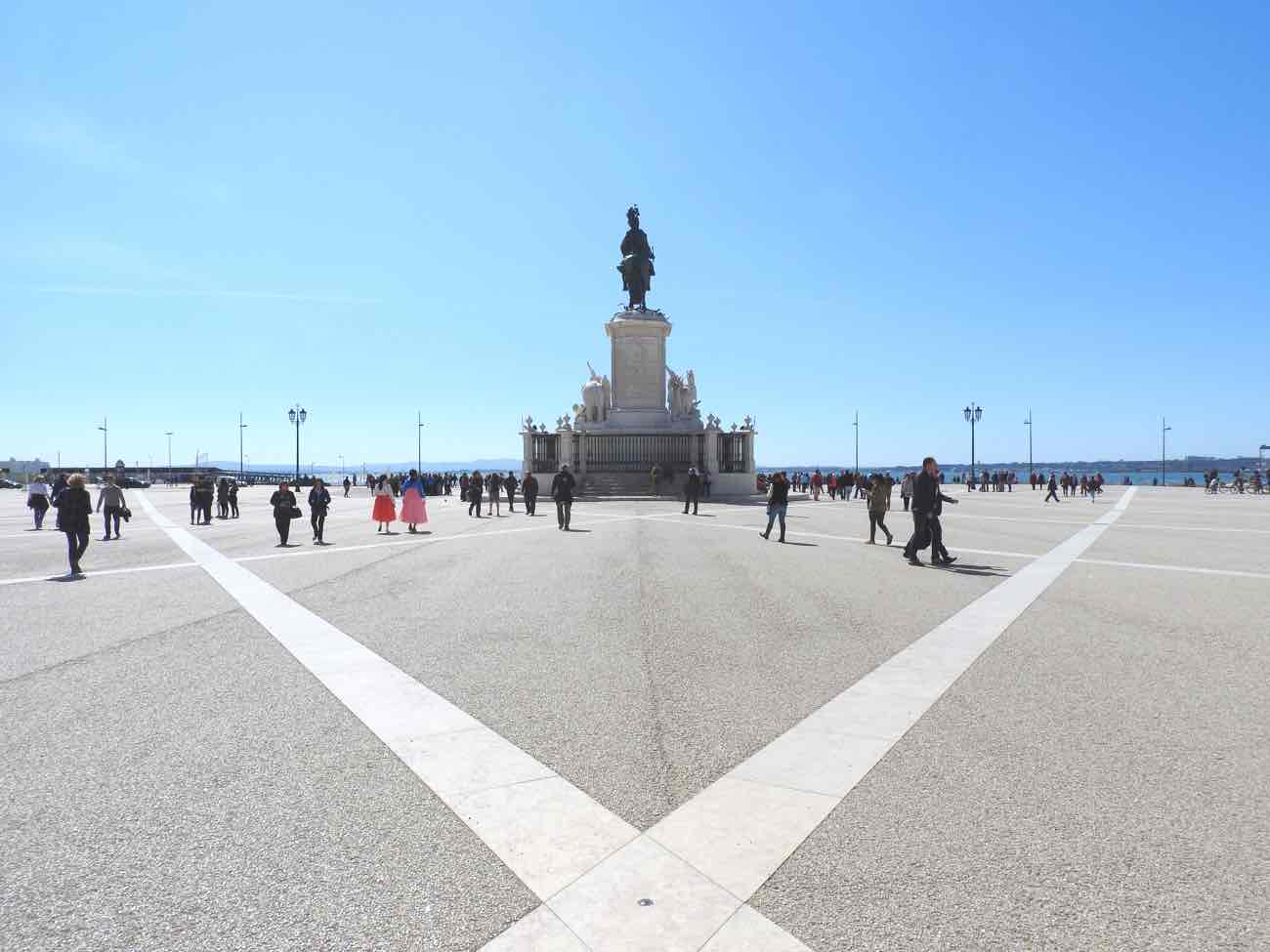
One of the largest plazas in Europe and the most magnificent in Lisbon. It’s surrounded by yellow Pombaline buildings on three sides, with the south side opening onto the Tagus river. The plaza is home to fine restaurants (including Martinho da Arcada, the oldest in the city), museums, and even a club.
It’s literally “Trade Square”, named because this is where merchants and captains would offload their goods after returning from long sea journeys. The Augusta Arch at the north end is a symbolic entrance to Lisbon and worth climbing for the view.
13Grab a bike!
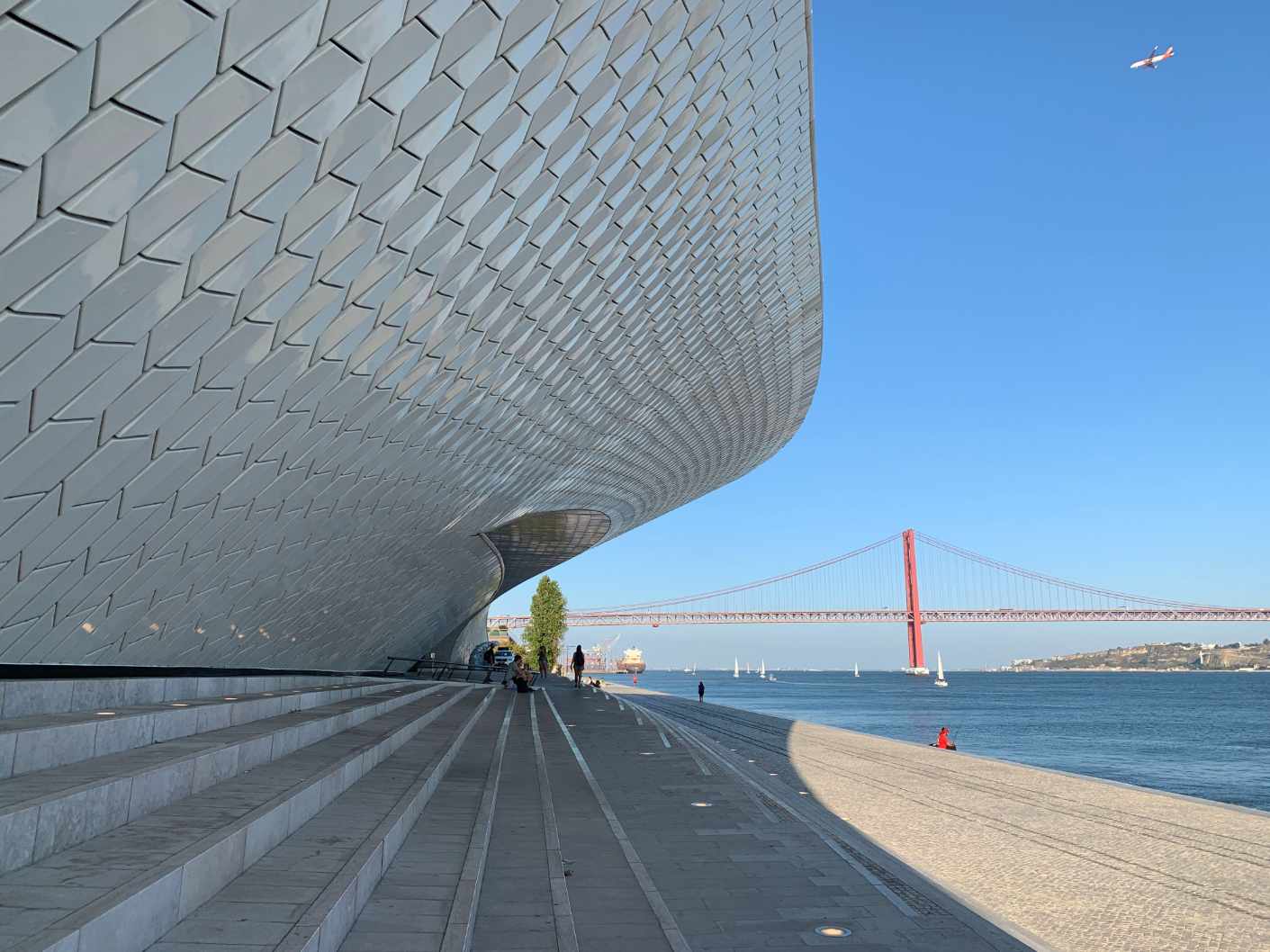
A few years ago, cycling through Lisbon would have been a nightmare. Since 2017, though, the city has invested heavily in bike lanes and a public bike sharing system called GIRA, with daily, weekly, monthly, and yearly passes available to visitors.
From Baixa, it’s possible to ride all the way to Belém or Parque das Nações along the river without touching a single hill. It’s one of the best ways to cover a lot of ground without the calves paying the price.
14Belém Tower (Torre de Belém)
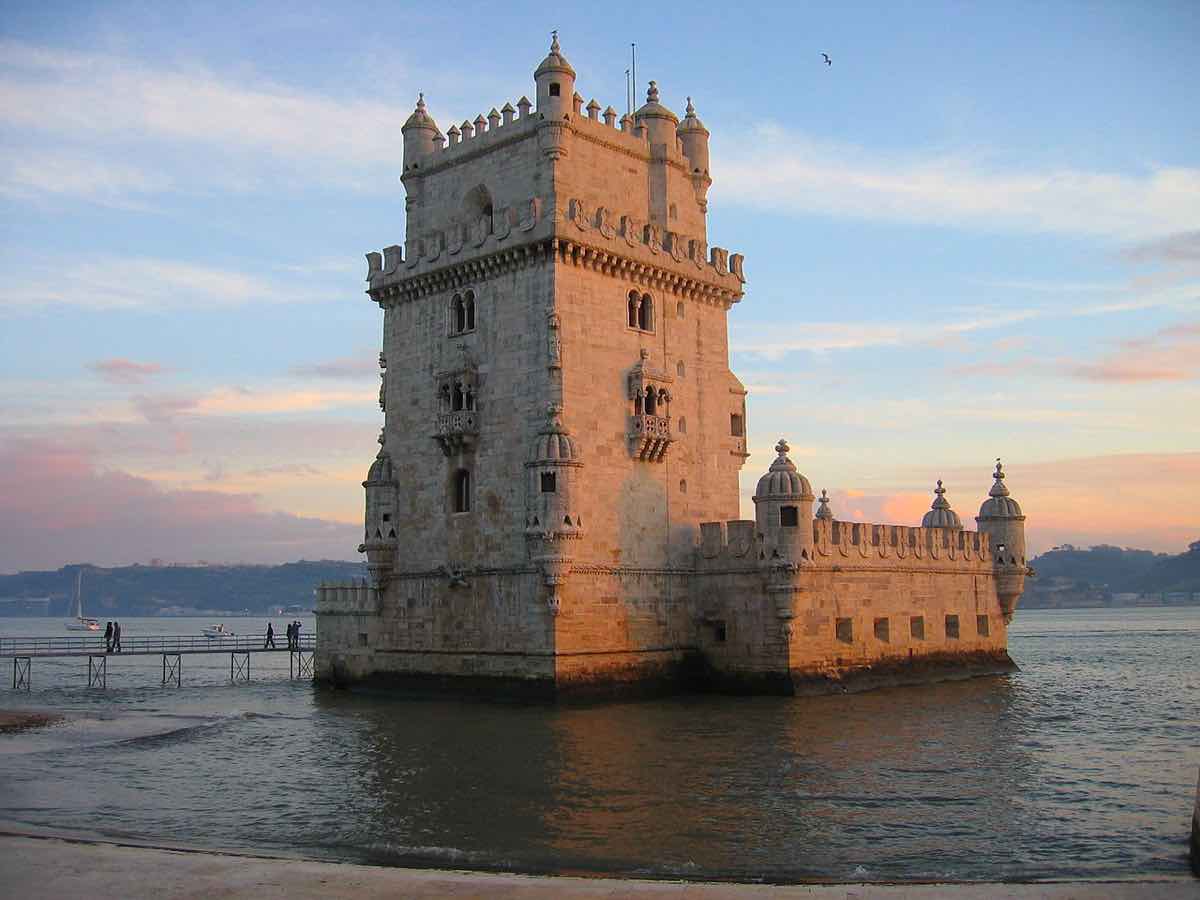
Is Belém Tower worth the ticket price?
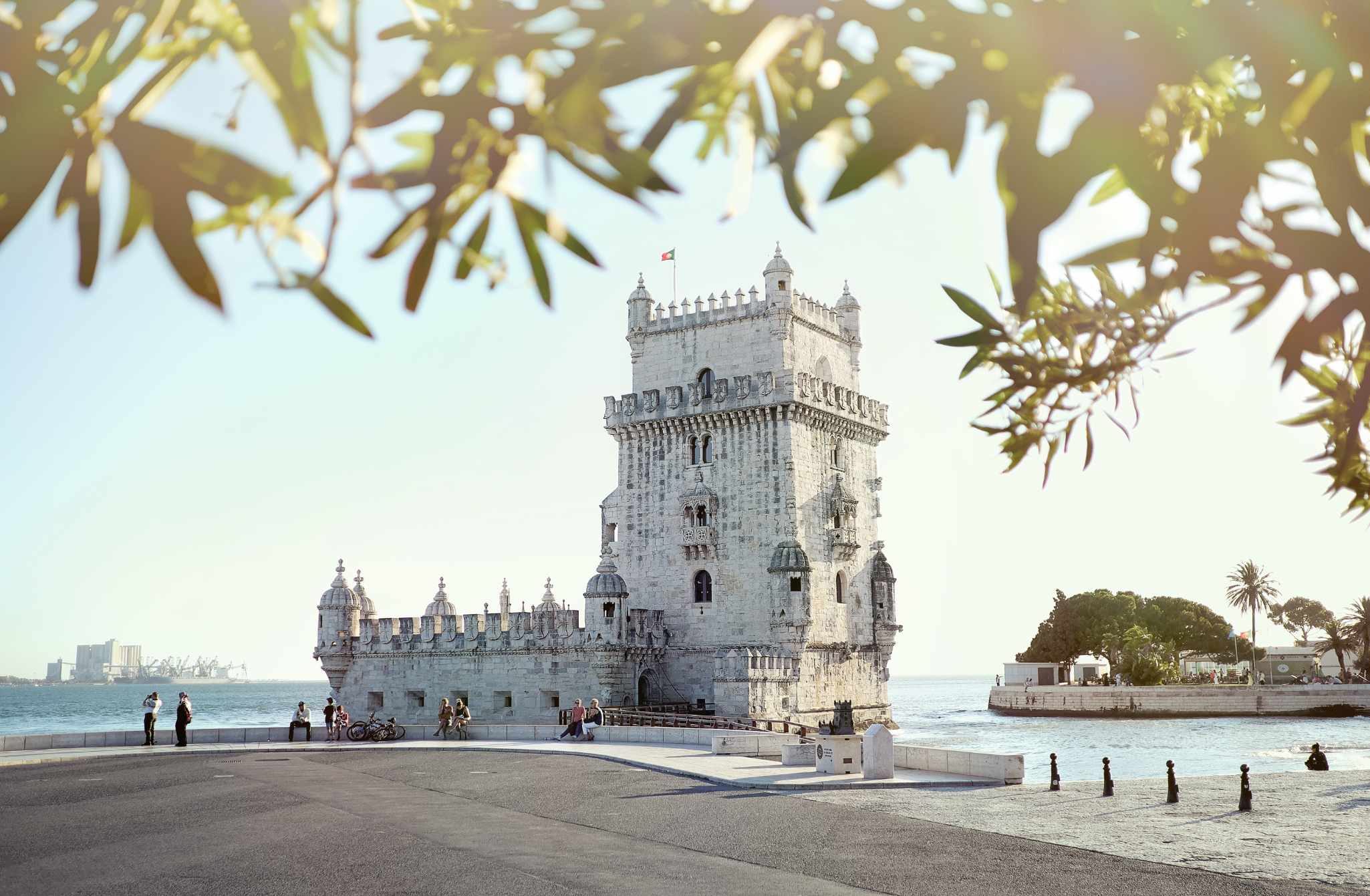
The tower itself? The interior is cramped, the queues are long, and the ticket (around €8) is not particularly good value for what you actually see inside. I’d skip it. That said, Torre de Belém is such an icon of Portuguese heritage and culture, sitting over the mouth of the Tagus since the 16th century, that it becomes a powerful thing to simply stand in front of. Explorers departed from this spot to Africa, South America, and Asia, and were received back here on their return. You can feel the weight of that just by walking around the outside. Save your money, but don’t skip the location.
15Have fun in Bairro Alto and Bica
Bairro Alto and Bica are among the most picturesque neighborhoods in Lisbon, but they come with a twist. By day, they’re quiet and photogenic. At night, the bars open up and eclectic crowds arrive, turning the streets into Lisbon’s nightlife epicenter. Year-round, you’ll find people hanging out in the street with a drink in hand. Lisbon really is that easy-going.
Lisbon Detailed Itinerary (3 Days)
A complete 3-day plan packed with tips and local advice for the main sights.
16Visit the best aquarium in the world
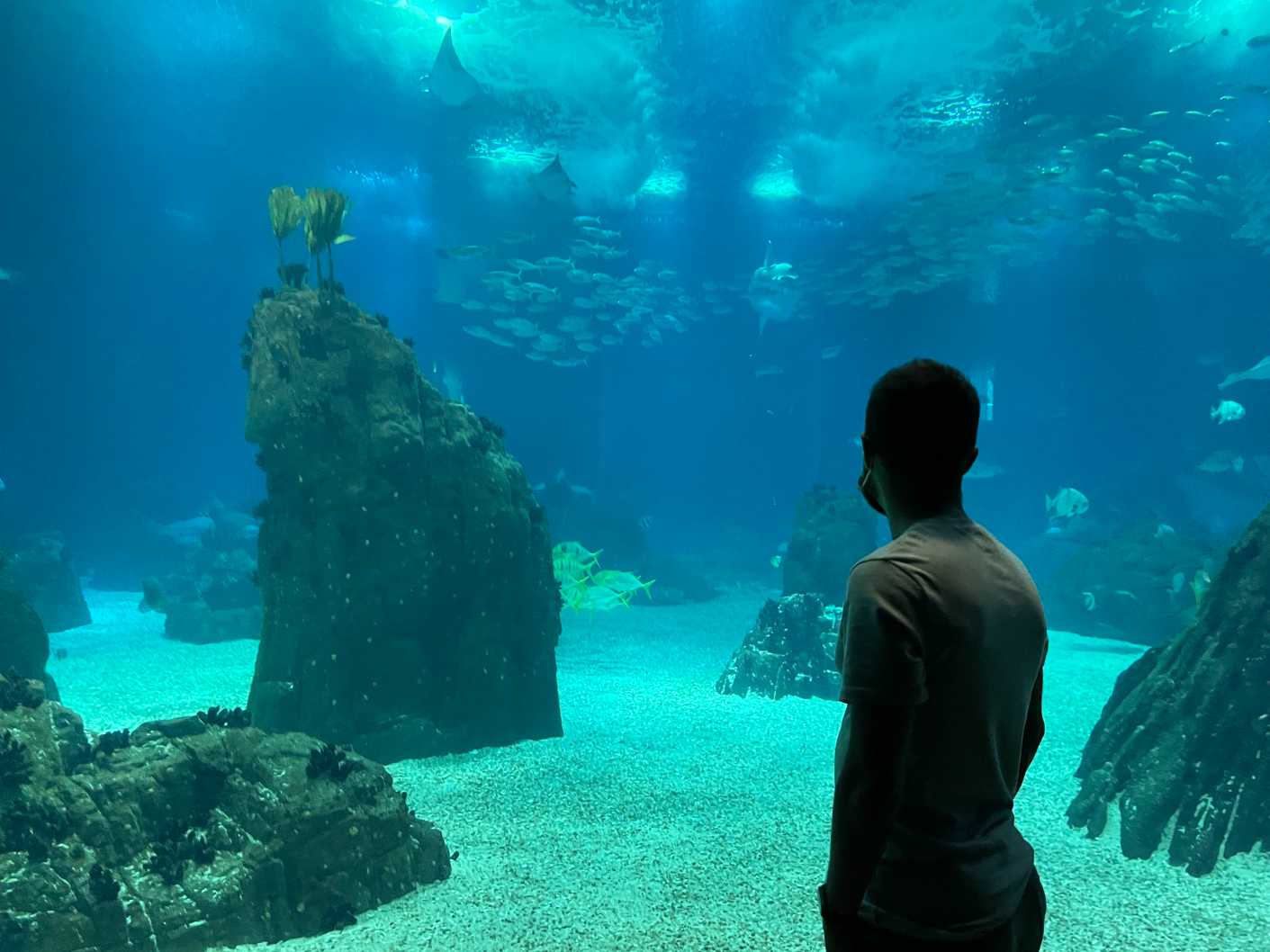
In the modern setting of Parque das Nações, Oceanário stands out as more than just an aquarium. The largest indoor aquarium in Europe and voted #1 in the world by TripAdvisor Travelers’ Choice, it’s not only a place for kids. Over 15,000 animals and plants representing 450+ different species will make you stop and stare.
I’m usually not a fan of enclosed animal spaces, but Oceanário has been strongly committed to ocean sustainability from the very beginning, and whenever possible, they work to release animals back into the wild.
17São Jorge Castle (Castelo de São Jorge)
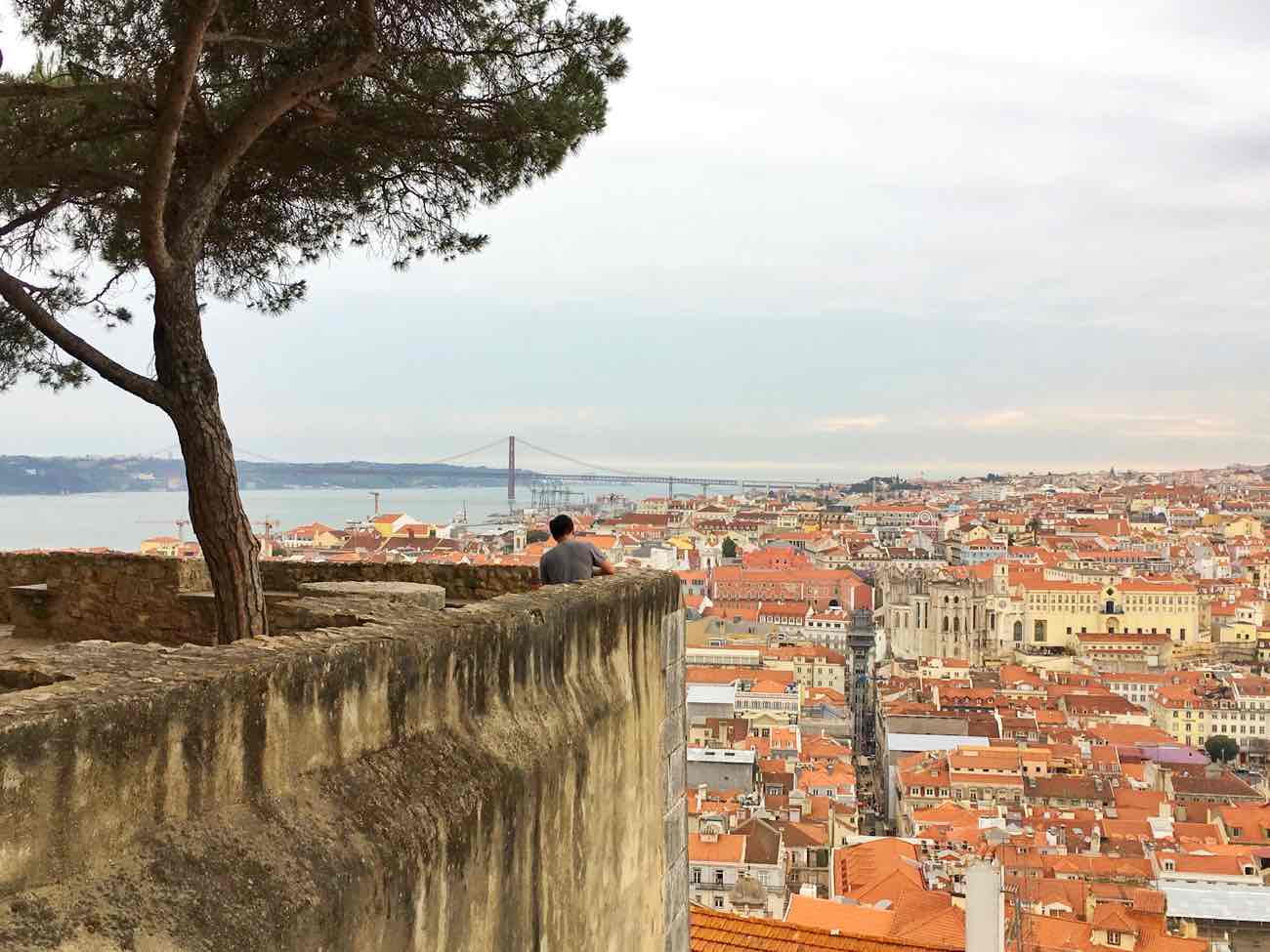
Originally built in the mid-11th century during the Moorish period, São Jorge Castle has survived the centuries to become one of the most iconic landmarks of Lisbon. Standing above Mouraria and crowning the highest hill of the city, the inner citadel is worth the visit. Come not just for the impressive walls and towers, but for the gorgeous open views over the city and the Tagus below.
18Chiado
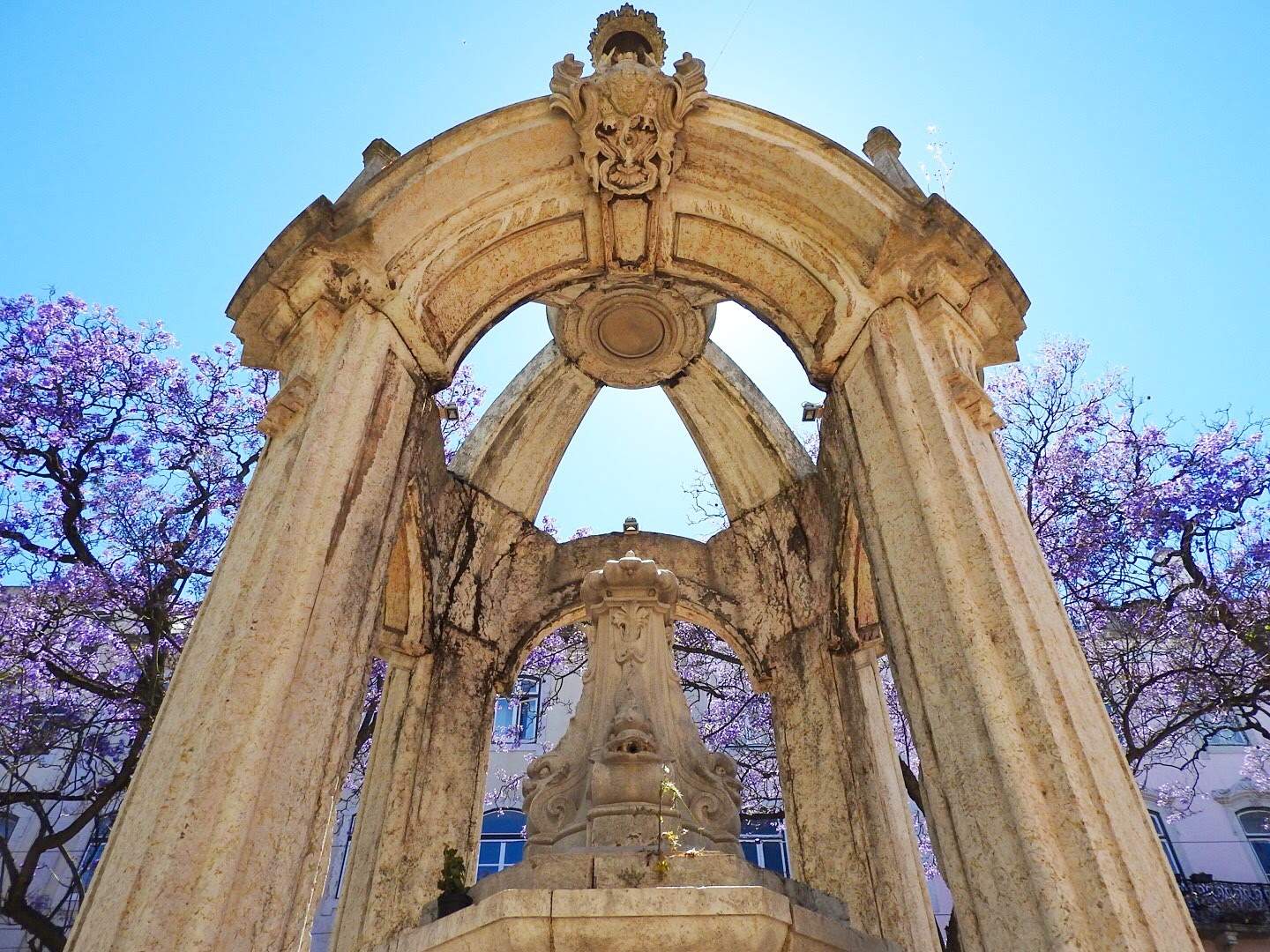
Chiado is one of the fanciest and most culturally rich neighborhoods in Lisbon. It has inspired movies, books, songs, and entire chapters of Portuguese culture.
Don’t miss the statue of Fernando Pessoa, one of Portugal’s most important writers, sitting outside the café A Brasileira, his old writing haunt. Nearby, the Carmo Convent is a real-life witness to the 1755 Earthquake. The roof collapsed and was never rebuilt, but the stunning Gothic arches remain, creating a haunting and beautiful sight.
19Watch the sunset at Miradouro do Adamastor
Finish your time in Chiado on a high. Head to Miradouro do Adamastor, one of the trendiest viewpoints in Lisbon, perched above one of the main hills. It gets lively (street musicians, dancers, and tourists all sharing the space), but in the best possible way.
Come here at sunset, grab a beer or a glass of wine, and raise a toast to Lisbon. Difficult to beat.
20Sip on ginjinha, the famous Lisbon liqueur
Portugal has been celebrated for wine for centuries, but Lisbon has its own defining drink. Ginjinha is a delicious sour cherry liqueur made with aguardente, and Lisboners love it. You can drink yours com ela (with the cherry) or sem ela (without) at the tiny, wonderfully traditional shop A Ginjinha, which has been serving it since 1840. Order it in a chocolate cup if that’s on offer: you drink the liqueur and then eat the cup. It sounds gimmicky and it absolutely is, but also it’s great.

I’ve done the hard work for you. Pre-filtered list of hotels in the best areas, all rated 8 or above.
21Become a tile expert
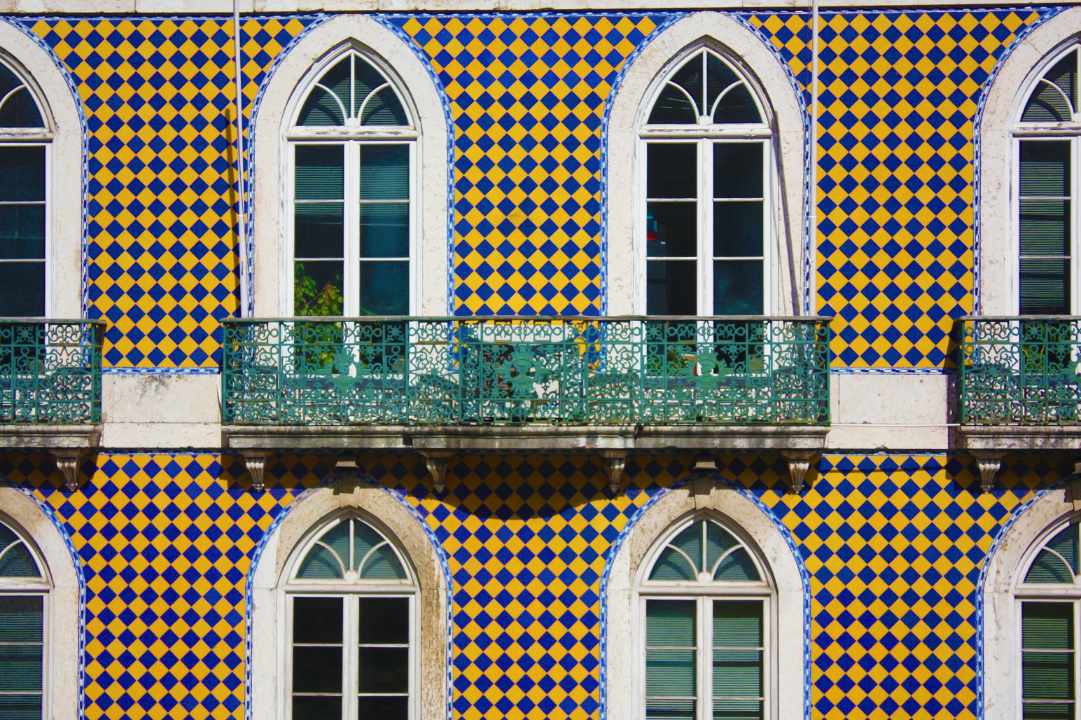
What are azulejos and why are they important in Lisbon?
Azulejos are the decorative ceramic tiles that have become one of Portugal’s most recognizable visual identities. With roots in the Moorish presence in the city, these intricate and often colorful patterns appear on building facades, church interiors, and train stations throughout Lisbon. Before paying museum entry, take a walk through the Intendente neighborhood and look up: entire building facades are covered in azulejo panels, some dating back centuries. Then visit the National Tile Museum (MNAz) in Alfama, which tells the full story from the country’s imperial past to contemporary design. Give it a couple of hours and you’ll leave with a very different eye for the city.
22Rossio and Baixa Pombalina
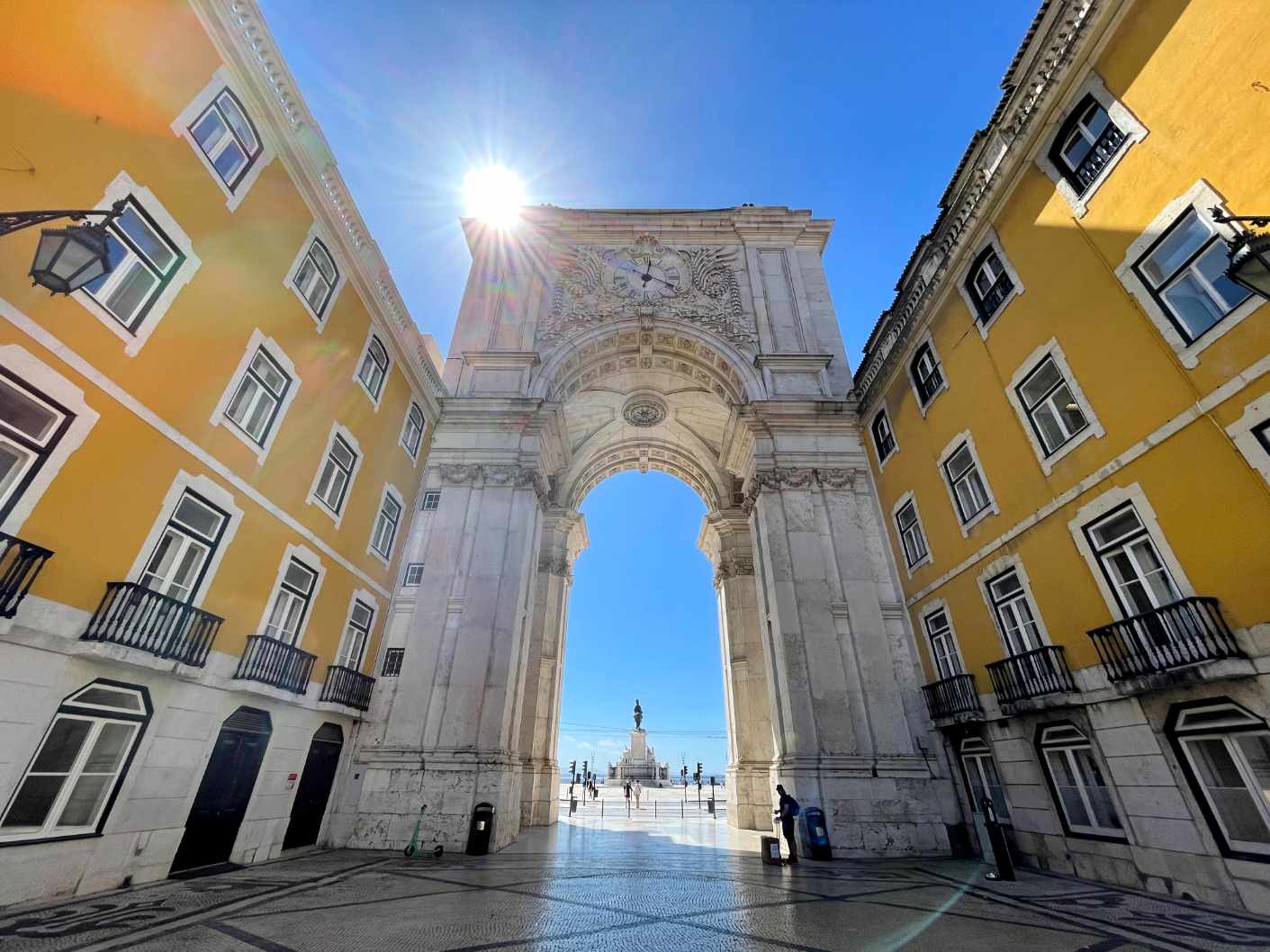
This is Lisbon’s downtown. Completely shattered by the earthquake and tsunami of 1755, the area known as Baixa was rebuilt with a more ordered city plan that contrasts sharply with the organic tangle of older neighborhoods.
The heart of downtown is Rossio (Pedro IV Square), a place that has hosted a Roman circus, medieval public beheadings, and today, a pleasant plaza full of people-watching opportunities. From here and the adjacent Figueira Square, Baixa’s parallel streets run all the way to the river, including Gold Street (Rua do Ouro), Silver Street (Rua da Prata), and the very touristy Augusta Street.
23Hit the beaches
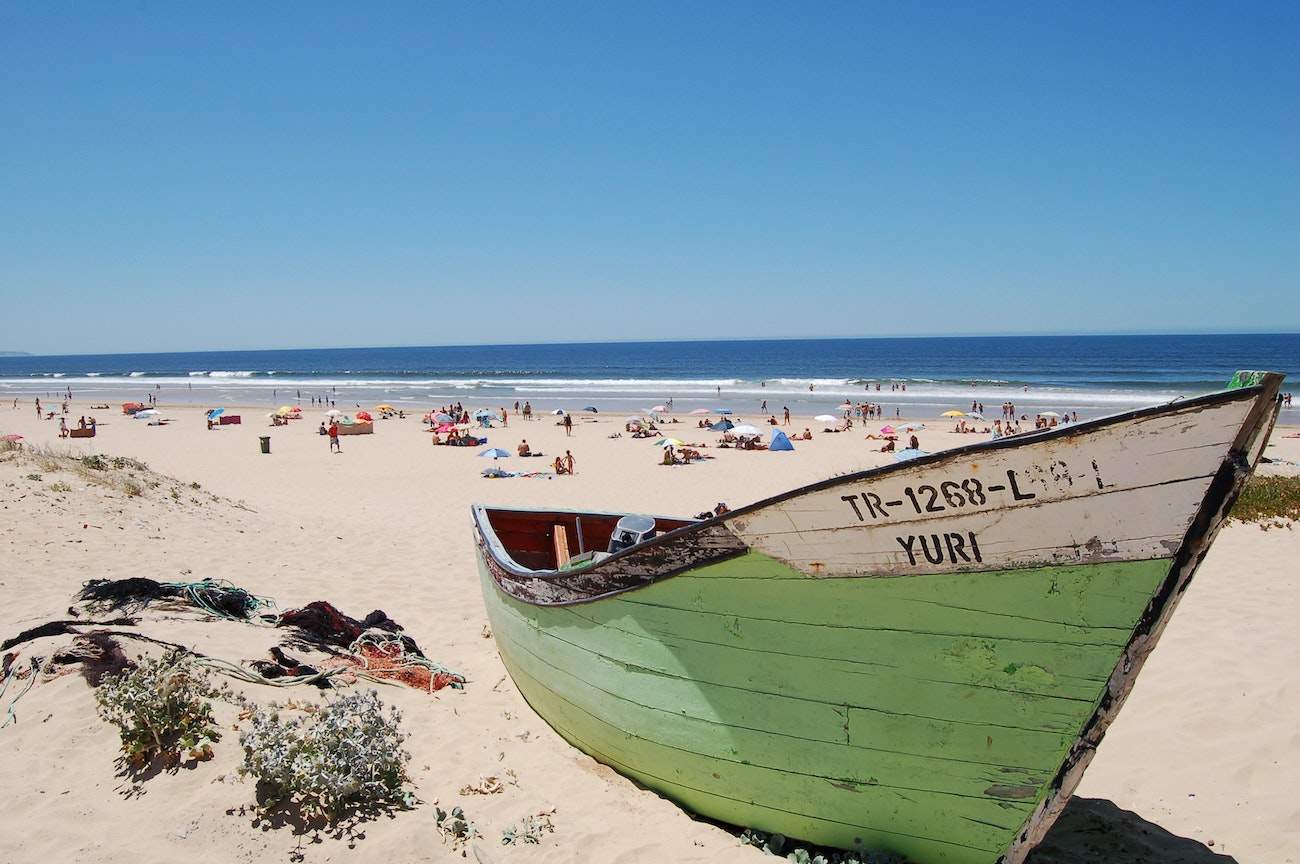
What are the best beaches near Lisbon?
There are no proper beaches in the city center, but Lisbon is surrounded by some fantastic Atlantic beaches. As a rule of thumb: the farther you go, the less crowded they’ll be. The best ones require a car.
- Cascais: the municipality has several urban beaches just 30 minutes by train from Cais do Sodré. Cascais (Rainha), Estoril (Tamariz), and Carcavelos are the most popular.
- Sesimbra / Arrábida: backed by Arrábida Natural Park, these are among the most scenic beaches near Lisbon. Parking and crowds are a real problem in summer.
- Costa da Caparica: a whopping 18 kilometers of golden sand backed by dunes, with great bars and seafood restaurants. Just a short drive after crossing the 25 de Abril bridge.
- Comporta: you’ll need to cross both the Tagus and Sado estuaries, but the 2-hour journey is worth it. Idyllic scenery, golden sand, and vibrant blue water.
24Time travel in Sé de Lisboa
In a city with dozens of churches, visiting the oldest one in Lisbon should already get your attention. Sé Catedral de Lisboa dates back to 1150, built to celebrate the city’s liberation from Moorish rule. It survived the 1755 earthquake (which many considered a miracle at the time) and still shows off its stark, powerful Romanesque architecture. Many call it the Portuguese Notre-Dame. Pay a visit to the treasury, a small chamber up the steeple.
25Party during Santo António!
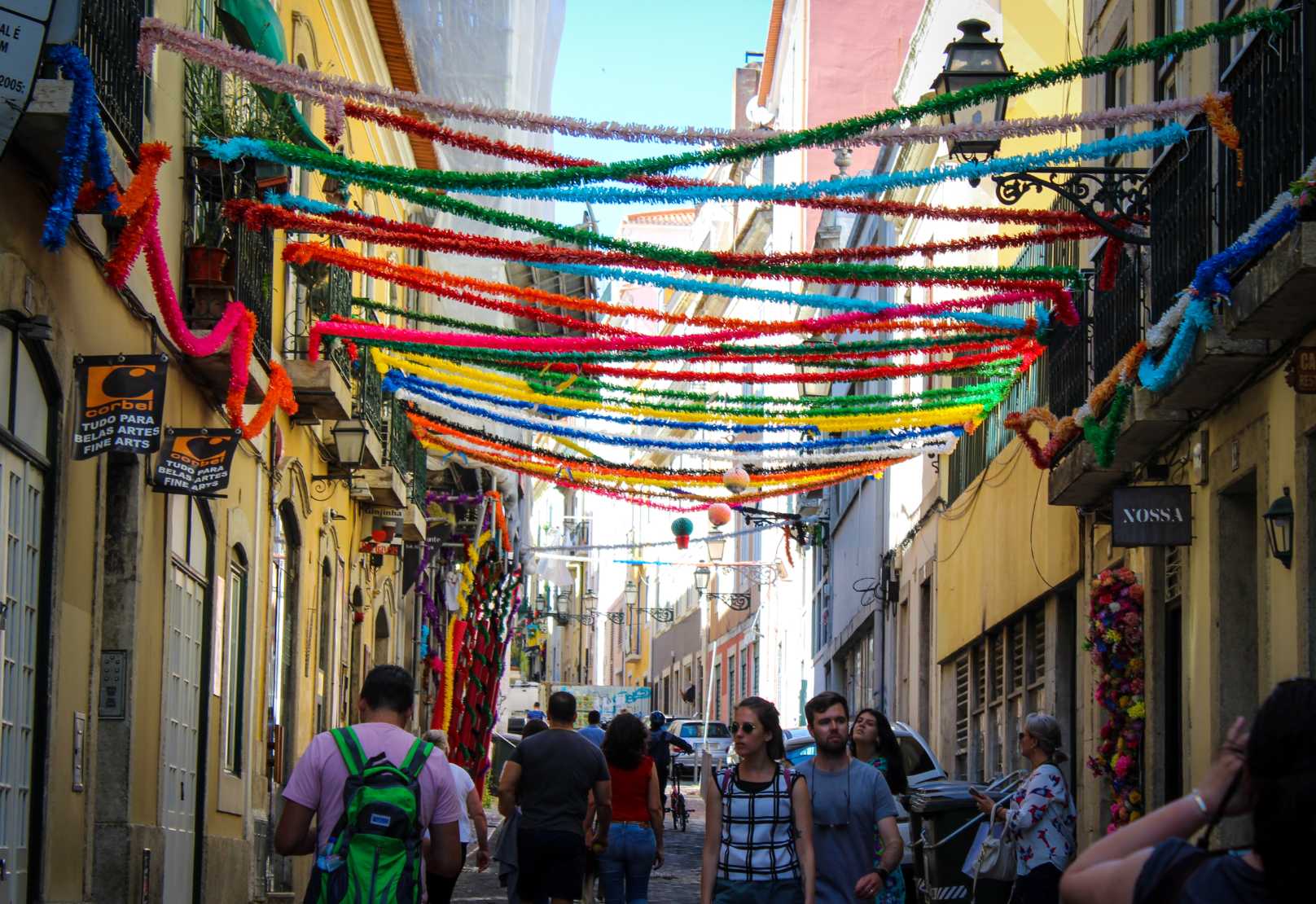
If you’re in Lisbon in June, prepare for shorter nights of sleep. June is the month of popular Saints’ celebrations across Portugal. In Lisbon, Santo António (the city’s patron saint) is celebrated on the 13th, but Festas de Lisboa make the streets come alive with vibrant parties, folk music, and open-air restaurants serving grilled sardines and meats pretty much all month long.
Head to Alfama, Graça, Mouraria, or Sé for the biggest party atmosphere. It’s fun, well-spirited, and about as authentic as Lisbon gets.
Insider tips for Lisbon
- Avoid taxis, especially if you’ve just landed. There are far more reliable and scam-free options to get to the city center.
- “Drug” dealers in Baixa are completely harmless. Most of them don’t even sell real drugs. Say no and go on with your day.
- Start every morning the Portuguese way: a café (espresso) and a pastel de nata in any coffee shop. Repeat after lunch and dinner as needed.
- Whenever you see a sign saying miradouro, follow it. You’ll be rewarded with great views.
- Couvert items in restaurants (olives, cheese, bread) are not free and can be overpriced. If you don’t want them, just say so as soon as the waiter arrives.
- Do NOT eat in any restaurant where someone is actively trying to pull you inside. This is especially true on Rua das Portas de Santo Antão.
- Tipping is completely optional. Do it only if the service was clearly above and beyond.
- Best time to visit is between April and June, when temperatures are pleasant and the city isn’t at peak capacity.
Where to stay in Lisbon
Choosing the right neighborhood matters more than most people realize. For a deeper breakdown of what each area is actually like, check my guide to the best areas to stay in Lisbon. In short: Baixa and Chiado for first-timers, Príncipe Real for a more local feel, and avoid paying a premium to stay in Alfama.
Here are two hotels I can personally recommend:
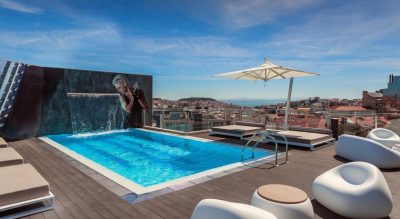
Charmingly music-themed hotel, close to the center, with a stunning rooftop swimming pool.
Book now
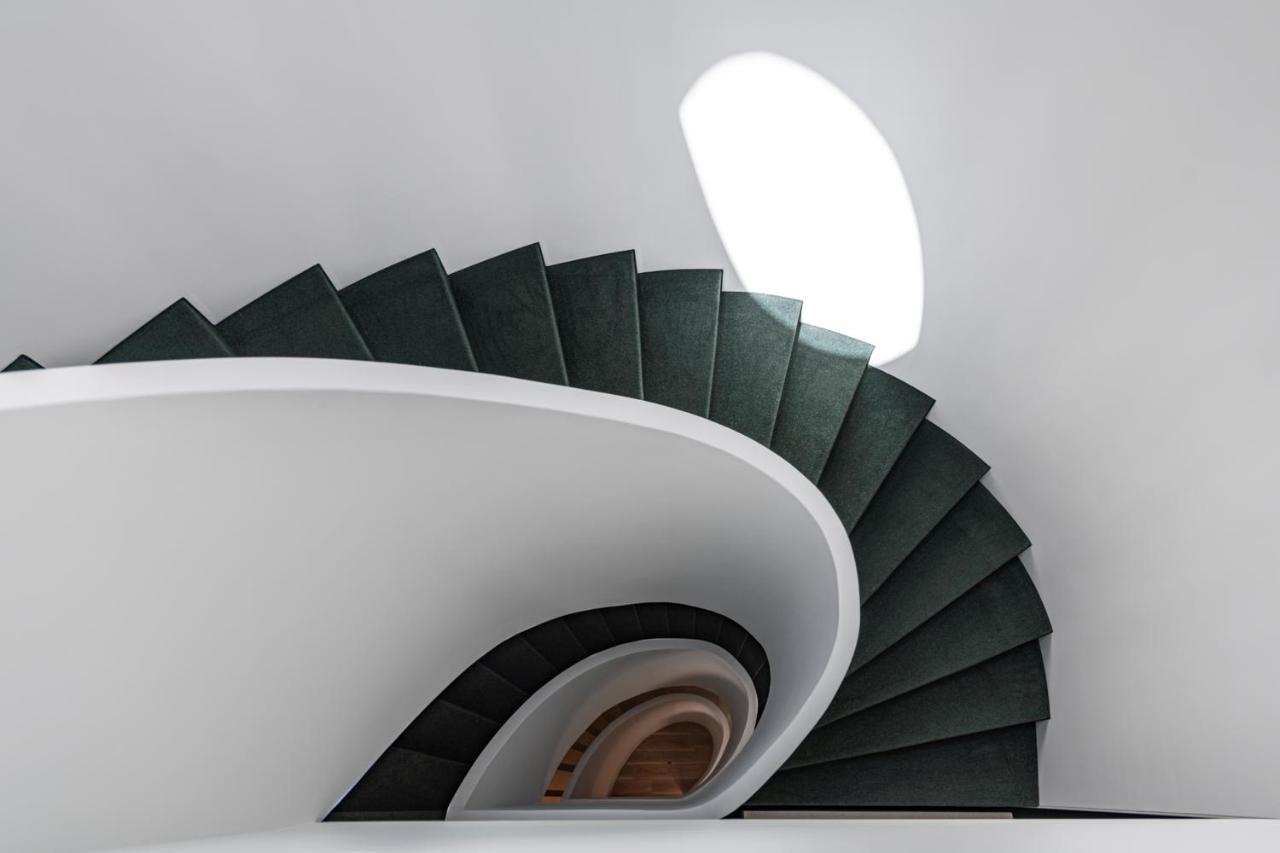
Sleek and stylish without trying too hard, tucked away in a charming spot. Perfect if you want boutique feels just steps from the Lisbon buzz.
Or find your own
Use this curated list of quality hotels and guesthouses to get started. All are located in central areas of Lisbon, with WiFi and a rating of 8 or higher.
Lisbon: go slow, go deep
Twenty-five things sounds like a lot, but Lisbon has a habit of pulling you in further than you planned. The city rewards the unhurried traveler: the one who stumbles down an unmarked alley in Alfama, ends up sharing a table with strangers at Mercado da Ribeira, and misses the sunset because a ginjinha turned into three. That is the Lisbon worth coming back for. And you will come back.
What is Lisbon best known for?
Lisbon is best known for its hilltop neighborhoods, historic trams, Manueline architecture, world-class seafood, and pastéis de nata. It's also famous for fado music, its Age of Discoveries heritage, and a relaxed café culture that makes it one of the most enjoyable capital cities in Europe to simply wander.
How many days do you need in Lisbon?
Three days is the sweet spot for a first visit to Lisbon. Day one covers Belém and Chiado, day two Alfama and the downtown, and day three can be a day trip to Sintra. If you have four or five days, you can slow down, explore neighborhoods like Mouraria and Príncipe Real, and squeeze in a beach day.
Is Lisbon safe for tourists?
Lisbon is generally very safe for tourists. The main things to watch for are pickpocketing in crowded areas like Alfama, on tram 28, and at Feira da Ladra, as well as overpriced restaurants on streets like Rua das Portas de Santo Antão where hawkers invite you in. Use common sense and you'll have no issues.
What is the best time of year to visit Lisbon?
The best time to visit Lisbon is April to June. Temperatures are warm but not brutal, the city is lively without being overwhelmed, and June brings the Festas de Lisboa street parties. September is also excellent. Avoid July and August if you can. It gets very hot and extremely crowded.
Is Sintra worth visiting from Lisbon?
Yes, Sintra is absolutely worth a day trip from Lisbon. It's only about 40 minutes by train from Rossio station and packs in UNESCO-listed palaces, castle ruins, and dramatic hilltop scenery. Go early to avoid the worst of the crowds, especially at Palácio da Pena.
What should I eat in Lisbon?
Start with pastéis de nata (custard tarts) with an espresso. For meals, try grilled sardines, bacalhau (codfish) in any of its many forms, and fresh Atlantic seafood. Drink ginjinha (sour cherry liqueur) at least once. The Time Out Mercado da Ribeira is a great place to sample many things without committing to one restaurant.


















Thanks for all the advice….I’ll let you know if we followed it and how it turned out.
Thanks for passing by, enjoy Lisbon!
This takes us back! We LOVED Lisbon and this list is a great summary!
We have a cruise going out of Lisbon in May and found a cycling tour the week before that works perfectly! We have 3 nights to spend before our tour through Evora, Redondo/Monsaraz, Baixo Alentejo Region, the Algarve back to Lisbon. Do we spend all 3 nights in Lisbon OR spend 2 nights in Sintra and the final day and night in Lisbon before our tour starts the next morning? I know we won’t motivate to do a day trip to Sintra because we will be jet lagged. Please advise!!! Thank you so very much.
Hum it will depend on you. I’d say if you are into city vibes and haven’t been before, Lisbon has a lot to offer and keep you busy during three days. If you want to have a bit more of a getaway feeling, albeit the potentially many tourists, Sintra is your option.
Thank you so much for your recommendations! My sister and I are visiting Portugal for the first time this November for 8 days. Flying into Lisbon and taking train up to Porto. Do you have any recommendations on how to break up the trip? 3 in Lisbon, 2 in Porto, 1 in Douro Valley?
Great find! Thank you so much. We love all the off the beaten track tips. Cheers Tony from New Zealand
Thank you Tony!
Great post! I’m going to Lisbon soon and I knew about a couple of these ideas but the acquarium is definitely one to add to the list! And I’m always on the look out for the best sunset views!
Fortunately, Lisbon is rich in sunset views Emma. Enjoy!
Bruno, I trust Barcelona is awesome! My wife and I will be traveling to Lisbon December 16 – 20 , any suggestions on what might be happening in the city for Christmas. Also booked FX Music
Make sure you visit the giant Chrismas tree and all the decorations in Baixa!
Great article! we just came back from Lisbon and had a lot of fun! we also took a tile painting class it was very good. They have many activities but we had no time. If you are looking for things to do in Lisbon, you should check what they have.
That’s a super cool idea 🙂
Will be staying for a week at an Airbnb in Sesimbra. Friend at work lived there for 4 years and said it’s the best place he’s ever lived. We are interested in Portugal (somewhere south of Lisbon) as a potential retirement spot. Have lined up walking tours of Sesimbra & Lisbon, and a Setubal winery tour. Any suggestions for what else we could do? We have a rental car
Thanks!
Be sure to check out Cascais. A lovely little village prox 20 minutes from Lisbon. We’ve stayed there for 30 years. Used to watch the fishermen go out early every morning but not so much anymore.
I’m particularly not a big fan of Cascais, I rather suggest Sintra and Arrábida.
I agree with Bruno. I would also go to Comporta and Troia and you can go there either by car or by boat from Setubal.
Your post is so inspiring 🙂
Going to Lisbon in September for 10 days. wont i get bored? is there any chance i could get into the water?:) yo
There’s plenty of things to do around Lisbon if you get bored.
Best aquarium in the world? Emm, that might be a stretch I prefer the one in Valencia
It was a popular vote, not my words. Like everything, subjective.
I LOVE your tips! I used this to figure out my days in lisbon last september. So helpful and spot on about what was worth it and what wasn’t. Im planning to go to Croatia next september, and plan to use your site tons. thank you!
Great to hear and great destination choices 😉
Going to Portugal for Christmas. My dad is from Murtosa and has a family condo and car there. He will probably want to just sit at home and eat the whole trip, but my boyfriend and I will snatch the car and head to Porto, Lisbon, and Sintra. In December, I know the sun sets early. Any tips for things to do specifically during the holidays?
Specially in the north the weather will be rainy and quite cold, so there’s not much happening outside. There will be some Christmas decorations in downtown Lisbon, but that’s about it.
Great Thanks for all this info!!! Will be in Portugal for 17 days in September. Renting car and will hopefully see the various areas. Will definitely keep this list!! Prefer housing in air bnb or local home experiences. Any suggestions!! Any ideas for other parts of Portugal?
Thanks
Dorothy
I am starting to advise against Airbnb. Takes away flats for locals, there are a lot of scams and the host may even cancel your reservation last minute and there’s nothing you can do.
As for suggestions, my Portugal road trip article is full of other places to uncover. In a nutshell, Nazaré, Alentejo and Sintra.
Thanks so much, fantastic article I have taken plenty of notes from. We will be in Lisbon in two weeks for the first time. We have a car and will travel to a few beaches you have mentioned as well as Sinatra, cascais, Belem tower etc. Thanks for the tip on the custard tart 😀 can’t wait !!!
2 weeks is a fantastic time, you’ll be a Lisbon expert after that time! Thank you and have fun!
Wow, thanks for the great tips. I’m travelling to Lisbon in October and just starting my planning. I will definitely check out these places you mentioned, I love going off the beaten path. I will be spending a few nights in Portimao as well! Can’t wait to visit this beautiful country!!
Make sure you have a read my Lisbon itinerary too. More tips coming!
Hello Bruno,
Thanks for the great tips on what to check out in Lisbon! I’ll be visiting Lisbon with a friend at the end of April (4 days) and I was wondering if you had any suggestions of 1) good hostels to stay at in the area and 2) “must visit” bars or clubs.
Thanks,
Jane
Try Yes Hostel or Home Lisbon Hostel, considered the best in the world. One of the must visit bars is Pensão Amor in Cais do Sodré, it’s bonkers!
Hi Bruno,
Greetings!
We r planning out first trip to Portugal in September.. With our 3 kids (5yrs, 2yrs and by then 9months old) … U have listed all the local and amazing stuff already but is it possible to do all those with kids? Plus what r the best location to stay with kids.. I know people will be friendly where ever we will be in Portugal.
But any suggestion for less price accommodation…
Thanks
Ravina
I don’t see any reason why this can’t be done with kids. In fact the Oceanário will be great for kids!
To be honest, my suggestions to stay with kids are the same as for adults, central Lisbon, where you can walk everywhere.
Thank you for these great insider tips! 🙂 I am going next week, and will definitely check out some of your tips!
Thank you for passing by! Enjoy 🙂
Nice list. The sunset view is awesome and I also love the idea to go off the beaten path, I’m always trying to do so when I travel.
Thanks for passing by. Have you been to Lisbon?
Bruno,
Great info. Many thanks! I am planning on taking my family away for the summer of 2018 and I have always wanted to explore Portugal. My children will be 11 and 9 we would get there. We are looking at June through august ( a little hot, I know). We would be traveling from the east coast. We are just starting to make our plans. Any suggestions? Thanks!
2018? Wow that’s well ahead! 😀
Have a look at my 43 reasons to visit Portugal and my Portugal road trip posts, full of suggestions there!
Great info about Lisbon !! Going to be my first time and will surely check all these places.
Thanks Meher, hope you have a great time!
Thank you for your tips. I’m heading there next Windows and just for 4 days. I am eager to get to a beach bit won’t be renting a car. Estoril/Cascais it will have to be. Are they the same place?
Weekend not windows. Apologies!
No. Cascais is a bit further. Of all the beaches in the area I recommend São Pedro do Estoril. Enjoy!
Hi Bruno,
We are visiting Azores and Lisbon and following all the great tips you are giving! Thanks a lot! They are really helpful Can you also suggest a restaurant in Lisbon where to eat real portuguese food? We tried Manteigaria and was awasome!
Good to hear. It won’t be hard to find a restaurant with local good food, but here are some suggestions:
– Toma La Da Ca
– Cantina das Freiras (great view!)
– Atira te Ao Rio
– Mercado da Ribeira (food from top portuguese chefs at affordable prices)
– Ramiro (if you’re into seafood)
Thank you so much! We wil try one of those tonight and share our feedback…
Valeria
Great
,intressed, soon will move to Lisboa
Good choice!
thanks Bruno,
the information you provided about Lisbon is great and spot on!! helped me to great extent in choosing the right shoulder season of April to visit Lisbon, Madrid & Barcelona…keep up the good work
You welcome. April is a great place to visit both Portugal and Spain: not too crowded, not too hot!
Thank you for the what-not-to-miss guide! Me and My boyfriend are going to Lisbon in a couple of weeks. We haven’t yet made a Hotel reservation. Can you give advice in wich area to look for rooms? Preferably an area with a lot of restaurants and bars
Great site you have!! We were in Portugal in april, se the Vimeolink, awesome. We fel lin Love with Portugal and are coming back in September!
That’s great to hear, looks like you had a great time!
PS: September is a great month to go to Lisbon 😉
I just booked our trip to Lisbon this coming summer, and here it is a great advise about things to do there. Perfect timing! Putting all the things you suggested on our to-do list (sardines were already there). Thanks!
I’m sure you’ll have a great time Elena!
I was in Lisbon over a decade ago, and I was very discombobulated in my activities. I did go to the zoo though! And there I saw a super-fun show with dolphins and sea lions. Thats was an unexpected travel activity to say the least.
I remember going to the zoo when I was little. That show was the high of my summer holidays.
I recommend you to go back, can help with you some additional tips!
I’m sure we shouldn’t have any problem enjoying these when in Lisboa. 🙂
When are you going? 🙂
Thank you for writing this. I’ll be in Lisbon next month and this will be really useful 🙂
Thanks for the great tips! Nothing like a bit of insider local knowledge – I can’t believe you haven’t written about your most familiar destination until now!
You welcome! You’re right, but more Portugal posts are to come! 🙂