TL;DR: The best neighborhood to stay in Tokyo depends entirely on what kind of traveler you are. Shinjuku is loud, electric, and endlessly convenient (the default choice for most first-timers). Asakusa is quieter and more atmospheric. Shibuya is central but overrated for sleeping. Ginza looks good on paper but goes dead at night. Shin-Okubo, one stop away from Shinjuku, is a more underrated sweet spot. This post breaks down all of them honestly, with real hotel picks for each.
As with the rest of Japan, Tokyo requires planning. With 35 million people in its metro area. It is not possible for it to be boring. But it is entirely possible to stay somewhere that doesn’t suit your rhythm, and waste good energy commuting back and forth across the city every day.
Booking a hotel in Tokyo before you know the city feels like picking a seat on a plane you’ve never flown. You don’t know what you’re trading off, and a bad choice costs real time and money.
So here’s what nobody tells you: the neighborhood you choose in Tokyo doesn’t just affect how far you walk, but also how the city feels. And that’s worth thinking carefully about before you book.
Quick tips for Tokyo 🇯🇵
- 🏨 My top hotel suggestions in Tokyo are Daiwa Roynet (in Ginza) and Monte Hermana (Asakusa). Here’s a wider selection of hotels in central Tokyo.
- 🚗 Public transportation is exceptionally good, you won’t need a car. Add a Suica card to your phone’s wallet and top it up – it also doubles as a payment card in stores!
- 🔒 While a very safe destination, travel insurance is recommended. I use Heymondo
- 🎡 From TeamLab experiences to live sumo matches, there’s a ton of things to experience in Tokyo – use Klook to book it all
- 📲 If you are on the market for an eSIM, I found MobiMatter to have the best price per GB – get up to $5 off with the code BRUNO29545.
In this Tokyo neighborhood guide:
How to think about staying in Tokyo
Tokyo’s neighborhoods are not interchangeable. Unlike cities where staying central just means picking a radius, Tokyo is a network of distinct villages, each with its own personality, price range, and energy level.
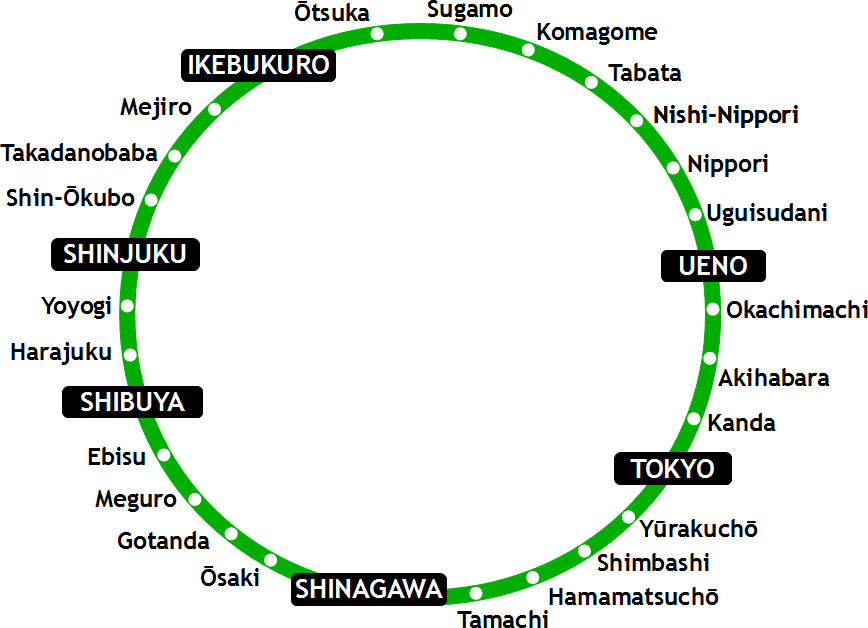
The key to Tokyo: JR Yamanote Line
This circular train line is Tokyo’s famous green loop, and is run by JR East. It connects the city’s biggest hubs, like Shinjuku, Shibuya, Tokyo, Ueno, and Ikebukuro, making it one of the easiest ways to hop between neighbourhoods, sights, and transfer points. If Tokyo is a giant machine, the Yamamote Line is the belt that keeps everything moving smoothly, carrying you right around the city’s pulse.
If your hotel is within a short distance of any Yamanote Line station, you can reach anywhere in central Tokyo efficiently. That single fact should anchor your decision more than any other.
Regardless of the area you choose to stay in, there a few things worth knowing:
- Tokyo is loud at night in ways that vary dramatically by area. Shinjuku and Shibuya stay awake until 2 or 3am. Ginza shuts down by 10pm. Asakusa is somewhere in between. If you’re a light sleeper or traveling with kids, this matters.
- Mid-range hotels are solid in Tokyo. You don’t need to spend a fortune to sleep well. Capsule hotels here are an experience in themselves, functional, surprisingly comfortable, and a fraction of a standard room’s cost.
- Don’t expect lots of space in your accommodation; in fact everything is downsized here. Most mid-range business hotels in Tokyo are TINY. The kind of compact where opening up your luggage almost fills the entire passing area of the room. Some beds are also smaller than you may be used to. Older buildings sometimes skip elevators entirely, which is worth checking before you book if you’re arriving with heavy bags.
Tokyo neighborhoods: quick comparison
| Neighborhood | Best for | Vibe | Price range | Transport |
|---|---|---|---|---|
| Shibuya | Second-timers, west Tokyo exploration | Trendy, busy | ¥¥¥ | Excellent |
| Akihabara | Geeks, gamers, curious minds | Frenetic, unique | ¥¥ | Good |
| Asakusa | Atmosphere chasers, couples | Traditional, calm | ¥¥ | Good |
| Shinjuku | First-timers, nightlife lovers | Electric, intense | ¥¥¥ | Excellent |
| Ueno | Museum-goers, value travelers | Relaxed, local | ¥¥ | Good |
| Ginza / Tokyo Station | Business travelers, transit priorities | Polished, quiet at night | ¥¥¥¥ | Excellent |
Shibuya
More exciting to visit than to sleep in
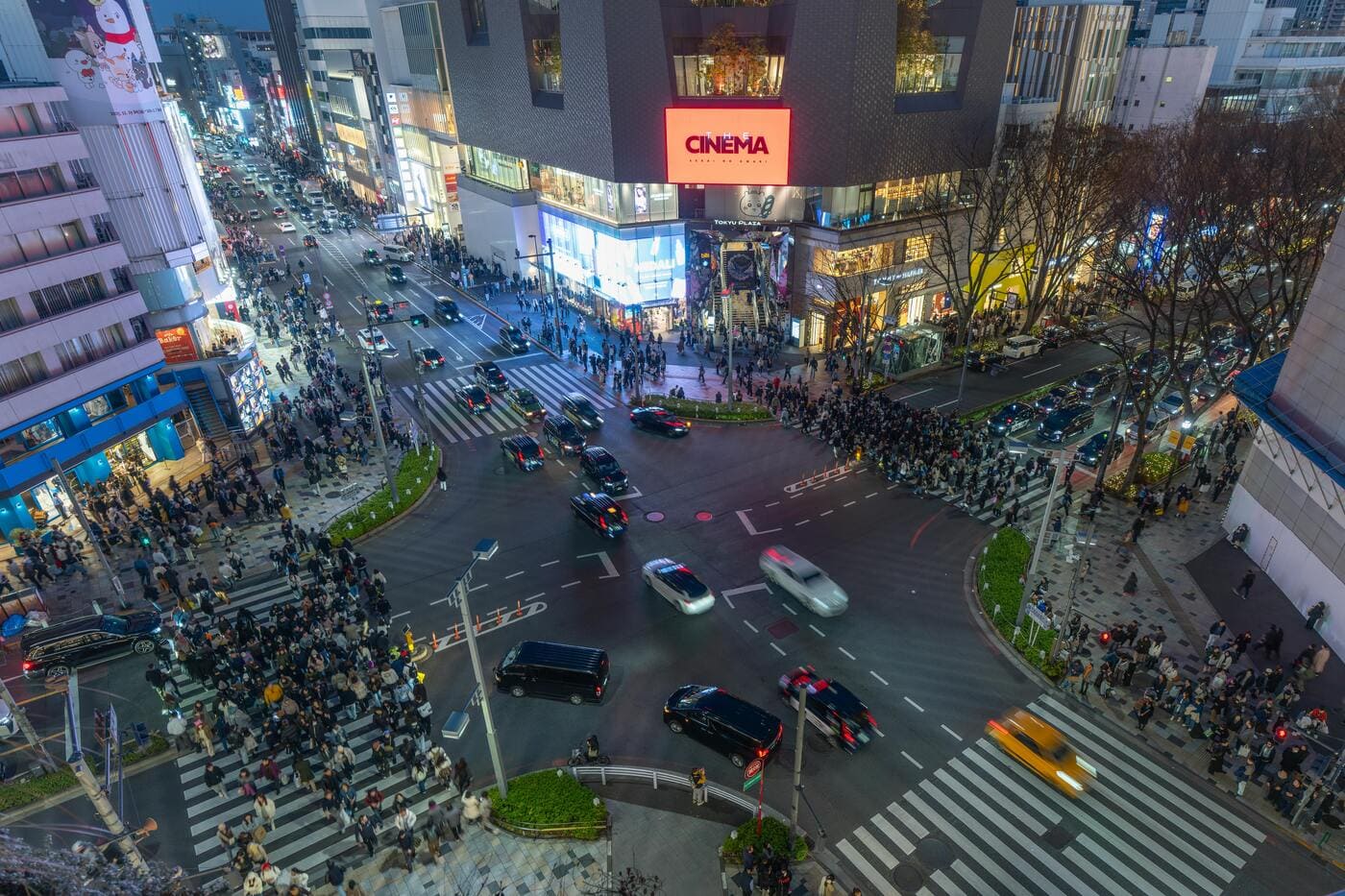
Here’s the honest take on Shibuya: it’s one of the most exciting places to spend an evening in Tokyo. It is not, in my opinion, the absolute best neighborhood to use as your base.
The crossing is iconic, the department stores are extraordinary and the nightlife is dense and goes late. But Shibuya as a place to sleep feels slightly off. It’s a neighborhood optimized for passing through rather than living in, and hotels here price themselves against the brand of the area rather than the quality of the experience. There’s also less hotel density than Shinjuku, and ongoing construction around the station has made parts of the area messier than it used to be.
That said, Shibuya has strong transit connections and puts you within easy reach of Harajuku, Daikanyama, and Ebisu, a cluster of neighborhoods that are nice to explore on foot. If you’re a second-time visitor who wants to focus on west-central Tokyo, Shibuya makes more sense.
My hotel picks in Shibuya
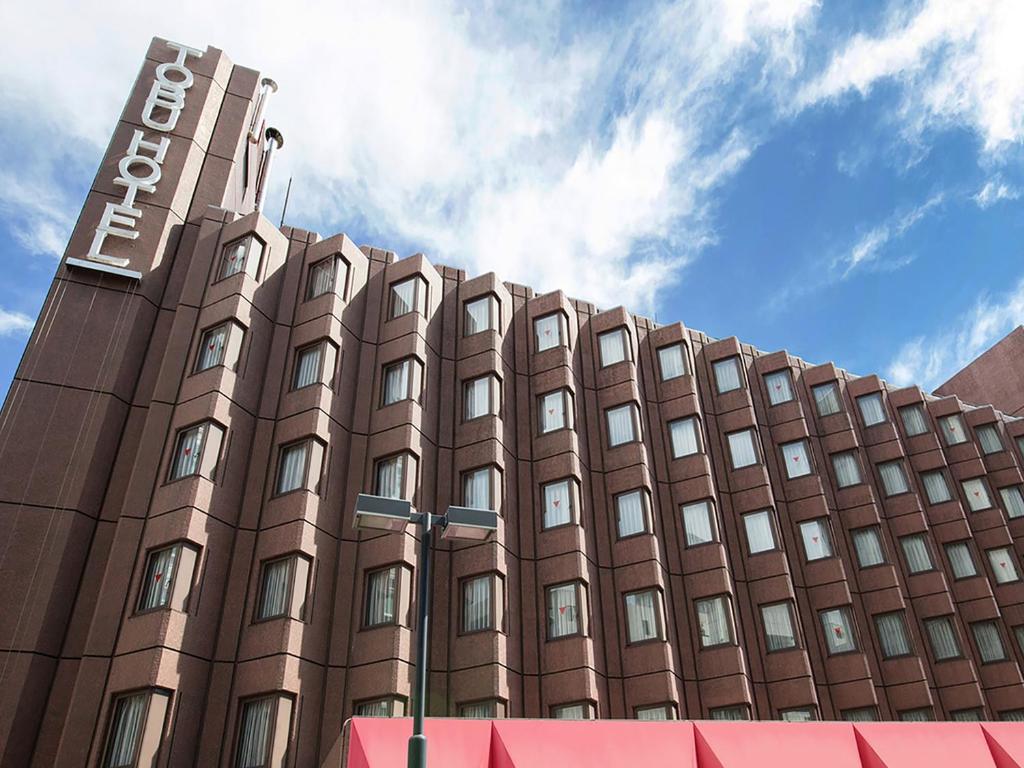
Well-located and a solid pick to ease your logistics in Tokyo. Good value for the address.
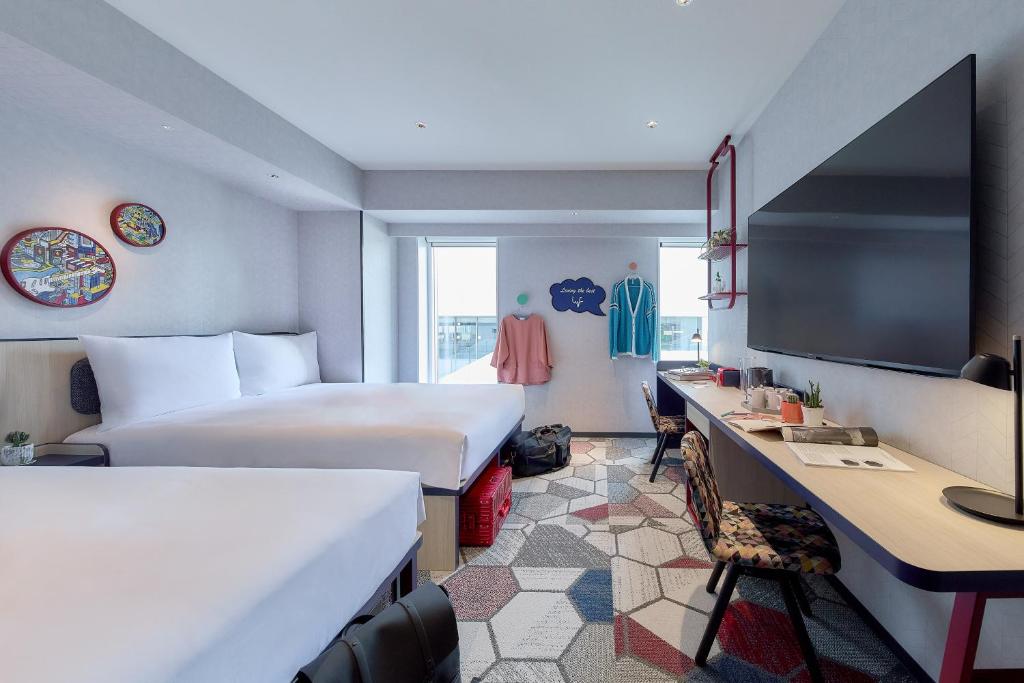
Design-forward apart-hotel format packed with personality that suits longer stays.
- Best for: Second-time visitors wanting to explore west-central Tokyo (Harajuku, Daikanyama, Ebisu) on foot.
- Top sights: Shibuya Crossing, Shibuya Sky observation deck, Daikanyama T-Site
- Browse this selection of places to stay in Shibuya
Harajuku
Harajuku gets a lot of attention as the epicenter of Tokyo’s kawaii culture: the cosplay, the elaborate fashion, the crepe stands on Takeshita Street.
As a base though, I’m not sold. I can’t recommend staying here. Harajuku is sandwiched between Shibuya and Shinjuku (1 and 2 stops on the Yamanote Line, correspondingly) without fully offering what either does. Treating Harajuku as a half-day trip work for most people, especially on weekends when the streets fill up with people who’ve spent more time on their outfit than I’ve spent on most things in my life.
If you’re set on this area, consider the nearby Omotesando neighborhood. Known as the Champs-Elysées of Japan, it’s a more grown-up, elegant version, with wide tree-lined boulevards, good architecture, and boutiques that won’t make you feel like you’ve wandered into a theme park.
Akihabara
The most niche neighborhood in Tokyo
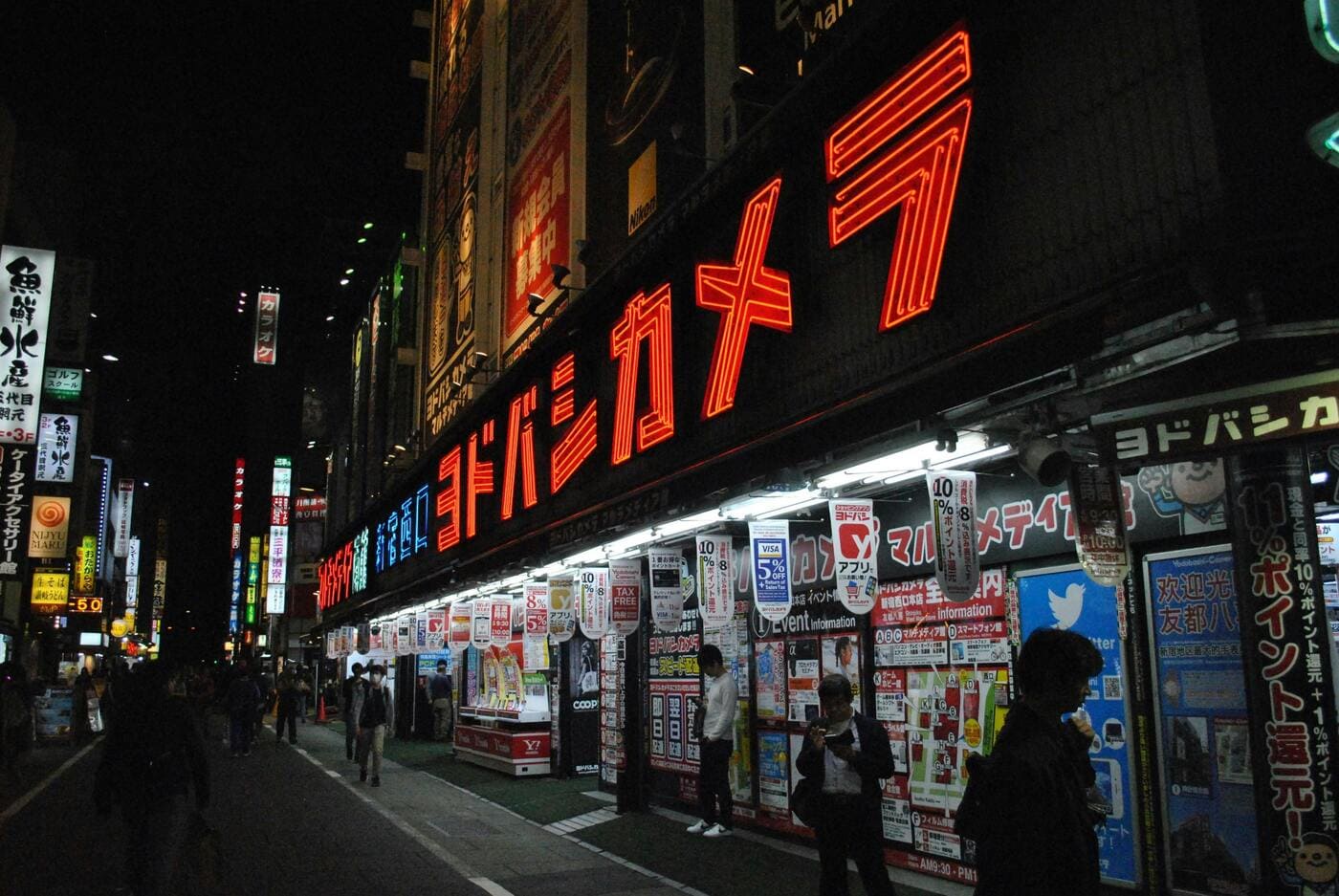
Akihabara is the electronics and anime district. Multi-floor arcades, retro game stores, manga cafes, maid cafes, and department stores that sell nothing but components. If that world appeals to you even slightly, staying here is a legitimate choice. The energy is frenetic during the day and surprisingly quiet at night.
I stayed in Akihabara for part of one trip and it is super fun. The oddness of the neighborhood never quite wears off, even after a few days. It’s not a place for everyone, but it rewards the curious traveler who wants something different from the standard Tokyo itinerary.
Transport is solid, with the JR Akihabara Station on the Yamanote Line and Sobu Line giving you fast access to Shinjuku, Ueno, and Tokyo Station.
My hotel pick in Akihabara
NOHGA HOTEL AKIHABARA TOKYO is the standout option here. A strong pick whether you’re into the neighborhood’s culture or just looking for a well-priced base with great connections.
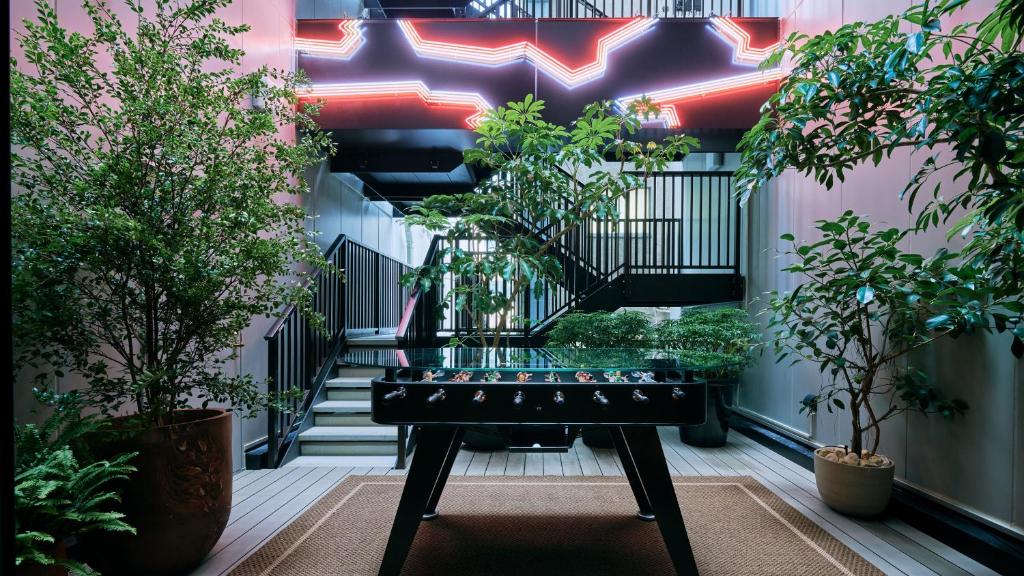
- Best for: Travelers interested in anime, gaming, and electronics culture who want a special Tokyo base.
- Top sights: Yodobashi Camera, Akihabara Radio Kaikan, Super Potato retro game store
- Browse this selection of places to stay in Akihabara
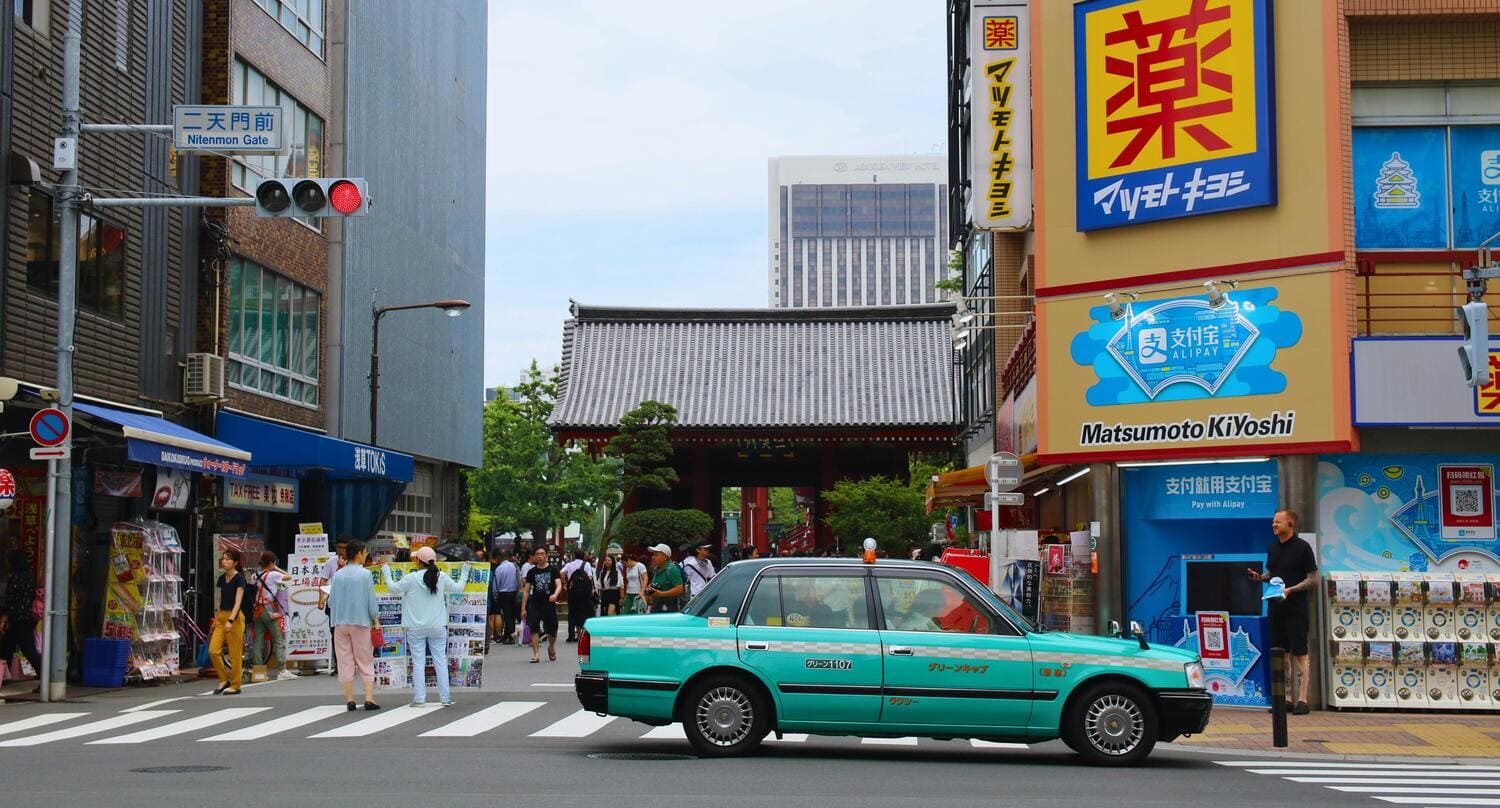
Asakusa
The most atmospheric neighborhood in Tokyo
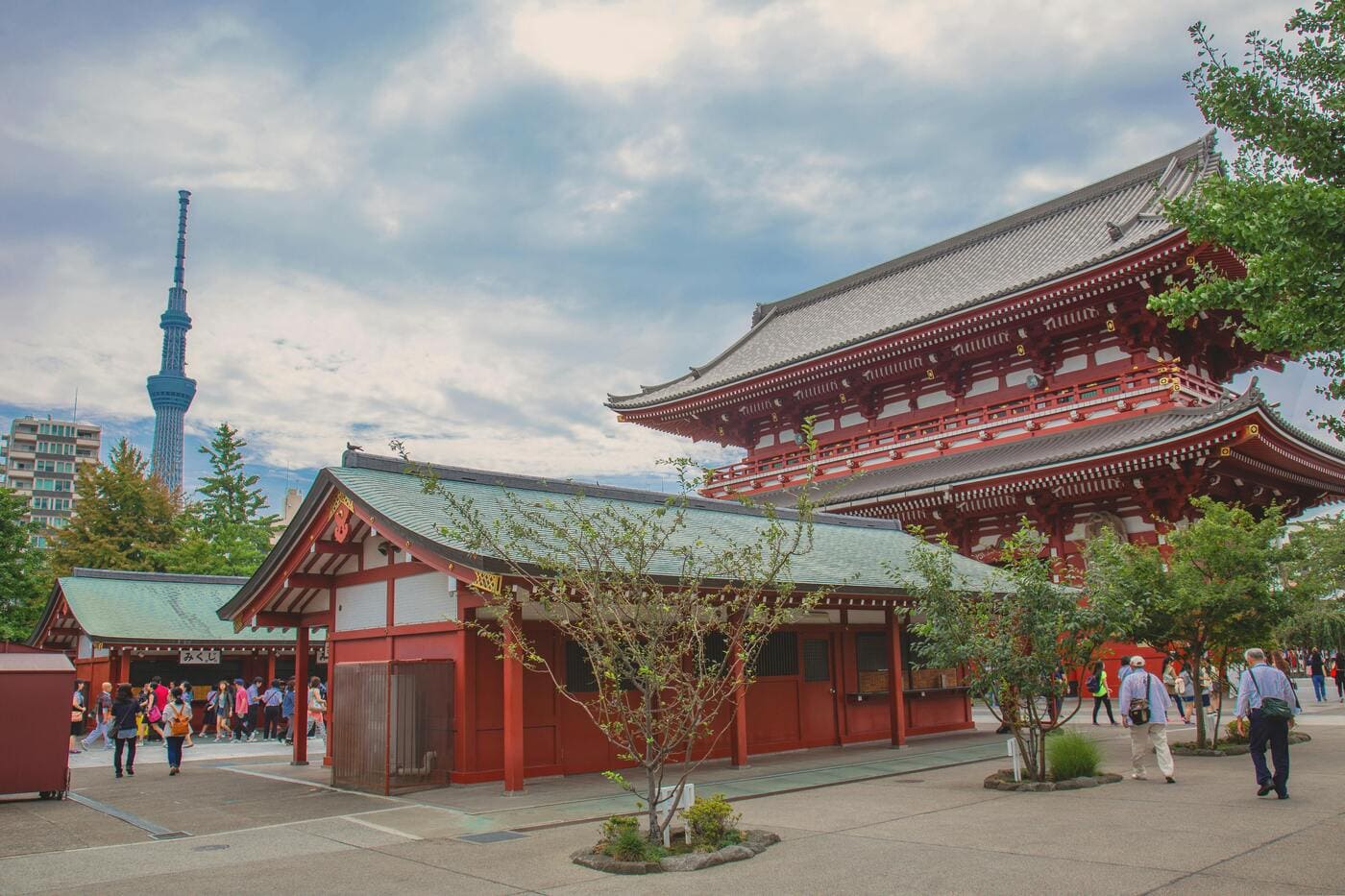
If Shinjuku is Tokyo at maximum intensity, Asakusa is Tokyo exhaling.
Built around Senso-ji, the city’s oldest and most visited temple, Asakusa is the neighborhood that feels closest to the Tokyo of a previous era. Traditional craft shops, wooden facades, and the smell of incense drifting from the temple grounds at any hour. Walking Nakamise-dori toward the Kaminarimon gate on an early morning, with the crowds still thin and the lanterns lit, is one of those small experiences that sticks with you.
The trade-off is access. Many skip Asakusa on their first trip because it feels too far east, too quiet, too removed from the main action. Asakusa indeed sits on the east side of the city, served by the Ginza and Asakusa subway lines. Getting to Shinjuku or Shibuya from here takes around ~30 minutes. For a first-timer trying to cover the whole city, that friction adds up.
People coming to Tokyo for a second or third trip base themselves here on purpose though. The neighborhood rewards you differently from Shinjuku. Personally, I never stayed in Asakusa during my trips to Tokyo, but everytime I wish I’d booked a night. It’s slower, more layered, and being further from the main Shinjuku-Shibuya corridor it’s quieter than the west side of the Yamanote Line. Oh and considerably cheaper for accommodation too.
My hotel pick in Asakusa
Hotel Monte Hermana Tokyo is a solid choice in this area, a comfortable mid-range hotel that puts you close to the temple district without the premium that some Asakusa addresses charge.
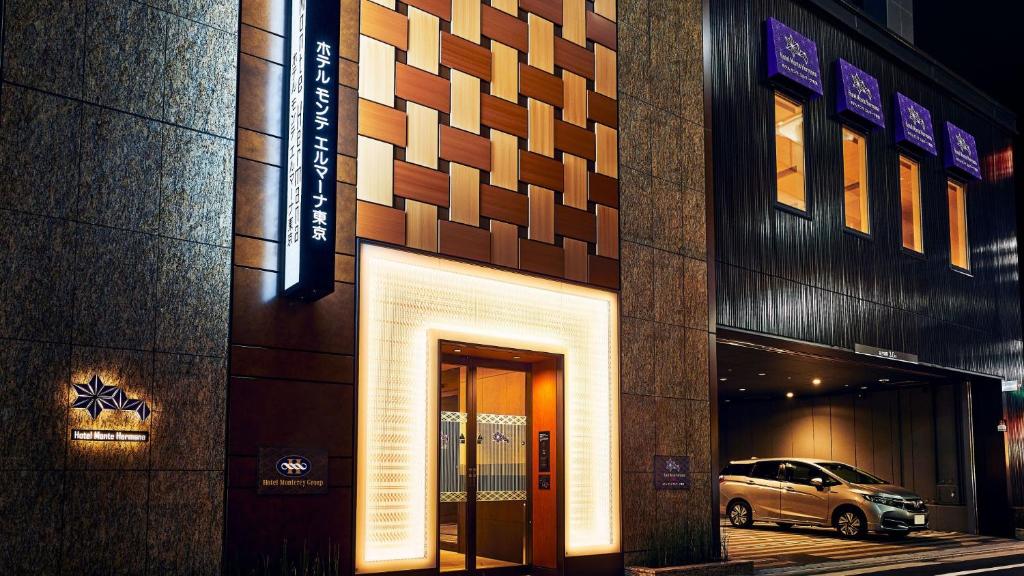
A great value-for-money pick in the heart of a vibe-y neighborhood.
- Best for: Travelers who want atmosphere and a slower pace, particularly couples and second-time visitors.
- Top sights: Senso-ji Temple, Nakamise-dori shopping street, Sumida River waterfront
- Browse this selection of places to stay in Asakusa
Shinjuku
The default choice, and usually the right one
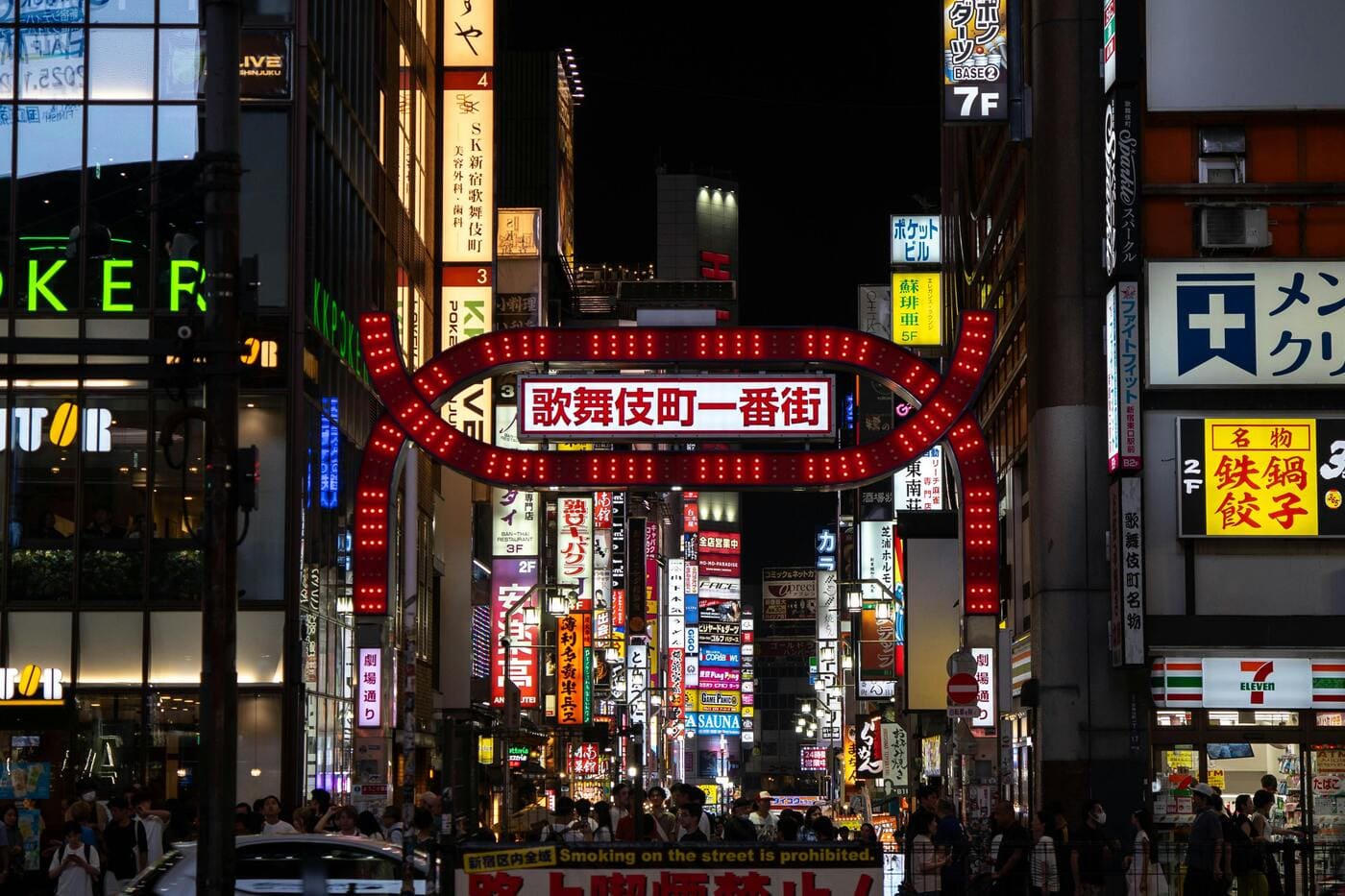
Shinjuku is the neighborhood most first-timers end up in, and most of the time that instinct is correct. It’s the busiest, loudest, most fully formed version of Tokyo you can drop yourself into from day one.
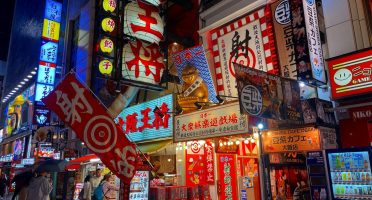
Shinjuku Station is the busiest train station in the world, handling over 3.5 million passengers (!) a day. The neighborhood stretches in every direction from it: east into the neon-drenched entertainment district of Kabukicho, west into the skyscraper business district, south toward Shinjuku-gyoen park, north into the Korean quarter of Shin-Okubo.
I arrived in Shinjuku on my very first night in Japan and immediately understood why people come back to this country. Ramen at a counter stool with a ticketing machine, some of the best izakayas, arcades six floors high, department stores that go underground for another three floors below that. The sensory overload is real but isn’t that also the point of Tokyo?
A few practical notes on booking here: if noise is a concern, look for hotels on the west side of the station. The Kabukicho side stays loud until 2 or 3am. A quieter block can make a real difference on a long trip. Light sleepers should always check hotel reviews (filter by “noise” or “noisy”).
Another thing: station exits. Shinjuku Station has over 50 exits. Being “near Shinjuku Station” is meaningless if you’re near the wrong one for your hotel or your first destination of the day.
When you book, take note which exit is closest to your accommodation. It sounds pedantic until you’re dragging luggage in the wrong direction after a long flight.
My hotel pick in Shinjuku
Hotel AMANEK Shinjuku Kabukicho sits right in the thick of it, close to the entertainment district without being too deep inside the chaos. It’s well isolated so won’t hear a thing from the busy streets.
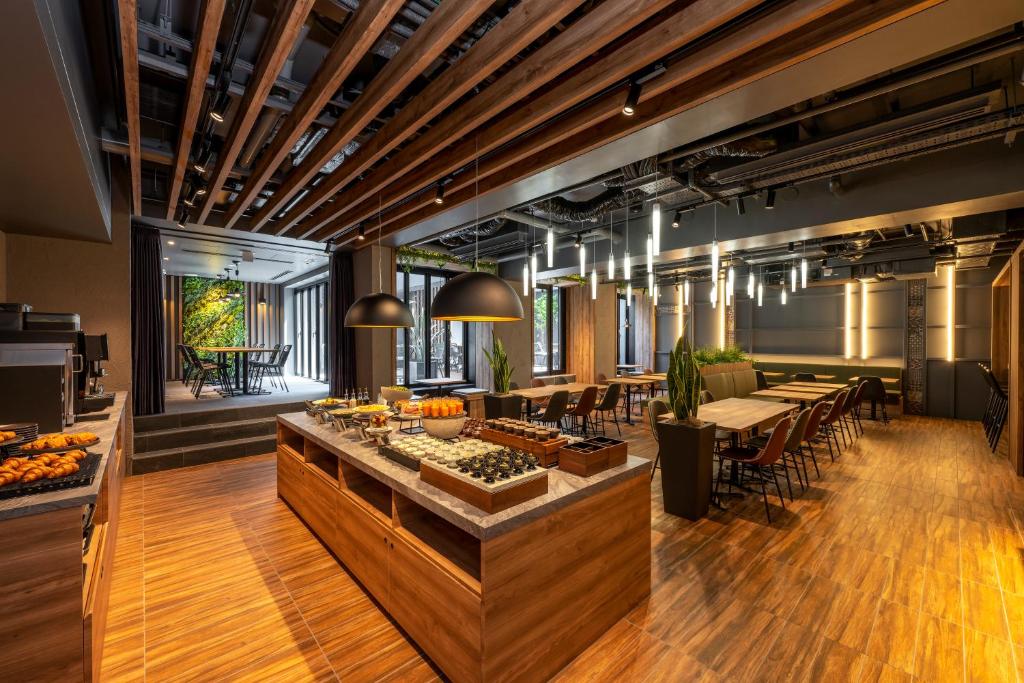
A well-priced option with a great location for folks who actually want to use Shinjuku as their playground.
- Best for: First-time visitors who want maximum convenience and within reach of any place in Yamanote Line, nightlife access, and the full sensory Tokyo experience from day one.
- Avoid if: You’re on a tight budget (it’s one of the pricier areas) or if you’re looking for a quieter, local feel. Light sleepers also should pay extra attention to reviews.
- Top sights: Kabukicho entertainment district, Shinjuku-gyoen garden, Omoide Yokocho (Memory Lane)
- Browse this selection of places to stay in Shinjuku
Shin-Okubo
This a “sub-area” of Shinjuku. I stayed here on my first Tokyo visit, and honestly would stay again.
Shin-Okubo is one stop north from Shinjuku on the JR Yamanote Line, about a 10-minute walk between the two stations if you prefer to go on foot. It sits close enough to Shinjuku to use everything the area offers, but far enough to come home to something quieter – for Tokyo terms – at the end of the night.
The neighborhood is Tokyo’s Koreatown. Korean barbecue restaurants, pojangmacha-style street food stalls, K-pop stores, and a noticeably younger crowd. It’s lively without being overwhelming. And because it’s not one of the official tourist neighborhoods, prices for both food and accommodation run lower than Shinjuku.
The case for Shin-Okubo: you get 80% of Shinjuku’s access at a lower price, at a slightly less tourist-facing neighborhood.
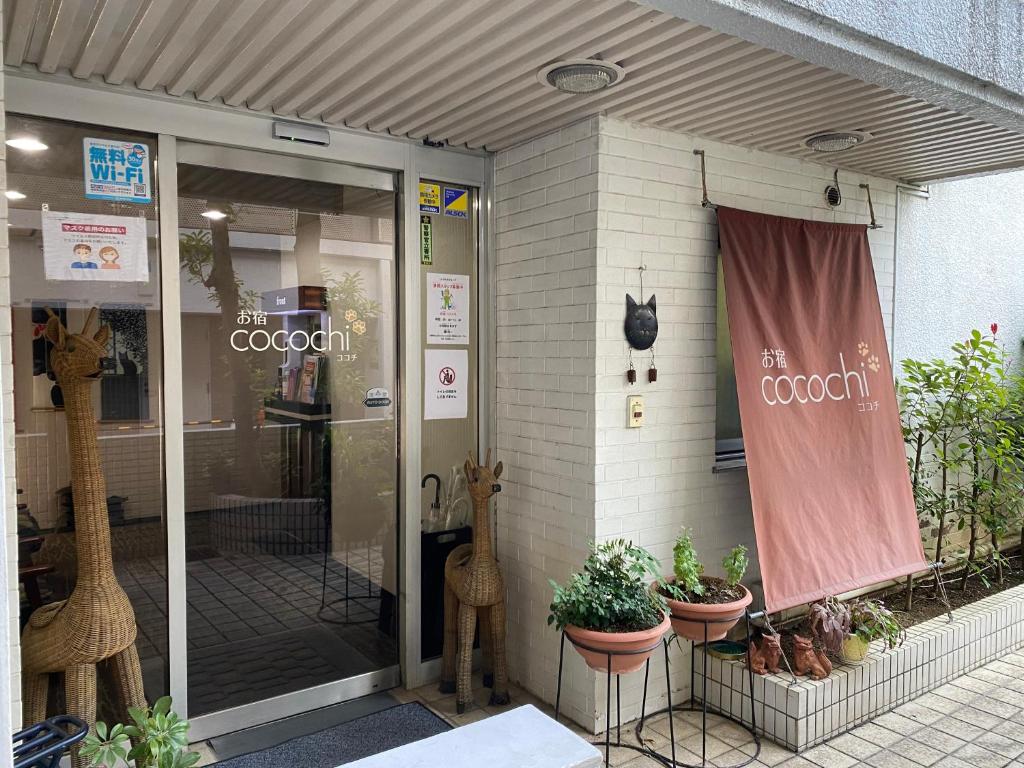
Small, affordable and charming guesthouse with a hospitable feel, just one stop away from Shinjuku.
Shimokitazawa & Koenji
For second or third-time visitors who want to go further local, Shimokitazawa (a few stops southwest of Shinjuku) and Koenji (a few stops west on the Chuo Line) are worth considering. Both neighborhoods have a younger, more residential character: vintage clothing shops, live music bars, independent cafes.
No major tourist sights, but genuinely local Tokyo energy and noticeably cheaper accommodation. The commute into central Tokyo runs 15 to 20 minutes, which regulars consider a fair trade.
Ueno
The more underrated neighborhood with real character
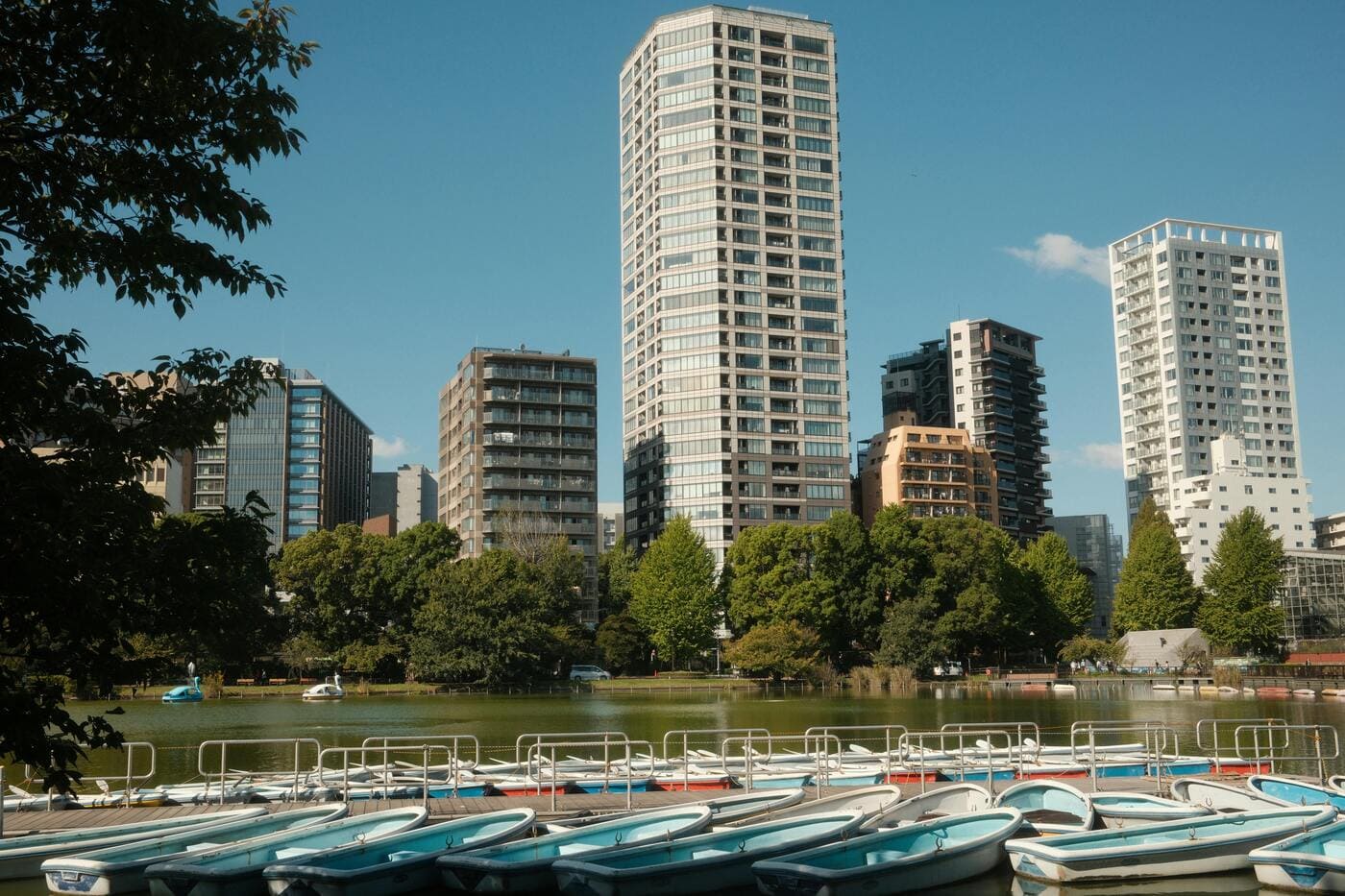
Ueno is a more rounded neighborhood than it gets credit for. Home to several of Tokyo’s best museums (including the Tokyo National Museum), Ueno Park, and a lively market street called Ameyoko that’s worth an afternoon. It’s less touristy than Asakusa but has a similar unhurried feel. Hotels here tend to run 20 to 30% cheaper than equivalent options in Shinjuku or Shibuya, which is a meaningful saving over a week.
It also sits close to Akihabara on the Yamanote Line, which makes it a practical base if you want to cover the east side of the city without paying Shinjuku-level prices. The JR Ueno Station has direct connections across the city, Shinkansen access to northern Japan, and is one of the easiest stations from which to reach Narita Airport (about an hour on the Narita Express).
My hotel pick in Ueno
Nohga Hotel Ueno is the best hotel in this neighborhood by some distance. Design-forward, characterful, and priced reasonably for what you get. If you’re considering this area, start here.
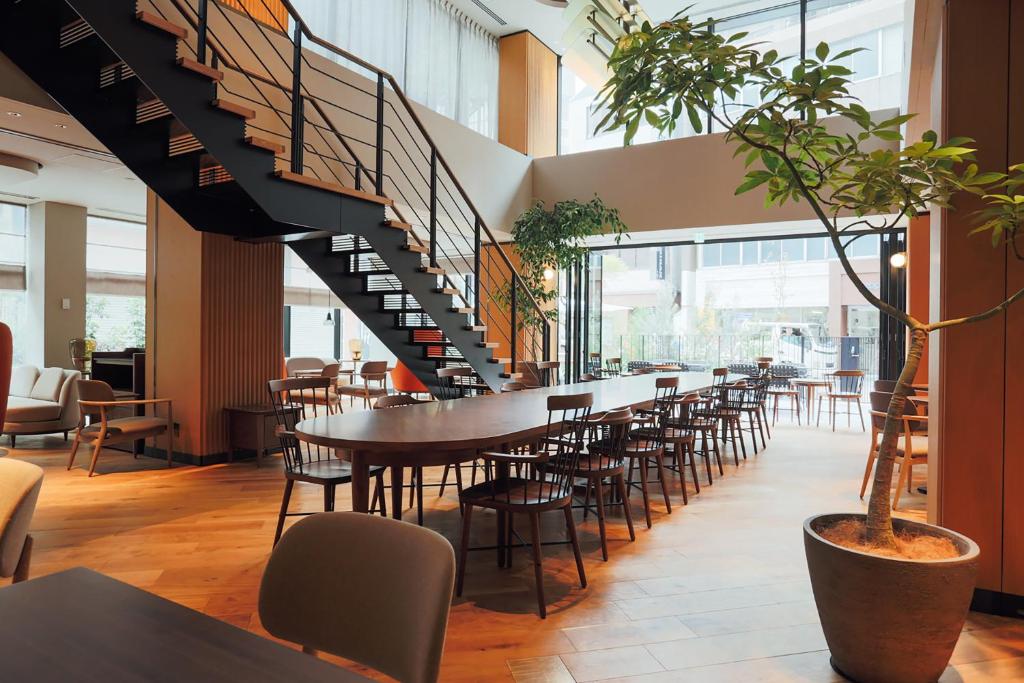
A well-priced option with a great location for folks who actually want to use Shinjuku as their playground.
- Best for: Budget-conscious travelers, and anyone who wants a quieter east-side base with solid transport connections.
- Top sights: Tokyo National Museum, Ueno Park, Ameyoko market street
- Browse this selection of places to stay in Ueno
Ginza
Super convenient, but a little soulless at night
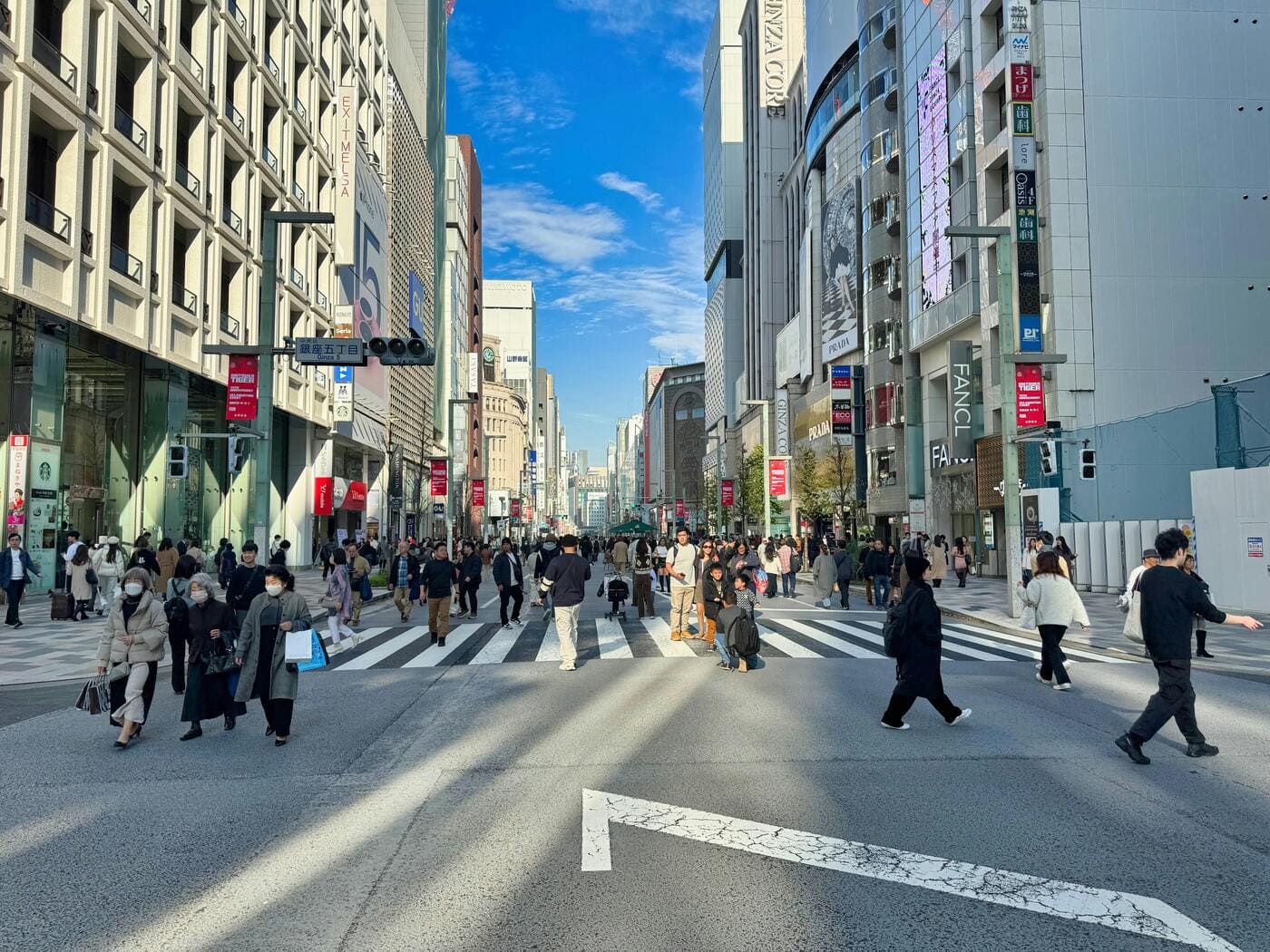
I’ll give Ginza its due: the shopping is world-class, the restaurants are excellent even for Tabelog standards, and being close to Tokyo Station is super convenient in such a massive metropolis. Practically every bullet train in Japan departs from here, which makes this area supremely convenient if you’re arriving from the airport or heading to Kyoto first thing the next morning.
But Ginza and the whole Tokyo Station area goes quiet at night in a way that feels slightly eerie for a city of this scale. The luxury boutiques close at 8pm. The office workers go home. The streets that were buzzing at lunchtime become wide and empty by 10pm. It just doesn’t feel like Tokyo.
Hotels here also price themselves against the postcode rather than the product. You pay a premium for the Ginza address that doesn’t always translate into a better night’s sleep than you’d get in other areas for less money.
Ginza makes sense if: you’re in Tokyo for business or if transit logistics are your main priority. It makes even more sense if you’re planning on doing daytrips (Kamakura or Nikko for instance) or if you need bullet train access from Tokyo Station first thing in the morning.
My hotel pick in Ginza
Daiwa Roynet Hotel Tokyo Kyobashi PREMIER is a mouthful of a name, but what matters is that I actually loved staying here. Total business-y vibes, but hard to beat in convenience and logistics to explore Ginza while having access to Tokyo Station convenience. No breakfast, but there’s a 7-eleven 10 steps away.
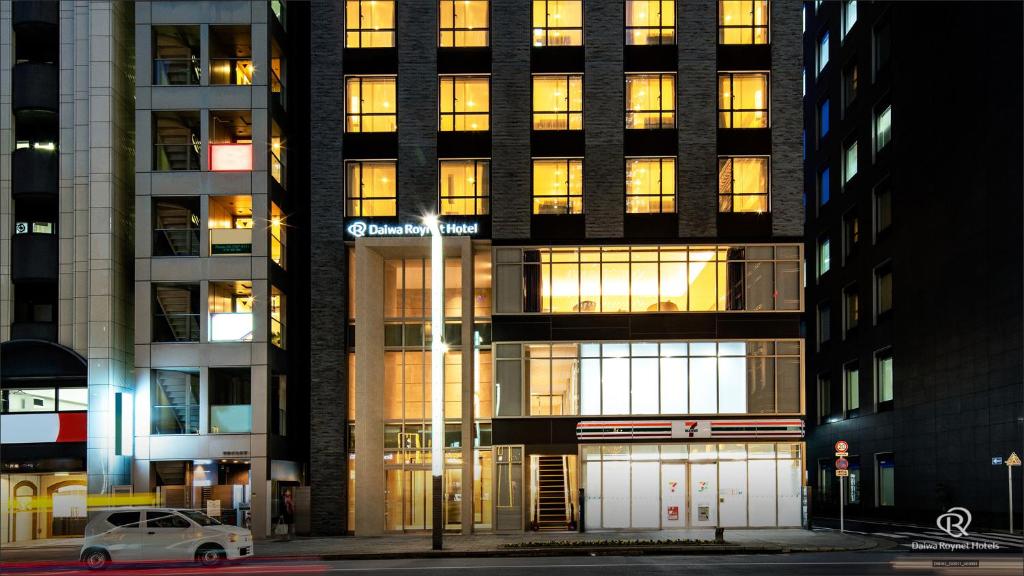
Daiwa Roynet Hotel Tokyo Kyobashi PREMIER
A smart choice for travelers who prioritize convenience and comfort in Ginza.
- Best for: Business travelers, shopping lovers, early Shinkansen departures, and single-night stopovers where transit access is the top priority.
- Avoid if: You’re on a tight budget (it’s one of the pricier areas) or if you seek a more authentic, local feel.
- Top sights: Ginza Six shopping complex, Tokyo Station (Marunouchi building), Tsukiji Outer Market
- Browse this selection of places to stay in Ginza
Which neighborhood should you actually pick?
Knowing what I know today from my trips to Tokyo, personally I’d now stay in either Ueno, Asakusa or Shinjuku. If I was a first-time visitor, I would think differently though. Here are some different use cases broken down:
First trip to Tokyo, want the full experience: Stay in Shinjuku or Shin-Okubo. Easy, breezy. The city just comes to you.
Traveling as a couple, want calmer atmosphere: Asakusa. It automatically changes the mindset into a different side of Tokyo.
On a tighter budget: Shin-Okubo or Ueno. Both have solid accommodation at fair prices without sacrificing access.
Want to try a capsule hotel: Shinjuku or Shin-Okubo. The best capsule hotels in Japan are concentrated here and are a nice experience for at least for one night.
Second or third visit, want something more local: Shimokitazawa or Koenji. Quieter, cheaper, and a version of Tokyo most tourists never see.
Flying out early from Narita (NRT) or Haneda (HND): Tokyo Station for Narita (Narita Express), Shibuya or Shinjuku for Haneda (direct connections on multiple lines).
Final thoughts
Tokyo is big enough that the wrong neighborhood choice won’t ruin your trip. But the right one will make it feel effortless.
If this is your first time, my default pick would be Ginza, Shinjuku or the quieter Shin-Okubo just north of it. You’ll have the whole city at arm’s reach and enough going on within walking distance that you’ll never feel like you’re wasting time in transit.
Speaking of logistics, for the full picture on planning your Tokyo visit, my Japan two-week itinerary covers how Tokyo fits into a broader first-time Japan trip. And if navigating the city feels daunting, the Japan travel apps I used make it significantly less so.
Tokyo rewards the curious. Just make sure you’re sleeping somewhere that matches your energy.
What is the best area to stay in Tokyo for first-timers?
Shinjuku is the best area to stay in Tokyo for first-time visitors. It's the most connected neighborhood on the JR Yamanote Line, offers the widest range of hotels at every price point, and puts you within walking or transit reach of every major Tokyo attraction.
Is it safe to stay anywhere in Tokyo?
Tokyo is one of the safest major cities in the world. Petty crime is extremely rare, streets are well-lit, and most neighborhoods are comfortable to walk in at any hour. Factor vibe, access, and budget, not safety.
What's the difference between Shinjuku and Shibuya?
Both are major hubs with strong transport links, nightlife, and shopping. Shinjuku is larger, more intense, and has better direct connections across the Yamanote Line. Shibuya feels more curated and is better positioned for exploring west Tokyo. For a first visit, Shinjuku edges it on practicality.
Are capsule hotels in Tokyo worth it?
Yes, if you go in with the right expectations. The better ones are thoughtfully designed, clean, and surprisingly private. Best suited for solo travelers. Several standout options are concentrated in the Shinjuku area.
How far in advance should I book a Tokyo hotel?
For cherry blossom season (late March to early April) or autumn foliage (October to November), book at least 3 to 4 months ahead. Outside peak seasons, 4 to 6 weeks is usually sufficient.
Is Asakusa too far from the main Tokyo attractions?
Not too far, but it takes slightly more planning. Most major sights are reachable within 30 to 40 minutes. The trade-off is that Asakusa sits off the Yamanote Line loop, adding one connection for most journeys.