For first-time visitors, the best area to stay in Singapore is Chinatown, which offers the best mix of culture, food, and value with easy MRT access to everything else. Clarke Quay is great if you want to be in the middle of the action, Marina Bay is the splurge option if waking up to that skyline is the point, and Sentosa is only an option if you’re travelling with kids. Singapore is compact enough that no central neighborhood is a bad choice.
Picking a neighborhood in Singapore feels harder than it should be. It’s hard to go wrong. The city is tiny, safe, and so thoroughly covered by one of the best metro systems in Asia that you could, in theory, stay almost anywhere and still reach the main sights in under 30 minutes.
Singapore is one of those rare places where the hardest part of trip planning is resisting the urge to overthink it. But there are ways to optimize and make the most of your stay, especially if you’re staying for a limited amount of time. Let’s get into it.
Quick tips for Singapore 🇸🇬
- 🏨 If you can afford it, staying in Marina Bay Sands is one of those bucket list experiences. Holiday Inn Express Clarke Quay in Clarke Quay is a cheaper, comfortable option. Here’s a wider selection of hotels in Singapore.
- 🚇 Get an EZ-Link card at any MRT station on arrival. It works on trains and buses and costs a few dollars to top up. You’ll use it constantly.
- 📱 Grab (Southeast Asia’s version of Uber) is excellent here. Download it before you land for late nights when the MRT stops around midnight.
- 🔒 Travel insurance is always worth it. I use Heymondo.
- 🎡 Buy tickets for attractions and experiences in Singapore with Klook.
In this Singapore neighborhoods guide 🇸🇬
How to think about staying in Singapore
Singapore’s best neighborhoods for tourists all sit in the southern half of the island, within a compact cluster you can walk across in under an hour. The MRT connects them all reliably, with trains running every 3 to 5 minutes during the day and six lines covering over 240 km of track. Most journeys between central neighborhoods take under 15 minutes.
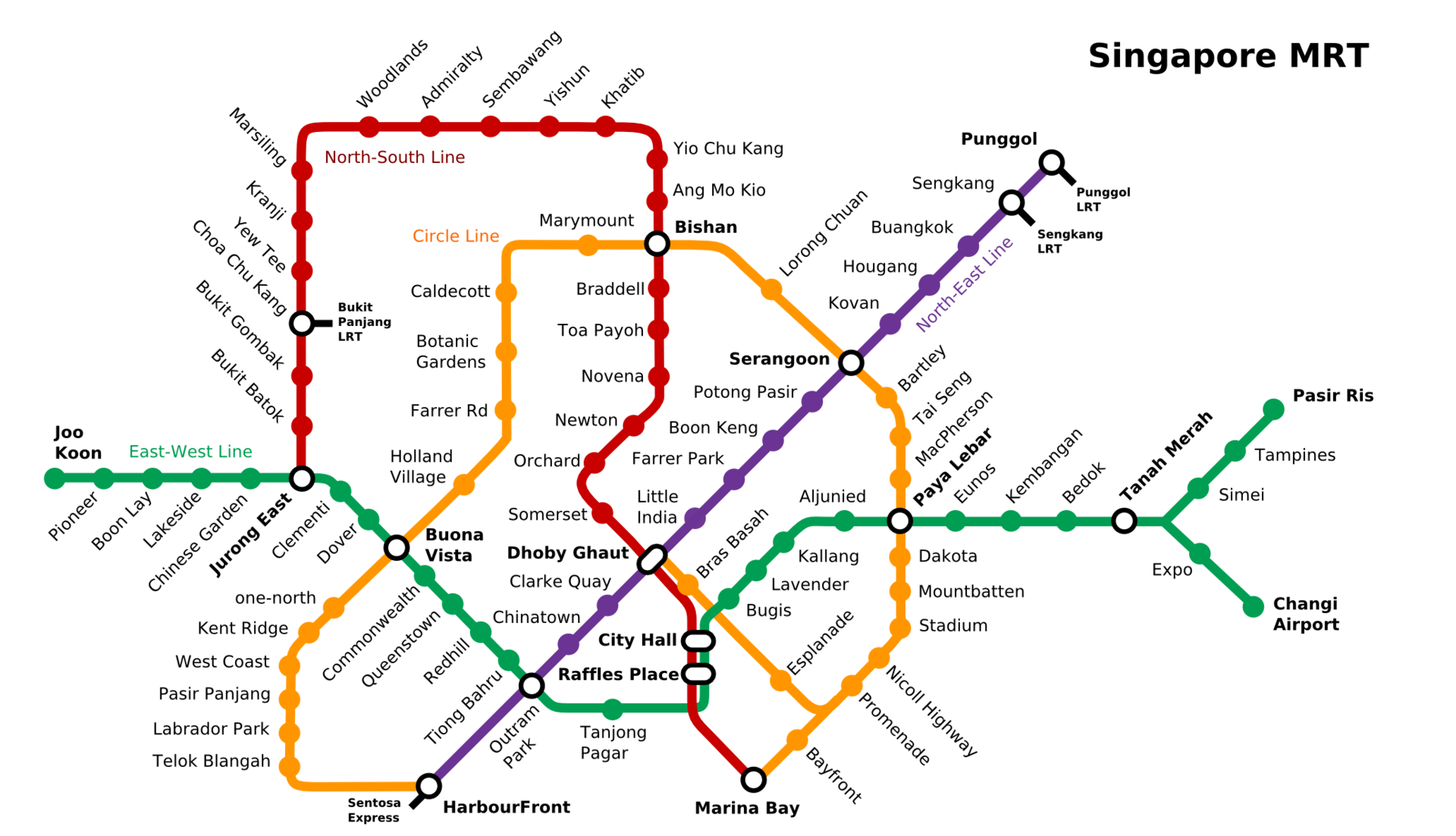
What this means in practice: location matters less here for logistics than in most cities. What matters more is the energy of the neighborhood you’ll come back to each night. Also, a few things worth knowing regardless of where you stay:
- Singapore is hot and humid year-round. Covered walkways and air-conditioned malls make walking between areas comfortable, but plan for the heat when you’re outside.
- Mid-range hotels punch above their weight here. You don’t need to spend a fortune to sleep well in a clean, comfortable room, but prime location come at a price.
- The MRT stops around midnight. If you’re planning late nights, factor in Grab costs or walk back if your hotel is close enough.
Read more on my Singapore travel tips article.
Singapore neighborhoods: quick comparison
| Neighborhood | Best for | Vibe | Price range | Transport |
|---|---|---|---|---|
| Marina Bay | Iconic views, splurge trips | Modern, polished, quiet at night | $$$$ | Excellent |
| Clarke Quay | Nightlife, river walks, central access | Lively, touristy evenings | $$ | Excellent |
| Chinatown (Outram district) | First-timers, foodies, value seekers | Cultural, walkable, local | $–$$ | Excellent |
| Kampong Glam & Bugis | Culture lovers, mid-range budget | Heritage, artsy, Malay-Arab roots | $$ | Good |
| Orchard Road | Shoppers, families, business travelers | Commercial, polished, convenient | $$–$$$ | Excellent |
| Little India | Budget travelers, culture seekers | Vibrant, colorful, authentic | $ | Good |
| Sentosa | Families, beach resorts, Universal Studios | Resort island, relaxed, self-contained | $$–$$$$ | Moderate |
Marina Bay
The Singapore you’ve seen in every photo
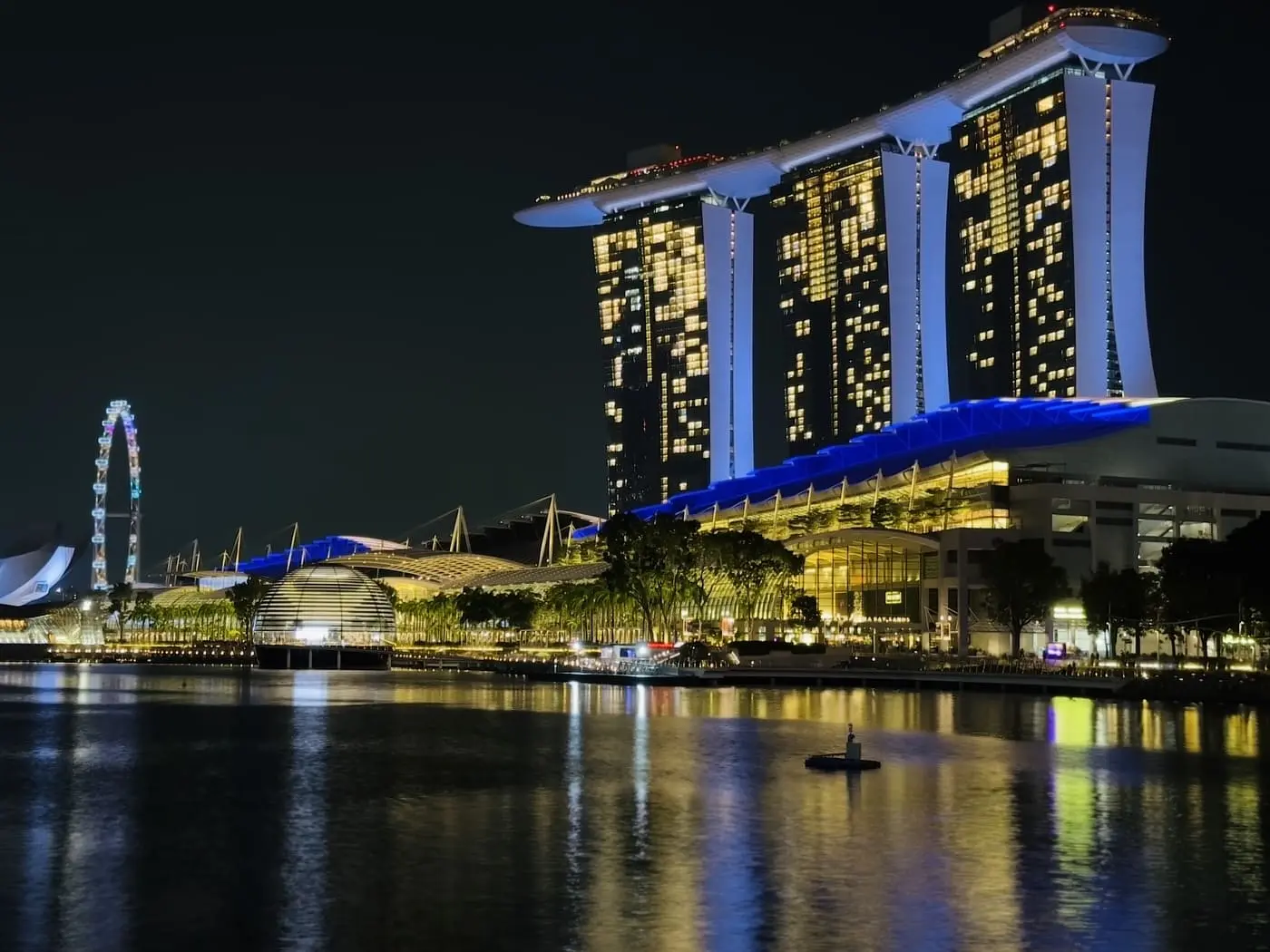
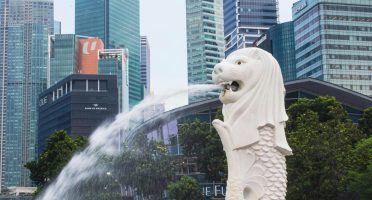
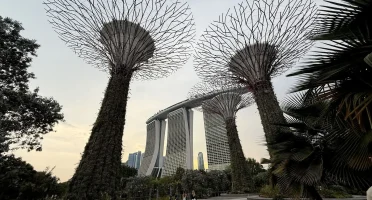
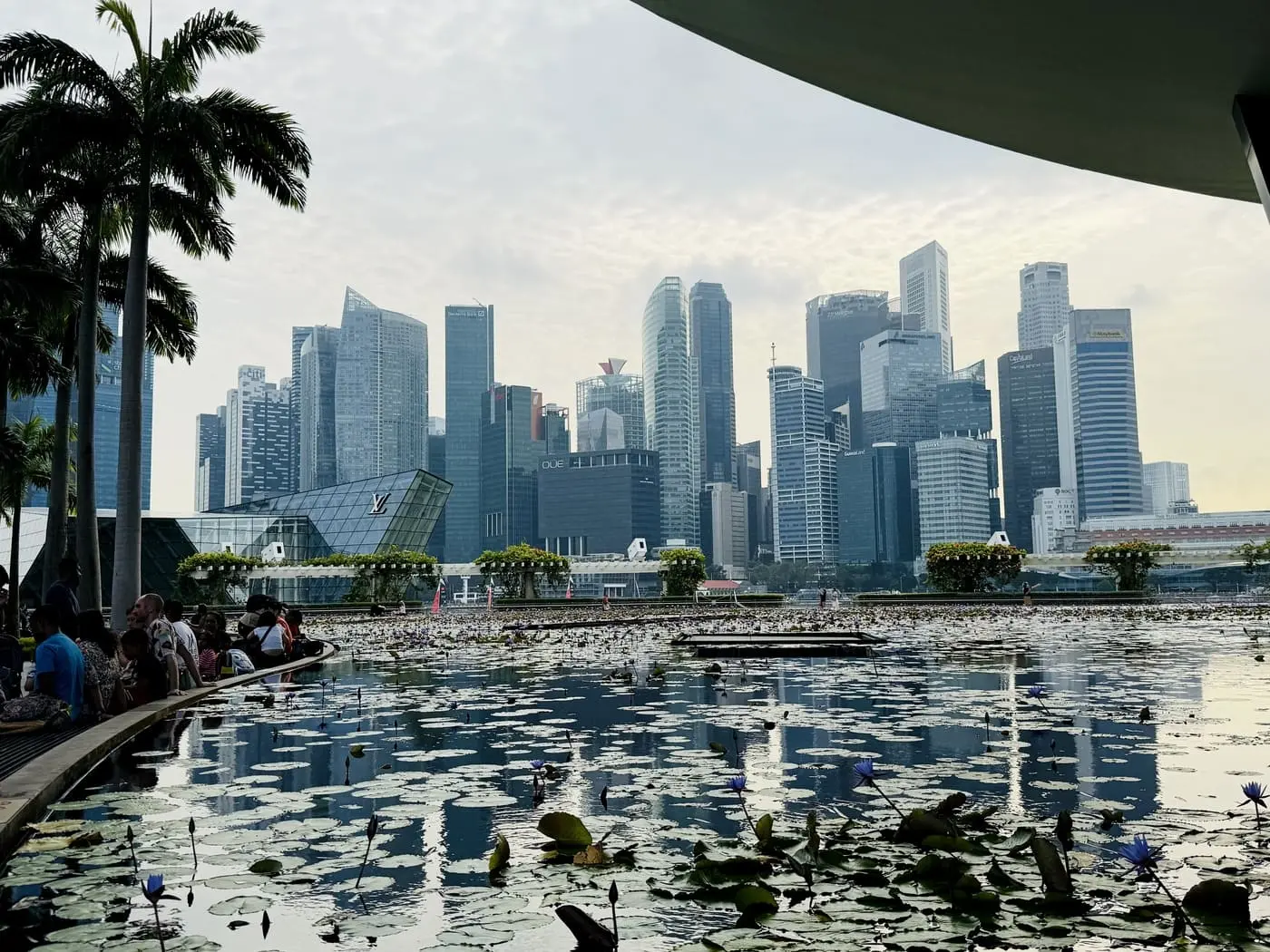
What I love about Marina Bay is the sense of scale. It is where the famous skyline actually is, but there is still space for much more. The Marina Bay Sands hotel with its rooftop infinity pool, the glowing Supertrees of Gardens by the Bay, the Merlion, the ArtScience Museum: they’re all within 10 minutes of each other on foot. If you’re visiting Singapore once and want to feel like you’re in the middle of it, this is the neighborhood.
Gardens by the Bay was one of the highlights of my Singapore trip and, I dare to say it, of my travel life. The scale of it stops you in your tracks when you arrive, and the Supertree Grove at night is a true ode to nature. If you stay here, it’s worth a stroll every single night.
The catch with Marina Bay is, you’ve guessed it, price. Hotels here are among the most expensive in Singapore, and the area quiets down significantly after dinner. There’s not much of a residential or local food scene, it’s a showcase district rather than a lived-in one. That’s fine if your goal is the spectacle.
My hotels pick in Marina Bay
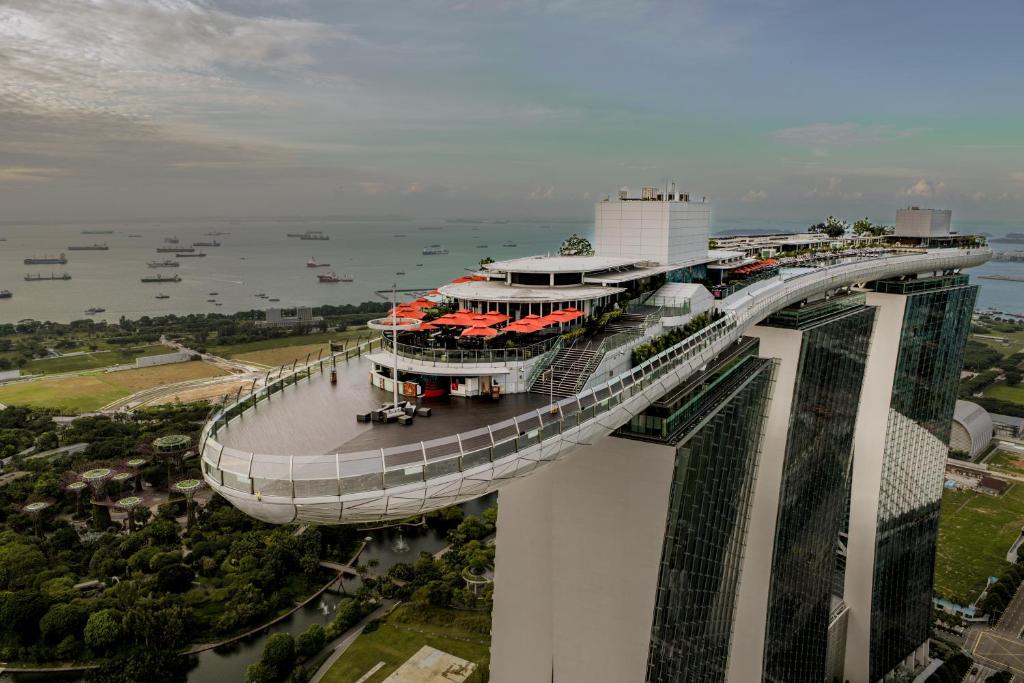

A great value-for-money option for those who want Marina Bay convenience without the top-tier price tag.
Clarke Quay
Convenient and well-connected
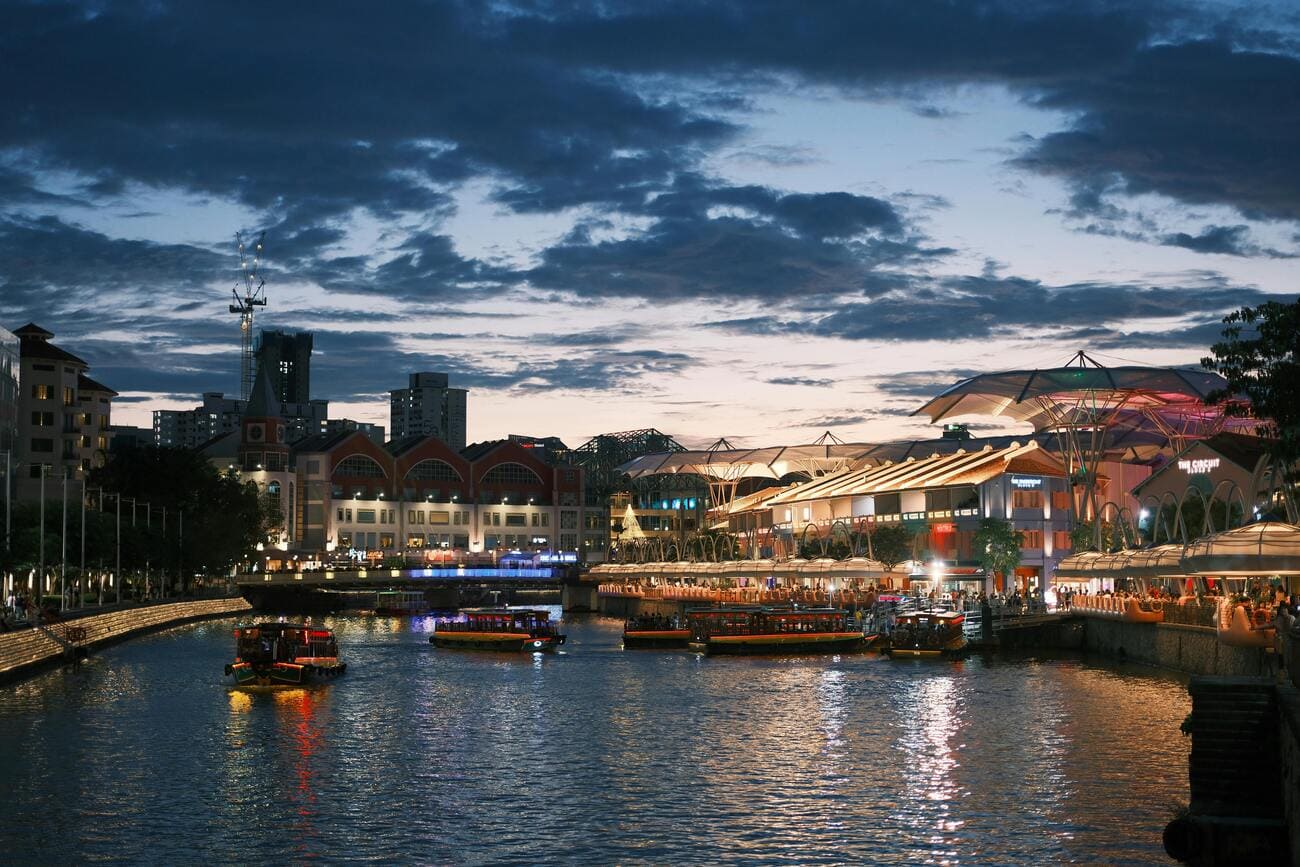
Clarke Quay lines the Singapore River with bars, restaurants, and a permanent weekend-evening energy that makes it one of the most central places to base yourself. The MRT station is close by, Marina Bay is a 20-minute walk east. Chinatown is 10 minutes west on foot. Even though there is no major attraction super close by, you can reach almost anywhere in central Singapore without ever getting on a train, making a good choice for travelers who want a lively base and easy access to everything.
The trade-off I noticed: food. Not much offer around. If you want something that feels more local, especially in the mornings, you’ll need to go looking for it elsewhere.
I stayed at the Holiday Inn Express here and the location worked very well. The hotel sits far enough back from the main strip that I didn’t hear the clubs at all. The river walk in the evening is worth the stroll, with Boat Quay lighting up across the water.
My hotel pick in Clarke Quay
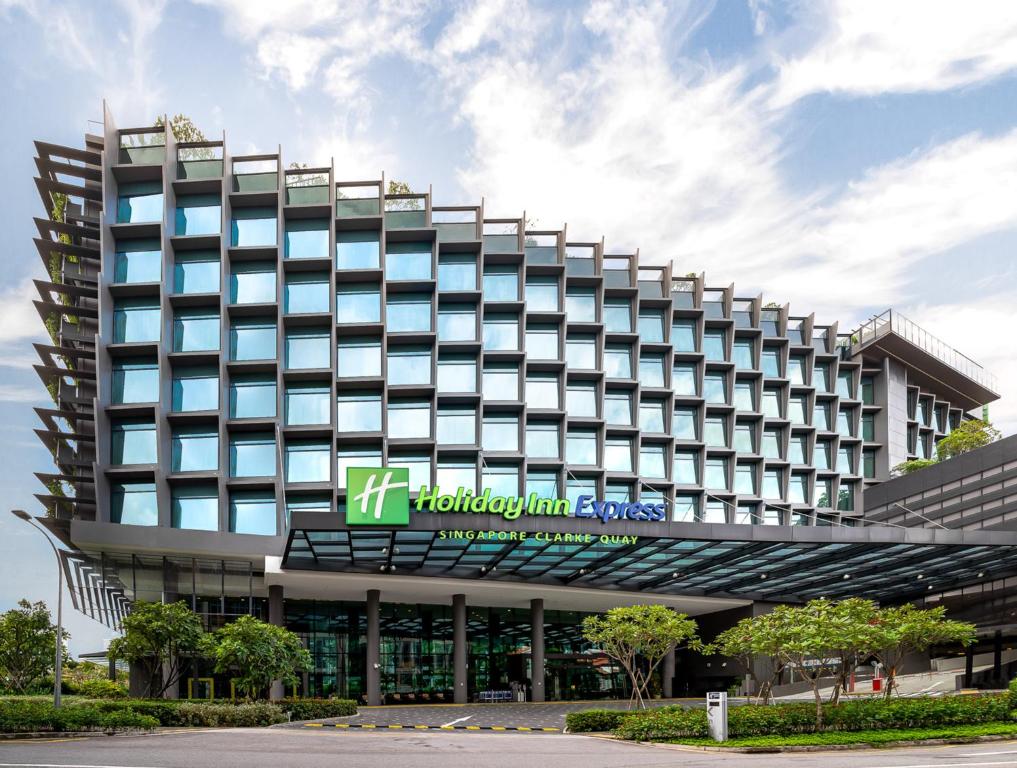
Holiday Inn Express Singapore Clarke Quay
Comfortable, well-located, buffered from the nightlife noise and just a 5-min walk from Clarke Quay MRT.
Chinatown
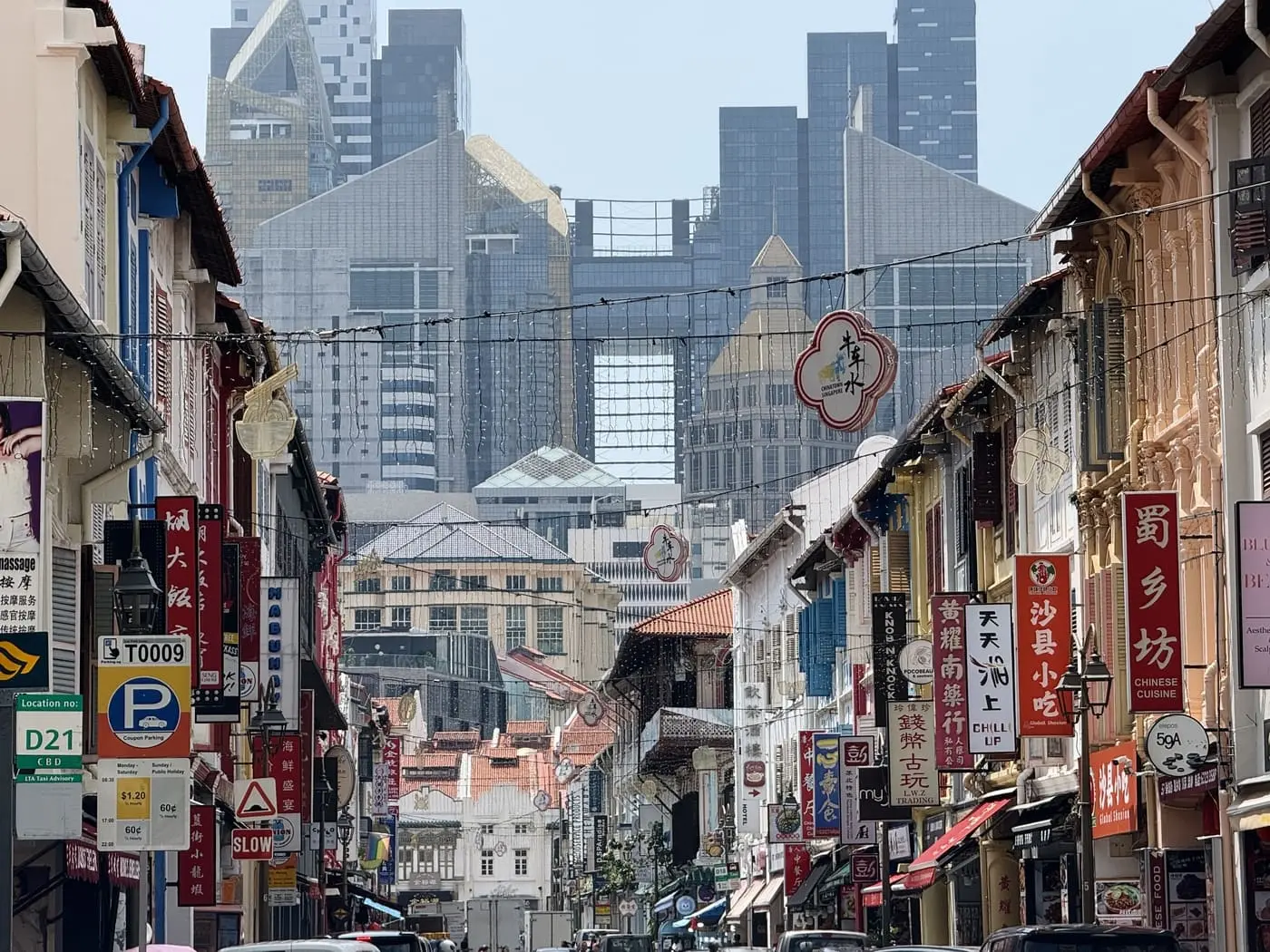
Chinatown is a neighborhood within the broader Outram district, and it’s the one that actually rewards walking around. Heritage shophouses, Buddhist and Hindu temples, and the street market on Pagoda Street give it real texture. The Maxwell Food Centre sits right in the middle of the area and is one of Singapore’s most famous hawker landmarks, where you’ll find everything from Michelin-recognized stalls to straightforward bowls of laksa at S$4. From here, you can walk to Marina Bay in about 15 minutes through the CBD without needing a train at all.
Hotels here range from budget hostels to polished boutique properties occupying restored shophouses. The Outram Park and Chinatown MRT stations both serve the area, giving you direct links to every other neighborhood on this list. If you’re deciding between areas and don’t have strong preferences, Chinatown is the safest and most rewarding choice.
Chinatown sits at the center of everything tourists want to do in Singapore, pairs real cultural weight with excellent food, and offers some of the best-value accommodation in the city. It’s also within walking distance of Marina Bay, making it the most practical all-round base.
My hotel pick in Chinatown
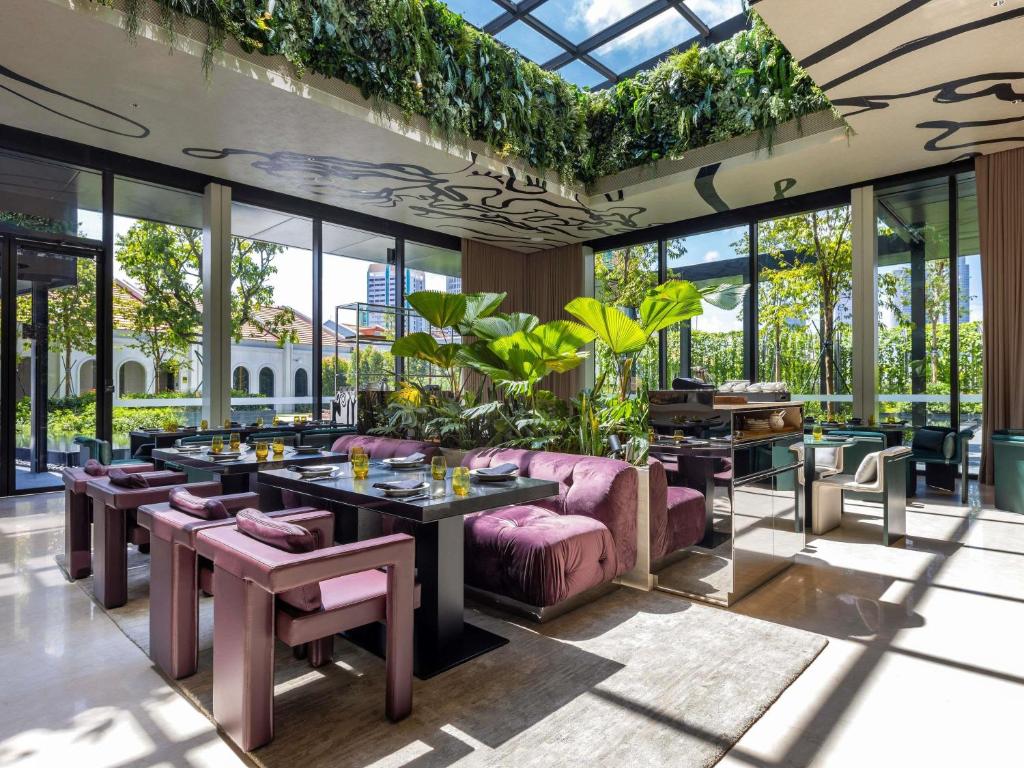
Upscaled art and elegance in the heart of Chinatown, surrounded by Michelin-starred restaurants on Duxton Hill.
Kampong Glam & Bugis
Singapore’s most photogenic neighborhood
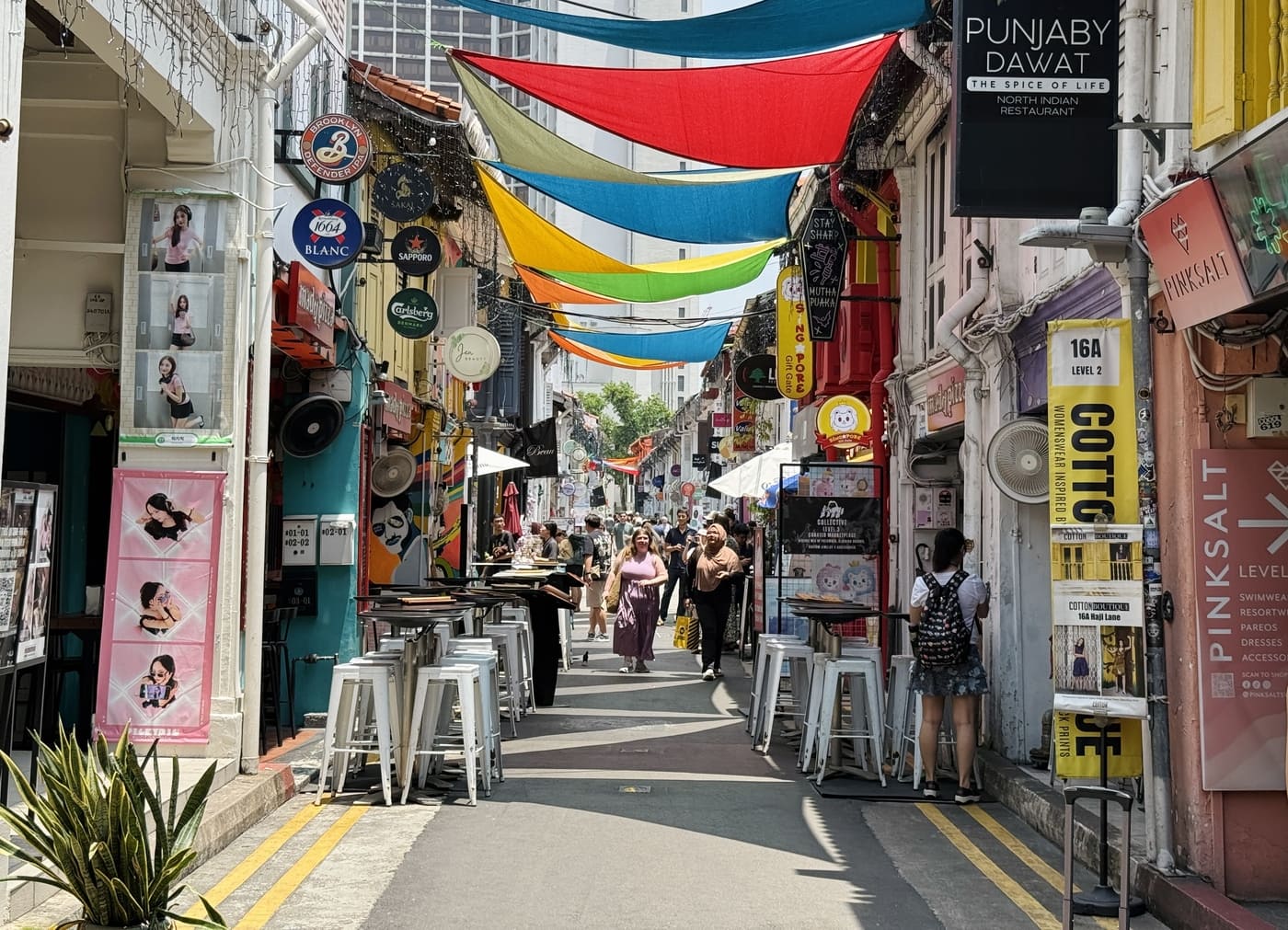
The historic Malay-Arab quarter of Kampong Glam, centered around the golden-domed Sultan Mosque on North Bridge Road. Haji Lane, a narrow street lined with independent boutiques, street art, and specialty coffee shops, runs through the middle of it and is one of the most photographed streets in Singapore. Bugis, just to the south, adds a major MRT interchange and the famous Bugis Street market to the mix, making the combined area considerably easier to navigate than Kampong Glam alone.
This melting pot area strikes a good balance between cultural atmosphere and modern energy. Arab Street still has fabric and textile traders that have been here for generations, while a few meters away you’ll find craft cocktail bars and Korean fusion restaurants. It connects easily to Chinatown and the city center, and boutique hotels here tend to occupy restored shophouses, which gives them considerably more character than the glass-box business hotels you’ll find elsewhere in the city.
My hotel pick in Kampong Glam & Bugis
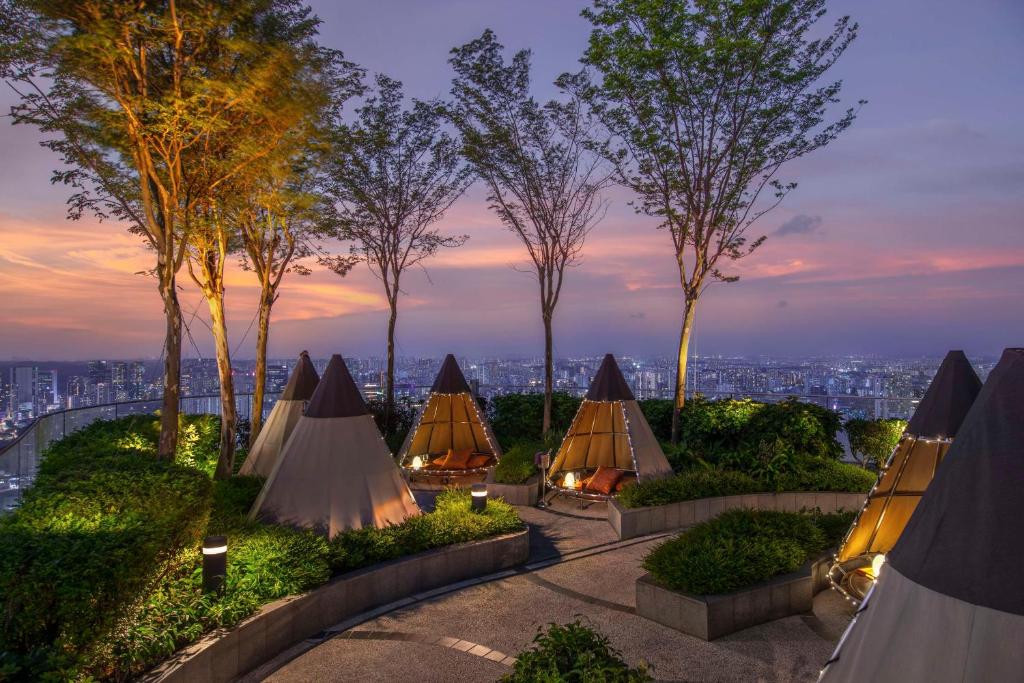
Hip hotel in a striking high-rise building overlooking Marina Bay, steps from the Sultan Mosque.
Orchard Road
Singapore’s shopping spine, and a surprisingly solid base
Orchard Road is Singapore’s commercial spine: a 2.5-kilometer corridor of more than 20 malls, flagship stores, and hotels running through the city’s Central Region. ION Orchard, sitting directly above Orchard MRT station, anchors the eastern stretch. Further west toward Tanglin you’ll find the Singapore Botanic Gardens, a UNESCO World Heritage site and one of the few places in the city center where you can breathe without a mall attached.
Staying here puts three MRT stations at your doorstep: Orchard, Somerset, and Dhoby Ghaut, the last of which is an interchange connecting three separate lines. Getting anywhere in central Singapore from Orchard Road takes almost no effort.
The trade-off is atmosphere. Orchard Road is a commercial district built for spending money, not for wandering and stumbling onto something interesting. Breakfast options are dominated by hotel restaurants and mall food courts. The street-level experience after dark is mostly hotel bars and chain restaurants. If you’re coming to Singapore primarily to shop, it’s the obvious choice.
My hotel pick in Orchard Road
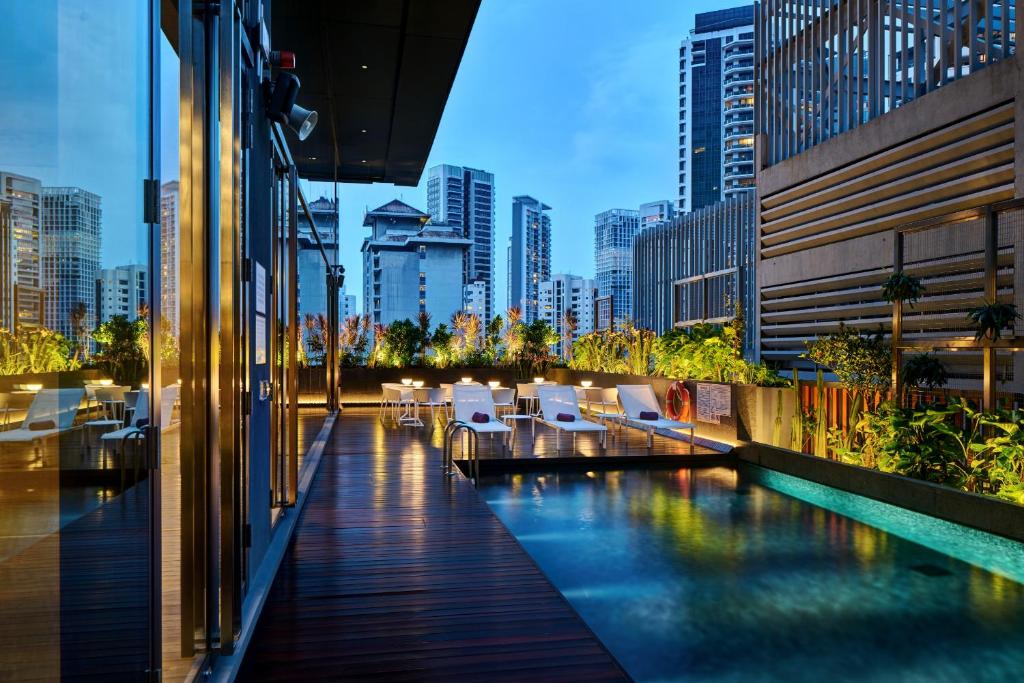
Comfort for the modern traveler in the heart of the Orchard Road district.
Little India
The cheapest central neighborhood, and the loudest
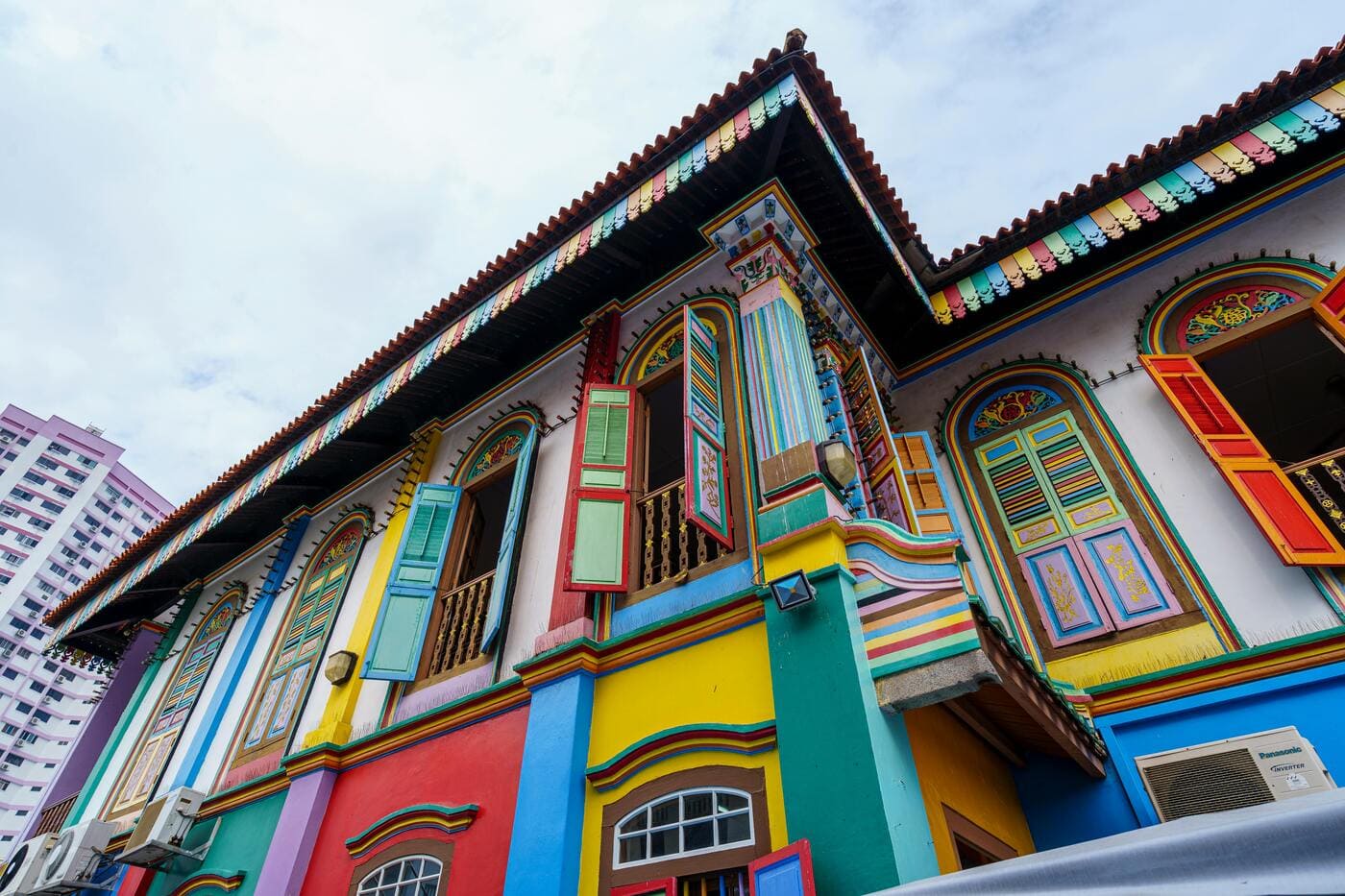
Little India is exactly what it sounds like: a concentrated burst of color, incense, and noise that feels like nowhere else in Singapore. Serangoon Road is the spine of it, lined with flower garland sellers, spice shops, textile stores, and temples that have been operating for over a century. The 24-hour Mustafa Centre is a Singapore institution: part department store, part supermarket, part cultural experience. Budget travelers gravitate here because accommodation is cheaper than almost anywhere else in the central area, and a full meal at Tekka Centre hawker market costs a fraction of other places in the city.
The trade-off here is sensory overload, which is either a feature or a bug depending on who you are. Little India MRT sits directly on the North East Line, connecting you to Chinatown and Clarke Quay without a transfer. It’s a strong pick if you want character over convenience and want to keep costs down.
My hotel pick in Little India
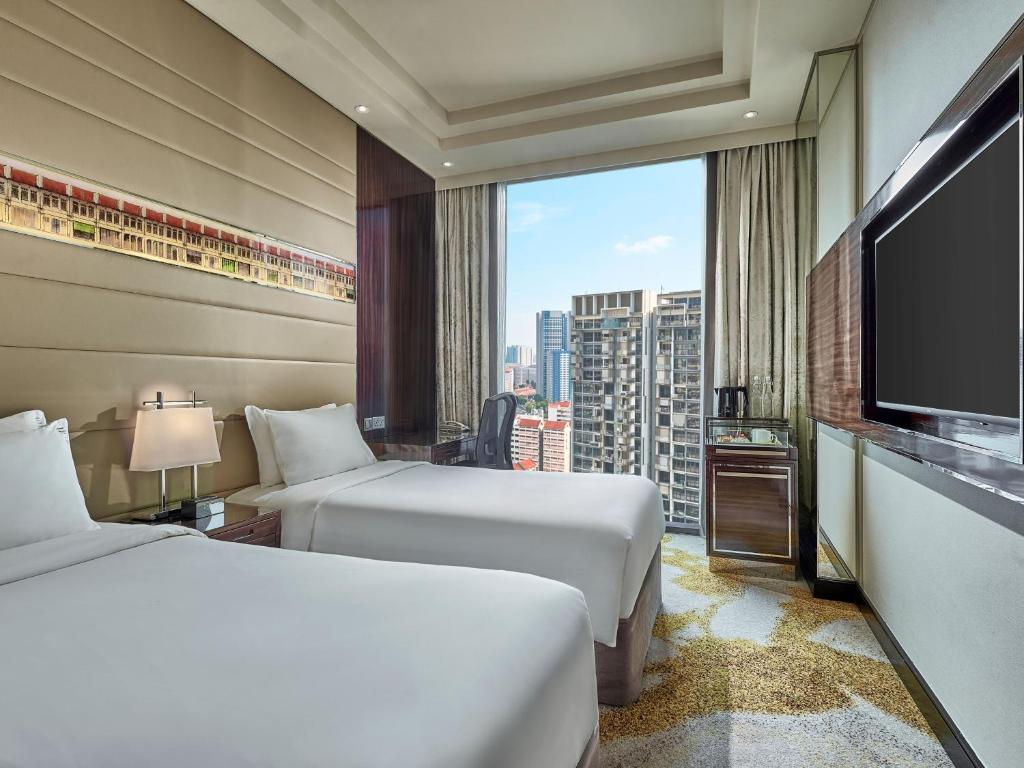
Holiday Inn Singapore Little India by IHG
20-storey hotel with sleek glass exteriors and panoramic views of Little India.
Sentosa
Singapore’s resort island: the one for families
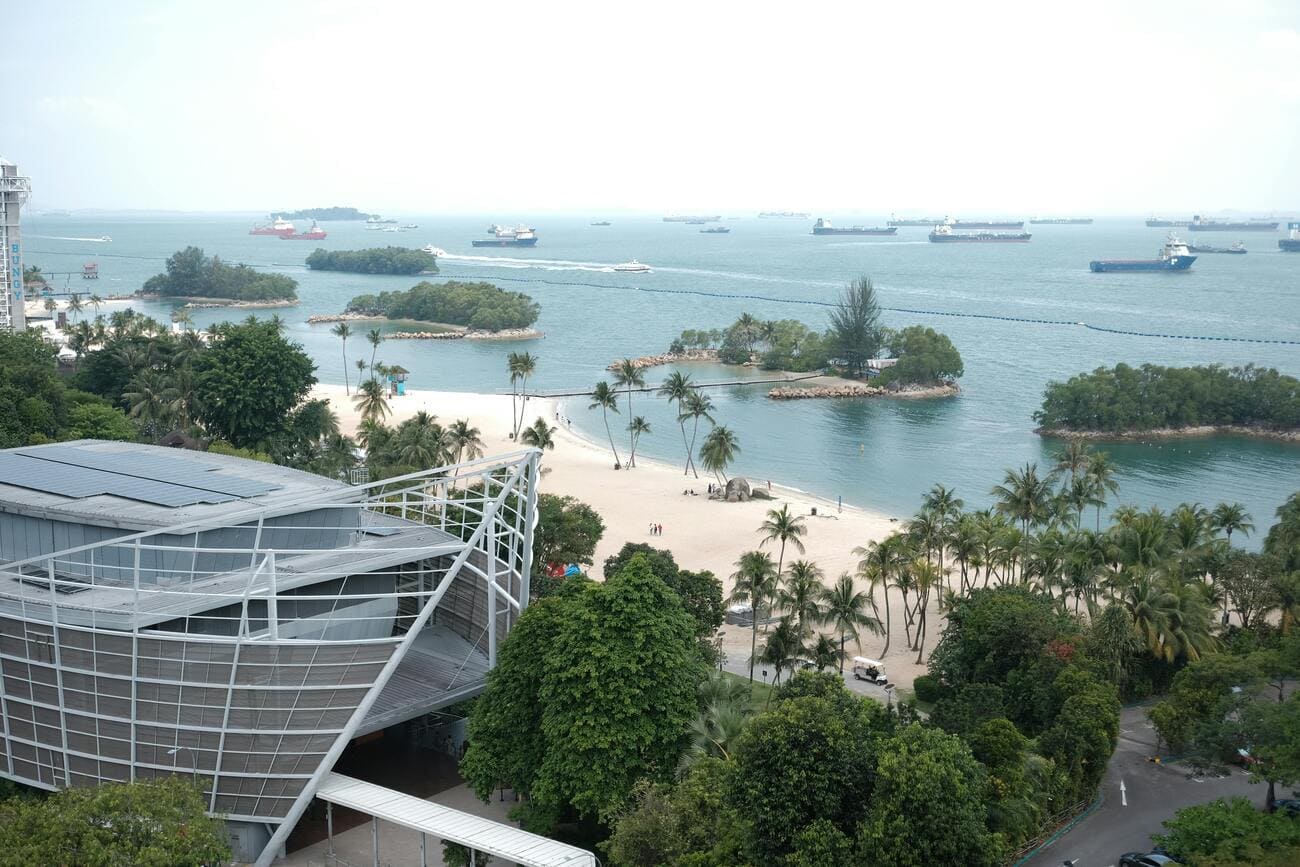
Sentosa is a separate island connected to mainland Singapore by a causeway, cable car, and the Sentosa Express monorail. It’s where you’ll find Universal Studios Singapore, the S.E.A. Aquarium, Palawan Beach, and a string of large resort hotels that don’t really exist anywhere else on the island.
Personally I don’t see the appeal of Sentosa with so many beach destinations nearby in Southeast Asia. However, if you’re travelling with children, or if a beach resort experience is the point of the trip, Sentosa can make sense for you. In that case, I’d treat it as a 2-3 night add-on with its own agenda rather than a base for exploring the rest of Singapore. Once you’re on Sentosa, going back and forth to the mainland gets tedious quickly.
My hotel pick in Sentosa
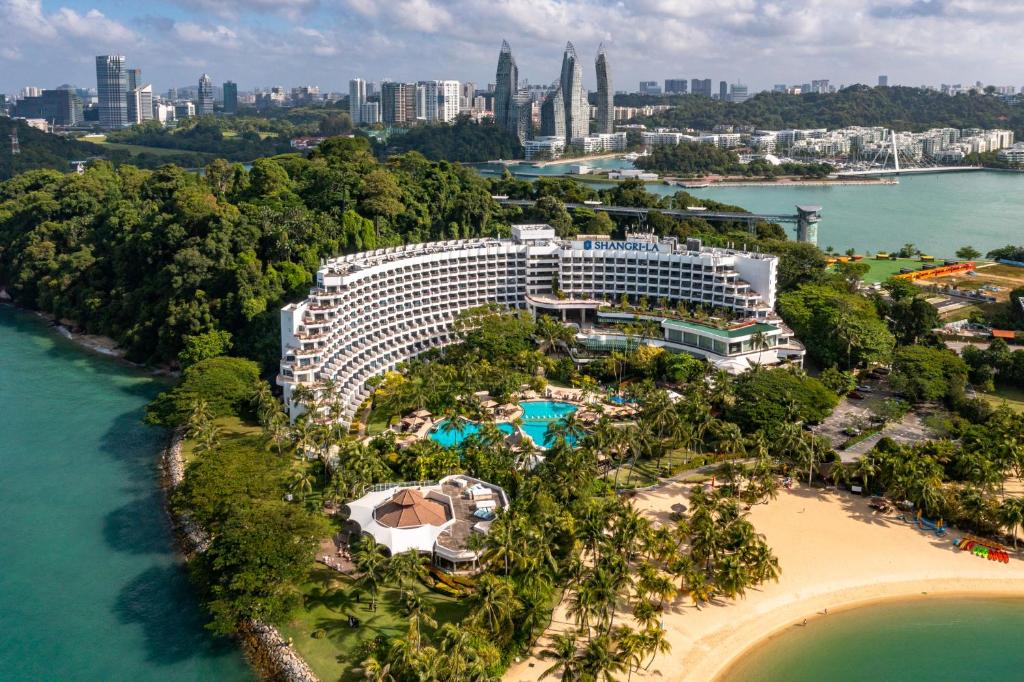
Proud to be the only beachfront resort in Singapore, this tropical playground is tailor-made for families and travelers on a getaway.
Staying near Changi Airport: when does it makes sense?
The short answer: only if you have a long layover or a very early morning flight. Changi is one of the world’s best airports, and Jewel Changi with its indoor waterfall is worth an hour of your time. However, it’s 30 to 45 minutes from central Singapore by MRT, which means every sightseeing trip adds at least an hour of transit to your day.
If you have a 6am flight or an 8-hour layover, staying airport-side makes sense. Otherwise, stay in the city and take a Grab to Changi on departure day. It’ll cost S$20 to S$40 depending on your area, and you’ll have the rest of your trip in a neighborhood that actually has something to do in the evenings.
Which Singapore neighborhood should you stay in?
Here’s a simple breakdown by traveler type, based on what each neighborhood actually delivers:
- First-time visitors: Chinatown for the best combination of culture, food, central access, and value.
- Budget travelers: Little India, the most affordable central option with great street food and easy MRT links.
- Nightlife and social travelers: Clarke Quay is hard to beat for the riverside energy and bar density.
- Families with children: Sentosa for the resort experience and Universal Studios, or Orchard Road if you want central access with family-friendly hotels.
- Shoppers: Orchard Road, with three MRT stations and 20+ malls within walking distance.
- Couples and splurge trips: Marina Bay for the views, or a shophouse boutique in Kampong Glam for something with more charm.
- Culture seekers: Kampong Glam & Bugis or Little India, both of which have more texture than the polished tourist zones.
- Transit visitors (1 night or layover): Clarke Quay or Chinatown for fast MRT access to both the city and the airport line at Raffles Place.
Where not to stay in Singapore
Singapore is one of the safest cities in the world, so there are no areas to actively avoid for safety reasons. But there are neighborhoods that will cost you real time and enjoyment if you base yourself there as a tourist.
Geylang is Singapore’s red-light district, and while it’s safe to visit (and home to some surprisingly good late-night food), the atmosphere isn’t what most travelers want to come back to at the end of a day. Skip it as a base.
Remote residential areas like Jurong, Woodlands, and Tampines are far from any tourist attraction and have almost no relevant accommodation anyway. If a hotel deal looks suspiciously cheap, check the map before you book.
Near Changi Airport unless the situation calls for it, which I’ve covered above.
How to get around Singapore between neighborhoods
The MRT network is the backbone of getting around. It covers all major tourist areas, runs every 3 to 5 minutes during the day, and is significantly cheaper than taxis. Pick up an EZ-Link card at any station on arrival: it works on trains and buses, and you can top it up at any station or convenience store.
Grab is the app to download for anything outside MRT hours or when you have luggage. It’s reliable, fairly priced, and far easier than trying to hail a street taxi. Singapore is also very walkable between central neighborhoods: Chinatown to Clarke Quay takes about 10 minutes on foot, and Clarke Quay to Marina Bay is a pleasant 20-minute riverside walk.
For the airport transfer, the MRT is cheapest (around S$2 via the East-West line to Tanah Merah, then the Changi branch), while a Grab runs S$25 to S$40 depending on your hotel’s location and the time of day.
Singapore is not that big. Don’t overthink where to stay.
The city is compact, the transport is excellent, and every neighborhood on this list puts you within easy reach of the main sights. The real decision is matching the area’s energy to what you actually want from your trip: peaceful mornings, lively evenings, cultural immersion, or postcard views.
If you’re a first-timer with no strong preference, start in Chinatown. You’ll be well-placed for everything, you won’t be paying Marina Bay prices, and the neighborhood itself is worth exploring. Save the splurge for a night at a rooftop bar overlooking that skyline instead.
And wherever you stay, walk more than you think you need to. I felt Singapore to be the kind of city that hides some of its best things just around the corner.
Frequently asked questions
What is the best area to stay in Singapore for first-time visitors?
Chinatown is the best area to stay in Singapore for most first-time visitors. It offers a mix of cultural atmosphere, excellent food, and competitive hotel prices, with walking access to Marina Bay and direct MRT connections to every other major neighborhood. Clarke Quay is a strong alternative if nightlife and riverside dining are priorities.
Is Clarke Quay noisy at night?
Clarke Quay can be lively on weekends, with bars and clubs staying open until 2am. Hotels on the main strip will notice the noise, but properties even a short block back tend to be well-buffered. Always check the hotel's proximity to the main entertainment strip before booking if you're a light sleeper.
Is Orchard Road a good area to stay in Singapore?
Orchard Road is a solid base if shopping is your main priority, or if you're traveling with family and want air-conditioned malls, reliable hotel chains, and excellent transport links in one place. Three MRT stations sit directly on the road. The downside is that the neighborhood has little atmosphere outside the malls, particularly in the evenings. For a more characterful base with similar central access, Chinatown or Kampong Glam & Bugis are better choices.
What is the cheapest area to stay in Singapore?
Little India is the most affordable central neighborhood in Singapore. Budget hotels and guesthouses are plentiful, street food at Tekka Centre hawker market costs a few dollars, and Little India MRT connects you directly to the rest of the city on the North East Line.
Is Sentosa worth staying at?
Sentosa makes sense if you're travelling with children or want a beach resort experience. Universal Studios Singapore, the S.E.A. Aquarium, and Palawan Beach are all on the island. Treat it as a 2-3 night self-contained stay rather than a base for exploring the rest of Singapore.
Is Marina Bay worth the price for a hotel?
If waking up to the famous Singapore skyline is the goal, yes. Marina Bay hotels are expensive, but the location puts you steps from Gardens by the Bay, the Merlion, and the ArtScience Museum. If budget is a concern, staying in Chinatown and visiting Marina Bay for an evening walk costs a fraction of the price.