TL;DR: Three nights in Osaka is the sweet spot for first-timers. That’s enough time to eat your way through Dotonbori, explore a couple of districts, and still squeeze in a day trip. Less than two nights leaves you rushed. More than four is only worth it if you plan to use Osaka as a base for multiple excursions across the Kansai region.
Quick tips for Osaka 🇯🇵
- 🏨 Where to stay: If it’s your first visit, my recommendation is to stay in the more lively neighborhoods of Namba or Umeda.
- 🏨 Hotel recommendations: My top hotel suggestions are &Here OSAKA NAMBA (Namba) and Hotel Hankyu RESPIRE (Umeda). See this shortlist to explore other options.
- 🚆 Getting around: The metro is efficient and cheap. Get an ICOCA card on arrival
- 🏯 Don’t miss: Osaka Castle area, especially during cherry blossom season (late March to early April)
- 🍜 Food scene: Osaka is Japan’s kitchen. Book a street food tour on Klook for the optimal foodie expeirence.
- 🌿 Day trip: Lots of see around. Nara is 45 minutes away by train and the iconic Himeji Castle is 30 minutes by shinkansen.
- 🛡️ Travel insurance: I use and recommend Heymondo
In this guide
How many days in Osaka do you actually need?
Three nights in Osaka is enough for most first-time visitors. That gives you two full days to explore the city itself and one day for a trip to a nearby destination like Nara or Himeji. If you only have two nights, you’ll cover the highlights but feel the pinch. Four nights or more makes sense if you want to do multiple day trips without rushing, or if you’re a serious shopper or food obsessive who wants time to go deep.
Here’s a simple breakdown:
| Length of stay | What it gets you | Best for |
|---|---|---|
| 1 night | Dotonbori, one neighborhood, street food | Tight itineraries or day trippers from Kyoto |
| 2 nights | City highlights, Osaka Castle, Shinsekai | First-timers with limited time |
| 3 nights | City + one day trip, relaxed pace | Most first-timers (recommended) |
| 4+ nights | Multiple day trips, deeper neighborhood exploration | Kansai-focused trips, slow travelers, shoppers |
I’ve stayed in Osaka twice, for a total of six nights across both trips. My honest verdict: three nights feels right without ever feeling long. The city has enough going on to fill the time, but it’s not the kind of place that overwhelms you with unmissable things the way Tokyo does.
Where to stay in Osaka
Osaka splits into two poles: Kita (north) and Minami (south), with most of the action living between them. The Midosuji subway line connects everything in a straight shot, so wherever you stay, the rest of the city is never far. Your choice comes down to what kind of trip you want.
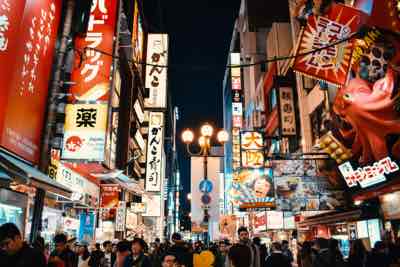
- Namba: the deep end of Osaka. Dotonbori, street food, neon, and noise. Best for first-timers who want the full experience from day one. Check the top hotels in Namba.
- Umeda: the practical northerner. Better transport for day trips to Kyoto and Kobe, wider hotel selection, and a calmer atmosphere. A 10-minute walk away hides Nakazakicho, a quiet pocket of old Osaka with great coffee and zero tourists. Check the top hotels in Umeda
- Shin-Osaka: Shinkansen country. Functional, affordable, and quiet after dark. The right pick if you’re moving between cities and want to maximize effiency and logistics on your trip. Check the top hotels in Shin-Osaka
- Tennoji: let’s call it the underdog neighborhood. Cheaper, grittier, and more local than anywhere else on this list. Next door to Shinsekai, a retro district frozen somewhere around 1965. Worth it if you want the real city without the tourist markup. Check the top hotels in Tennoji.
I’ve put together a full guide on the best areas and hotels in Osaka to help you pick the right spot for your budget and travel style.
Check out this pre-filtered list of the highest-rated places to stay in the best areas in Osaka.
Osaka vs Kyoto: which one should you stay in?
Honestly, if you only have time for one city in the Kansai region, stay in Kyoto. It has more of what most people come to Japan for: temples, bamboo groves, traditional ryokans, and that sense that you’ve stepped into a different century. Osaka is a great city, but it just doesn’t have the same cultural weight.
That said, if staying two weeks or more in Japan, I’d recommend spending time in both. They’re only 15 minutes apart by shinkansen and about 30 minutes on the regular express, so splitting your stay is easy. Kyoto gives you the traditional Japan experience. Osaka is the 2nd most visited city in Japan, serving you food, energy, shopping, and a better connected base for day trips west toward Himeji. They complement each other well.
What actually makes Osaka worth your time
Osaka has a different energy to every other city in Japan. It’s louder, less self-conscious, and considerably more focused on eating well and having a good time. The locals have a reputation across Japan for being warm and direct.
Food is amazing throughout country, but Osaka’s unofficial motto, kuidaore (eat until you drop), isn’t just a slogan: it’s the 4th city in the world with more Michelin-starred restarants.
Dotonbori is the obvious starting point: a canal-side strip of neon signs, street food stalls, and restaurants that never seems to quiet down. It’s touristy in the best possible way. I spent my first night there eating takoyaki (octopus balls) from a stall and stopping at Pablo for one of their fresh cheese tarts, which are exactly as good as everyone says. Warm, custardy in the middle, and gone in about three bites.
Beyond Dotonbori, Osaka has a serious shopping scene. The Shinsaibashi arcade stretches for over half a kilometre and connects to a web of streets covering everything from high street to high end. During one stay, I came across a multi-floor sports complex where you could skate, play volleyball, try archery, and do a handful of other activities under one roof. It’s the kind of thing that could only exist in Osaka: completely random, full of locals, and brilliant.
The city also rewards wandering. The covered markets around Namba have a completely different pace to the tourist strip, and you’ll eat better and cheaper the further you get from the canal.
What to do with 3 days in Osaka
Day 1: Namba, Dotonbori, and the food crawl
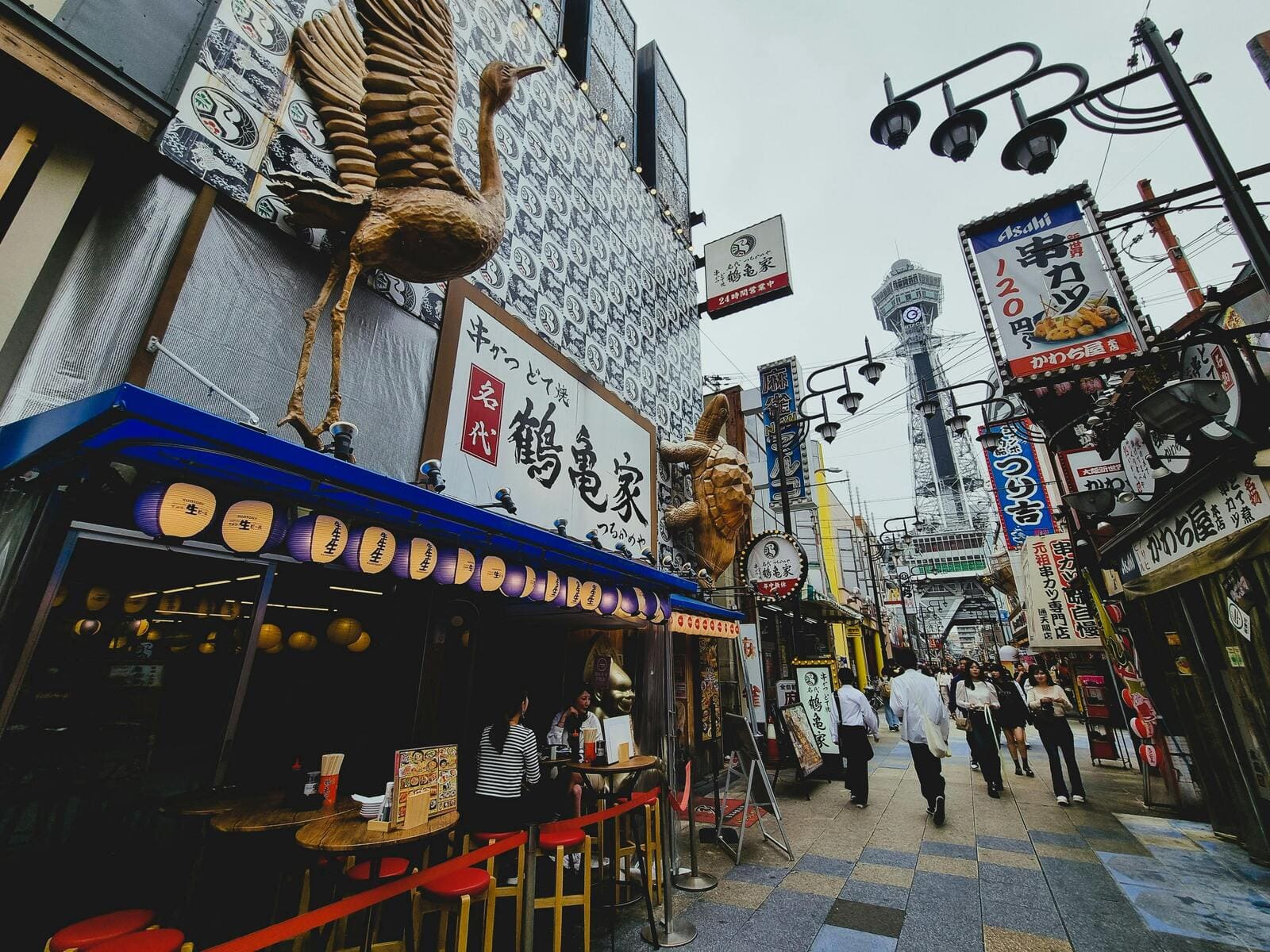
Arrive and drop your bags. Spend the afternoon walking Shinsaibashi and the surrounding streets before the evening crowds hit. Once it gets dark, head to Dotonbori. Eat street food along the canal: takoyaki, okonomiyaki (savory pancake), and anything else that looks good. Stop at Pablo for a cheese tart if you catch it fresh from the oven.
This is also a good night to book an food tour on Klook for local guidance on exactly where to eat and what to order.
Day 2: Osaka Castle and Shinsekai
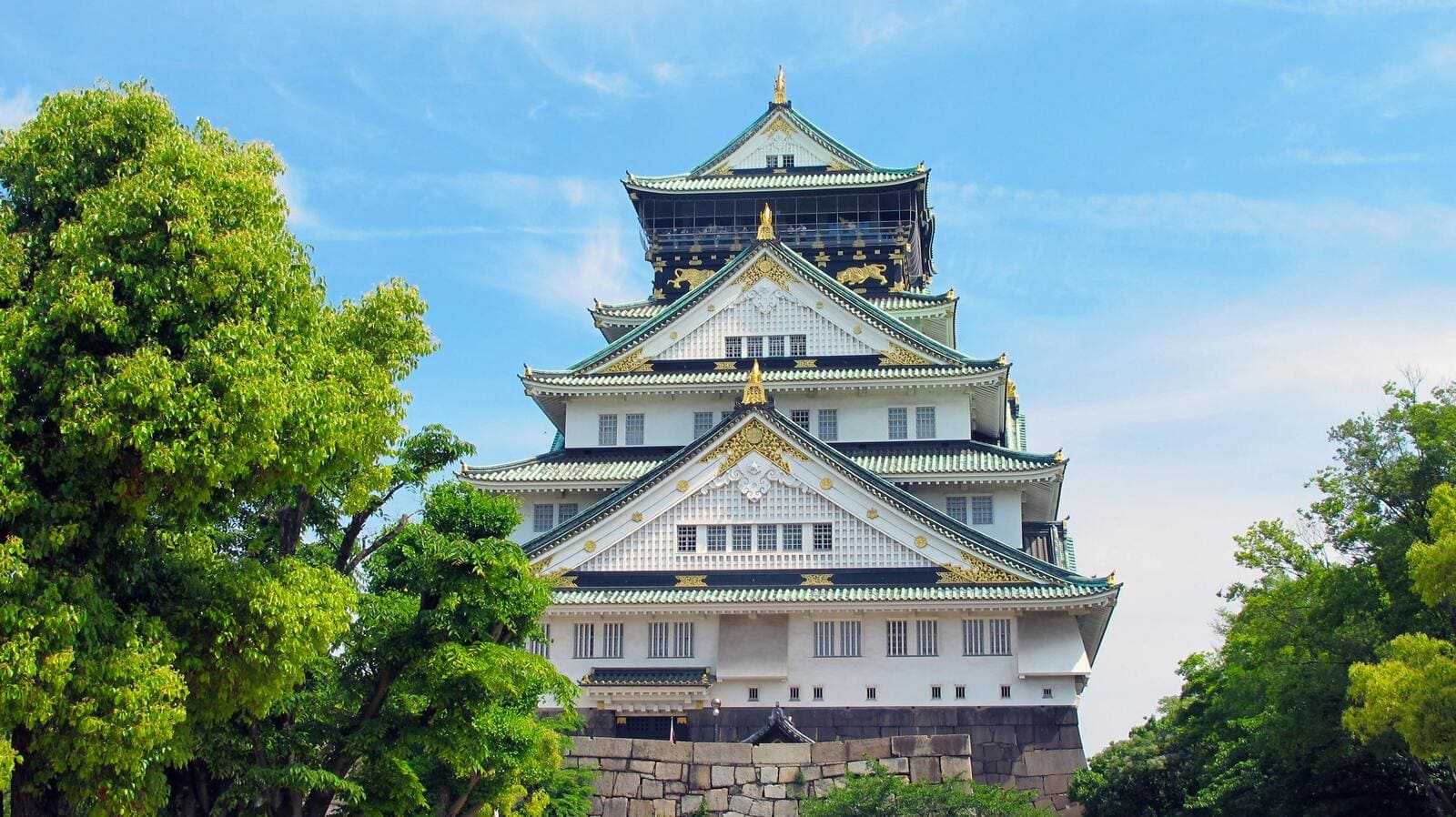
Start early at Osaka Castle. The castle itself is a museum worth going inside (admission is around ¥600), but the grounds are the real draw: wide paths, moats, and if you’re visiting in late March to early April, a spectacular display of cherry blossoms around the castle walls. I visited during sakura season: a memorable time to be in Japan. The Nishinomaru Garden inside the grounds has around 300 cherry trees (!) and opens for evening illuminations during peak bloom. You can book your tickets in advance here.
In the afternoon, make your way south to Shinsekai. It’s a bit rough around the edges, which is exactly the point. Try kushikatsu (deep-fried skewers) at one of the old-school restaurants in the area. You’ll know you’re ordering right when the menu is mostly pictures and the place is full of locals.
Day 3: Day trip
Use your third day to do a day-trip. Here are three options, depending on your interests:
Nara (45 minutes by train, easiest option): Famous for its free-roaming deer and the enormous bronze Buddha at Todai-ji temple. It works perfectly as a half-day trip, leaving your afternoon free back in Osaka. Check out my Japan two-week itinerary for more context on how Nara fits into a wider trip.
Himeji (30 minutes by Shinkansen): Japan’s most impressive original castle, a UNESCO World Heritage site known as the White Heron Castle. If you’re a history buff or a castle person, this one is worth the journey. Combine it with a quick stop in Kobe for Wagyu beef on the way back.
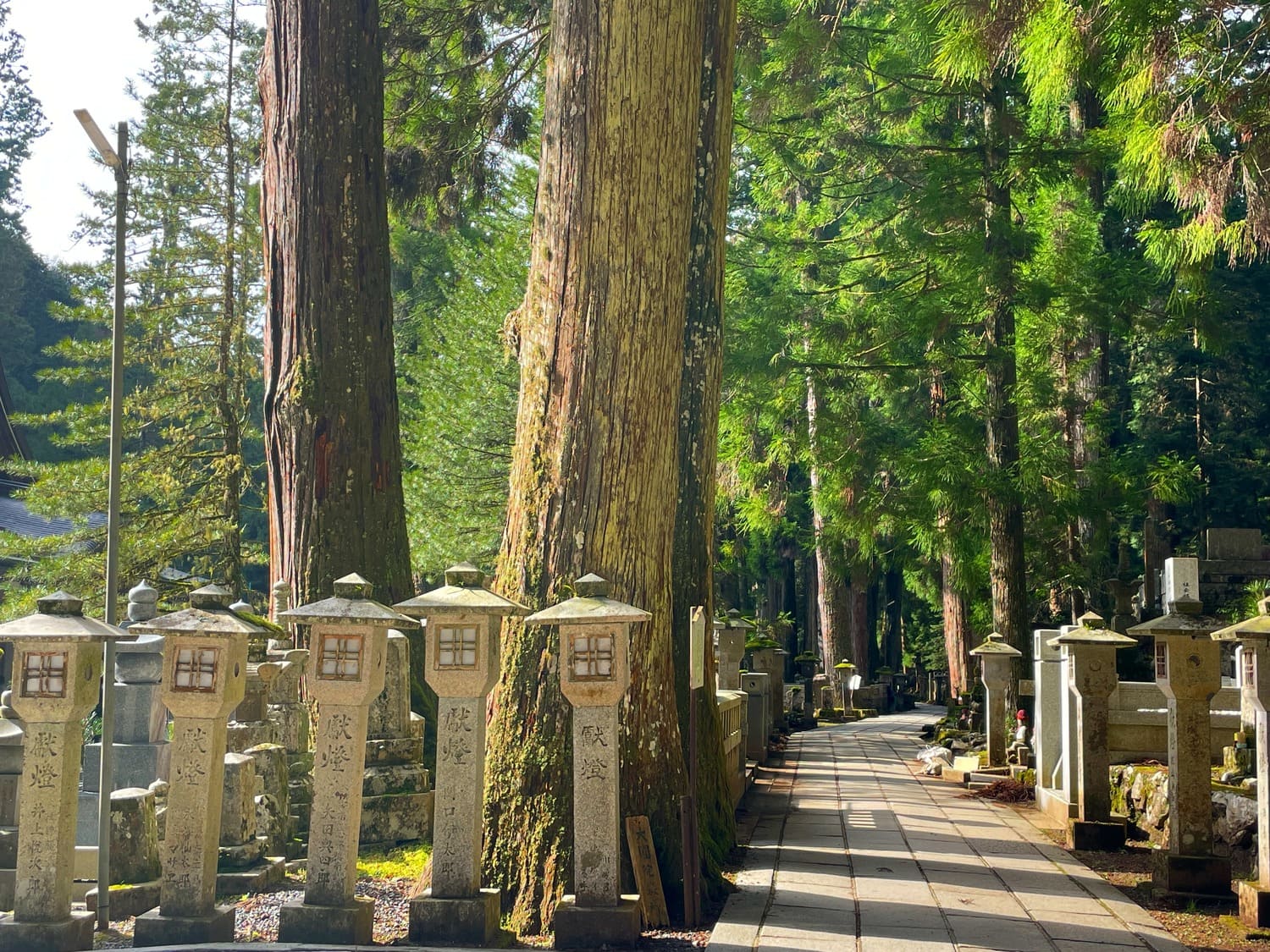
Koya-san (around 2 hours by train and cable car): A mountain temple town that feels completely removed from modern Japan. This one I’d recommend as an overnight rather than a day trip. On my second visit to Osaka, I kept my hotel room in the city and went up to Koya-san with just a small bag for one night. Staying at a temple, eating shojin ryori (Buddhist vegetarian cuisine) for dinner, and walking the Okunoin cemetery at dawn are the kind of experiences you don’t forget. It’s a longer logistical commitment, but worth it if you have the time.
Universal Studios Japan (USJ)
If you don’t feel like venture out too much, Universal Studios Japan (USJ) is near Osaka and draws massive crowds, mostly for Super Nintendo World and the Wizarding World of Harry Potter. I haven’t been, so I won’t pretend to have a personal verdict. What I can tell you is that it deserves a dedicated full day if you plan to go, and you should book tickets in advance since it sells out regularly. Factor an extra day into your stay if this is on your list.
teamLab Botanical Garden
Another suggestion of unique experience on your third day without leaving Osaka is teamLab Botanical Garden. This garden meets art gallery space transforms after dark with illuminated flowers, plants and light installations taking beautiful shapes. As with any TeamLab experience, booking tickets in advance is highly recommended.
Using Osaka as your base for the Kansai region
One of the strongest arguments to use Osaka as a base is its transport connections. Logistically it makes sense. Nara is 45 minutes away on the Kintetsu line. Kyoto is 15 minutes by shinkansen or 30 minutes on the regular express. Himeji is 30 minutes by shinkansen and covered by the JR Pass. And Kobe is just 20 minutes by local train.
For some destinations in the western part of the region, Osaka actually has better direct connections than Kyoto. If your itinerary includes Himeji, Kobe, and Hiroshima, basing yourself in Osaka makes more logistical sense.
The other practical advantage: Osaka hotels tend to be a bit cheaper than Kyoto, especially during peak season. Also, keeping your bag at one cheap hotel in Osaka while doing an overnight trip (as I did when going to Koya-san) saves you the hassle of checking in and out repeatedly and lets you travel lighter.
For a full picture of how Osaka fits into a Japan trip, have a look at my two-week Japan itinerary, which covers the full Golden Route with Osaka as the final base before flying home.
Osaka during cherry blossom season 🌸
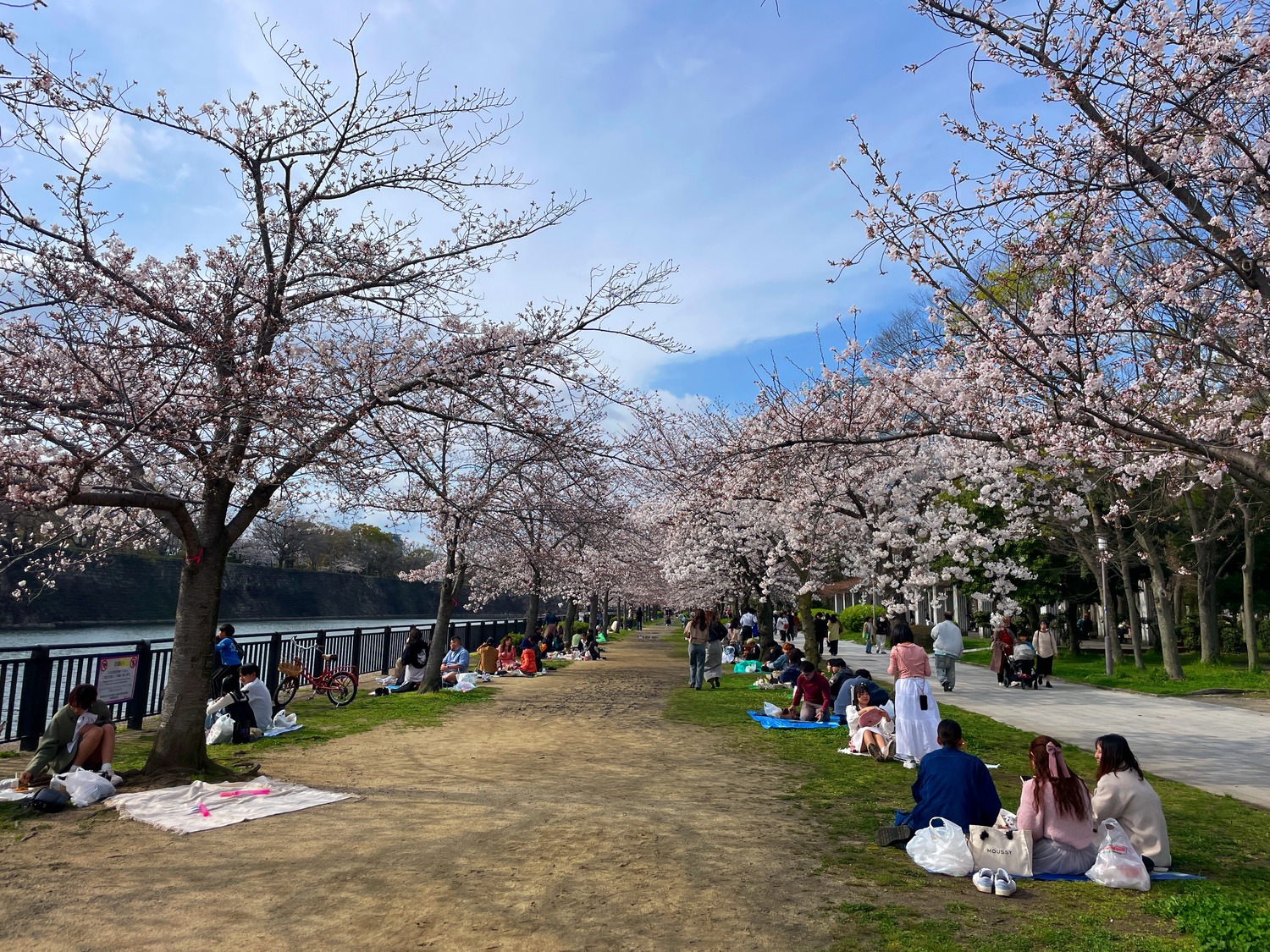
Visiting Osaka during sakura season is highly recommended, particularly for Osaka Castle. The park surrounding the castle has around 3,000 cherry trees, and the combination of pale pink blossoms against the castle’s white walls and grey stone is something I still think about. Peak bloom in Osaka typically falls in late March to early April, roughly in line with Tokyo and a few days later than Kyoto.
The crowds are real though, especially on weekends. Go early in the morning (before 9am) if you want the space to actually look around rather than shuffle through. The Nishinomaru Garden inside the grounds opens for evening illuminations during peak season, which is worth the ¥350 entry fee if you’re in the city at the right time.
Osaka is less celebrated for cherry blossoms than Kyoto, which works in your favor. The crowds are more manageable, the mood is festive rather than reverential, and the hanami (flower-viewing) parties happening on every patch of grass under the trees are a lot of fun to be around.
Osaka in a nutshell
Osaka isn’t the most obvious highlight of a Japan trip. It doesn’t have Kyoto’s temples or Tokyo’s scale. What it has is a personality that grows on you: the food, the chaos, the easy access to some of the best day trips in the country, and a crowd of locals who seem to be in a noticeably better mood than everyone else in Japan.
If you’re still building your wider Japan itinerary, the Japan travel tips post covers everything from transport to etiquette before you land.
What is the best area to stay in Osaka for first-time visitors?
Namba is the best area to stay in Osaka for first-time visitors. It puts you walking distance from Dotonbori, Kuromon Market, and the Shinsaibashi shopping arcade, and it's directly on the Midosuji Line for easy access to the rest of the city. Umeda is the close second if you plan to make day trips to Kyoto or Kobe.
Is Umeda or Namba better for tourists?
Both are excellent, but for different reasons. Namba wins on atmosphere, street food access, and proximity to classic Osaka experiences. Umeda wins on transport connections, hotel variety, and a slightly calmer atmosphere. For a short first trip, Namba. For longer stays or day-trip-heavy itineraries, Umeda.
Is Shin-Osaka worth staying in?
Yes, if you're arriving or departing by Shinkansen, or if budget is a priority. It's 3 minutes from Umeda on the Midosuji Line, and hotels here run noticeably cheaper than in Namba or Umeda. The trade-off is that the neighborhood itself goes very quiet after dark.
Is Tennoji a good area to stay in Osaka?
Tennoji is underrated and worth considering, especially for budget-conscious travelers or those who want a more local experience. Accommodation is cheaper than Namba, the Shinsekai district nearby has real character, and the Midosuji Line puts you a short ride from anywhere in the city.
What is Nakazakicho like in Osaka?
Nakazakicho is a small, low-key neighborhood about 10 minutes north of Umeda on foot. Old wooden townhouses converted into specialty coffee shops, vintage stores, and small galleries. It feels completely different from the tourist-heavy Namba area and is a great spot for a slow morning. Hotels are limited, but it's easily walkable from Umeda's accommodation.
How do I get from Kansai Airport to central Osaka?
The Nankai Rapid Express connects Kansai International Airport (KIX) to Namba Station in about 45 minutes (around ¥920). The limited express Rapi:t takes 38 minutes and costs around ¥1,450. If you're staying near Shin-Osaka, the JR Haruka Express runs directly from the airport in about 50 minutes.
Is Osaka worth visiting, or should I stay in Kyoto instead?
Both are worth visiting. If you only have time for one, Kyoto offers more of what most people come to Japan for: temples, traditional culture, and historical depth. But Osaka adds something different: great food, a livelier city energy, and excellent transport connections for regional day trips. The two cities are only 15 to 30 minutes apart, so there's no reason to choose if your schedule allows for both.
What are the best day trips from Osaka?
The three easiest and most rewarding day trips from Osaka are Nara (45 minutes by train, famous for its deer and the giant Buddha at Todai-ji), Himeji (30 minutes by Shinkansen, home to Japan's most impressive original castle), and Koya-san (around 2 hours by train and cable car, a mountain temple town best experienced as an overnight). Kyoto and Kobe are also easily reachable in under 30 minutes.
What is the best time of year to visit Osaka?
Spring (late March to early April) is beautiful for cherry blossoms, particularly around Osaka Castle, but it's also peak season with higher prices and larger crowds. Autumn (October to November) offers cooler temperatures and autumn foliage without the same congestion. Summer is hot and humid. Winter is quieter and cheaper, though some outdoor experiences are less appealing in the cold.
Is Osaka good for shopping?
Yes. Osaka has one of Japan's best shopping scenes outside of Tokyo. The Shinsaibashi arcade runs for over half a kilometre and connects to side streets covering everything from fast fashion to designer labels. Den Den Town in the Nipponbashi area is the local equivalent of Akihabara for electronics and anime merchandise. The covered markets around Namba and Kuromon Market are better for food souvenirs and local produce.